Can I Flush Paper Towels Safely?
You shouldn’t flush paper towels because they’re thicker and don’t break down like toilet paper. When you flush them, they can clog your pipes and cause costly backups since they resist dissolving in water.
These blockages can also harm municipal sewer systems and the environment.
Instead, dispose of paper towels in the trash or compost if they’re uncontaminated. To understand the full impact and best disposal methods, keep exploring why flushing them is problematic.
Remember, flushing paper towels isn’t safe for your plumbing or the environment, so it’s best to find alternative ways to throw them away.
Understanding the Composition of Paper Towels
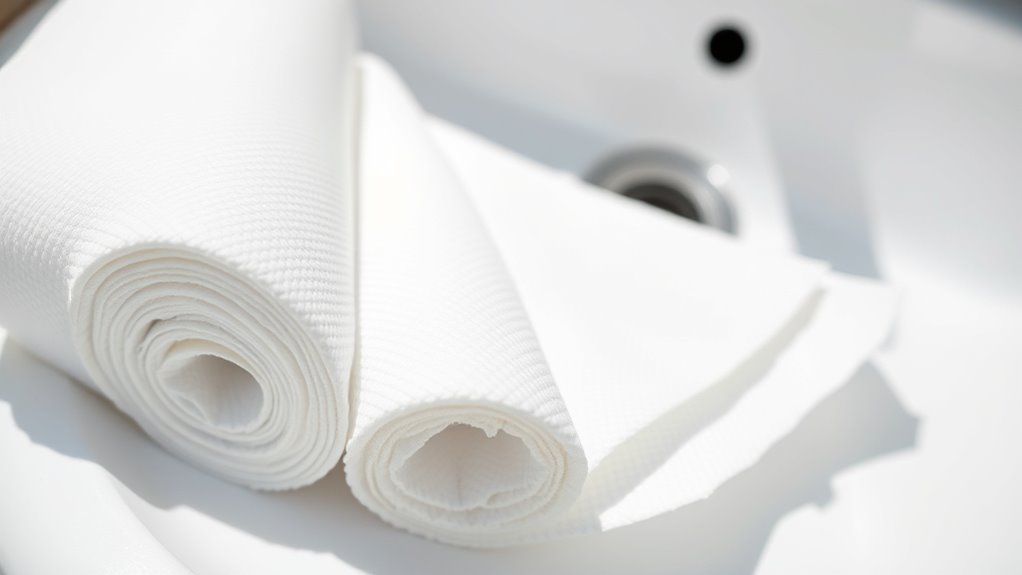
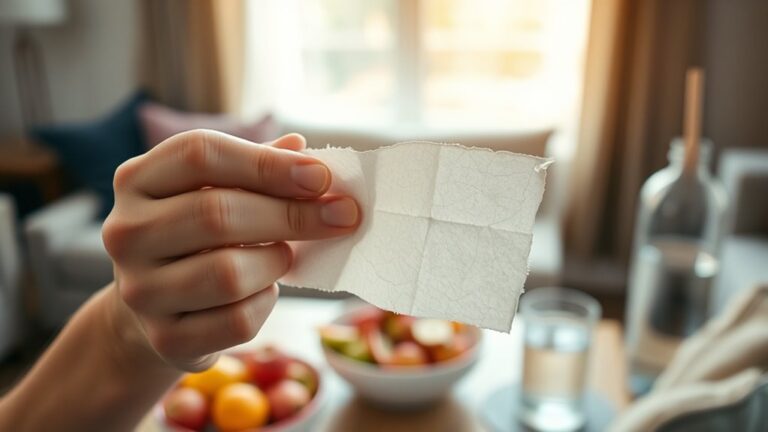
Although paper towels might seem similar to regular toilet paper, their composition is quite different. You’ll notice paper towels are thicker and more durable because they’re designed to absorb and hold liquids efficiently.
They’re made from longer fibers and often include bonding agents that give them strength and resistance to tearing. This means they don’t break down easily when wet, unlike toilet paper that dissolves quickly in water.
When you use paper towels, they hold up better for cleaning spills, but that same durability makes them less suitable for flushing. Understanding this helps you realize why paper towels behave differently in plumbing systems and why you should treat them differently from toilet paper when disposing of them.
Differences Between Paper Towels and Toilet Paper
When you compare paper towels to toilet paper, you’ll quickly notice that their purposes shape their design and behavior in plumbing. Toilet paper is made to dissolve rapidly in water, preventing clogs and ensuring smooth disposal. It’s thin, soft, and breaks apart easily, which helps it flush away without causing issues.
Paper towels, on the other hand, are designed to be strong and absorbent. They’re thicker, more durable, and don’t break down easily when wet. This durability makes them great for cleaning spills but problematic for plumbing systems.
Unlike toilet paper, paper towels resist disintegration, which means they can clog pipes and sewage systems if flushed. Understanding these differences helps you avoid plumbing problems by choosing the right product for the right job.
What Happens When You Flush Paper Towels?
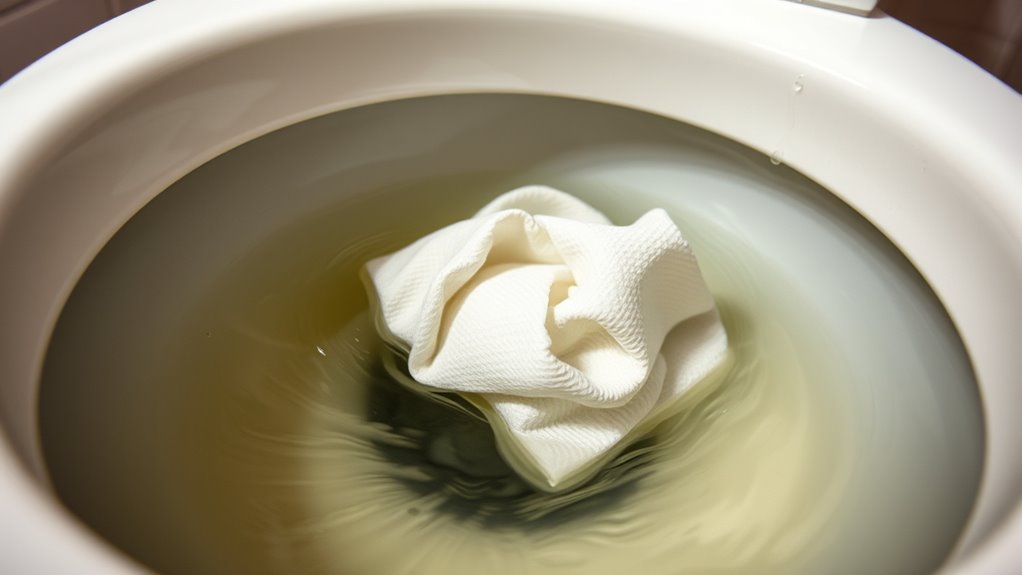
If you flush paper towels, you’ll likely cause blockages in your plumbing system because they don’t break down like toilet paper.
Unlike toilet paper, which dissolves quickly, paper towels stay intact longer, creating clogs and backups.
Here’s what happens when you flush them:
| Stage | Paper Towels | Toilet Paper |
|---|---|---|
| Initial Flush | Moves slowly due to thickness | Flows smoothly |
| Breakdown | Minimal disintegration | Dissolves rapidly |
| Plumbing Impact | Risk of buildup and blockages | Rarely causes issues |
Flushing paper towels puts stress on your pipes and septic systems.
This increases the chance of costly repairs.
Risks to Plumbing Systems From Flushing Paper Towels
You might not realize it, but flushing paper towels can cause serious pipe blockages in your plumbing system.
These blockages can lead to costly repairs and backups in your home. Plus, they can disrupt the entire sewer system, affecting your community’s wastewater management.
Pipe Blockage Hazards
Although paper towels might seem disposable like toilet paper, flushing them can quickly cause serious pipe blockages. Unlike toilet paper, paper towels don’t break down easily in water. When you flush them, they tend to clump together, creating dense masses that get stuck in your pipes.
This buildup restricts water flow, leading to slow drains or complete blockages. You might notice gurgling sounds, backups, or even flooding if the blockage worsens.
Clearing these clogs often requires professional plumbing services, which can be costly and inconvenient. To protect your plumbing system, avoid flushing paper towels altogether. Instead, dispose of them in the trash to prevent pipe damage and save yourself from unnecessary repairs. Your plumbing will thank you for it.
Sewer System Impact
Beyond causing blockages inside your home’s pipes, flushing paper towels can also create serious problems for the broader sewer system. Unlike toilet paper, paper towels don’t break down easily. This leads to clogs that affect municipal sewage lines and treatment plants.
When these materials accumulate, they can disrupt the flow and damage infrastructure.
Here’s how flushing paper towels impacts the sewer system:
- Blockages: Paper towels can form dense masses, causing backups and overflows in sewer pipes.
- Equipment Damage: Thick clogs strain pumps and grinders. This increases repair costs and downtime.
- Environmental Harm: Overflowing sewage can contaminate waterways. That poses health risks to communities.
Environmental Impact of Flushing Paper Towels
When paper towels enter the plumbing system, they can cause significant environmental harm. They don’t break down like toilet paper, which leads to blockages and increased maintenance.
This results in higher energy use and chemical treatments to clear clogs. Both of these harm local ecosystems.
Flushing paper towels also strains wastewater treatment plants. That makes it harder to protect water quality.
| Environmental Concern | Impact |
|---|---|
| Water Pollution | Chemicals from treatment harm aquatic life |
| Energy Consumption | More energy needed to fix blockages |
| Ecosystem Damage | Disrupted habitats due to pollution |
| Increased Waste | Non-biodegradable paper adds to landfill |
Proper Disposal Methods for Used Paper Towels
Since flushing paper towels can cause serious environmental and plumbing issues, you’ll want to handle their disposal carefully. Instead of tossing them in the toilet, follow these proper disposal methods to keep your pipes and the environment safe.
- Trash Bin: Place used paper towels directly into a trash bin. This prevents clogs and helps waste management systems function properly.
- Composting: If the paper towels aren’t contaminated with chemicals or grease, add them to your compost pile. They break down naturally and enrich soil.
- Recycling: Avoid recycling paper towels since they’re typically contaminated and can damage recycling equipment. Stick to trash or compost instead.
Conclusion
Flushing paper towels is like sending a stubborn guest who refuses to leave—your plumbing just can’t handle it. Unlike toilet paper, paper towels don’t break down easily, causing clogs and costly damage.
To keep your pipes happy and the environment safe, don’t flush them. Instead, toss used paper towels in the trash or compost when possible.
Remember, what you flush today can come back to bite you tomorrow! Flushing paper towels isn’t safe for your plumbing or the environment. So, always dispose of them properly to avoid clogs and costly repairs. Keeping your pipes clear and the environment clean starts with making smart flushing choices.