
What Causes Abnormal Pap Smear Results?
You get abnormal Pap smear results mainly due to HPV infections, which disrupt normal cervical cells, or because of inflammation from infections like yeast or bacterial vaginosis. These infections can change the way your cervical cells look under a microscope, leading to those unexpected results.
Hormonal changes during your menstrual cycle, pregnancy, or menopause can also affect cell appearance, making things a bit tricky sometimes.
Sexual activity, especially with multiple partners or unprotected sex, raises your risk of abnormal results. Smoking and recent medical procedures on your cervix can also play a role.
Understanding these factors helps explain why your Pap smear results might come back abnormal. There’s actually quite a bit more to uncover about what influences your cervical health and those test outcomes.
Human Papillomavirus (HPV) Infection
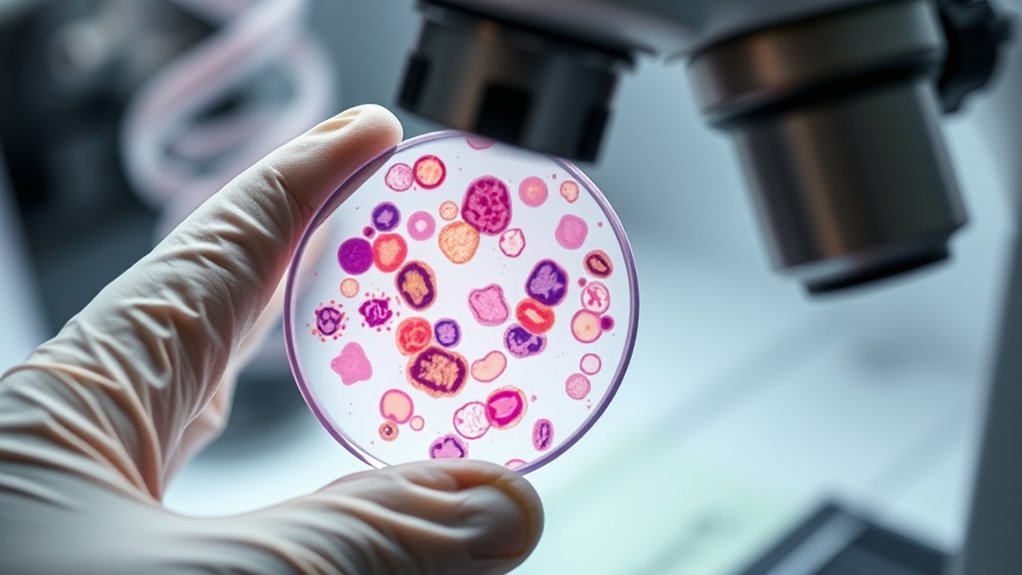
Although many people clear HPV infections on their own, the virus can cause changes in cervical cells that lead to abnormal Pap smear results. When you have HPV, especially high-risk types, it can disrupt normal cell growth, causing cells to look abnormal under a microscope.
You might not notice any symptoms, but your Pap smear can reveal these changes early. HPV is very common and usually transmitted through sexual contact.
Your immune system often fights it off, but sometimes the virus persists, increasing the risk of cervical cell abnormalities. Regular screening helps detect these changes before they develop into serious problems.
Cervical Inflammation and Infection
You might not realize that various types of cervical infections can cause inflammation, which often shows up as abnormal cells on your Pap smear.
This inflammation can irritate your cervical tissue and sometimes mimic or hide more serious issues.
Understanding how infections impact your results helps you and your doctor decide the best next steps.
Types of Cervical Infections
When your cervix becomes inflamed or infected, various types of cervical infections can cause abnormal Pap smear results. Common infections include bacterial vaginosis, which disrupts the natural balance of bacteria, and yeast infections caused by Candida species.
Sexually transmitted infections like chlamydia, gonorrhea, and herpes simplex virus can also affect your cervix. Human papillomavirus (HPV) is particularly important, as certain high-risk strains can lead to cervical cell changes detected on Pap smears.
Trichomoniasis, caused by a parasite, may also contribute to abnormal findings. These infections trigger changes in your cervical cells, prompting your healthcare provider to investigate further.
Recognizing these different infections helps you understand why your Pap smear results might show abnormalities. This knowledge guides you toward appropriate treatment and care.
Impact of Inflammation
Infections and irritations in the cervix often lead to inflammation, which plays a significant role in abnormal Pap smear results. When your cervix becomes inflamed, the cells can appear irregular or damaged, making it challenging to distinguish between harmless changes and potential precancerous cells.
Inflammation caused by infections like chlamydia, gonorrhea, or HPV can trigger your immune system to react, altering the appearance of cervical cells. This can result in false positives or unclear results on your Pap smear.
Addressing inflammation through proper diagnosis and treatment is essential to get accurate Pap smear readings. If you notice symptoms like unusual discharge or discomfort, don’t hesitate to see your healthcare provider. Managing inflammation early can prevent further complications.
Hormonal Changes and Imbalances
You might not realize it, but your hormones play a big role in your Pap smear results. Changes during your menstrual cycle, pregnancy, and menopause can all affect cervical cells.
Understanding these hormonal shifts helps explain why your results might look abnormal at different times. So, it’s not always something to worry about—it’s just your body doing its thing!
Menstrual Cycle Effects
Although hormonal fluctuations during your menstrual cycle are natural, they can sometimes affect Pap smear results. Your cervix undergoes changes throughout the cycle, influenced by varying levels of estrogen and progesterone.
Around ovulation, increased estrogen can cause the cervical cells to appear more active and regenerate rapidly. This might be mistaken for abnormal changes.
During menstruation, the presence of blood and inflammation can obscure cell samples. This can lead to inconclusive or abnormal findings.
If you schedule your Pap smear during your period or right before it, the hormonal environment may affect the accuracy of the test. To get the most reliable results, it’s best to have your Pap smear when you’re not menstruating.
Also, try to avoid testing during times of hormonal imbalance or significant cycle irregularities. That way, you can be more confident in the results.
Pregnancy Hormonal Influence
Hormonal shifts don’t stop with your menstrual cycle—they continue and intensify during pregnancy, substantially impacting Pap smear results.
As your body adapts to support new life, increased hormone levels can cause cellular changes in your cervix, sometimes leading to abnormal Pap findings. Here’s what you need to know:
- Increased Estrogen and Progesterone: These hormones thicken cervical mucus and may cause cells to appear more reactive or atypical under a microscope.
- Enhanced Blood Flow: Pregnancy boosts blood circulation to your cervix, which can cause inflammation or minor bleeding. This might affect test outcomes.
- Immune System Modulation: Your immune response adjusts during pregnancy, sometimes allowing harmless infections or cellular changes to mimic abnormal results.
Understanding these influences helps you avoid unnecessary worry about abnormal Pap smears during pregnancy. So, don’t stress if you get unexpected results—it’s often just your body doing its thing!
Menopause and Estrogen Levels
A significant drop in estrogen levels during menopause can cause notable changes in your cervical cells, often leading to abnormal Pap smear results. Estrogen helps maintain the thickness and health of the cervical lining, so when levels fall, the tissue may become thinner and more fragile.
This thinning can cause cellular changes that show up as abnormalities during your Pap smear. Additionally, lower estrogen can lead to vaginal atrophy and inflammation, which might also affect test results.
It’s important to remember that these changes don’t necessarily mean you have precancerous cells or cervical cancer. Your healthcare provider will consider your menopausal status when interpreting your results.
They may recommend follow-up tests or hormone therapy to manage symptoms and clarify findings. So, don’t worry too much—your doctor is there to guide you through this.
Cellular Abnormalities and Dysplasia
When your Pap smear shows cellular abnormalities, it means some cells have changed in size, shape, or organization. These changes can be a sign of dysplasia, which refers to abnormal cell growth that might lead to cancer if left untreated.
Understanding the severity helps guide your doctor’s next steps.
Here are three key points about cellular abnormalities and dysplasia:
- Mild dysplasia (Low-grade): Cells look slightly abnormal but often resolve without treatment.
- Moderate to severe dysplasia (High-grade): Cells are more abnormal and require closer monitoring or treatment.
- Precancerous changes: Dysplasia can precede cervical cancer, making early detection vital.
Your healthcare provider will discuss what these findings mean for you and recommend a follow-up plan.
Impact of Sexual Activity and Practices
How do your sexual habits influence the results of a Pap smear? Your sexual activity can directly impact cervical cell health, as certain practices increase the risk of infections linked to abnormal results.
Having multiple partners or starting sexual activity at a young age raises your chance of contracting human papillomavirus (HPV), the primary cause of cervical abnormalities. Unprotected sex can expose you to HPV and other sexually transmitted infections (STIs), which may cause inflammation or cell changes detected during a Pap smear.
Additionally, engaging in rough or frequent intercourse might irritate cervical cells, potentially affecting test outcomes. Being mindful of these factors and practicing safe sex can help reduce the likelihood of abnormal Pap smear results and support your cervical health.
Effects of Medical Treatments and Procedures
Your sexual habits aren’t the only factors that can influence Pap smear results; medical treatments and procedures can also play a significant role. Certain interventions may irritate or alter cervical cells, leading to abnormal findings.
Here are three key medical factors to contemplate:
- Recent Cervical Procedures: Treatments like colposcopy, biopsy, or cryotherapy can cause temporary cellular changes that show up on your Pap smear.
- Hormonal Therapies: Birth control pills or hormone replacement therapy may affect cervical cell appearance, sometimes mimicking abnormality.
- Infections and Inflammation: Treatments for infections or inflammation, including antibiotics or antifungals, can impact cell health and smear results.
Understanding these influences helps you and your healthcare provider interpret abnormal Pap results more accurately. This way, you can decide the best next steps together.
Conclusion
If you’ve ever wondered what causes abnormal Pap smear results, it often comes down to factors like HPV infection, inflammation, hormonal changes, or cellular abnormalities.
Did you know that about 80% of sexually active people will contract HPV at some point? Understanding these causes helps you stay proactive with regular screenings and healthy habits.
Remember, early detection through Pap smears can make a huge difference in preventing serious cervical issues. Getting regular Pap smear tests is key to catching any abnormalities early.
By knowing what causes abnormal Pap smear results, you’re better equipped to protect your cervical health and reduce the risk of cervical cancer. So, stay informed, keep up with your screenings, and talk to your healthcare provider if you notice any changes. Taking these steps ensures you stay on top of your reproductive health and well-being.