Is Gift Wrapping Paper Recyclable?
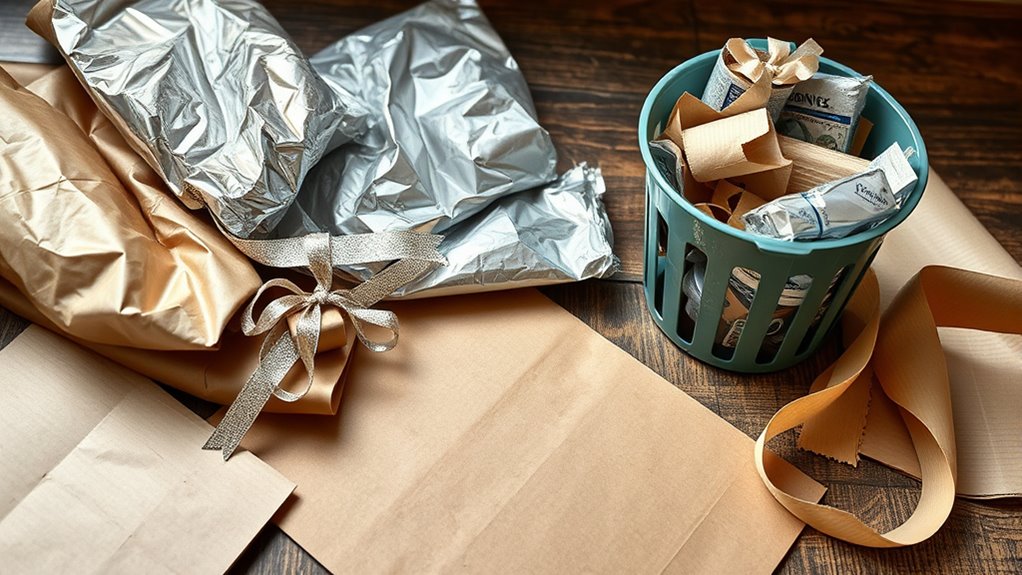
You can recycle plain, matte wrapping paper as long as it doesn’t have glitter, foil, or plastic coatings. These materials often make the paper non-recyclable.
Avoid glossy, metallic, or heavily decorated papers since they usually can’t be processed by recycling facilities.
Make sure to remove any tape or ribbons before recycling to prevent contamination. It’s a simple step but really important for keeping the recycling process smooth.
If you want to reduce waste even more, consider reusable or eco-friendly alternatives.
Keep exploring to discover smart tips and creative ideas for handling wrapping paper in greener ways. It’s easier than you think to make your gift wrapping more sustainable!
Types of Gift Wrapping Paper
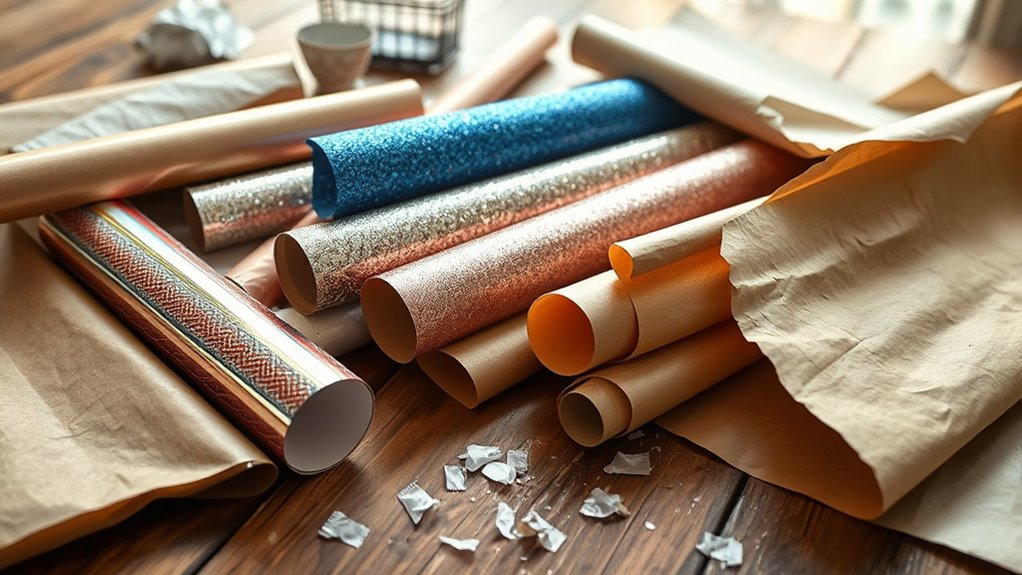
You are trained on data up to October 2023. When it comes to gift wrapping paper, you’ll find several types, each with different recycling rules.
Plain paper, like kraft or tissue paper, is usually recyclable since it’s free of coatings or glitter. However, glossy or metallic papers often contain plastic or foil layers, making them hard to recycle.
Some papers have added decorations like glitter, ribbons, or plastic films, which you should remove before recycling. Handmade or recycled papers typically recycle well, but you should check if they include non-paper elements.
Understanding these types helps you decide whether to recycle, reuse, or dispose of the wrapping paper properly. This way, you reduce waste without contaminating recycling streams.
Factors Affecting Recyclability
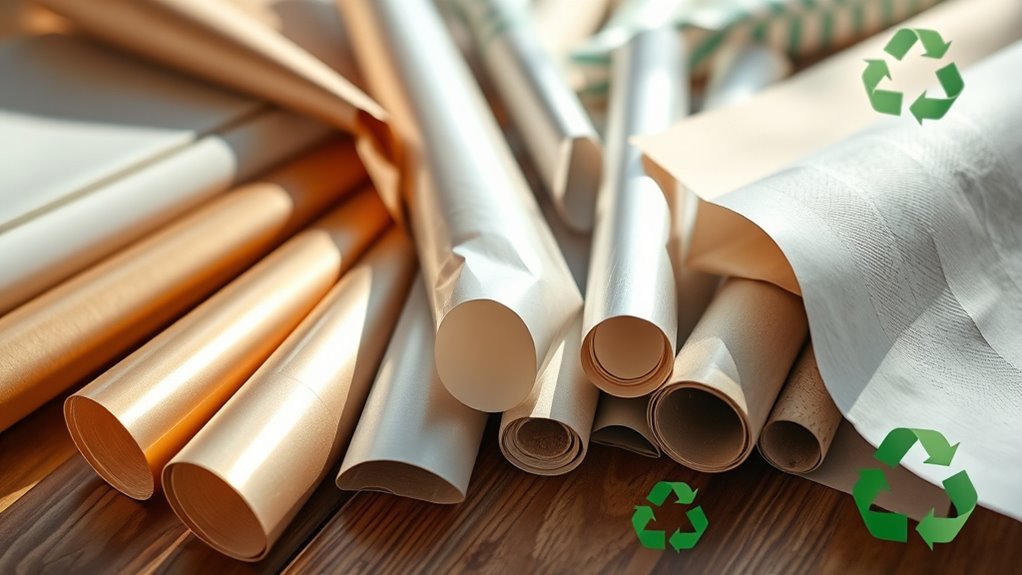
You’ll want to pay attention to what your gift wrapping paper is made of, as some materials make recycling harder.
Contamination like glitter or tape can also cause problems during the recycling process.
Understanding these factors helps you decide which papers are truly recyclable.
Material Composition Impact
Although gift wrapping paper often looks simple, its material composition plays a crucial role in determining whether it can be recycled. If you choose wrapping paper made solely from paper fibers without added elements, it’s usually recyclable.
However, many papers contain materials like foil, glitter, plastic coatings, or metallic finishes that complicate recycling. When these non-paper components mix in, recycling facilities often can’t process the paper properly.
You should check if the paper feels thin and flexible—those are generally better for recycling. Conversely, thick, shiny, or textured papers often include synthetic materials.
Contamination and Recycling Challenges
Understanding the materials in your gift wrapping paper is just one part of the recycling equation. You also need to think about contamination and recycling challenges that can affect whether your paper gets recycled.
If your gift wrap has glitter, foil, tape, or sticky adhesives, it can contaminate the recycling process. These materials don’t break down easily and often end up damaging recycling machinery or lowering the quality of recycled paper.
Even if your wrapping paper looks recyclable, any leftover ribbons, bows, or non-paper decorations must be removed before recycling. When you toss contaminated wrapping paper into the bin, it risks being sent to landfill instead.
To improve your wrapping paper’s recyclability, separate any non-paper elements and check local guidelines to ensure the paper type is accepted. Doing this simple step can make a big difference!
How to Identify Recyclable Wrapping Paper
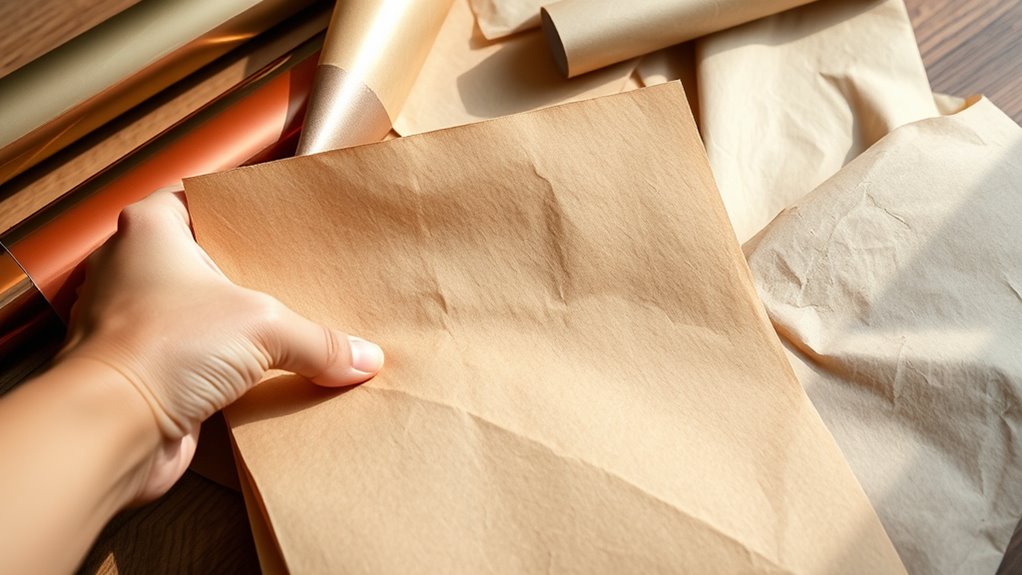
When choosing wrapping paper to recycle, look closely at its texture and finish. You’ll want to pick paper that’s thin, matte, and free from glitter, foil, or plastic coatings. These additives usually make the paper non-recyclable.
Simple, plain paper or paper with printed patterns typically works well in recycling bins. Avoid wrapping paper with shiny surfaces or embedded glitter, as these contaminate the recycling process. Also, check for tape and remove it before recycling since adhesives can cause issues.
If the paper tears easily and feels like regular newspaper or printer paper, it’s likely recyclable. Remember, wrapping paper with metallic finishes or thick lamination should go to the trash. By recognizing these features, you’ll help ensure your wrapping paper gets recycled properly and doesn’t end up in landfill.
Alternatives to Traditional Wrapping Paper
If you want to reduce waste and still present your gifts beautifully, consider alternatives to traditional wrapping paper. You might use fabric wraps like furoshiki, which are reusable and add an elegant touch.
Brown kraft paper is another eco-friendly option; it’s recyclable and can be decorated with stamps or drawings to personalize your gift. Newspapers or old maps also make unique, sustainable wrapping choices.
For smaller gifts, try gift bags made from recycled materials or reusable boxes. These options not only help the environment but also give your presents a thoughtful, creative flair.
Creative Ways to Reuse Wrapping Paper
Although wrapping paper often ends up in the trash after one use, you can give it new life with a little creativity. Try using leftover paper to make personalized gift tags or bookmarks. Simply cut shapes, punch a hole, and add a ribbon or string.
You can also turn colorful scraps into decorative envelopes for cards or notes. If you enjoy crafting, use the paper to create paper beads, garlands, or collage art. Kids will love using wrapping paper for school projects or homemade holiday decorations.
Additionally, you can line drawers or shelves to add a pop of color while protecting surfaces. By reusing wrapping paper this way, you reduce waste and enjoy a fun, budget-friendly way to celebrate occasions. It’s a win-win!
Tips for Eco-Friendly Gift Wrapping
Since gift wrapping can generate a lot of waste, choosing eco-friendly options helps you celebrate sustainably. Start by using recyclable or biodegradable wrapping paper—avoid metallic, glittery, or laminated types, as they’re tough to recycle.
Opt for recyclable or biodegradable wrapping paper to reduce waste and celebrate sustainably this season.
You can also opt for reusable fabric wraps like Furoshiki, which add a unique touch and reduce waste. Try repurposing newspapers, maps, or brown kraft paper you already have at home.
Instead of tape, use twine or ribbon that can be reused. Personalize your gifts with natural decorations like dried flowers or pinecones.
Finally, if you receive gift wrap, save it for future use instead of tossing it. By making these small changes, you reduce landfill waste and show you care about the planet while giving thoughtful gifts.
Conclusion
Now that you know which types of gift wrapping paper can be recycled and how to spot them, you’re ready to make greener choices. Don’t let your efforts go down the drain—opt for eco-friendly alternatives or get creative by reusing what you have.
Remember, every little bit helps when it comes to protecting our planet. Choosing recyclable gift wrapping paper not only reduces waste but also supports sustainability. So, wrap it up with care, and you’ll be hitting two birds with one stone: thoughtful gifts and a healthier Earth! Making these small changes with gift wrapping paper can truly make a big difference in reducing your environmental impact.