How to Know If It Is Safe to Eat Paper
You can only safely eat paper that’s specially made for consumption, like edible rice paper free from harmful inks, dyes, or chemicals. Regular paper often contains toxins, glues, or coatings that can cause health issues.
Always check if the paper is labeled as edible and made from food-grade ingredients. Avoid glossy, printed, or recycled paper not intended for food.
If you want to learn how to spot safe papers and what to do if you accidentally eat unsafe ones, keep exploring these important tips. It’s all about knowing which papers are safe to eat and which ones to steer clear of.
Common Reasons People Eat Paper
Why do some people end up eating paper? Often, it’s tied to a condition called pica, where you might crave non-food items like paper. Stress, anxiety, or nutritional deficiencies can trigger this behavior, so if you find yourself chewing on paper, it might be your body signaling something deeper.
Sometimes, kids chew on paper out of curiosity or boredom, not realizing it’s not meant to be eaten. If you’re dealing with sensory processing issues, the texture of paper might oddly appeal to you.
In rare cases, people eat paper due to psychological disorders, and it’s important to seek help if this becomes a frequent habit. Understanding why you or someone else eats paper is the first step toward addressing the behavior effectively.
Types of Paper That Are Less Harmful
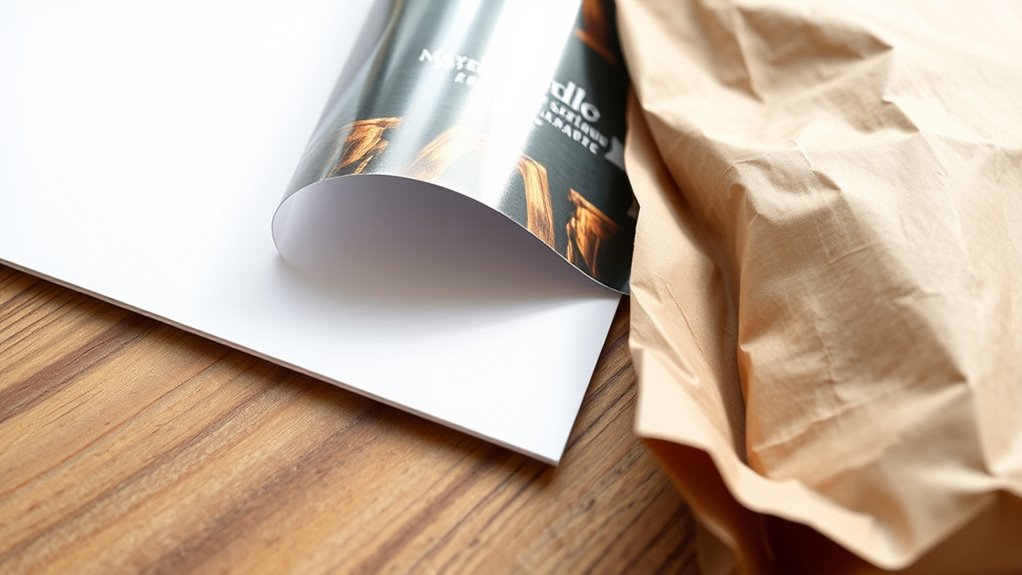
Which types of paper pose fewer risks if accidentally ingested? Generally, plain, uncoated paper like standard printer or notebook paper is less harmful. These papers typically contain fewer additives, inks, or chemicals, making them safer if you accidentally consume a small amount.
Paper made from natural fibers without heavy bleaching or added dyes also tends to be less risky. Avoid glossy, colored, or printed paper since these often contain inks and coatings that can be toxic.
Recycled paper can be safer, but only if you know it’s free from contaminants. Remember, even less harmful types aren’t meant for eating, so try to avoid ingesting any paper.
If you do, stick to small amounts and consider consulting a healthcare professional if you’re unsure. Better safe than sorry, right?
Potential Health Risks of Eating Paper
You should be aware that eating paper can affect your digestive system, causing discomfort or blockages. Chemicals used in paper production might also pose health risks if ingested.
Plus, some people could experience allergic reactions from certain paper types. So, it’s definitely not something to take lightly.
Digestive System Impact
How does eating paper affect your digestive system? When you swallow paper, your body struggles to break it down because paper is mostly cellulose, a fiber your stomach can’t digest.
This can lead to discomfort or even blockages if you eat large amounts. Small bits might pass through harmlessly, but don’t count on it.
Here’s a quick look at how paper impacts digestion:
| Effect | Cause | Outcome |
|---|---|---|
| Indigestion | Undigestible fiber | Bloating, cramps |
| Blockage risk | Paper accumulation | Constipation, pain |
| Nutrient interference | Fiber bulk | Reduced nutrient absorption |
Chemical Contaminant Dangers
Although paper might seem harmless, it often contains chemical contaminants like inks, dyes, and bleaching agents that can pose health risks if ingested. These chemicals aren’t designed for consumption, and swallowing them can introduce toxins into your body.
For example, many inks contain heavy metals or solvents that may cause nausea, headaches, or even long-term organ damage. Bleaching agents like chlorine compounds used to whiten paper can irritate your digestive tract or disrupt your gut flora.
Even recycled paper might harbor residues from previous uses, increasing chemical exposure. So, if you’re considering eating paper, be aware that these hidden contaminants could harm your health.
To stay safe, avoid consuming paper unless it’s specifically labeled as food-grade or made with edible ingredients. Better safe than sorry, right?
Allergic Reaction Possibilities
Why might eating paper trigger allergic reactions? Paper often contains additives like dyes, glues, or coatings that can cause sensitivity in some people. If you have allergies to certain chemicals or materials, consuming paper may provoke symptoms such as itching, swelling, or even respiratory issues.
Additionally, the paper fibers themselves can sometimes irritate your digestive tract, especially if you have a history of allergies or asthma. Even recycled paper might carry residues from previous contaminants that could trigger a reaction.
While allergic responses to paper aren’t common, you shouldn’t ignore any unusual symptoms after ingestion. If you experience itching, hives, or difficulty breathing, seek medical attention immediately.
Being aware of these risks helps you make safer choices and avoid potential health complications.
Identifying Safe vs. Unsafe Paper Products
When deciding whether a paper product is safe to eat, you’ll need to examine its source and composition carefully. Not all paper is created equal—some contain harmful chemicals, inks, or coatings that you definitely don’t want to ingest.
To identify safe versus unsafe paper, consider these points:
- Check the paper type: Food-grade papers like rice paper or edible wafer paper are designed to be eaten, unlike printer or newspaper paper.
- Look for additives: Avoid papers with colored inks, glossy finishes, or plastic coatings since these may contain toxic substances.
- Confirm packaging info: If the paper is labeled “edible” or “food-safe,” it’s generally safe; otherwise, stay cautious.
What to Do If You Accidentally Swallow Paper
If you accidentally swallow paper, stay calm and drink some water to help it move through your system.
Watch for any unusual symptoms like choking, pain, or difficulty swallowing. If you experience these or feel unwell, don’t hesitate to seek medical help right away.
Immediate Steps to Take
Although swallowing paper is usually harmless, you should stay calm and keep an eye on yourself for any discomfort or unusual symptoms. Start by drinking a glass of water to help the paper move smoothly through your digestive tract.
Try not to force yourself to vomit, since that could cause more harm than good. Just watch how you feel over the next few hours, okay?
Here are some immediate steps to take:
- Drink plenty of water to aid digestion and prevent blockage.
- Avoid eating anything sharp or hard that might irritate your throat or stomach.
- Stay alert for symptoms like persistent choking, pain, or difficulty swallowing.
Following these steps will help keep you safe after accidentally swallowing paper.
When to Seek Help
Keeping an eye on how you feel after swallowing paper is important, but knowing when to get medical help can make all the difference.
If you experience persistent pain, difficulty swallowing, or vomiting, don’t hesitate to seek medical attention. Also, if you notice blood in your saliva or stool, or if you develop a fever, it’s time to see a healthcare professional.
In cases where you feel choking or severe throat discomfort, call emergency services immediately.
Even if symptoms seem mild but last more than a day, consulting a doctor is wise. Remember, while small amounts of paper usually pass harmlessly, complications can arise.
Prioritizing your health ensures any potential issues are addressed promptly and safely.
Alternatives to Eating Paper Safely
When you feel the urge to eat paper, consider safer alternatives that satisfy your craving without risking harm. Instead of chewing on something that might contain harmful chemicals or inks, try these options to keep you safe and content.
Chew sugar-free gum. It gives you the sensation of chewing and helps reduce the impulse to eat non-food items.
Chewing sugar-free gum can satisfy the urge to chew and curb cravings for non-food items.
Snack on crunchy vegetables like carrots or celery. They provide a satisfying crunch and are healthy choices that distract from paper.
Or, if you want the texture of paper, use edible rice paper. It’s safe and can even be flavored for enjoyment.
Conclusion
If you ever find yourself nibbling on paper, remember it’s not exactly a feast fit for a medieval king. While some papers might be less harmful, most aren’t meant to be eaten and can cause health issues.
Always check what you’re dealing with and avoid anything with ink or chemicals. If you accidentally swallow paper, don’t panic—just seek advice.
Better yet, try safer alternatives to satisfy that odd craving without risking your health. Knowing how to know if it is safe to eat paper helps you avoid potential problems. Always prioritize your well-being and steer clear of harmful substances. When in doubt, consult a healthcare professional to ensure your safety. Eating paper isn’t recommended, but understanding the risks can keep you safe.