Are Copy Paper and Printer Paper the Same?
Copy paper and printer paper aren’t exactly the same, even though people often use the terms interchangeably. Both types are common in offices and homes, but they serve slightly different purposes.
Copy paper is mainly designed for fast, everyday copying and basic printing tasks. It focuses on being affordable and reliable, especially to prevent jams during high-speed copying.
On the other hand, printer paper usually has a smoother finish and higher brightness. This type of paper often includes coatings that help produce sharper and more vibrant prints.
Choosing the right paper can really improve your printer’s performance and the quality of your output. So, understanding these differences helps you pick the best paper for your specific printing needs.
After all, the right paper makes a noticeable difference in your documents’ look and feel.
Definition and Purpose of Copy Paper
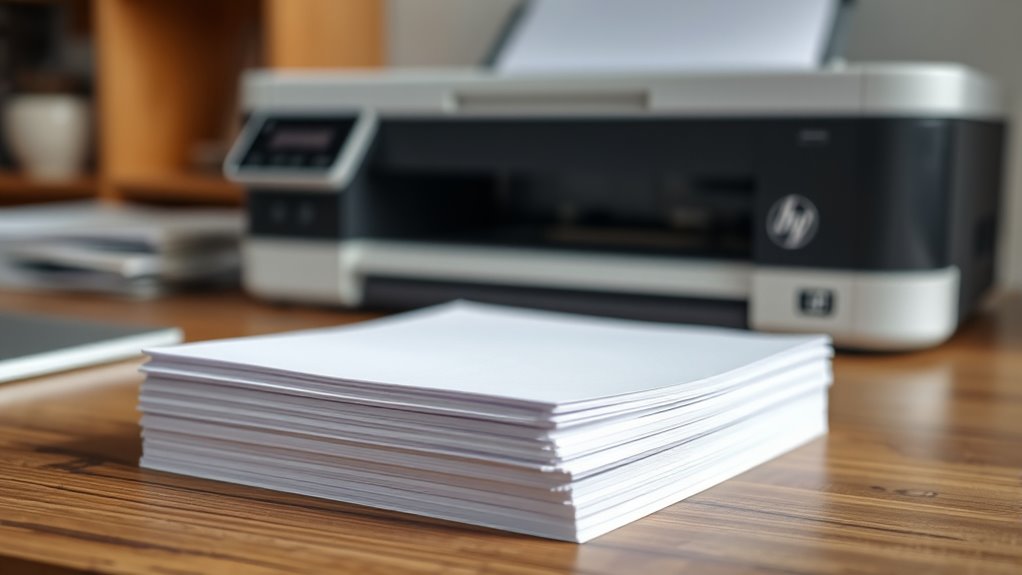
What exactly is copy paper, and why do you need it? Copy paper is a type of paper designed primarily for everyday use in copiers and multifunction printers. When you need to make quick, reliable duplicates of documents or print standard text, copy paper is your go-to choice.
It’s made to handle high-speed copying without jamming or smudging, ensuring your copies come out clean and readable. You’ll find it in offices, schools, and homes because it balances quality and affordability perfectly.
Copy paper isn’t meant for specialized printing tasks or high-resolution images; instead, it performs best with straightforward text and simple graphics. Understanding its purpose helps you pick the right paper for your daily printing and copying needs.
Characteristics of Printer Paper
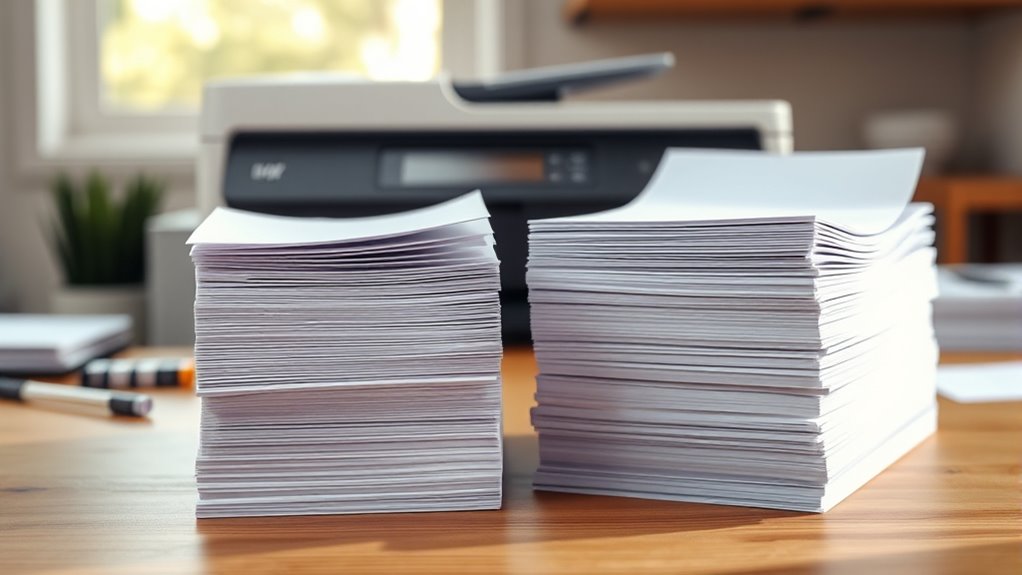
When choosing printer paper, you’ll notice it usually has a heavier weight and thicker feel compared to copy paper.
The surface finish also plays a big role, as a smoother texture helps your printer produce sharper images and text.
Understanding these characteristics can help you pick the best paper for your printing needs.
It’s all about getting the right feel and finish so your prints come out looking great every time.
Paper Weight and Thickness
Although paper weight and thickness might seem similar, they play distinct roles in how printer paper performs. When you pick printer paper, weight refers to the mass of a ream (usually 500 sheets) measured in pounds or grams per square meter (gsm).
Heavier paper generally feels sturdier and resists jams better. Thickness, or caliper, is the actual measurement of the paper’s depth, usually in mils or microns. This affects how it feeds through your printer and its opacity.
You’ll find typical copy paper around 20 lb (75-80 gsm) and about 4 mil thick, while higher-quality printer paper might be heavier and thicker. This provides better support for ink and prevents bleed-through.
Understanding these differences helps you choose paper that matches your printing needs for sharp, reliable results. So, it’s worth knowing what works best for your printer and projects!
Surface Finish and Texture
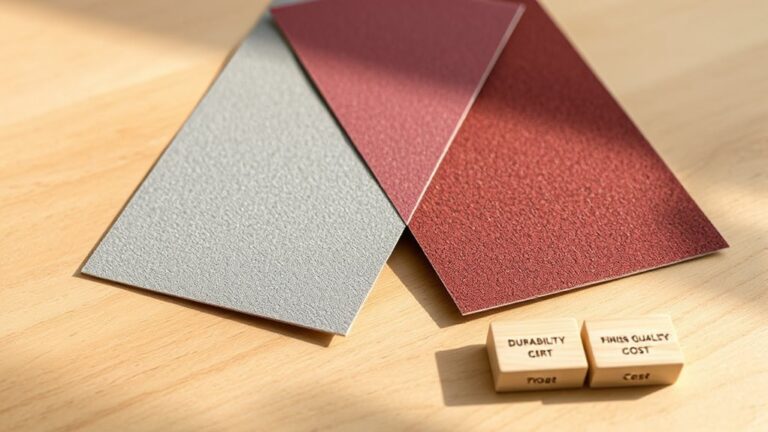
Beyond weight and thickness, the surface finish and texture of printer paper greatly influence print quality and handling. When you pick paper with a smooth finish, your printer ink spreads evenly, producing sharp, vibrant images and text.
On the other hand, a rougher texture absorbs ink differently, which can affect clarity and drying time. You’ll want to contemplate these qualities based on what you’re printing—photos, documents, or labels.
| Surface Finish | Texture Effect |
|---|---|
| Glossy | Sharp images, vibrant color |
| Matte | Reduced glare, smooth feel |
| Textured | Unique look, slower drying |
Choosing the right surface finish ensures your prints look professional and handle well during use. It’s definitely worth taking a moment to match the paper finish to your project.
Key Differences Between Copy Paper and Printer Paper
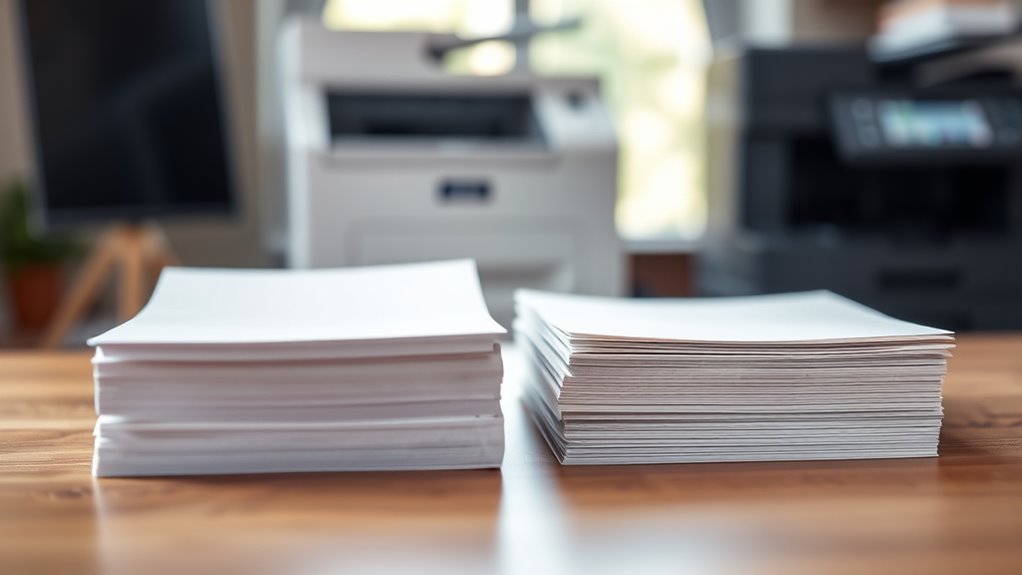
Because copy paper and printer paper serve slightly different purposes, understanding their key differences helps you choose the right type for your needs. Copy paper is designed primarily for everyday use, like printing drafts or making photocopies. It’s usually more affordable and has a basic finish suitable for most office machines.
Printer paper, on the other hand, is optimized for inkjet or laser printers, often featuring a smoother texture and brighter whiteness to enhance print sharpness and color vibrancy. It might also be thicker or have a special coating to prevent ink bleed.
When selecting paper, consider your printer type and the final use of your documents. This way, you guarantee better performance and results without wasting money on unnecessary features.
How Paper Type Affects Print Quality
You’ll notice that the texture of your paper can change how sharp and vibrant your prints look. Different papers absorb ink differently, which affects drying time and color clarity.
Plus, the brightness and whiteness of your paper play a big role in making your images pop or appear dull. It’s pretty interesting how much paper choice can impact the final result!
Paper Texture Impact
Although both copy paper and printer paper serve similar functions, their textures play a vital role in determining the final print quality. When you choose paper, the surface texture affects how sharp and vibrant your prints look.
For example, smoother papers typically provide sharper text and images, as ink sits evenly without feathering. They also have less paper grain interference, which prevents unwanted texture showing through. Plus, smoother papers enhance color consistency, making graphics and photos appear more professional.
If the texture is rough or uneven, your printouts might look blurry or dull. So, while both papers can handle printing tasks, selecting the right texture ensures your documents and images come out crisp and clear every time.
Paying attention to this detail will help you get the most out of your printer’s capabilities. It’s a simple step that makes a big difference in print quality!
Ink Absorption Differences
When you print, the way paper absorbs ink directly influences the sharpness and vibrancy of your final output. Printer paper is designed to absorb ink evenly, preventing smudging and allowing colors and text to appear crisp.
Copy paper, while suitable for everyday use, tends to absorb ink more irregularly, which can cause slight bleeding or dullness. This happens because printer paper usually has a coating that controls ink spread, maintaining print quality.
On the other hand, copy paper’s more porous surface lets ink soak in faster but less uniformly. So, if you want your prints to look sharp and vibrant, especially for images or detailed text, choosing the right paper makes all the difference in how your ink settles and displays.
Brightness and Whiteness
Ink absorption affects not just sharpness but also how colors pop against the paper’s background. When you choose between copy paper and printer paper, brightness and whiteness play a huge role in your print’s vibrancy.
Printer paper usually has higher brightness and a whiter tone, which makes your images and text stand out more clearly. On the other hand, copy paper tends to be less bright and slightly off-white, which can dull colors and reduce contrast.
Here’s what you should keep in mind:
- Brightness: Higher brightness means more light reflects off the surface, enhancing color contrast.
- Whiteness: A whiter paper background makes colors appear truer and sharper.
- Print quality impact: Printer paper’s brightness and whiteness improve overall clarity and color accuracy.
Choosing the right paper really boosts your print’s visual appeal. It’s a simple choice that makes a noticeable difference!
Choosing the Right Paper for Your Printer
Selecting the right paper for your printer guarantees you get the best print quality and avoid jams or smudges. You should consider your printer type—inkjet or laser—as each works best with specific paper coatings and weights.
Choosing the correct paper for your inkjet or laser printer ensures optimal print quality and prevents jams or smudges.
For everyday documents, standard copy paper usually suffices. However, if you print photos or graphics, you might want paper designed for high-resolution output.
Always check your printer’s specifications to find recommended paper weights and finishes. Avoid paper that’s too thick or glossy unless your printer supports it, as this can cause feeding issues.
Also, keep paper stored in a dry place to prevent curling or moisture absorption. By matching your paper choice to your printer’s needs, you’ll ensure smooth operation and sharp results every time.
Impact of Paper Quality on Printer Performance
Paper quality plays a significant role in how well your printer performs. Using the right paper guarantees crisp prints, fewer jams, and longer printer life.
Poor-quality paper can cause smudging, misfeeds, or even damage your printer over time. To get the best results, consider these factors:
- Weight and thickness: Heavier paper reduces curling and jams, providing smoother feeding.
- Surface finish: A smooth finish prevents ink from bleeding, resulting in sharper images and text.
- Brightness and opacity: Higher brightness enhances color vibrancy, while good opacity prevents show-through on double-sided prints.
Conclusion
When you pick up a sheet of paper, imagine it as the canvas for your ideas. Copy paper, plain and sturdy, handles everyday tasks, while printer paper, smoother and brighter, brings your prints to life with sharp detail.
Choosing the right one is like selecting the perfect brush for your masterpiece—each stroke matters.
So, next time you print, let the paper you choose enhance the story you’re telling, making every page truly shine. Understanding the difference between copy paper and printer paper helps you pick the best option for your needs. Copy paper is great for general use, but printer paper’s smoother finish and brightness make it ideal for high-quality prints.
Choosing the right paper can make a big difference in how your documents look and feel. Whether it’s for everyday copying or professional printing, knowing these differences ensures your work always looks its best.