
Is a Pap Smear Painful and How to Manage Discomfort
You might wonder, “Is a Pap smear painful?” Generally, you’ll feel only mild discomfort or brief pressure during the test. It’s usually quick and not painful at all.
However, how it feels can vary based on factors like where you are in your menstrual cycle, how anxious you are, or your personal sensitivity.
To help ease any discomfort, try taking deep breaths and communicate openly with your healthcare provider. Scheduling your Pap smear at a time when you feel most comfortable can also make a difference.
If you do experience pain, don’t hesitate to speak up right away. Staying calm and informed really helps you handle the experience better.
There’s a lot more to learn about making the process smoother and why these routine tests are so important for your health.
What Happens During a Pap Smear

Although the idea of a Pap smear might make you nervous, the procedure itself is quick and straightforward. When you arrive, you’ll lie on an exam table and place your feet in stirrups.
The healthcare provider will gently insert a speculum into your vagina to widen it, allowing clear access to your cervix. Then, they’ll use a small brush or spatula to collect a few cells from your cervix’s surface.
This sample gets sent to a lab to check for any abnormal or precancerous cells. The entire process usually takes just a few minutes.
Being relaxed helps the procedure go smoothly, so try to take slow, deep breaths. You’re in control, and your provider is there to support you throughout.
Common Sensations and Discomforts Experienced
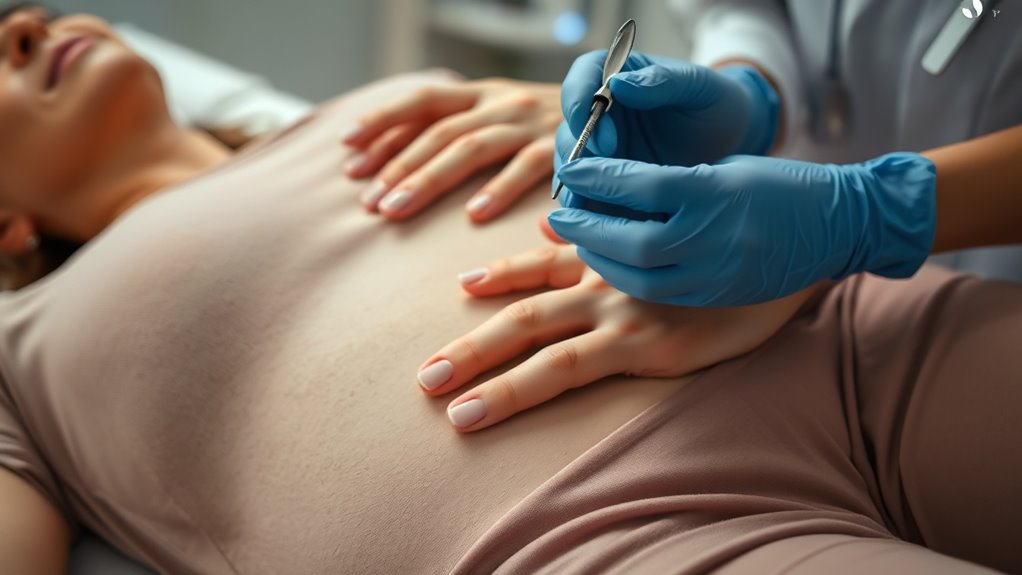
While a Pap smear is generally quick, you might feel some mild discomfort during the procedure. Many people notice a slight pressure when the speculum is inserted to open the vaginal walls.
A Pap smear is quick but may cause mild discomfort and slight pressure from the speculum insertion.
This sensation can feel unusual but usually isn’t painful. You may also experience a brief scraping or pinching feeling when the healthcare provider collects cells from your cervix with a small brush or spatula.
Some describe this as a tickling or mild stinging sensation. It’s common to feel a little cramping, similar to menstrual cramps, which typically fades quickly.
If you feel sharp or intense pain, let your provider know immediately. Remember, these sensations are temporary and part of the process to help keep your reproductive health on track.
Factors That Might Influence Pain Levels

Your pain during a Pap smear can vary based on how sensitive your cervix is. Feeling anxious or tense physically can also make discomfort worse.
Plus, the technique your healthcare provider uses plays a big role in how much pain you might experience. So, it’s a mix of things that can influence how you feel during the exam.
Cervical Sensitivity Variations
Because everyone’s body reacts differently, cervical sensitivity can vary widely during a Pap smear. Your cervix might feel more sensitive depending on factors like your menstrual cycle—right before or during your period, it tends to be more tender.
If you’re pregnant, your cervix is often more delicate, which can increase discomfort. Past infections or conditions like cervical inflammation can also heighten sensitivity.
Additionally, if you’ve had recent sexual activity or douching, your cervix might be more irritated. Hormonal changes, especially during menopause, can cause dryness and make the exam feel uncomfortable.
Understanding these variations helps you prepare mentally and physically. And communicating with your healthcare provider ensures they can adjust their technique to minimize any pain you might experience.
Emotional and Physical Anxiety
Physical factors like cervical sensitivity can affect how a Pap smear feels, but emotional and physical anxiety also play a big role in your pain levels. When you’re anxious or tense, your muscles tighten, making the procedure feel more uncomfortable.
Fear of pain or embarrassment can heighten your awareness of discomfort, amplifying the sensation. To manage this, try to stay calm and relaxed before and during the exam. Deep breathing and positive visualization can help ease your mind.
Consider these points about anxiety’s impact on pain:
- Tension increases muscle tightness, raising discomfort.
- Worry can make you focus more on sensations, intensifying pain.
- Relaxation techniques can reduce perceived pain.
Recognizing anxiety’s effect empowers you to approach the Pap smear with less fear and more control.
Procedure Technique Differences
Although Pap smear procedures follow a general protocol, the technique your healthcare provider uses can considerably affect how much discomfort you feel. Small differences in how they handle instruments or communicate with you can make a big impact.
Here’s a quick look at some factors influencing pain levels:
| Technique Factor | Effect on Discomfort |
|---|---|
| Speculum size | Larger size may cause more pain |
| Speculum warming | Warmed speculum feels gentler |
| Insertion speed | Slow insertion reduces cramps |
| Communication | Clear explanation eases tension |
| Sample collection method | Gentle scraping less painful |
Knowing these can help you discuss your comfort needs with your provider and reduce anxiety during the test. So, don’t hesitate to speak up about what feels best for you.
Tips to Reduce Anxiety and Physical Discomfort
When you prepare yourself mentally and physically, you can considerably reduce anxiety and discomfort during a Pap smear. Start by scheduling your appointment when you’re least stressed and not during your menstrual period.
Preparing mentally and physically helps ease anxiety and discomfort during a Pap smear—choose a low-stress time outside your period.
Wear comfortable clothing to help you feel at ease. It also helps to communicate with your healthcare provider about any concerns beforehand. During the procedure, focus on slow, deep breaths to stay relaxed and reduce muscle tension.
Here are some tips to reduce anxiety and physical discomfort:
- Practice deep breathing or meditation before and during the exam
- Bring a friend for support or distraction
- Ask your provider to explain each step as they go
These strategies can make the experience smoother and less intimidating for you. Give them a try, and you might find it’s not so bad after all!
When to Speak Up During the Procedure
If you feel sharp pain or unusual pressure during your Pap smear, don’t hesitate to speak up right away. It’s important to let your healthcare provider know as soon as discomfort starts so they can adjust the procedure.
Signs to Voice
You should immediately speak up whenever you experience sharp pain, intense discomfort, or unusual sensations during the Pap smear. Your comfort and safety are important, and the healthcare provider can adjust the procedure to reduce any pain.
Don’t hesitate to voice concerns if you notice persistent cramping that worsens suddenly, a burning or stinging feeling that feels abnormal, or pressure that causes you to feel faint or dizzy.
It’s really okay to let them know what you’re feeling. After all, you deserve to feel as comfortable as possible during the procedure.
Timing Your Concerns
Although the Pap smear is usually quick, knowing exactly when to speak up can make the experience much more manageable. If you feel sudden pain or sharp discomfort at any point, don’t hesitate to tell your healthcare provider immediately.
It’s important to voice concerns before the procedure starts, too—let them know if you’re nervous or have had painful experiences before. During the exam, if the speculum feels too cold or causes pressure that’s hard to bear, ask if they can warm it or adjust their technique.
Understanding the Importance of Regular Pap Smears
Since regular Pap smears detect abnormal cervical cells early, they play a crucial role in preventing cervical cancer. You might wonder why sticking to a schedule matters.
The truth is, early detection saves lives by catching changes before they develop into serious issues. By keeping up with your Pap smears, you take control of your health and reduce risk.
Remember these key reasons to prioritize regular screenings:
- Identify cervical abnormalities before symptoms appear
- Enable timely treatment to prevent cancer progression
- Maintain peace of mind through proactive health monitoring
Don’t skip your appointments, even if the test feels uncomfortable. The benefits far outweigh any momentary discomfort, helping you stay healthy and informed.
Conclusion
You might feel a pinch or pressure during your Pap smear, but remember, it’s a quick moment for a lifetime of protection. Like a small key opening peace of mind, this simple test helps catch issues early.
By managing your anxiety and speaking up if something feels off, you take control of your comfort and health. Don’t let fear hold you back—regular Pap smears are your shield for a healthier future.
Pap smear discomfort is usually brief and manageable. To ease any pain, try taking deep breaths or distracting yourself with calming thoughts. Communicating with your healthcare provider can also make the experience smoother.
Ultimately, understanding that a Pap smear is a crucial part of your preventive care can help you face the procedure with confidence. Regular Pap tests not only detect cervical changes early but also empower you to maintain your well-being. So, don’t hesitate—prioritize your health and schedule your Pap smear today for peace of mind and protection.