

How to Understand and Manage Normal Bleeding After a Pap Smear
You might notice light spotting after a Pap smear because the gentle scraping of your cervix can cause minor irritation. This irritation often leads to brief bleeding, which is usually normal and lasts 1-2 days.
The spotting may appear pink or brown.
If the bleeding is heavy, lasts over a week, or causes pain, it’s important to consult a healthcare provider.
To ease discomfort, try resting and avoid sex or tampons for a few days.
Taking these simple steps can help manage the bleeding effectively.
Keep exploring to understand how to manage and prevent it better.
Knowing what to expect after a Pap smear can make the experience less stressful and keep you informed about your cervical health.
What Happens During a Pap Smear That Can Cause Bleeding
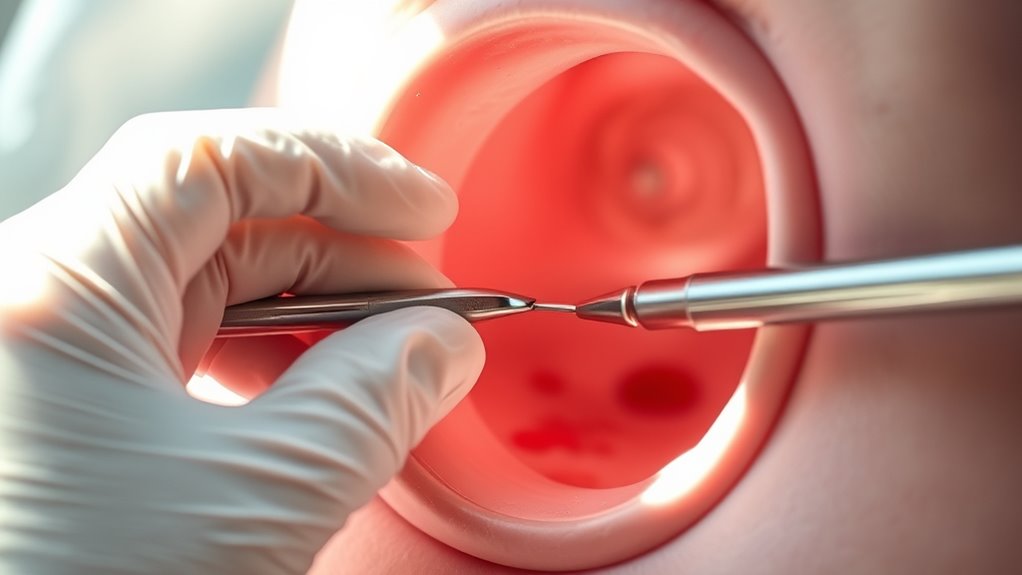
Although a Pap smear is a quick and routine procedure, it can cause slight bleeding because your healthcare provider gently scrapes cells from the cervix. During the test, a small brush or spatula collects cervical cells to check for abnormalities.
This light scraping may irritate the delicate cervical tissue, leading to minor spotting afterward. You might notice a few drops of blood or light pink discharge, which is normal and usually stops within a day.
The cervix is sensitive, so even the slightest touch can trigger mild bleeding. Don’t worry if you feel slight discomfort or cramping during the procedure—these sensations are common.
Just remember, this minor bleeding is a normal part of the process and typically isn’t a cause for concern.
Common Reasons for Spotting After a Pap Smear

You might notice some spotting after your Pap smear, which is usually caused by minor irritation to the cervix during the test. This light bleeding often lasts just a day or two and isn’t typically a cause for concern.
Just keep an eye on how long and how much you bleed. That way, you’ll know when it’s time to reach out to your healthcare provider.
Causes of Post-Test Spotting
Since a Pap smear involves gently scraping cells from your cervix, minor spotting afterward is fairly common and usually nothing to worry about. This slight bleeding happens because the cervix is delicate and can bleed a little when touched or scraped.
Also, your cervix may be more sensitive if you’re menstruating or have recently had sex. Hormonal fluctuations can make your cervical tissue more fragile, increasing the chance of spotting.
Sometimes, the speculum used to hold the vagina open can cause minor irritation or small abrasions, leading to light bleeding. If you have cervical inflammation or infection, your cervix may bleed more easily during the test.
Understanding these causes helps you stay calm if you notice a little spotting after your Pap smear.
Duration and Severity Indicators
While light spotting after a Pap smear is common, the duration and amount of bleeding can help indicate whether it’s normal or if you should seek medical advice.
Typically, spotting lasts for a day or two and involves minimal blood. However, if bleeding extends beyond a week or becomes heavy, it’s important to consult your healthcare provider.
| Duration of Bleeding | Severity Indicators |
|---|---|
| 1-2 days | Light spotting, pink or brown color |
| 3-7 days | Moderate bleeding, small clots |
| More than 7 days | Heavy bleeding, large clots, pain |
Pay attention to these signs—they help you decide when to relax and when to get checked out.
How Long Does Normal Bleeding Typically Last?
You might notice bleeding for a day or two after your Pap smear, which is usually normal. The exact duration can vary depending on factors like your cervical sensitivity or any recent infections.
Understanding what influences this can help you know when to expect the bleeding to stop. It’s good to keep an eye on it and mention any concerns to your healthcare provider.
Typical Bleeding Duration
Although bleeding after a Pap smear can be unsettling, it usually lasts only a short time—typically one to two days. You might notice light spotting or a small amount of blood when you wipe, but it should gradually decrease and stop within this period.
If you pay attention to your body, you’ll see the bleeding isn’t heavy or continuous. Most women experience just a brief, mild bleed that fades quickly, making it manageable without special care.
Keep in mind that the bleeding usually won’t interfere with your daily activities. If it persists beyond two days or worsens, that’s a sign to consult your healthcare provider.
Otherwise, you can expect the bleeding to clear up on its own in this typical timeframe.
Factors Affecting Bleeding
Bleeding after a Pap smear generally lasts one to two days, but several factors can influence how long it persists. Your body’s sensitivity, the procedure’s intensity, and any existing medical conditions play key roles.
For example, if your cervix is more sensitive or inflamed, you might notice bleeding for a longer period. Also, the technique used during the Pap smear can affect bleeding duration.
Here’s a quick overview:
| Factor | Impact on Bleeding Duration |
|---|---|
| Cervical Sensitivity | May prolong bleeding up to 3 days |
| Procedure Intensity | More intense scraping can increase bleeding duration |
| Medical Conditions | Conditions like infections can extend bleeding time |
Knowing these helps you understand what’s normal and when to seek advice. If you notice bleeding lasting longer than expected, it’s a good idea to check in with your healthcare provider.
When to Seek Medical Attention for Post-Pap Smear Bleeding
Even if spotting after a Pap smear is common, it’s important to recognize when the bleeding signals a problem. You should contact your healthcare provider if bleeding is heavy—soaking through a pad within an hour—or lasts more than a few days.
Also, seek medical attention if you experience severe pain, fever, or foul-smelling discharge, as these could indicate infection or complications. If the bleeding occurs weeks after the test or is accompanied by unusual symptoms like dizziness or weakness, don’t overlook it.
Prompt evaluation can rule out serious issues and ensure you receive appropriate care. Trust your instincts; when in doubt, getting checked out is the safest choice to protect your reproductive health.
Tips for Managing Spotting and Discomfort at Home
If you notice light spotting or mild cramping after your Pap smear, you can take simple steps at home to ease your discomfort and manage the symptoms effectively. Start by resting and avoiding heavy lifting or strenuous activities for the rest of the day.
Use a sanitary pad instead of a tampon to absorb spotting and reduce irritation. Applying a warm compress to your lower abdomen can help alleviate cramping.
Stay hydrated and eat nourishing foods to support your body’s healing process. Avoid douching or using vaginal sprays, as these can disrupt your natural balance and worsen irritation.
If discomfort persists beyond a couple of days or spotting increases, monitor your symptoms closely. These tips should help you feel more comfortable as your body recovers.
Preventive Measures for Reducing Bleeding During Future Pap Smears
While some bleeding after a Pap smear is common, you can take specific steps to minimize it during future visits. Being proactive helps reduce discomfort and spotting.
Here are three key preventive measures to contemplate:
- Schedule Wisely: Avoid Pap smears during your menstrual period or when you’re experiencing vaginal infections. These can increase bleeding risks.
- Communicate with Your Provider: Let your healthcare professional know if you bruise easily or have a history of heavy bleeding. They can then use gentler techniques.
- Follow Pre-Appointment Instructions: Refrain from douching, using vaginal medications, or having intercourse 24-48 hours before the test. This helps keep the area less sensitive.
Conclusion
Think of the slight bleeding after a pap smear as a gentle rain—brief, natural, and usually harmless. It’s your body’s way of reminding you it’s healing.
By understanding what’s normal and when to seek help, you can navigate this small discomfort with confidence. Manage it with care, and take preventive steps for future visits.
Just like rain nourishes the earth, this moment supports your health journey—brief but meaningful. Recognizing normal bleeding after a pap smear helps you stay informed and proactive about your reproductive health. If the bleeding lasts longer than expected or is heavy, don’t hesitate to contact your healthcare provider. Taking these simple steps ensures your well-being and peace of mind, making each pap smear a positive part of your routine health care.