
Is the Pap Smear Test Painful?
You might feel mild discomfort or pressure during a Pap smear, but it usually isn’t painful and only takes a few minutes. A Pap smear test is an important screening tool for cervical health, so understanding what to expect can help ease any worries.
Some women experience brief pinching or cramping when the speculum is inserted or when cell samples are collected.
Your pain level can depend on factors like anxiety, timing, or vaginal sensitivity.
Preparing ahead and using relaxation techniques can help ease any unease.
Keep going to discover helpful tips and when you should talk to your healthcare provider.
What Happens During a Pap Smear Test

Before the test begins, your healthcare provider will ask you to lie on an exam table and place your feet in stirrups. This position helps them access your cervix comfortably.
They’ll gently insert a speculum into your vagina to hold it open, giving a clear view of the cervix. Next, they use a small brush or spatula to collect cells from the cervix’s surface. This sample is essential for detecting any abnormalities or infections.
After collecting cells, the provider carefully removes the speculum. The entire process usually takes just a few minutes.
Knowing each step helps you stay calm and prepared, ensuring the test goes smoothly. This straightforward procedure plays a key role in maintaining your reproductive health.
Common Sensations Experienced During the Test

You might feel mild discomfort or pressure during the Pap smear test, but most people find it tolerable. Sensations can vary depending on your body and the examiner’s technique.
Understanding these common feelings can help you feel more prepared. It’s totally normal to have questions or feel a bit uneasy before the test. Just remember, it usually doesn’t last long!
Typical Discomfort Levels
Although experiences vary, most people feel only mild discomfort during a Pap smear test. You might notice some pressure or a brief pinch when the speculum is inserted, but it usually doesn’t last long.
Mild cramping or a scraping sensation as cells are collected is common but tolerable.
Here’s a quick look at typical discomfort levels:
| Sensation | Intensity | Duration |
|---|---|---|
| Pressure | Mild | Seconds |
| Pinching | Mild to moderate | Brief |
| Cramping/Scraping | Mild | A few seconds |
Physical Sensation Variations
Since each person’s body responds differently, the physical sensations during a Pap smear can vary widely. You might feel a quick pinch or slight pressure when the speculum is inserted, but for others, it could be entirely painless.
Some experience mild cramping similar to menstrual cramps, while others notice a cold sensation from the instruments. You may feel a brief scraping or brushing during sample collection, which can cause minor discomfort but usually isn’t painful.
If you’re tense or anxious, your muscles might tighten, making sensations feel more intense. Remember to breathe deeply and try to relax, as this can ease any discomfort.
Factors That Can Influence Discomfort Levels
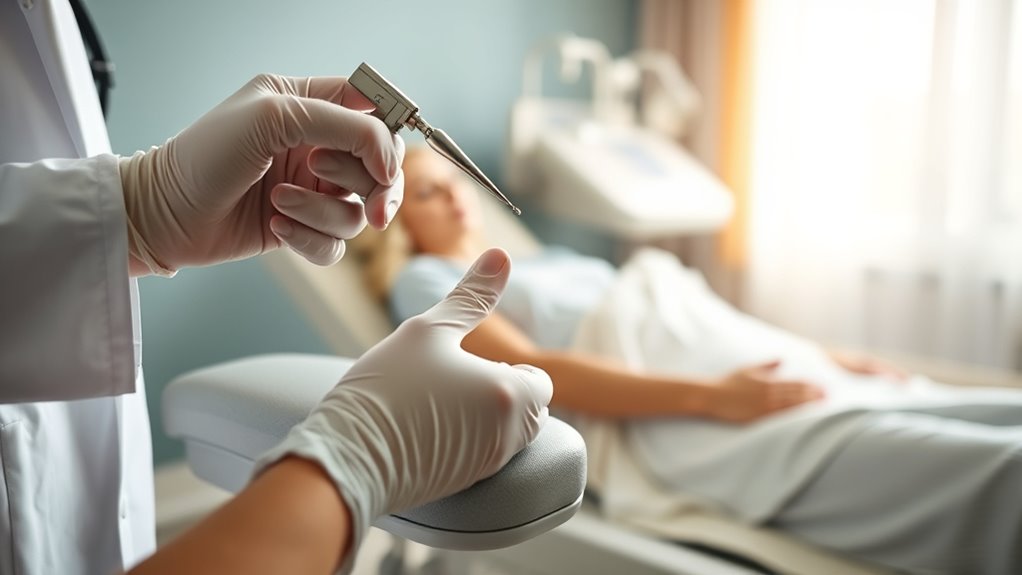
While some people breeze through a Pap smear with little trouble, others may experience varying levels of discomfort due to several factors. Your pain tolerance plays a big role—if you’re more sensitive, you might feel more discomfort.
Stress or anxiety can also heighten your perception of pain, making the procedure feel worse. If you’re experiencing vaginal dryness or inflammation, the speculum insertion can be more uncomfortable.
Timing matters too; if you’re on your period or have an infection, sensitivity can increase. Lastly, the skill and technique of your healthcare provider impact how much discomfort you feel.
Knowing these factors helps you understand why your experience may differ from others and reminds you that feeling some discomfort is normal but usually brief.
How to Prepare for a Pap Smear
Before your Pap smear, choose a time when you’re not on your period for the most accurate results. Schedule your appointment accordingly and wear comfortable, easy-to-remove clothing.
These simple steps can help make the process smoother and less stressful for you. It’s all about making sure you feel as comfortable as possible!
Scheduling and Timing
Although scheduling a Pap smear might seem straightforward, choosing the right time can make the experience more comfortable and accurate.
Ideally, you should book your test when you’re not menstruating, as blood can interfere with the results. Avoid scheduling during or right after your period.
Here’s a quick guide to timing your appointment:
| Best Time to Schedule | Reason |
|---|---|
| 10-20 days after period | Least likely to have blood |
| Mid-cycle (day 10-14) | Ideal hormonal balance |
| Avoid during menstruation | Blood can affect test accuracy |
| Post-intercourse wait 24h | Reduces irritation for comfort |
Picking the right time helps ensure your Pap smear is as smooth and dependable as possible.
What to Wear
Choosing the right time for your Pap smear sets the stage for a smoother experience, and what you wear can make a big difference in your comfort during the test.
Opt for loose, comfortable clothing like a skirt or pants with an elastic waistband. This makes undressing easier and helps you feel at ease.
Avoid tight jeans or complicated outfits that might increase anxiety or prolong changing time. Wearing underwear is fine, but you’ll likely be asked to remove it during the exam.
Bring a pair of clean, comfortable underwear to change into afterward if you prefer. Dressing simply and comfortably lets you focus on the appointment itself, reducing stress and making the whole process feel less intimidating.
Tips for Reducing Anxiety and Pain
When you prepare both mentally and physically, you can considerably reduce anxiety and discomfort during a Pap smear. Start by practicing deep breathing to calm your nervous system.
Distracting yourself with music or conversation can shift your focus away from the procedure. Remember, communicating your concerns with your healthcare provider helps them make the experience more comfortable.
| Tip | Benefit |
|---|---|
| Deep breathing | Lowers stress and muscle tension |
| Bring a friend | Provides emotional support |
| Ask questions | Clarifies the process, eases fear |
When to Talk to Your Healthcare Provider About Pain
If you experience significant pain during or after a Pap smear, you should talk to your healthcare provider promptly. It’s important not to dismiss discomfort that feels abnormal or persistent.
Here are key situations when you should reach out:
- Pain is sharp or intense during the test.
- Discomfort continues for more than a day afterward.
- You notice unusual bleeding or spotting.
- You feel pain unrelated to anxiety or muscle tension.
Communicating these symptoms helps your provider determine if there’s an underlying issue or if adjustments can make future tests more comfortable. Don’t hesitate to share your concerns.
Your healthcare provider’s goal is to ensure your safety and ease throughout the process. So, speak up whenever something doesn’t feel right.
Conclusion
Getting a Pap smear might feel like steering unfamiliar waters, but it’s usually quick and manageable. While some discomfort is normal, it shouldn’t feel overwhelming or painful.
By preparing yourself and communicating openly with your healthcare provider, you can ease both anxiety and physical sensations. Remember, this simple test is a powerful tool for protecting your health.
Don’t let fear keep you from sailing smoothly through this important check-up. A Pap smear is essential for early detection of cervical changes and preventing serious issues. So, stay calm, ask questions, and know that this test is designed with your wellbeing in mind. Taking this step helps you stay on top of your health journey with confidence.