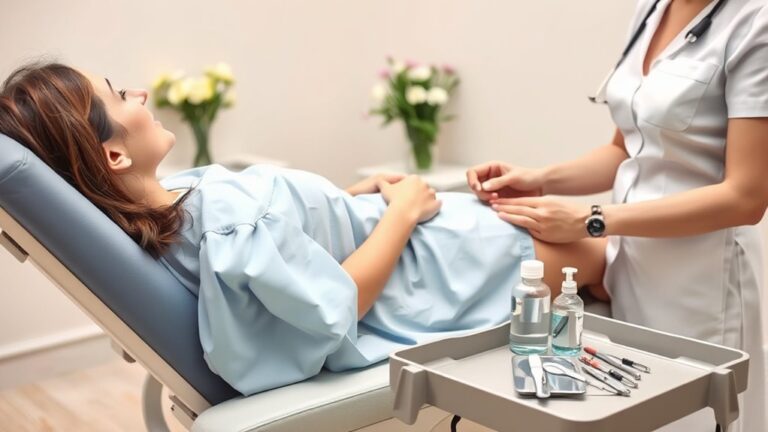
Do Pap Tests Check for STDs?
Pap tests primarily check for abnormal cervical cell changes and HPV, a virus linked to cervical cancer. They don’t directly test for most STDs like chlamydia, gonorrhea, or herpes.
While Pap tests are important for cervical health, they aren’t designed to detect the full range of sexually transmitted infections.
Sometimes, a Pap test might hint at certain infections, but to be sure, you’ll need specific STD tests. These targeted tests can accurately identify infections that Pap tests might miss.
If you want to stay on top of your sexual health, it’s important to know which tests to get and when. Interested in how that works?
What Is a Pap Test?
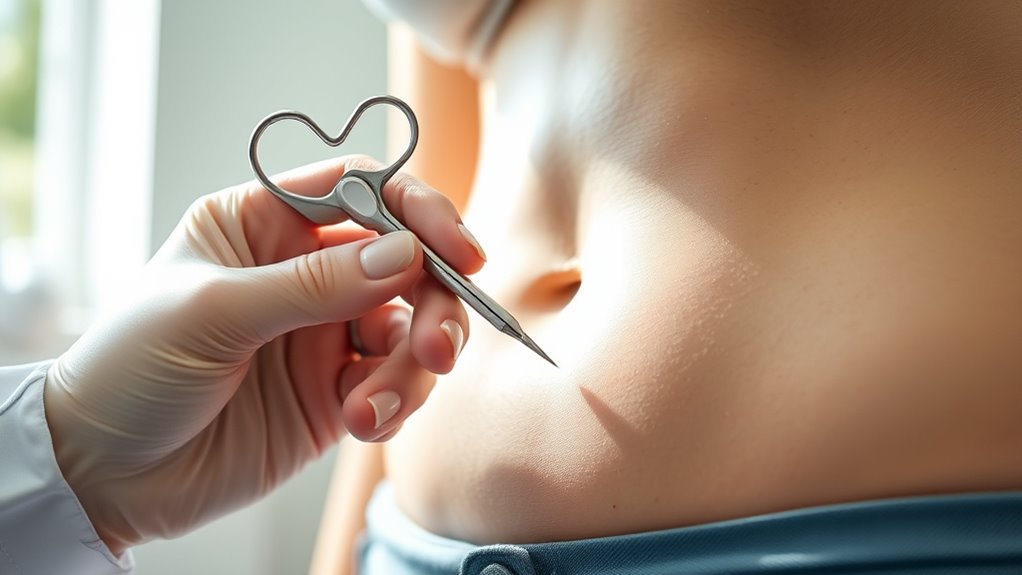
What exactly is a Pap test? It’s a simple screening procedure your healthcare provider uses to check the health of your cervix. During the test, they gently collect cells from your cervix using a small brush or spatula.
A Pap test is a quick, simple procedure to collect cervical cells and check their health.
This sample is then sent to a lab for examination under a microscope. The goal is to identify any abnormal changes in your cervical cells before they develop into something more serious.
You might feel a bit of discomfort, but the whole process is quick—usually just a few minutes. Pap tests are recommended regularly for people with a cervix, starting around age 21.
They’re vital for maintaining cervical health, but it’s important to know that the test itself doesn’t screen for sexually transmitted infections.
How Do Pap Tests Detect Cervical Abnormalities?
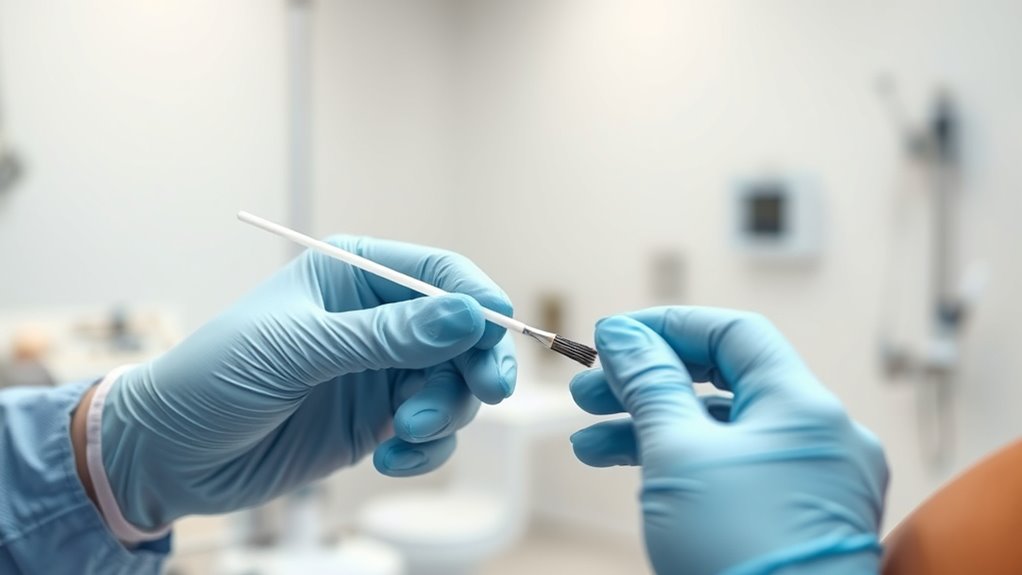
Although Pap tests don’t diagnose STDs, they play a crucial role in detecting cervical abnormalities by collecting cells from your cervix and examining them for changes that could indicate precancerous or cancerous conditions.
During the procedure, your healthcare provider gently scrapes cells from the cervix’s surface. These cells are then spread on a slide or placed in a liquid medium and sent to a lab.
Lab technicians analyze the sample under a microscope, looking for abnormal cell shapes, sizes, or arrangements. Detecting these irregularities early allows your provider to recommend further tests or treatments before any serious issues develop.
Can Pap Tests Identify Sexually Transmitted Diseases?
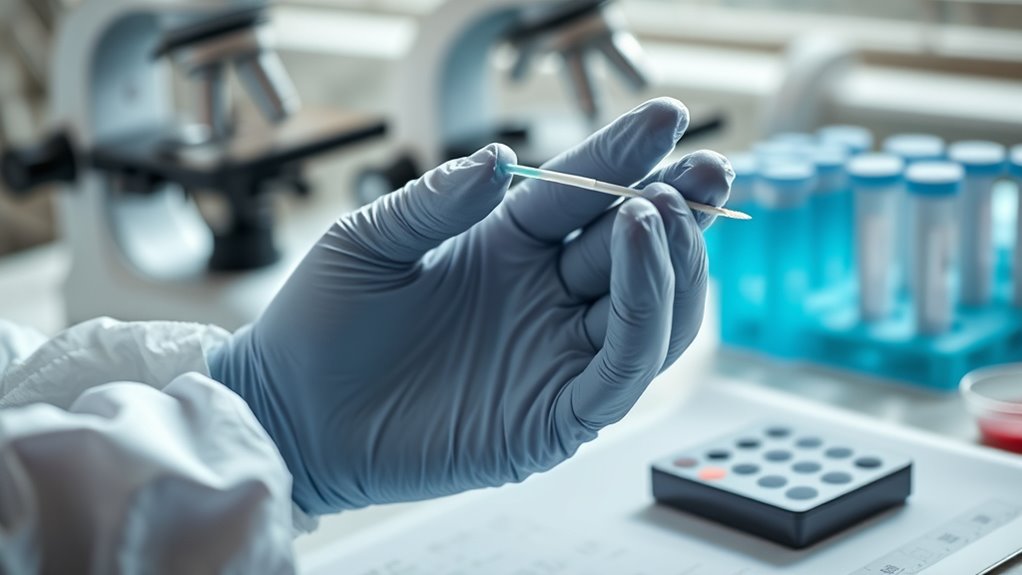
While Pap tests focus on detecting cervical cell changes, you might wonder if they can also spot sexually transmitted diseases (STDs). Primarily, Pap tests screen for abnormal cervical cells that could indicate precancerous conditions or cervical cancer.
However, during the examination, your healthcare provider might notice signs of certain infections, including some STDs. In some cases, the lab may detect the presence of human papillomavirus (HPV), a virus linked to cervical cancer.
Still, Pap tests are not designed to diagnose most STDs directly. If you’re concerned about infections like chlamydia, gonorrhea, or herpes, you’ll need specific tests targeting those pathogens.
Common STDs Not Detected by Pap Tests
Which common STDs won’t show up on a Pap test? While Pap tests screen for cervical cell changes and HPV, they don’t detect many other common STDs.
For example, chlamydia and gonorrhea—two bacterial infections—won’t appear on a Pap test. You also won’t catch herpes (HSV), syphilis, or trichomoniasis through this test.
These infections require specific tests, usually involving urine samples, blood tests, or swabs from affected areas. If you’re worried about any symptoms or potential exposure, it’s a good idea to ask your healthcare provider for targeted STD testing.
Relying solely on Pap tests won’t give you the full picture of your sexual health or detect many treatable infections. So, don’t hesitate to get the right tests if you think you might need them.
When Should You Get Tested for STDs Separately?
You should get tested for STDs separately if you notice symptoms like unusual discharge, pain, or sores. Timing matters, so testing soon after potential exposure is important.
Even without symptoms, routine screening based on your risk factors helps keep you healthy. It’s always better to be safe and stay on top of your sexual health.
Timing for STD Testing
Since Pap tests primarily screen for cervical cancer, they don’t check for most STDs. So, you’ll need separate testing to know your status.
Timing your STD tests is super important to get accurate results and keep yourself healthy. Ideally, get tested after any unprotected sex or if you have a new sexual partner. This helps catch infections early.
Also, consider the incubation period of specific STDs. For many infections, this is usually 1-3 weeks after exposure.
If you have ongoing risk factors, like multiple partners or inconsistent condom use, getting tested regularly is a smart move.
Keep in mind, testing too soon after exposure can give false negatives because the infection might not be detectable yet.
Be sure to chat with your healthcare provider about the best time to test based on your sexual history and potential exposures. That way, you stay informed and proactive about your sexual health.
Symptoms Indicating Testing
Wondering when to get tested for STDs separately? If you notice unusual symptoms, don’t wait. Symptoms like itching, burning during urination, unusual discharge, sores, or lumps around your genitals signal it’s time to get tested.
Also, if you experience pain during sex or bleeding between periods, these might indicate an infection. Keep in mind that many STDs don’t show symptoms right away, so even mild or unexpected changes in your body should prompt testing.
If you’ve had unprotected sex or a new partner, testing makes sense regardless of symptoms. Remember, a Pap test won’t catch most STDs, so getting tested independently ensures accurate diagnosis and timely treatment to protect your health.
Routine Screening Recommendations
Recognizing symptoms is important, but routine screening plays a key role in maintaining sexual health, especially when no signs are present. Pap tests don’t check for most STDs, so you should get tested separately based on your risk factors.
The CDC recommends regular screenings if you:
- Are sexually active under 25 years old or have new/multiple partners
- Have a history of STDs or engage in unprotected sex
- Are pregnant or planning pregnancy, to protect both you and your baby
Scheduling routine STD tests helps catch infections early, even without symptoms. Talk openly with your healthcare provider about your sexual history and testing needs to ensure timely and appropriate screenings.
Taking charge of your sexual health means staying informed and proactive beyond just Pap tests. Don’t hesitate to ask questions or share concerns—it all helps you stay on top of your health.
The Importance of Regular Sexual Health Screenings
Why should you prioritize regular sexual health screenings? Because they help you catch infections early, even when symptoms aren’t obvious.
Pap tests don’t check for all STDs, so relying solely on them might leave some infections undetected. By scheduling routine screenings, you protect not only your health but also that of your partners.
Early detection means you can get timely treatment, reducing the risk of complications like infertility or chronic pain. These screenings also give you a chance to discuss safe sex practices and ask questions.
Taking charge of your sexual health empowers you to make informed decisions and maintain overall well-being. Don’t wait for symptoms—regular screenings are a proactive step in staying healthy and preventing transmission.
Conclusion
While Pap tests are essential for spotting cervical abnormalities and preventing cancer, they don’t check for most STDs. You might feel reassured after a Pap test, but that relief can be misleading if you skip dedicated STD screenings.
Don’t let a negative Pap result lull you into a false sense of security. Protect your health fully by getting tested for STDs separately—because knowing one thing doesn’t mean you know everything about your sexual health.
Remember, a Pap test focuses on cervical health and cancer prevention, not on detecting sexually transmitted infections. So, to stay truly informed and safe, make sure you schedule regular STD screenings in addition to your Pap tests. That way, you’re covering all bases and taking control of your sexual health the right way.