

Does a Pap Smear Hurt if You’re a Virgin and How to Prepare
If you’re a virgin, you might wonder, “Does a Pap smear hurt?” It’s totally normal to feel a bit anxious about it. The good news is, a Pap smear might cause some mild pressure or brief discomfort, but it usually isn’t painful.
Your body’s natural tension and anxiety can actually affect how much you feel during the exam.
To prepare, try deep breathing exercises to help calm your nerves. It’s also a good idea to avoid scheduling your appointment during your period, as this can make the process more comfortable. Wearing comfy clothes can help you feel relaxed before and after the test.
Don’t hesitate to talk openly with your healthcare provider about your concerns. They can explain what to expect and help make the experience as smooth as possible.
Keep exploring to understand what happens during a Pap smear and how to make it comfortable for you.
Understanding the Purpose of a Pap Smear

Although you might feel anxious about the procedure, understanding the purpose of a Pap smear can help ease your concerns. A Pap smear screens for abnormal cells in your cervix, which can prevent cervical cancer if caught early.
It’s a simple test that helps detect changes before they turn into something serious. Even if you’re a virgin, getting a Pap smear is important when your healthcare provider recommends it, as it checks the health of your cervix.
Knowing this test helps protect your reproductive health might make the idea less intimidating. Remember, the goal is prevention and early detection, giving you peace of mind and control over your health.
You’re taking a proactive step in caring for yourself.
What Happens During a Pap Smear Appointment
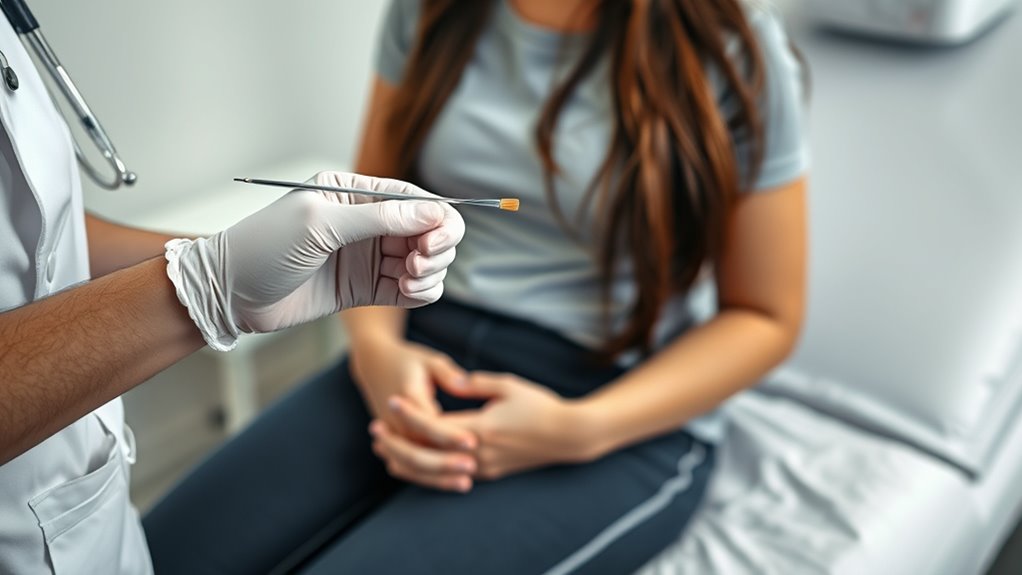
Now that you understand why a Pap smear is important, let’s look at what actually happens during the appointment. When you arrive, the nurse or doctor will ask you to undress from the waist down and lie on an exam table with your feet in stirrups.
They’ll gently insert a speculum into your vagina to hold it open, allowing them to see your cervix clearly. Using a small brush or spatula, they’ll collect cells from your cervix’s surface. This process usually takes just a few seconds.
After the sample is taken, the speculum is removed, and you can get dressed. The collected cells are then sent to a lab for analysis to check for any abnormalities or signs of infection.
Common Sensations and Discomforts Experienced

While everyone’s experience varies, you might feel some pressure or mild discomfort during a Pap smear. When the speculum is gently inserted, you may notice a sensation of fullness or slight stretching. This is normal as your cervix is being accessed.
Some find the scraping or swabbing to collect cells a bit uncomfortable, but it usually only lasts seconds. You might feel a brief pinch or tickle, but intense pain is uncommon. If you tense up, discomfort may increase, so try to relax your muscles as much as possible.
After the procedure, you could experience light spotting or cramping, similar to mild menstrual cramps, which typically fade within a day. Remember, these sensations are temporary and part of ensuring your reproductive health.
Factors That May Affect Pain Levels for Virgins
Your experience during a Pap smear can vary based on several factors, especially if you’re a virgin. Pain levels might depend on your body’s natural response, anxiety, and how relaxed you are during the exam.
The size and type of speculum used can also influence comfort. Additionally, any underlying medical conditions or vaginal muscle tightness may play a role.
| Factor | How It Affects Pain Level |
|---|---|
| Anxiety | Increases muscle tension, causing discomfort |
| Speculum size/type | Larger or unfamiliar types may cause more pressure |
| Vaginal muscle tone | Tight muscles can make insertion more uncomfortable |
| Medical conditions | Infections or sensitivities can heighten pain |
Knowing these can help you understand your body’s reactions better. It’s totally normal to feel a bit nervous, but being aware of these factors might make the experience a little easier.
Tips to Prepare Mentally and Physically for the Exam
Even if you feel nervous, preparing both mentally and physically can make your Pap smear experience smoother and less stressful. Start by learning what to expect during the exam to reduce anxiety.
Try practicing deep breathing or meditation beforehand to calm your mind. It really helps to ease those jitters.
Physically, avoid scheduling your test during your period, as this can complicate the process. Also, wear comfortable clothing that’s easy to remove.
Don’t forget to empty your bladder before the appointment to feel more relaxed. You might want to try pelvic floor exercises regularly—they can reduce muscle tension and make the exam less uncomfortable.
Arriving early gives you time to settle in and focus on your breathing. And remember, it’s totally okay to pause and take breaks if you need to during the exam.
These steps will help you approach your Pap smear with confidence. You’ve got this!
How to Communicate Comfort Needs With Your Healthcare Provider
Feeling prepared mentally and physically sets a solid foundation, but speaking up about your comfort during the exam can make a big difference too. Before the Pap smear, tell your healthcare provider if you’re nervous, a virgin, or worried about pain.
Don’t hesitate to ask questions about each step so you know what to expect. During the exam, let them know if you feel uncomfortable or need a break.
You can ask them to explain what they’re doing or to pause if you need a moment. Remember, your provider’s goal is to help you feel safe and relaxed.
Being honest about your feelings helps them adjust their approach and support you better throughout the process. Your comfort matters—don’t be afraid to speak up.
Conclusion
Getting a Pap smear for the first time might feel like stepping into uncharted waters, especially if you’re a virgin. But remember, it’s a simple, quick check that helps keep your health ship steady.
By preparing yourself mentally and communicating openly with your healthcare provider, you can ease any discomfort and face the exam with confidence. Think of it as a small ripple in your wellness journey—brief, manageable, and totally worth it.
If you’re wondering, “Does a Pap smear hurt if you’re a virgin?” the answer is usually no, or just a little bit of mild discomfort. The procedure is gentle, and healthcare providers are trained to be sensitive, especially with first-timers.
To prepare, try to relax, breathe deeply, and maybe schedule the appointment when you’re not on your period. Wearing comfortable clothing and asking questions can help you feel more in control. Remember, getting a Pap smear is an important step in taking care of your reproductive health, helping to detect any issues early on. So, stay calm, communicate openly, and trust your body—you’ve got this!