
How to Have a Pap Test While Your Period
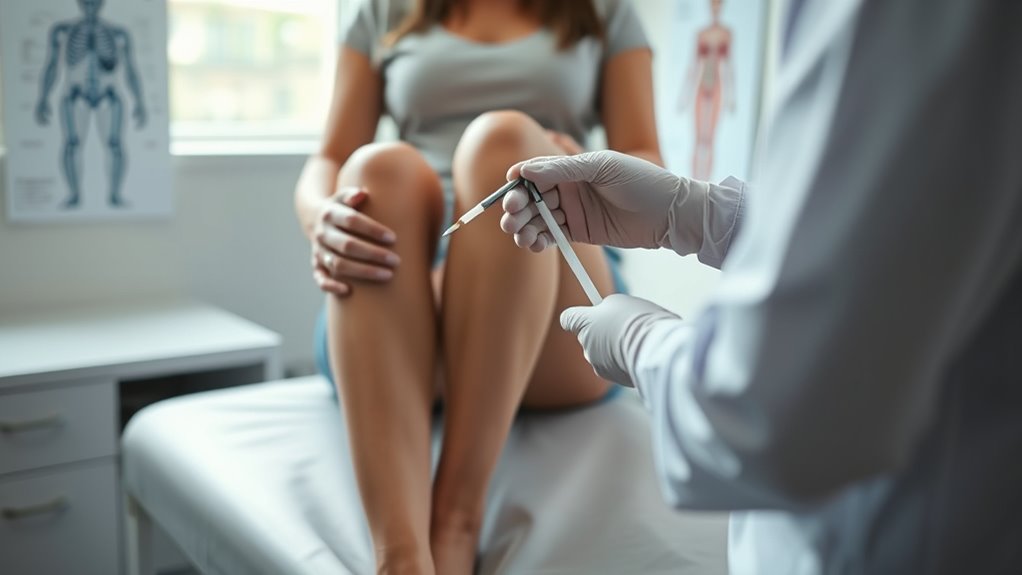
You can have a Pap test during your period, but it’s best to schedule it on a lighter flow day. Using tampons can help minimize bleeding during the test. Make sure to let your healthcare provider know you’re menstruating so they can adjust the procedure if needed.
Feeling comfortable is important, so consider taking pain relievers beforehand and wearing loose clothes. Menstrual blood might slightly affect the test results, but it usually won’t prevent accurate testing.
If you’re wondering how to prepare better for a Pap test during your period or when it might be better to reschedule, keep reading for helpful tips!
Understanding Why Pap Tests Can Be Done During Your Period
Although many people worry that having a Pap test during your period might affect the results, it’s actually safe and often feasible. You might think menstrual blood would interfere with the sample, but skilled healthcare providers know how to collect cells properly even during your period.
The presence of blood doesn’t typically obscure abnormal cells or affect lab analysis. In fact, postponing your test just because of your period isn’t always necessary.
Some clinics even encourage you to come as scheduled to avoid delays in screening. Plus, the cervix remains accessible, and the test’s accuracy generally stays intact.
Understanding this can help you feel more at ease and avoid unnecessary rescheduling when your period coincides with your Pap test appointment.
Preparing for Your Pap Test on Your Menstrual Cycle
You’ll want to time your appointment carefully to fit your menstrual cycle and manage your flow beforehand. It’s important to communicate openly with your healthcare provider about your period so they can accommodate you.
Taking these steps helps make certain your Pap test goes smoothly even during menstruation. Just letting them know can make a big difference.
Timing Your Appointment
Since menstrual blood can affect the accuracy of your Pap test, it’s best to schedule your appointment when your period is light or finished.
Aim for the middle of your cycle, usually about 10 to 20 days after your period starts, when your cervix is less likely to be covered by blood.
If you have irregular periods, try to book your test at a time when you anticipate lighter flow or no bleeding at all.
If you must have the test during your period, just let your healthcare provider know beforehand so they can prepare accordingly.
Planning your appointment with this timing in mind helps guarantee clearer results and minimizes the chance of needing a repeat test.
That way, you save time and stress.
Managing Menstrual Flow
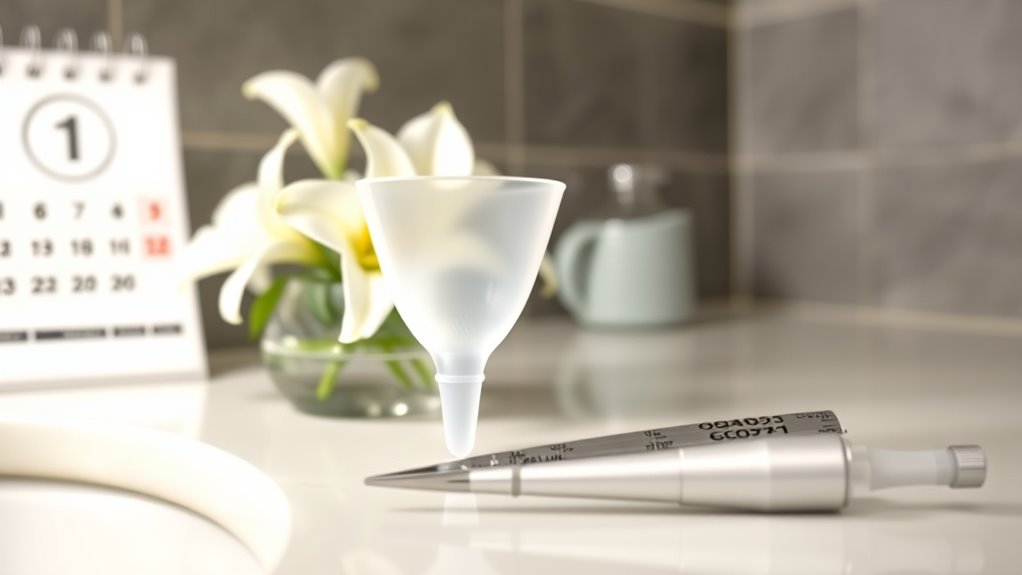
When your period overlaps with your Pap test, managing menstrual flow can help guarantee the procedure goes smoothly. You can use a tampon or menstrual cup to minimize bleeding during the exam.
Avoid using pads, as they may interfere with the sample collection. Keep some clean tampons or cups handy in case you need to change before or after the test.
| Tip | Why It Helps | What to Avoid |
|---|---|---|
| Use a tampon | Keeps the area clear for testing | Pads can block access |
| Change before test | Reduces excess blood flow | Wearing one too long |
| Stay hydrated | Helps you feel comfortable | Caffeine, which can cause cramps |
Managing flow smartly ensures your Pap test is effective and comfortable.
Communicating With Your Provider
Although having your period during a Pap test can feel inconvenient, communicating openly with your healthcare provider guarantees the best experience. Don’t hesitate to inform them about your cycle when scheduling your appointment.
This helps them prepare and decide if they need to adjust the timing or approach. During the visit, let them know you’re on your period so they can take extra care with sample collection and hygiene measures.
If you’re uncomfortable or have concerns, speak up—your provider is there to support you. Clear communication ensures your test results are accurate and your experience is as comfortable as possible.
What to Expect During the Pap Test While Menstruating

You might feel a bit more aware of your body during a Pap test while menstruating, but the procedure itself remains largely the same. When you lie on the exam table, your healthcare provider will gently insert a speculum to open the vaginal walls.
This part may feel slightly different due to menstrual flow, but it’s usually not painful. Then, your provider will use a small brush or spatula to collect cells from your cervix. You might notice some blood mixing with the sample, which is normal.
The process only takes a few minutes. Afterward, your provider will remove the speculum and you can get dressed. The test results will be processed just as they would be if you weren’t on your period.
Tips for Managing Discomfort and Hygiene During the Appointment
You can make your Pap test during your period more comfortable by preparing ahead and managing hygiene carefully. Wearing a fresh pad and bringing extras helps you feel clean and confident.
Simple steps like taking deep breaths and relaxing your muscles can minimize discomfort during the appointment. It really helps to stay calm and remember that the test is quick.
Preparing for the Visit
While having your period during a Pap test can feel uncomfortable, taking a few simple steps can help manage both discomfort and hygiene. Preparing ahead makes the appointment smoother and less stressful.
Before you go, consider these tips:
- Wear comfortable, loose-fitting clothes for easy access and comfort.
- Bring a clean pad or panty liner to use immediately after the test.
- Use pain relievers like ibuprofen about 30 minutes before your visit to reduce cramping.
- Stay hydrated and avoid caffeine to help relax your muscles.
- Communicate openly with your healthcare provider about your period and any discomfort you feel.
It really helps them know what’s going on and can make the experience better for you.
Managing Hygiene Effectively
Although having your period during a Pap test can make managing hygiene feel tricky, simple strategies can keep you comfortable and clean throughout the appointment.
Before you go, use a fresh sanitary pad or tampon to feel confident. If you prefer, bring extra pads or tampons to change right before or after the test.
Wearing dark, breathable underwear helps you stay fresh and worry less about stains. During the appointment, don’t hesitate to ask the healthcare provider for a moment to clean up or adjust your protection if needed.
After the test, change your sanitary product promptly and wash your hands thoroughly. These small steps can help you maintain hygiene without stress, making the experience as smooth as possible.
Minimizing Discomfort Tips
Even if your period is underway, taking a few simple steps can help reduce discomfort during your Pap test. Being prepared and relaxed can make the experience smoother.
Here are some tips to help manage discomfort and maintain hygiene during the appointment:
- Wear a fresh, comfortable pad or tampon before your visit to stay clean.
- Practice deep breathing to ease tension and relax your pelvic muscles.
- Let your healthcare provider know you’re on your period; they can adjust their technique.
- Use gentle wipes to freshen up before the exam without irritating sensitive skin.
- Schedule your appointment at a time when your flow is lighter, if possible.
How Menstrual Blood Affects Pap Test Results
Because menstrual blood can interfere with the accuracy of a Pap test, you might wonder how it affects the results. Menstrual blood can dilute or obscure cervical cells, making it harder for the lab to get a clear sample.
This can lead to inconclusive or less reliable results, potentially requiring a repeat test. Blood may also contain inflammatory cells that can mimic abnormal findings, causing unnecessary concern.
However, if the bleeding is light, your healthcare provider can often still collect an adequate sample. Labs are trained to differentiate between blood and cervical cells, but heavy bleeding increases the chance of interference.
Understanding this helps you communicate openly with your provider about your cycle, so they can decide the best approach to get accurate results despite menstrual blood.
When to Consider Rescheduling Your Pap Test
If your period is heavy or causing discomfort, you should consider rescheduling your Pap test. Heavy bleeding can interfere with the accuracy of the results and make the procedure less comfortable.
Here are situations when rescheduling is a smart choice:
- Excessive menstrual flow that might obscure the sample
- Severe cramps or pelvic pain making the exam difficult
- Recent spotting or irregular bleeding unrelated to your period
- You’ve recently had vaginal infections or treatments
- Your doctor recommends waiting for a lighter phase in your cycle
In these cases, it’s usually better to wait. That way, the test can be more accurate and less uncomfortable for you.
Conclusion
Having a Pap test during your monthly visitor is completely doable, though it might feel a bit more delicate. With the right preparation and mindset, you can breeze through the appointment without much fuss.
Just remember, if the timing feels too challenging or your flow is heavier than usual, it’s perfectly okay to reschedule. Taking care of yourself means choosing what feels best, ensuring your health check remains as comfortable and effective as possible.
So, if you’re wondering how to have a Pap test while your period, know that many healthcare providers can accommodate this. Bringing a panty liner and wearing comfortable clothes can help you feel more at ease. Ultimately, prioritizing your comfort makes the process smoother, and you’ll still be able to keep up with your important cervical health screenings.