How Long Does Paper Mache Take to Dry?
You can expect your paper mache to dry anywhere from 1 hour to 24 hours or more, depending on factors like thickness, layers, temperature, and humidity. Paper mache drying time varies a lot based on these conditions, so it’s good to keep that in mind when planning your project.
Thin layers dry faster—usually around 1-2 hours—while thick or multiple layers can take days to fully dry. Warm, dry conditions and good airflow help speed things up, making your paper mache ready sooner.
On the other hand, damp or cold environments slow the drying process down quite a bit.
If you want to learn how to make your paper mache dry faster and know exactly when it’s fully ready, keep exploring these tips. It’s all about creating the right environment and understanding how your project’s size and layers affect drying time.
Factors Influencing Paper Mache Drying Time
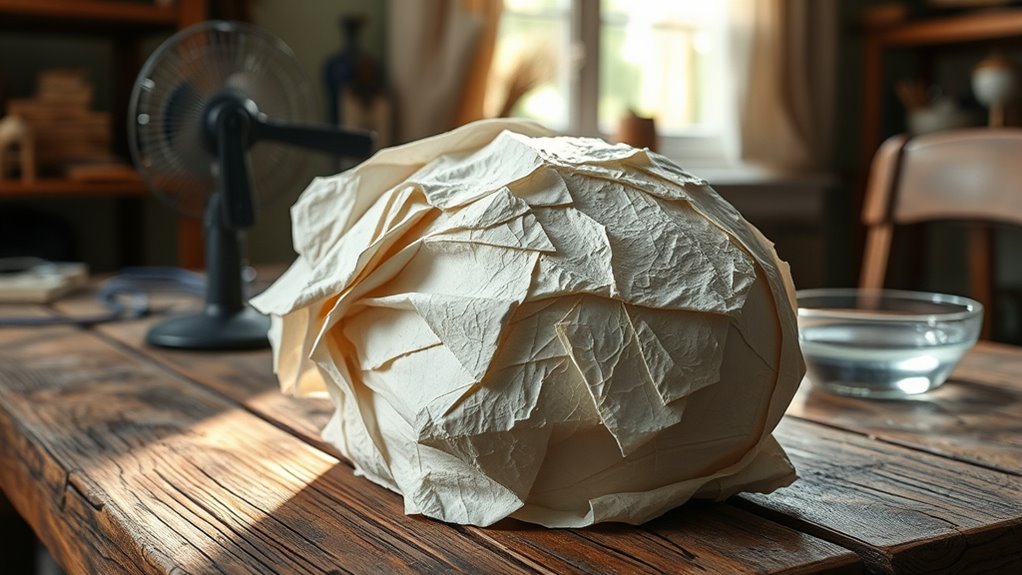
Although drying times can vary, several key factors influence how long your paper mache project will take to dry. First, the type of adhesive you use plays a big role; glue-based pastes often dry faster than flour-based ones.
The thickness of your layers matters too—thicker layers trap moisture, slowing the process. Environmental conditions like temperature and humidity also impact drying speed.
Warm, dry air helps your project dry quicker, while cold or damp surroundings can prolong it. Airflow is another consideration; good ventilation encourages evaporation.
Typical Drying Times for Different Paper Mache Projects
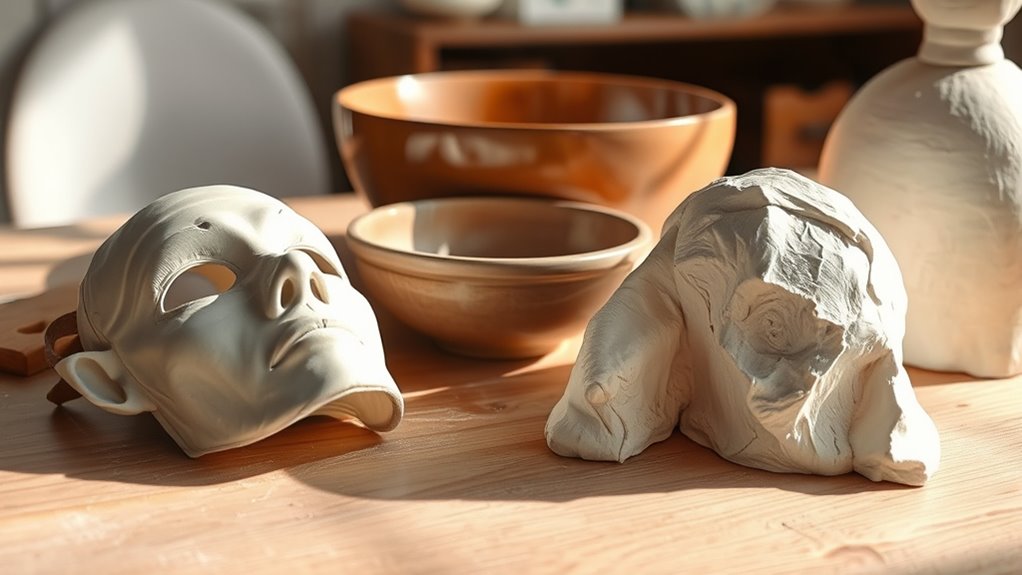
How long your paper mache project takes to dry depends largely on its thickness and the environment around you. Thinner layers can dry in a few hours, while thicker ones might need a day or more.
You’ll also want to take into account factors like humidity and temperature. They can speed up or slow down the drying process, so keep an eye on those!
Drying Times by Thickness
When you work on a paper mache project, the thickness of the layers directly affects how long it will take to dry. Thin layers dry quickly, while thicker layers need much more time to set completely.
Here’s a quick guide to help you estimate drying times based on thickness:
- Single thin layer (about 1/8 inch): Dries in 1-2 hours.
- Medium thickness (1/4 inch): Takes 4-6 hours to dry.
- Thick layers (1/2 inch or more): Require 12-24 hours or longer.
- Very thick or multiple layers: Can take 2-3 days or more to dry fully.
Keep in mind, applying several thin layers and letting each dry is better than one thick layer for durability and drying speed. It just makes the whole process smoother and your project stronger.
Environmental Factors Impact
Besides thickness, environmental factors play a big role in how quickly your paper mache dries. Temperature, humidity, and airflow directly affect drying times.
Higher temperatures speed up evaporation, so working in a warm room helps your project dry faster. However, if it’s too hot, the outer layer may dry too quickly, causing cracks.
Humidity slows drying; if the air is damp, expect longer wait times. Using a dehumidifier or working on dry days can help.
Good airflow also speeds drying by removing moisture from the surface. Placing your paper mache near a fan or open window can make a big difference.
Keep these factors in mind—adjusting your workspace environment lets you control drying times for different paper mache projects effectively.
How Humidity and Temperature Affect Drying Speed
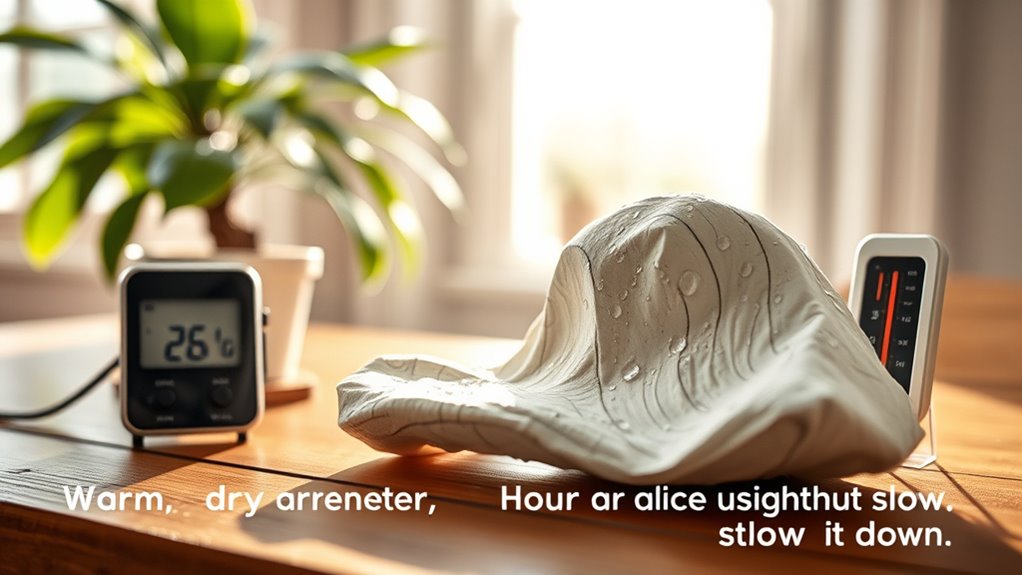
You’ll notice that high humidity can really slow down your paper mache’s drying time by keeping moisture trapped.
When the temperature is low, the drying process drags out because the paste takes longer to set.
To speed things up, aim for a warm, dry environment where your project can dry evenly and quickly.
Impact of High Humidity
Although temperature plays a key role in drying paper mache, high humidity can considerably slow the process by keeping moisture in the air and on your project. When the surrounding air is saturated, water evaporates much more slowly, causing your paper mache layers to remain damp longer.
You might notice that even after hours, your creation feels sticky or soft. To visualize this, imagine thick fog clinging to every surface, trapping moisture. Or wet clothes that refuse to dry on a humid day.
Think about dew settling on leaves early in the morning or steam lingering in a bathroom without ventilation. In these conditions, patience is key.
You might want to use a dehumidifier or move your project to a less humid environment to speed up drying. It really helps to get things moving along faster.
Effects of Low Temperature
When temperatures drop, your paper mache project takes longer to dry because cold air holds less moisture and slows evaporation. The lower heat reduces the energy available for water molecules to escape from the paper and paste.
This means the drying process drags on, increasing the risk of your project remaining damp for days. You’ll notice that in chilly environments, the paper mache feels sticky longer, which can compromise its durability if you try to paint or handle it too soon.
Also, if the temperature is too low, the moisture inside might not evaporate evenly, leading to potential mold growth. To avoid these issues, be mindful of the temperature when drying your paper mache, as colder conditions slow down drying considerably.
Optimal Drying Conditions
Cold temperatures can considerably slow your paper mache’s drying time, but humidity plays an equally important role. To speed things up, you want to create the ideal environment where moisture evaporates quickly without warping your project.
Here’s what you should aim for:
- Warmth around 70-75°F (21-24°C): Keeps the paste drying steadily without cracking.
- Low to moderate humidity (30-50%): Prevents excess moisture in the air from slowing evaporation.
- Good air circulation: A gentle fan or open window helps carry away moisture.
- Indirect sunlight: Provides warmth without overheating or drying unevenly.
Adjusting these factors guarantees your paper mache dries efficiently and evenly. That way, you don’t have to wait days longer than necessary.
Techniques to Accelerate Paper Mache Drying
If you want your paper mache project to dry faster, you can try a few simple techniques that speed up the process without compromising quality. First, use a fan or place your project near a window with good airflow to help evaporate moisture quickly.
You can also gently warm the area with a hairdryer set on low heat, keeping it moving to avoid overheating or warping. Another tip is to apply thinner layers of paper mache; thinner coats dry much faster than thick ones.
Finally, consider working in a room with low humidity and moderate temperature, which naturally accelerates drying. By combining these methods, you’ll cut down drying time and get back to painting or decorating your project sooner.
Signs Your Paper Mache Is Fully Dry
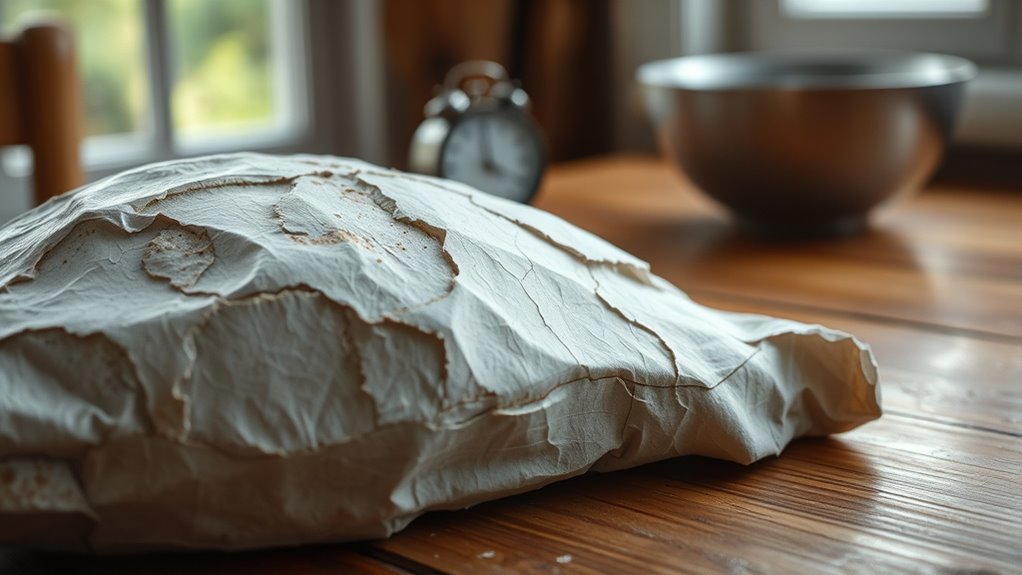
Although drying times can vary, you’ll know your paper mache is fully dry when it feels firm and no longer cool or damp to the touch. Here are clear signs to look for:
- The surface looks matte, not shiny or wet.
- It sounds hollow when gently tapped.
- No dark spots or softness remain anywhere.
- The piece feels lightweight compared to when it was wet.
Make sure to check all sides since some areas might dry slower. If you press lightly and it resists indentation, that’s a good sign it’s ready for painting or decorating.
Taking the time to confirm dryness guarantees your project stays intact and avoids mold or warping later on. Trust these signs, and you’ll know exactly when your paper mache is perfectly dry.
Common Mistakes That Prolong Drying Time
When you apply too many layers at once or use overly thick paper mache paste, you’ll notice your project takes much longer to dry. Another common mistake is not allowing enough airflow around your piece, which traps moisture and slows drying.
Avoid stacking wet projects or placing them in humid or cold areas, as these conditions prolong drying time. Using non-absorbent materials like glossy paper also hinders moisture evaporation.
Additionally, neglecting to remove excess paste from your layers can leave soggy spots that dry unevenly. To speed up drying, apply thin, even layers, work in a warm, well-ventilated space, and be patient, letting each layer dry before adding the next.
These simple adjustments can prevent frustration and ensure your paper mache dries efficiently. Just take it step by step, and you’ll see much better results!
Conclusion
Remember when you left a wet towel on your bed, and it took forever to dry? Paper mache is similar—it needs the right conditions to dry properly.
By controlling humidity, temperature, and using drying techniques, you can speed up the process and avoid soggy results.
With patience and care, your project will be dry and sturdy, ready to shine—just like that towel finally drying under the warm sun after a long wait.
Knowing how long paper mache takes to dry depends on several factors, but with the right environment and a little attention, you can ensure your creation dries efficiently. Proper drying is key to achieving a strong, durable finish, so don’t rush it. Instead, create the ideal conditions, and your paper mache will dry faster and be ready for painting or decorating in no time.