How You Have a Pap Smear While Your Period: A Step-by-Step Guide
You can have a Pap smear during your period by first informing your healthcare provider so they can prepare appropriately. It’s important to communicate openly about your situation, as this helps ensure the procedure goes smoothly. Bring sanitary products with you and wear comfortable clothing to stay at ease throughout the appointment.
The procedure might cause mild discomfort, and having blood present can sometimes affect the clarity of the sample. To minimize contamination, your provider may use special techniques during the test. If the results come back unclear, you might need to schedule a retest.
Following any pre-appointment guidelines your provider gives you can improve the accuracy of your results. Being prepared and informed helps make the whole process more comfortable, so you can manage it smoothly and know your options.
Understanding the Impact of Your Period on Pap Smear Accuracy
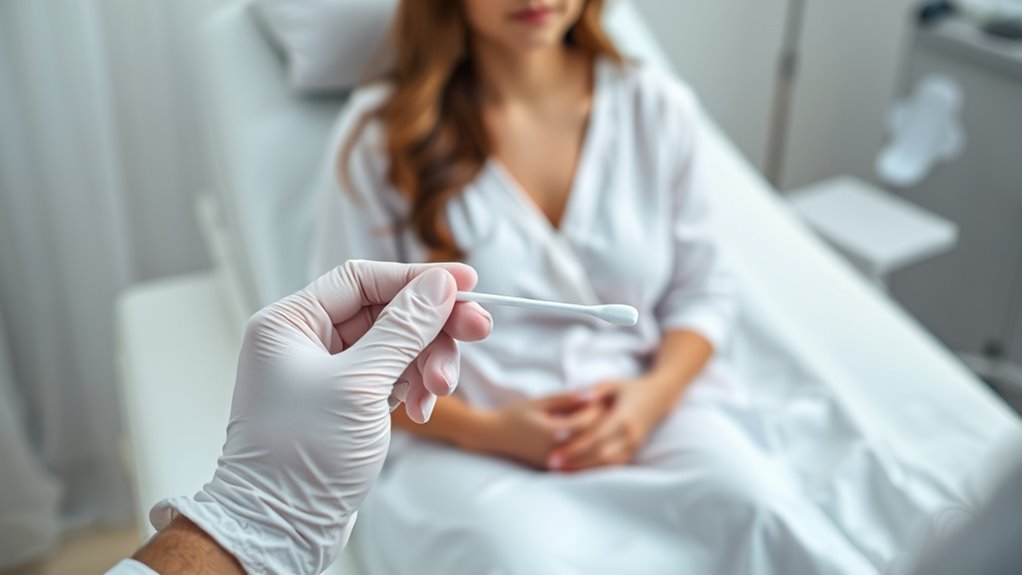
Although having your period during a Pap smear might feel inconvenient, it’s important to understand how it can affect the test’s accuracy. Blood can interfere with the sample’s clarity, making it harder for your healthcare provider to detect abnormal cells.
This might lead to inconclusive results or the need to repeat the test. However, many clinics are equipped to handle Pap smears during menstruation, using techniques to minimize blood contamination.
You should know that while some bleeding is normal, heavy flow might increase the chance of an inaccurate reading. If you’re concerned, discuss your situation with your provider—they can advise whether to proceed or reschedule.
Knowing how your period impacts accuracy helps you make informed decisions about timing your Pap smear. So, don’t hesitate to ask questions and figure out what works best for you.
Preparing Yourself and Gathering Necessary Supplies
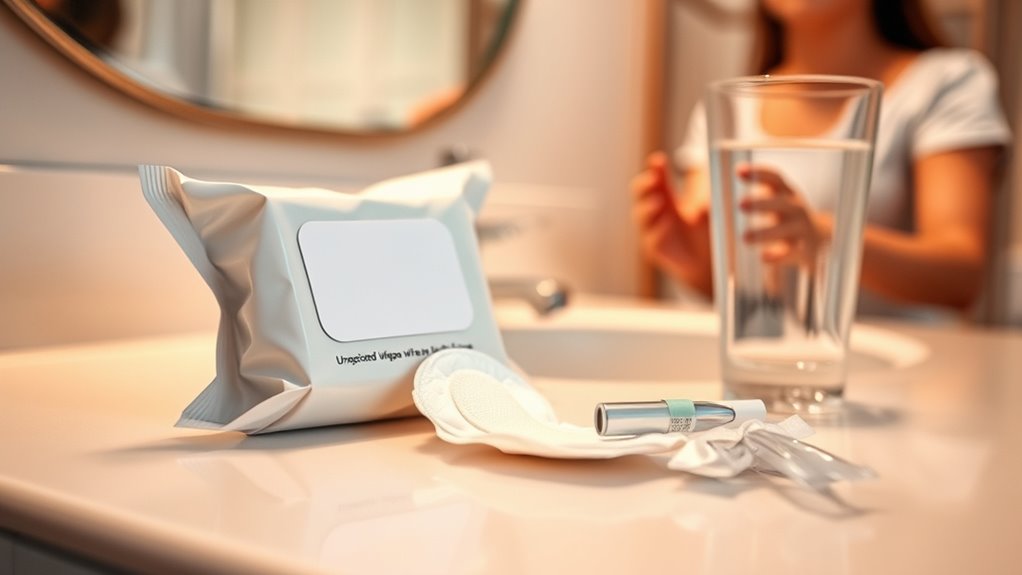
Before your appointment, make sure you have all the necessary items like sanitary pads and comfortable clothing ready.
Keep up with personal hygiene by gently washing the area to feel fresh and confident.
These simple steps will help you prepare smoothly for your Pap smear during your period.
Items to Prepare
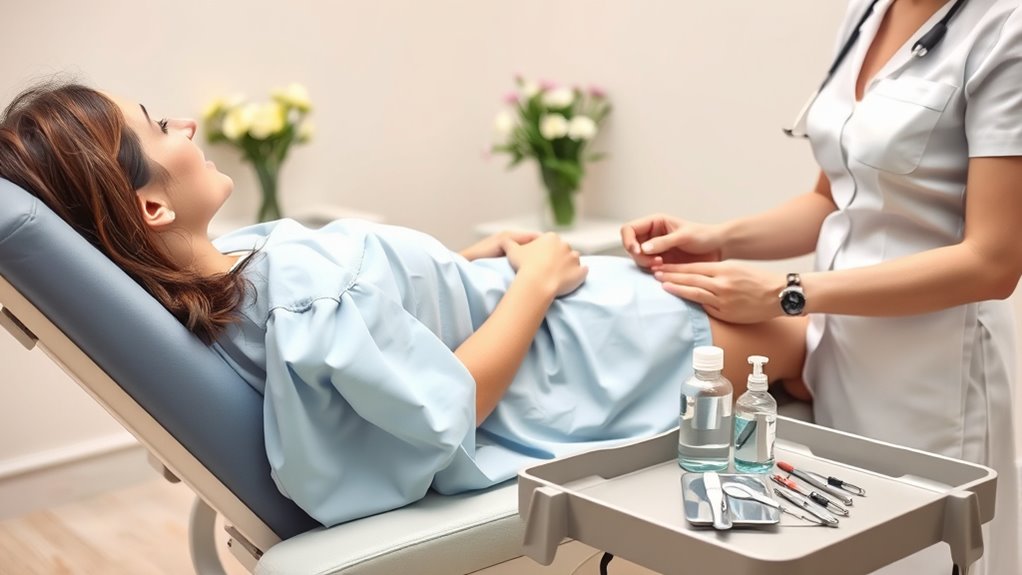
When you plan to have a pap smear during your period, gathering the right items can make the experience smoother and more comfortable. Start by bringing sanitary pads or tampons to manage your flow before and after the appointment.
Pack a small bag with a change of underwear in case of any spotting. Consider carrying wipes or feminine hygiene wipes for quick freshening up.
Don’t forget to bring your health insurance card and any relevant medical documents. If you’re prone to cramps, having a small bottle of pain reliever might help.
Also, wear comfortable clothing that’s easy to remove, like a skirt or loose pants. Preparing these essentials ahead of time lets you focus on the appointment itself without added stress.
Personal Hygiene Tips
Since a pap smear during your period can feel a bit more sensitive, maintaining good personal hygiene is essential to guarantee comfort and accuracy. Before your appointment, make sure you’re clean and prepared to reduce any discomfort or risk of infection.
Focus on gentle cleansing and avoid harsh products that could irritate the area. Here are some personal hygiene tips to follow:
- Take a warm shower and gently wash the genital area with mild, unscented soap.
- Avoid douching or using feminine sprays before the test.
- Wear clean, breathable cotton underwear to your appointment.
- Bring sanitary pads to manage any bleeding post-exam.
- Stay hydrated and relax to ease any tension during the procedure.
These steps help ensure your comfort and a smooth pap smear experience. It’s all about making the process as easy and comfortable for you as possible!
Scheduling Your Appointment and Informing Your Healthcare Provider
Although some healthcare providers prefer scheduling Pap smears outside of your period, you can still have the test done during menstruation by clearly informing your provider ahead of time.
When you book your appointment, mention that you expect to be on your period and want to proceed with the Pap smear regardless. This helps your healthcare provider prepare for any adjustments needed during the exam.
If possible, ask whether their clinic has specific protocols for testing during menstruation. Being upfront also allows them to schedule extra time if needed and advise you on any additional steps to ensure an accurate sample.
What to Expect During the Pap Smear Procedure on Your Period
Before your Pap smear, you’ll want to follow some simple preparation tips to stay comfortable.
During the procedure, you might feel mild pressure or cramping, which is normal.
If you experience discomfort, there are ways to manage it effectively throughout the exam.
Preparation Tips
When you go for a pap smear during your period, knowing what to expect can help you feel more at ease. Preparing properly guarantees the procedure goes smoothly despite your cycle.
Here are some tips to get ready:
- Wear comfortable clothing for easy access.
- Bring a sanitary pad to use afterward.
- Avoid using tampons, douches, or vaginal creams 24 hours before your appointment.
Also, stay hydrated and empty your bladder before the exam.
Don’t forget to inform your healthcare provider that you’re on your period when you check in.
These steps help your provider collect a clear sample and keep you comfortable. Being ready also reduces anxiety, so you can focus on your health without extra worry.
Procedure Sensations
Since your body is already sensitive during your period, you might notice a bit more discomfort than usual during the pap smear. But don’t worry, the procedure itself remains quick and manageable.
You’ll lie back while the doctor gently inserts a speculum to open the vaginal walls. This may feel a bit colder or more uncomfortable than usual.
Then, a small brush or spatula collects cells from your cervix. You might experience slight pressure or mild cramping, but it’s brief.
| Sensation | Description | Duration |
|---|---|---|
| Speculum Insertion | Cold, slight pressure | A few seconds |
| Cell Collection | Mild scraping, light discomfort | Less than a minute |
| Cramping | Mild, similar to menstrual cramps | Brief |
| Overall Feeling | Slightly heightened sensitivity | Quick procedure |
Managing Discomfort
Although having a pap smear during your period might cause a bit more sensitivity, you can take simple steps to ease discomfort and stay relaxed throughout the procedure. Remember, the healthcare provider is experienced and will do their best to minimize any pain or awkwardness.
To help you manage discomfort, try these tips:
- Breathe deeply and steadily to calm your nerves.
- Empty your bladder beforehand to reduce pressure.
- Wear comfortable clothing for easy access.
- Communicate openly with your provider if you feel pain.
- Bring a small pad or panty liner for post-exam cleanliness.
Tips to Minimize Discomfort and Maintain Hygiene
To minimize discomfort and maintain hygiene during your pap smear, you should take a few simple steps beforehand. First, shower or wash your genital area gently to feel fresh and clean. Avoid using douches or scented products, as they can irritate sensitive tissues.
Wear a clean, breathable cotton panty liner to manage any bleeding and keep you comfortable before and after the test. During the appointment, try to relax your muscles and take slow, deep breaths. This helps ease tension and reduce discomfort.
After the test, change your panty liner if needed. Keep up with good hygiene by washing daily. And if you notice any unusual pain or odor, don’t hesitate to reach out to your healthcare provider. These tips will help make your pap smear experience smoother and more comfortable.
Interpreting Results and When to Follow Up
Feeling comfortable during your pap smear is just one part of the process; understanding your results helps you stay informed about your health.
Comfort during your pap smear matters, but knowing your results is key to staying informed and proactive about your health.
After your test, your results may be normal, unclear, or abnormal. If your results are normal, you’ll likely continue with routine screenings. Unclear results might require a repeat test to ensure accuracy.
Abnormal results don’t always mean cancer; they often indicate changes that need monitoring or treatment.
Here’s what to keep in mind:
- Normal results mean no further action until your next scheduled test.
- Unclear or insufficient samples may require retesting.
- Abnormal results often call for follow-up tests like colposcopy.
- Follow your healthcare provider’s recommendations promptly.
- Keep communication open for any questions or concerns.
Conclusion
Just like steering a stormy sea, having a pap smear during your period might feel challenging, but it’s entirely doable with the right preparation. By informing your healthcare provider and following simple steps, you guarantee accurate results without unnecessary discomfort.
Remember, taking this proactive step is your own modern-day Odyssey—an important journey to safeguard your health. Don’t let timing hold you back; your body deserves this care, period.
Scheduling a pap smear while on your period is more common than you might think, and healthcare providers are well-equipped to handle it. The key is communication—letting your doctor know about your cycle helps them prepare accordingly. This way, you can maintain your routine health screenings without delay.
Ultimately, having a pap smear during menstruation ensures you stay on top of your cervical health without unnecessary postponements. It’s all about prioritizing your well-being and embracing regular check-ups, period. Taking this step means you’re actively protecting your health and peace of mind. So don’t hesitate—your body deserves this care anytime.