Can You Have a Pap Smear on Your Period?
You shouldn’t have a Pap smear during your period because menstrual blood can obscure cervical cells and interfere with test accuracy. This might lead to unclear or invalid results.
It’s best to schedule your Pap smear between 10 and 20 days after your last period for reliable findings. If your flow is heavy or irregular, postponing the test can help guarantee clearer results.
Keep following along to discover practical tips and guidelines for the right timing and comfort during your Pap smear. Taking these steps ensures your test is as accurate and comfortable as possible.
Understanding the Purpose of a Pap Smear
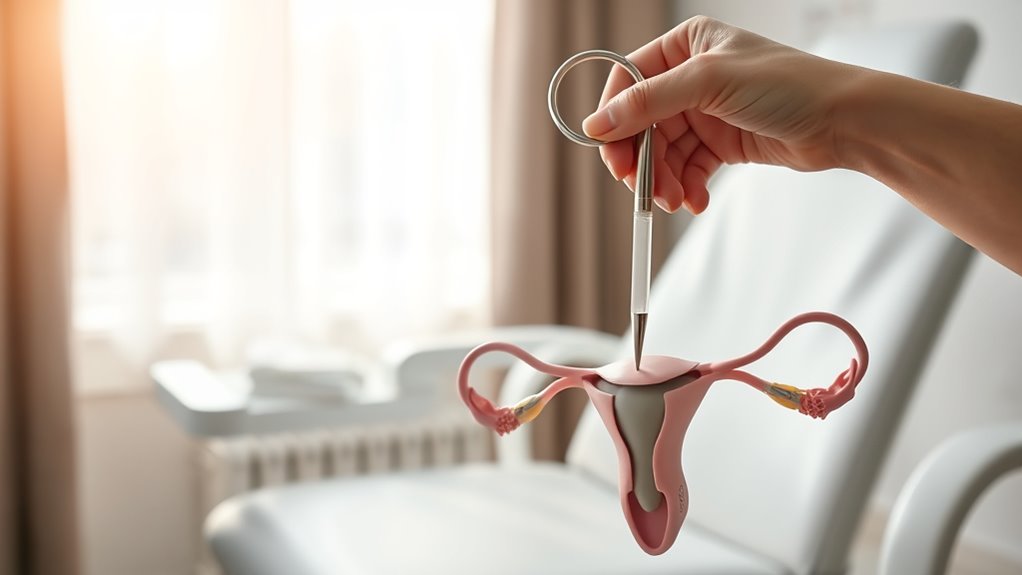
Although you might feel uneasy about the test, a Pap smear plays a crucial role in detecting abnormal cervical cells early. When you get a Pap smear, your healthcare provider collects cells from your cervix to check for changes that could lead to cervical cancer.
This early detection allows for timely treatment, which can prevent cancer from developing. The test also helps identify infections or inflammation that may require attention.
Understanding this purpose can ease your worries and encourage you to keep up with regular screenings. By staying proactive, you take charge of your reproductive health and reduce the risk of serious complications.
How Menstrual Blood Can Affect Pap Smear Results
Since menstrual blood can mix with cervical cells during a Pap smear, it might interfere with the accuracy of the test results. When blood is present, it can obscure the cervical cells, making it harder for the lab to analyze them properly.
This can lead to inconclusive or invalid results, meaning you might need to repeat the test. Additionally, menstrual blood can sometimes contain inflammatory cells or bacteria, which may be mistaken for abnormalities. This could potentially cause false positives.
Because of this, the presence of blood can complicate the interpretation of your Pap smear. Understanding this helps you realize why timing your test is important. It ensures the best chance for clear, reliable results that accurately reflect your cervical health.
Medical Recommendations for Timing Pap Smears
When scheduling your Pap smear, doctors recommend avoiding your period to guarantee the most accurate results. Menstrual blood can interfere with sample collection and make it harder to detect cervical abnormalities.
Ideally, you should book your appointment between 10 and 20 days after your last period starts. This timing ensures your cervix is free from blood contamination and any inflammation caused by menstruation has settled.
If you’re on hormonal birth control or have irregular cycles, your healthcare provider can help you find the best time to schedule. While some clinics can still perform Pap smears during menstruation, they may ask you to reschedule if bleeding is heavy.
Following these medical recommendations helps you get reliable results and reduces the chance of needing a repeat test. So, it’s really worth planning ahead!
Comfort and Practical Tips for Scheduling During Your Period
Even though doctors suggest avoiding your period for a Pap smear, you might find yourself needing to schedule it during menstruation. To make the experience more comfortable and manageable, consider these practical tips:
Wear a pad instead of a tampon on the day of your appointment to avoid discomfort. Also, bring a clean panty liner for extra protection in case of spotting after the test.
Try to schedule your appointment when your flow is lighter. This can help reduce mess and improve visibility.
And don’t hesitate to communicate openly with your healthcare provider about your period. They can offer reassurance and adjust the procedure if needed.
Alternatives When You’re on Your Period
If you’re on your period, you can try scheduling your Pap smear for a different time to avoid discomfort. You might also consider at-home testing options that fit your needs better.
Scheduling Around Menstruation
Although scheduling a Pap smear during your period might seem inconvenient, you don’t have to delay your appointment if you’re prepared. Many clinics can accommodate you, but planning ahead makes the visit smoother and more comfortable.
If you prefer to avoid scheduling during menstruation, consider timing your appointment around your cycle’s lighter phases. Here are some tips to help you schedule effectively:
- Track your menstrual cycle to identify the best days for testing
- Book your appointment a week before or after your period
- Inform the clinic if you’re menstruating so they can prepare
- Wear a tampon instead of a pad on the day of your test for easier access
At-Home Testing Options
When your period arrives and a clinic visit feels inconvenient, you can still take control of your reproductive health with at-home Pap smear testing kits. These kits allow you to collect a sample in the comfort of your home, avoiding the awkwardness or discomfort of a clinic appointment during menstruation.
You simply follow the instructions to swab your cervix or vaginal area, then mail the sample to a lab for analysis. While at-home tests aren’t a complete replacement for professional Pap smears, they offer a practical alternative when timing is tricky.
Just make sure to choose an FDA-approved kit and check if your healthcare provider supports this method. This way, you won’t have to delay screening just because you’re on your period.
Temporary Deferral Benefits
At-home testing kits provide a convenient option, but sometimes postponing your Pap smear is the better choice. Deferring your appointment when you’re on your period can improve test accuracy and comfort.
Waiting a few days ensures the sample isn’t contaminated with blood, which might interfere with results. You also avoid discomfort during the procedure, making it easier for your healthcare provider to get a clear view.
Here are some benefits of temporary deferral:
- Reduces risk of inconclusive or false results
- Minimizes discomfort during the exam
- Allows for a more thorough and accurate sample collection
- Helps maintain clear communication with your provider about your menstrual cycle
If you reschedule, try to pick a day when you’re between periods for the best experience. It really makes a difference!
When to Reschedule Your Pap Smear
You should aim to schedule your Pap smear when you’re not on your period, as menstrual blood can affect test accuracy.
If your appointment falls during your cycle, consider rescheduling to avoid any complications.
Keep in mind simple tips for picking a new date that works best for you and your doctor.
Ideal Timing for Pap
Although scheduling a Pap smear during your period is sometimes unavoidable, it’s best to reschedule for a time when you’re not menstruating. This helps guarantee the most accurate results and a more comfortable experience.
Ideally, you should plan your Pap smear between days 10 and 20 of your menstrual cycle, after your period ends but before ovulation. Also, try to choose a time when you’re not experiencing any vaginal infections or irritation.
Avoid scheduling during heavy flow days to prevent interference with sample collection. And it’s a good idea to go when you’re relaxed and can attend without rushing, since stress can affect your comfort.
Keeping track of your cycle and symptoms can really help you pick the ideal time. This makes the process smoother and more effective for detecting any cervical changes.
Impact of Menstrual Blood
How does menstrual blood affect your Pap smear results? Menstrual blood can interfere with the accuracy of your Pap smear by obscuring cervical cells, making it harder for the lab to get a clear reading.
Blood can dilute or contaminate the sample, potentially leading to inconclusive or false results. Because of this, your healthcare provider might suggest rescheduling your test if you’re on your period.
If the bleeding is heavy, it’s especially likely to impact the sample quality. However, light spotting might not cause an issue.
Ultimately, if your doctor notices too much blood during the exam, they may decide to postpone the Pap smear to ensure the results are reliable. This helps avoid unnecessary repeat testing and anxiety.
Rescheduling Appointment Tips
Since menstrual blood can compromise the accuracy of your Pap smear, it’s important to know when to reschedule your appointment. Ideally, you should avoid scheduling your test during your period to ensure clear results.
If your appointment falls during menstruation, consider postponing for a time when your flow is lighter or has stopped.
Here are some tips to help you decide when to reschedule:
- Choose a day between 10 and 20 days after the first day of your last period.
- Avoid the first few days of your cycle when bleeding is heaviest.
If you have irregular periods, it’s a good idea to contact your healthcare provider for personalized advice. Also, reschedule if you’re experiencing spotting or heavy bleeding to prevent inaccurate results.
Following these guidelines can help you get the most reliable Pap smear results.
Conclusion
Think of your Pap smear like trying to read a book through a rain-soaked window—menstrual blood can blur the pages, making it harder for your doctor to see clearly. While it’s not impossible to get tested during your period, waiting for clearer skies often gives better results and comfort.
So, when you can, schedule your Pap smear between periods to make certain your health story is read with the clearest, most accurate lens possible. Having your Pap smear done when you’re not on your period helps ensure the test is more effective and less uncomfortable.
In short, although you can have a Pap smear on your period, timing it between cycles is generally recommended. This helps your healthcare provider get the best sample, leading to more reliable results and a smoother experience. Prioritizing the timing of your Pap smear supports your overall cervical health and peace of mind.