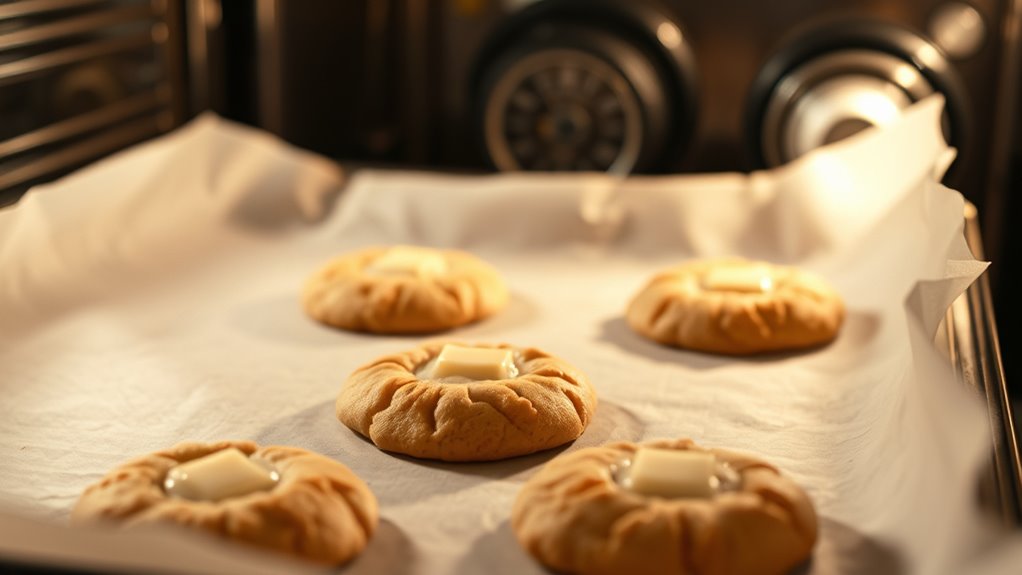
Does Parchment Paper Burn in the Oven and How to Use It Safely
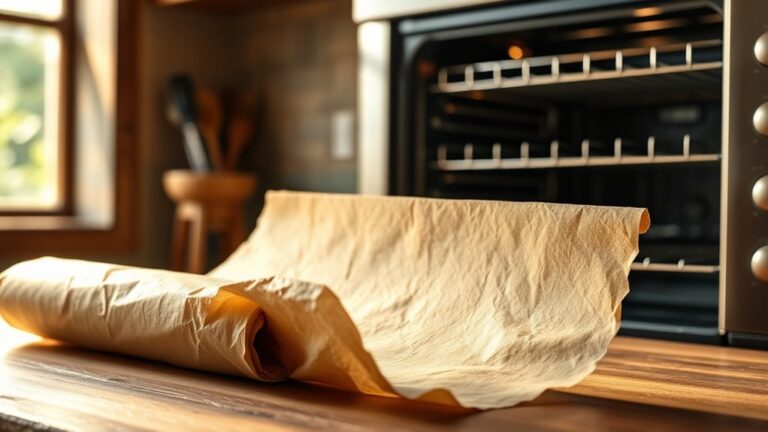
You can use parchment paper safely in the oven up to about 420°F to 450°F (215°C to 230°C) without it burning, thanks to its silicone coating. This makes it a great tool for baking and roasting because it prevents sticking and makes cleanup easier.
Just be sure to avoid letting the parchment paper touch the oven walls, flames, or heating elements. Doing so can cause charring or even create a fire risk.
If you notice darkening, curling, or smell acrid odors, that means the parchment paper is overheating. Stick to the recommended temperature limits and proper placement, and you’ll be good to go.
Keep following for tips on alternatives and safer baking tricks to get the most out of your oven without any worries!
What Is Parchment Paper Made Of?
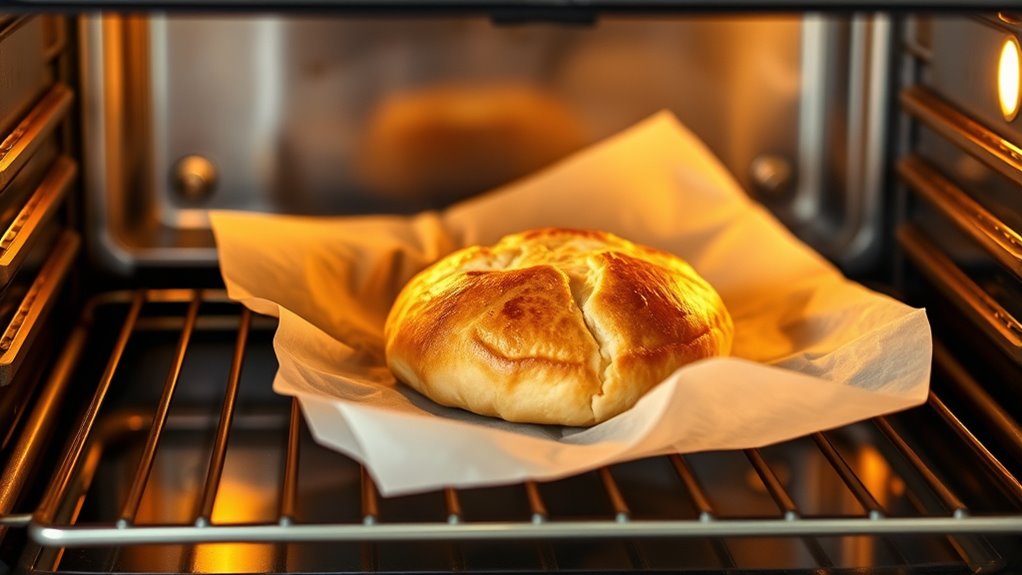
Parchment paper consists mainly of cellulose fibers that come from wood pulp. You’ll find it’s treated with a thin layer of silicone, which gives it its non-stick and heat-resistant qualities.
This silicone coating makes it safe to use in ovens and prevents food from sticking, so you don’t need extra grease or oil. Unlike wax paper, parchment paper won’t melt or catch fire easily because of this treatment.
When you use parchment paper, you’re handling a natural, biodegradable product that’s been enhanced to withstand cooking conditions. Knowing what it’s made of helps you trust it in your kitchen, especially when baking or roasting.
Just remember, it’s designed to stay stable under typical cooking temperatures without releasing harmful chemicals. So, go ahead and use it with confidence!
Temperature Limits of Parchment Paper
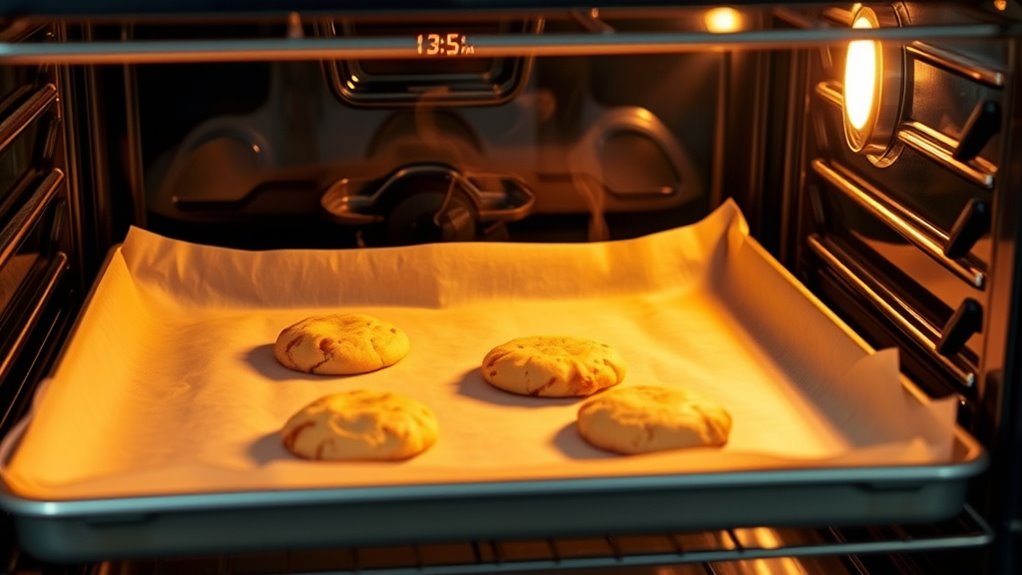
Although it can handle high heat, you should never exceed the recommended temperature limits when using parchment paper. Most parchment paper is safe up to around 420°F to 450°F (215°C to 230°C).
Going beyond this range increases the risk of the paper browning, becoming brittle, or even igniting. If your recipe calls for higher temperatures, it’s better to use alternatives like silicone baking mats or aluminum foil.
Always check the packaging for manufacturer guidelines since some brands may have slightly different limits. Using parchment paper within its temperature range guarantees it performs well without smoking or burning.
This keeps your oven clean and your food safe. Remember, staying within limits extends the paper’s usefulness and prevents safety hazards.
Differences Between Parchment Paper and Wax Paper
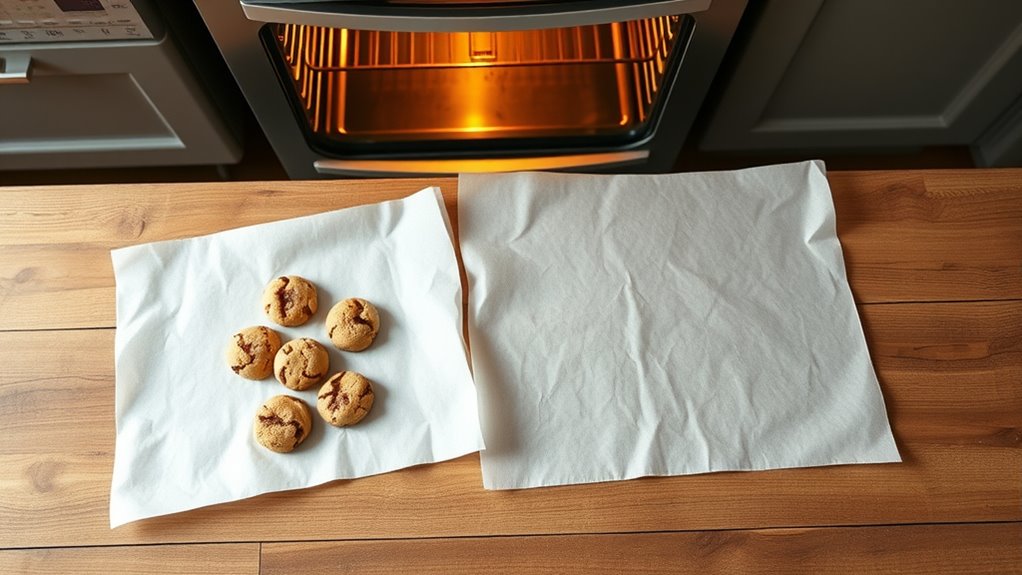
How do you know when to choose one paper over the other in the kitchen? Parchment paper is your go-to for baking and cooking because it’s heat-resistant up to about 420°F (215°C). It’s coated with silicone, so it won’t stick, burn, or smoke under normal oven temperatures.
Wax paper, on the other hand, is coated with a thin layer of wax, making it non-stick but not heat-safe. If you put wax paper in a hot oven, it’ll melt or even catch fire. Use wax paper mainly for cold tasks like wrapping food, covering countertops, or storing leftovers.
Signs That Parchment Paper Is Burning
You’ll notice parchment paper burning when you see darkening or charring on its surface. If you catch a sharp, acrid smell, that’s another clear warning sign.
Burning not only damages the paper but can also affect the taste and quality of your food. So, it’s best to keep an eye out for these signs while cooking.
Visual Indicators of Burning
When parchment paper starts to burn, you’ll notice distinct visual signs that signal trouble. The paper will darken, shifting from its usual light beige to a deep brown or black color.
You might see curling or crisping edges, as the heat causes the paper to lose its smooth texture. Small spots may appear charred or blistered, indicating direct exposure to excessive heat.
In some cases, the paper might wrinkle or develop holes where it’s burning through. These visual cues are your warning to reduce the oven temperature or remove the paper immediately to prevent a fire hazard.
Paying attention to these signs helps you maintain a safe cooking environment and protects your food from unwanted contamination. So, keep an eye on your parchment while cooking—it really makes a difference!
Smell Changes During Use
Ever wondered what burning parchment paper smells like? It usually gives off a distinct, acrid odor that’s sharp and somewhat chemical.
If you notice this smell while baking, it’s a strong sign the paper is overheating or starting to burn. Unlike the pleasant aroma of baked goods, the scent of burning parchment is unpleasant and can irritate your nose or throat.
You might also detect a faint, smoky smell, indicating the paper is charring. If you catch this early, it’s best to reduce the oven temperature or remove the paper to prevent further burning.
Paying attention to these smell changes helps you keep your baking safe and avoid unwanted smoke or fire hazards in your kitchen.
Effects on Food Quality
How can you tell if parchment paper is burning just by looking at your food? If you notice dark, uneven spots or a smoky haze around your baked goods, it’s a sign the parchment is overheating.
Burnt parchment paper can release unpleasant odors that cling to your food, altering its natural taste. You might also see small burnt flakes sticking to the edges of cookies or bread, affecting texture.
Over time, these changes can make your dish taste bitter or off. To avoid this, always check your oven temperature and ensure you’re using parchment rated for your baking conditions.
Keeping an eye on these signs helps you protect your food’s flavor and quality while safely using parchment paper.
Tips for Using Parchment Paper Safely in the Oven
To use parchment paper safely in your oven, always check the temperature limits to prevent it from burning. Make sure you place the paper correctly on the baking sheet without letting it touch the oven walls.
Also, never let parchment paper come into direct contact with an open flame to avoid fire hazards. It’s a simple step, but it really keeps things safe and smooth while baking!
Oven Temperature Limits
Although parchment paper offers convenience in baking, you should always check its oven temperature limit before use. Most parchment papers can withstand heat up to 420°F (215°C), but exceeding this can cause browning or even burning.
Knowing these limits helps prevent accidents and protects your food’s taste.
Here’s a quick guide to common parchment paper temperature limits:
| Parchment Type | Max Oven Temperature |
|---|---|
| Standard | 420°F (215°C) |
| Silicone-coated | 450°F (230°C) |
| Heavy-duty | 450°F (230°C) |
Always refer to your parchment paper packaging to confirm your specific product’s limit. Staying within these ranges ensures safe, effective use every time you bake.
Proper Placement Tips
When placing parchment paper in the oven, you’ll want to make certain it lies flat against the baking surface to prevent it from curling or catching fire. Smooth out any wrinkles or folds before baking.
Make sure the paper doesn’t extend beyond the edges of your baking pan, as overhanging edges can be exposed to heat and increase the risk of burning. If you’re lining a baking sheet, position the parchment so it covers the entire surface without bunching up.
When placing food on the paper, avoid piling items too high, which can cause uneven heat distribution and potential paper damage. Properly positioning parchment paper helps maintain even cooking and reduces fire risks.
This way, you get the best results safely every time you bake.
Avoiding Direct Flame
Since parchment paper is combustible, you should never place it where it can touch an open flame or heating element in your oven. Doing so risks catching fire and damaging your oven or food.
Always position parchment paper on a baking sheet or inside a pan to create a barrier between the paper and heat sources. If your oven has exposed heating elements, keep the paper well away from them.
Avoid using parchment paper under a broiler or on grill racks where flames can directly contact it. When lining pans, trim any excess paper that might extend beyond the edges to prevent it from curling up and touching hot surfaces.
Alternatives to Parchment Paper for High-Heat Cooking
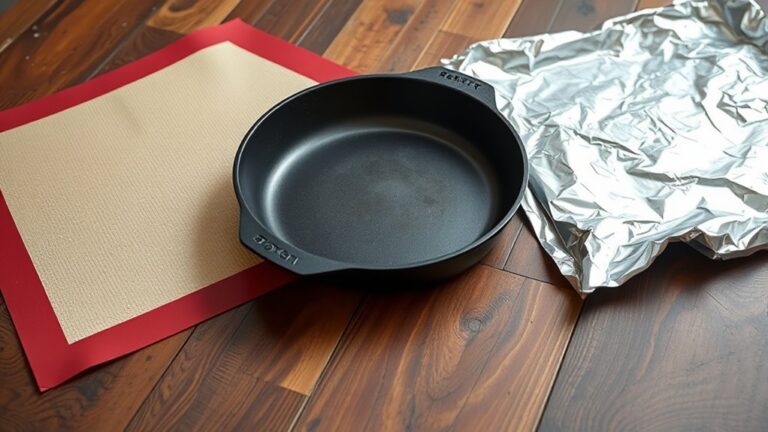
If you need to cook at high temperatures, parchment paper might not always hold up, but you have reliable alternatives that can handle the heat. Silicone baking mats are a great choice; they withstand temperatures up to about 480°F and provide a non-stick surface without burning or smoking.
Aluminum foil is another option, perfect for roasting or grilling, but be cautious with acidic foods as foil can react with them. You can also use a well-seasoned cast iron skillet or a heavy-duty baking sheet, which don’t require any liner and handle high heat effortlessly.
Just make sure to monitor your food closely to prevent sticking or burning. These alternatives help you cook safely and effectively when parchment paper isn’t suitable.
Conclusion
Parchment paper performs perfectly when you respect its recommended temperature limits. By carefully choosing your cooking conditions, you can prevent pesky problems like burning or smoke.
Always avoid oven temperatures that surpass its safe range, and never confuse it with wax paper, which melts and smokes. With smart safety steps and sensible substitutes for sizzling situations, you’ll keep your kitchen clean and your cooking creative.
Remember, using parchment paper safely means understanding its limits and alternatives. This way, you avoid burning parchment paper in the oven and the mess that comes with it. Stick to recommended temperatures, and you’ll enjoy hassle-free baking every time.
So, stay safe, savvy, and savor every scrumptious success while knowing exactly how to use parchment paper without worry!