How to Manage Bleeding After a Pap Smear Test and What Is Normal
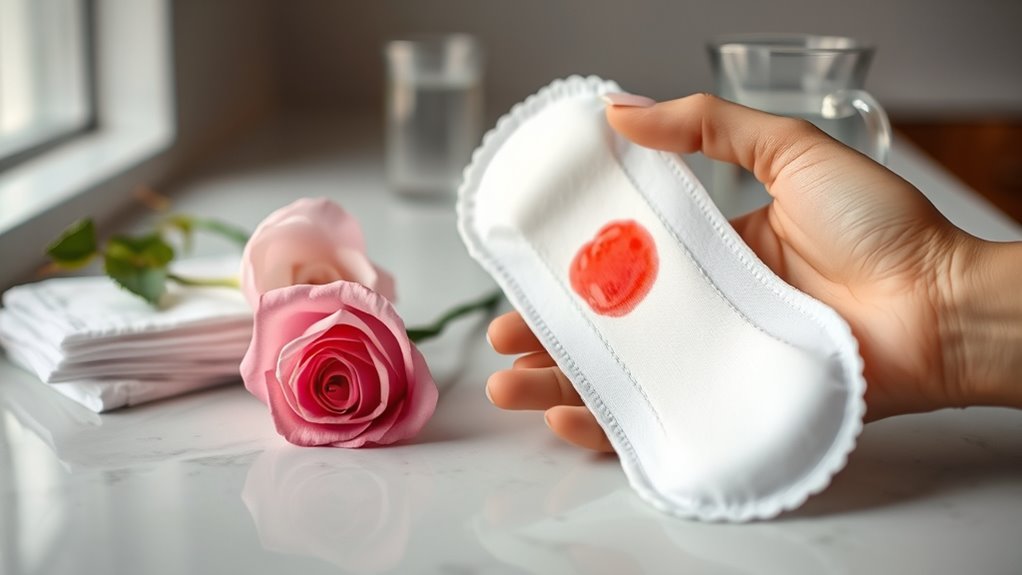
After a pap smear, it’s normal to experience light spotting or mild bleeding for a few hours up to a day. This slight bleeding is a common part of the process and usually nothing to worry about. You might notice just a little blood on your panty liner or toilet paper.
To manage this, use panty liners instead of tampons or any vaginal insertion for at least 24 hours. This helps keep the area clean and prevents irritation.
Taking it easy is important too — try to rest and avoid heavy activities to reduce discomfort.
However, if the bleeding is heavy, lasts more than a day, or is accompanied by pain or fever, it’s a good idea to contact your healthcare provider. These could be signs of an infection or other complications.
Keep reading to discover simple ways to stay comfortable after your test and learn exactly when you should seek medical help.
Understanding What a Pap Smear Test Entails
Although you might feel nervous, a Pap smear test is a straightforward procedure that screens for abnormal cells on your cervix.
During the test, your healthcare provider gently inserts a speculum into your vagina to access the cervix.
Your healthcare provider carefully uses a speculum to reach the cervix for cell collection.
Then, they use a small brush or spatula to collect cells from the cervix’s surface.
The sample is sent to a lab for analysis, helping detect precancerous changes or infections early.
The entire process usually takes just a few minutes and causes only mild discomfort.
Understanding this can ease your anxiety and prepare you for the experience.
It’s a crucial step in maintaining your reproductive health, allowing timely intervention if any abnormalities show up in your test results.
Common Causes of Bleeding After a Pap Smear
When you notice bleeding after a Pap smear, it’s usually mild and temporary, but understanding why it happens can help ease your concerns. The most common cause is the gentle scraping of cervical cells, which can irritate the sensitive tissue and cause light spotting.
Your cervix is delicate, so even a routine test can trigger minor bleeding. If you have an inflamed or infected cervix, the procedure might cause more noticeable bleeding. Sometimes, if you’re on blood thinners or have a bleeding disorder, you might bleed more than usual.
Additionally, cervical polyps or other small growths can bleed when disturbed during the test. Knowing these causes reassures you that light bleeding is often a normal response to the Pap smear process.
Typical Amount and Duration of Bleeding to Expect
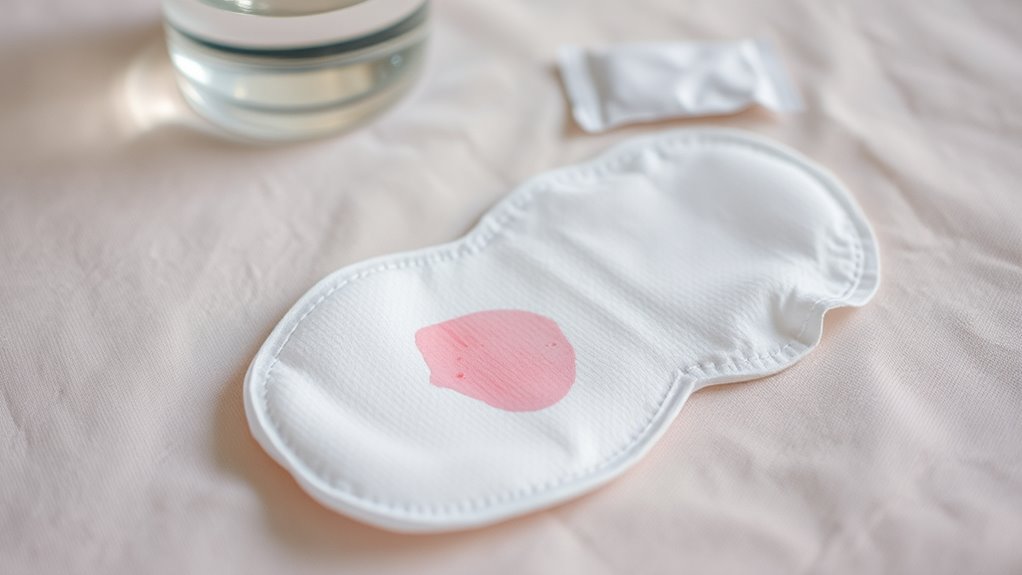
Since the bleeding after a Pap smear usually comes from minor irritation, you can expect it to be light and short-lived. Typically, the amount and duration of bleeding fall within a predictable range.
Here’s what you should know:
- Amount: Expect just a few drops or light spotting; heavy bleeding is uncommon.
- Duration: Bleeding often lasts less than 24 hours, sometimes just a few hours.
- Color: The blood is usually pink or brownish, indicating old or minimal bleeding.
If your bleeding exceeds these norms—like heavy flow or lasting more than a day—it’s wise to consult your healthcare provider.
Understanding what’s typical helps you stay calm and know when to seek help.
Effective Ways to Manage Spotting and Light Bleeding
Even light spotting after a Pap smear can feel concerning, but you can manage it effectively with simple steps. First, use a panty liner or light pad to protect your clothes and stay comfortable.
Avoid tampons, douching, or inserting anything into your vagina for at least 24 hours to reduce irritation and infection risk. Rest as much as possible and avoid strenuous activities or heavy lifting.
Keep track of the bleeding’s color and amount; light pink or brown spotting is normal and usually stops within a day or two. Stay hydrated and wear loose, breathable clothing to help you feel better.
If the spotting worsens or lasts beyond a few days, monitor closely and consult your healthcare provider for guidance. It’s always better to be safe and get professional advice when you’re unsure.
When Bleeding After a Pap Smear Warrants Medical Attention
Most spotting after a Pap smear is harmless and stops quickly, but some bleeding patterns require prompt medical attention.
You should contact your healthcare provider if you experience heavy bleeding that soaks through a pad within an hour. Also, watch out for bleeding accompanied by severe pain, fever, or chills.
If the bleeding lasts more than a week or gets worse over time, that’s another sign to get checked.
These signs could indicate infection, cervical injury, or other complications needing evaluation. Don’t hesitate to seek medical advice if you’re unsure about the bleeding’s severity or if you notice unusual symptoms.
Early assessment helps prevent potential issues and ensures your reproductive health stays on track. Remember, your safety comes first, so trust your instincts and get checked when bleeding feels abnormal.
Tips for Preparing for Your Next Pap Smear Appointment
Before your next Pap smear appointment, taking a few simple steps can help guarantee the process goes smoothly and comfortably.
Avoid scheduling your test during your period, as bleeding can affect the results. Try to refrain from using vaginal creams, douches, or engaging in sexual intercourse 24-48 hours prior to the test. These can interfere with the sample’s accuracy.
Wear comfortable clothing and consider bringing a sanitary pad, as light spotting afterward is common. Arrive with a clear understanding of your medical history and any symptoms to discuss with your healthcare provider.
Staying relaxed and breathing deeply during the procedure can reduce discomfort. By preparing thoughtfully, you’ll help ensure your Pap smear provides reliable results and that your experience is as stress-free as possible.
Conclusion
Think of your cervix as a delicate garden—sometimes a gentle breeze (the Pap smear) might cause a few petals (light bleeding) to fall. This is usually normal and temporary, like morning dew that fades quickly.
By caring for your garden with patience and proper attention, you’ll help it heal smoothly. But if the petals keep falling or the wind grows stronger, don’t hesitate to seek expert care to keep your garden thriving and healthy.
Managing bleeding after a Pap smear is mostly about understanding what’s normal and when to get help. Light spotting or minor bleeding can happen right after the test, but it should stop within a day or two. If the bleeding is heavy, lasts longer than a couple of days, or you experience pain or fever, it’s important to contact your healthcare provider.
Remember, bleeding after a Pap smear is common and usually not a concern. With proper care and attention, any bleeding should resolve quickly, keeping your cervix healthy and your mind at ease.