What Does a Pap Smear Feel Like Step by Step
When you get a Pap smear, the provider will ask you to lie back with your knees bent and feet in stirrups. This position helps you get comfortable and allows easy access for the exam.
You’ll feel a brief, cool pressure as a speculum is gently inserted to open the vaginal walls. It might feel a little strange at first, but it usually isn’t painful.
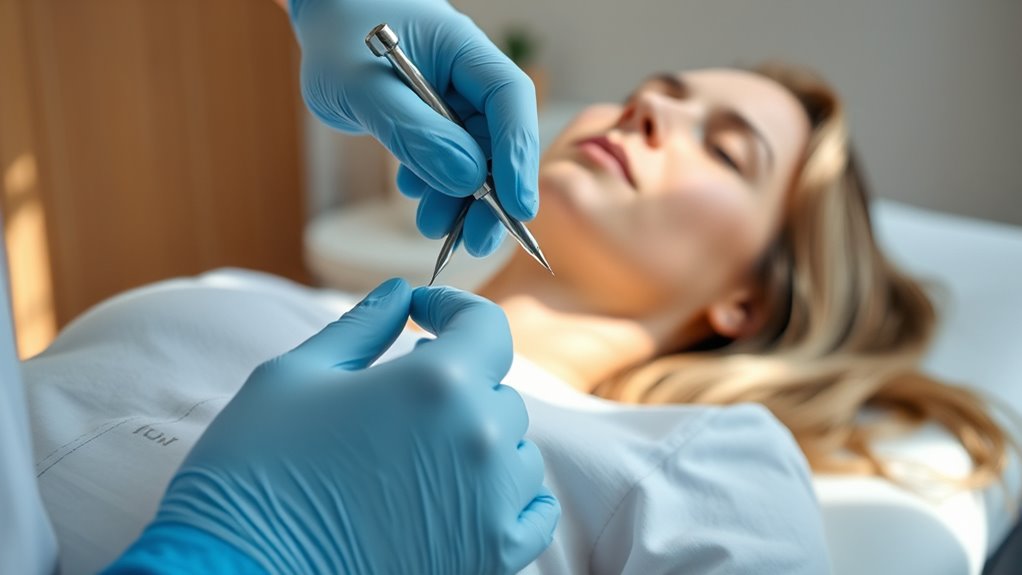
Next, a small brush or spatula collects cells from your cervix. This might cause mild tickling or cramping, but it only lasts a moment.
The whole process is quick, often just a few minutes. Afterward, you may notice slight spotting, which is normal.
Keep reading to understand each step fully and what to expect during your Pap smear appointment.
Preparing for the Pap Smear Appointment

Before your Pap smear appointment, you should avoid using tampons, douches, or vaginal medications for at least 48 hours. These products can interfere with test results by affecting the cells your doctor needs to collect.
You also want to steer clear of sexual intercourse during this time for the same reason. On the day of your appointment, wear comfortable clothing that’s easy to remove. This helps you feel more relaxed and speeds up the process.
If you have questions or concerns, jot them down beforehand so you don’t forget to ask. Being prepared mentally and physically can make the experience smoother.
Entering the Exam Room and Initial Setup
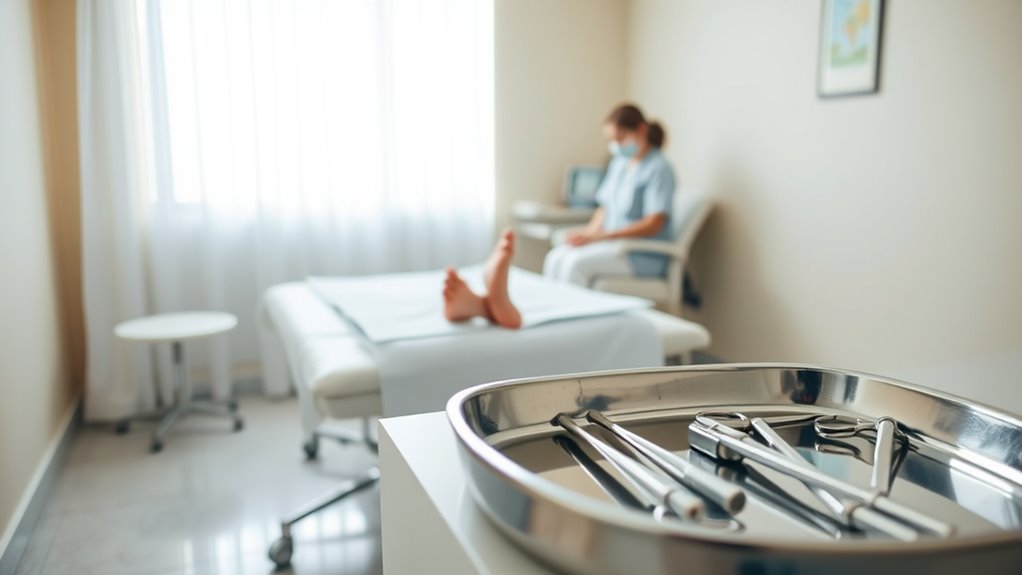
When you enter the exam room, the healthcare provider will greet you and explain what to expect.
You’ll be guided to position yourself comfortably on the exam table.
Making sure you feel at ease is a key part of the initial setup.
They want you to feel relaxed before starting.
Greeting and Preparation
As you enter the exam room, the healthcare provider will greet you warmly and explain the steps ahead to help you feel comfortable. They’ll confirm your identity and ask a few questions about your health history and any symptoms.
This helps tailor the exam to your needs. You might be offered a gown to change into for privacy. The provider will also answer any questions you have before starting.
They’ll explain what tools they’ll use and why, so you know exactly what to expect. This initial interaction sets a reassuring tone, helping you feel respected and informed.
Their clear communication ensures you’re relaxed and prepared for the procedure, making the entire experience smoother and less stressful.
Positioning and Comfort
Although it might feel a bit awkward at first, your healthcare provider will guide you gently into the proper position to guarantee both comfort and accessibility during the exam.
You’ll be asked to lie back on the exam table, often with your knees bent and feet placed in stirrups or flat on the table. This setup allows easy access while supporting your body comfortably.
Here’s what to expect:
- You’ll remove clothing from the waist down and cover yourself with a drape.
- The provider will explain each step to keep you informed.
- You’ll position your feet as directed to relax your pelvic muscles.
- Adjustments will be made to ensure you feel secure and at ease before starting.
This careful approach helps minimize discomfort throughout the exam.
Positioning on the Exam Table

Before the exam begins, you’ll need to get into the proper position on the table to guarantee comfort and accuracy. You’ll lie on your back with your knees bent and feet placed in stirrups or flat on the table, depending on the exam room setup.
This position allows easy access to the pelvic area while keeping your muscles relaxed. Your healthcare provider may help you adjust your hips or legs to find the most comfortable alignment.
Try to breathe deeply and stay as relaxed as possible to reduce tension. If you feel uncomfortable or tense, don’t hesitate to speak up.
Proper positioning is key to a smooth exam and accurate results, so take your time settling in before the procedure starts.
Insertion of the Speculum
When it’s time to insert the speculum, you’ll notice there are different types designed for comfort and ease.
You might feel some pressure or mild discomfort during insertion, but it shouldn’t be painful.
I’ll share tips to help you stay relaxed and make the process smoother.
Speculum Types Explained
How do different speculum types affect the insertion process during a Pap smear? The type used can change how comfortable you feel and how smoothly the procedure goes.
Here’s what you might encounter:
- Metal Speculum – Rigid and reusable, it’s cooled before insertion, which some find uncomfortable.
- Plastic Speculum – Lighter and disposable, often warmed to increase comfort.
- Graves Speculum – Wider blades, better for women who have given birth, allowing easier access.
- Pederson Speculum – Narrower blades, ideal if you have a smaller or more sensitive vaginal opening.
Knowing these can help you prepare mentally for the insertion step, making the experience less intimidating.
Sensation During Insertion
Choosing the right speculum can make a big difference in how the insertion feels. When your healthcare provider gently inserts the speculum, you may notice a brief pressure or mild stretching sensation in your vaginal walls. It’s normal to feel a bit of discomfort, but it shouldn’t be painful.
The speculum’s smooth, cool surface might feel unusual at first. As the provider slowly opens the blades, you might sense increased pressure, similar to a gentle stretch. This step is necessary to allow a clear view of your cervix.
If you feel sharp pain or intense discomfort, let your provider know immediately. Remember, the insertion only lasts a few moments, and your provider aims to make it as quick and gentle as possible.
Tips for Comfort
Although the speculum insertion can feel uncomfortable, you can take several steps to ease the experience. Being prepared and relaxed helps your body cooperate, making the process smoother.
Here are four tips to increase your comfort during insertion:
- Communicate openly – Let your healthcare provider know if you feel pain or tension.
- Practice deep breathing – Slow breaths can relax your pelvic muscles.
- Focus on relaxation techniques – Try tensing and then releasing your muscles beforehand.
- Request warm speculum – A warmed instrument feels less shocking on sensitive tissue.
Collection of Cervical Cells
When you sit down for a Pap smear, the collection of cervical cells becomes the vital step in detecting any abnormalities early. The healthcare provider gently inserts a speculum into your vagina to open it slightly, allowing clear access to your cervix. You might feel some pressure, but it shouldn’t be painful.
Next, they use a small brush or spatula to carefully collect cells from the surface of your cervix. This process usually takes just a few seconds and might cause a slight scratchy or tickling sensation. It’s important to stay relaxed and breathe steadily during this step to minimize discomfort.
Once the sample is collected, it’s placed into a container for lab analysis. This quick, precise action is essential for effective screening. It’s a simple step that plays a big role in keeping you healthy.
Completion and Aftercare Instructions
After the cervical cell sample is collected, your healthcare provider will gently remove the speculum and may check to make certain you’re feeling okay. Once the procedure is complete, they’ll provide you with aftercare instructions to guarantee your comfort and health.
Here’s what you should keep in mind:
- Expect mild spotting or cramping for a day or two.
- Avoid using tampons, douches, or vaginal products for 24-48 hours.
- Refrain from sexual intercourse for at least 24 hours to prevent irritation.
- Contact your healthcare provider if you experience heavy bleeding, severe pain, fever, or unusual discharge.
Following these steps helps you recover smoothly and ensures accurate results from your Pap smear. Just take it easy and listen to your body. If anything feels off, don’t hesitate to reach out to your healthcare provider.
Conclusion
Now that you know what to expect, a Pap smear won’t feel like a wild storm but more like a brief ripple—quick and manageable. Preparing ahead and staying relaxed helps everything flow smoothly.
Remember, this simple step is a powerful shield for your health. So, breathe easy, trust the process, and take pride in caring for yourself—because your well-being is worth every moment of this small, important check-up.
Getting a Pap smear is an essential part of women’s health care. It helps detect cervical changes early, so you can stay ahead of any potential issues. By understanding what a Pap smear feels like step by step, you take control of your health journey.
In short, this quick screening is nothing to fear. It’s a small moment that makes a big difference in protecting your future. So, stay calm, stay informed, and keep prioritizing your health with confidence.