
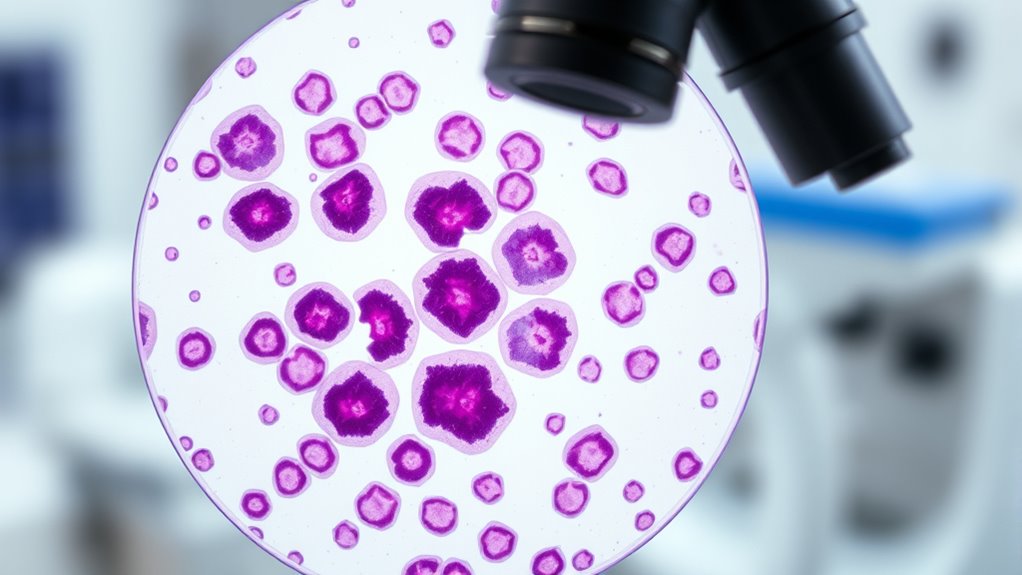
What Is an Abnormal Pap Smear?
An abnormal Pap smear means that the cells from your cervix look different than usual. This change can signal infection, precancerous changes, or an increased risk of cervical cancer.
But don’t worry—an abnormal result doesn’t always mean you have cancer. It just means your doctor will want to do more tests to understand what’s going on. These tests might include a colposcopy or HPV screening.
There are many causes for abnormal cervical cells, with HPV being the main culprit behind these changes.
Understanding your Pap smear results is important because it helps you take the right steps to protect your health.
Knowing what to expect next can make the process less stressful and more manageable. If you have questions, don’t hesitate to talk with your doctor—they’re there to help guide you.
Understanding Pap Smear Results
How do you make sense of your Pap smear results? First, know that your results come from examining cells scraped from your cervix. These results typically fall into two categories: normal or abnormal.
A normal result means no signs of precancerous or cancerous changes. If your results are abnormal, it doesn’t mean you have cancer—it just indicates that some cervical cells look different from usual.
Your healthcare provider will explain what your specific findings mean and whether you need further testing or follow-up. Remember, Pap smears are screening tools, not diagnostic tests, so abnormal results often require additional exams.
Your provider will clarify your results and the need for any follow-up or further testing.
Stay proactive by asking questions and following recommended steps to protect your health.
Types of Abnormal Pap Smear Findings
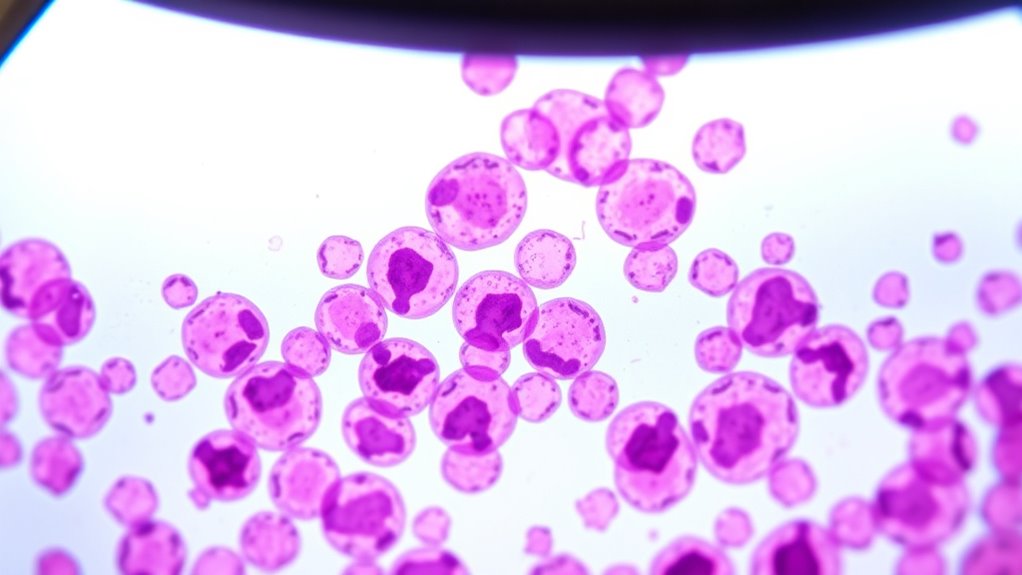
You’ll often see different types of abnormal results on your Pap smear, each indicating varying changes in cervical cells.
It’s important to understand the common findings and what severity level they represent. This helps you know what steps to take next for your health.
Common Abnormal Results
Although an abnormal Pap smear can be unsettling, understanding the common types of results helps you know what to expect and how your healthcare provider will proceed.
Your results may show various changes in cervical cells, ranging from mild abnormalities to more significant findings. Here’s a quick overview of common abnormal results:
| Result Type | Description | What It Means |
|---|---|---|
| ASC-US | Atypical Squamous Cells of Undetermined Significance | Slightly abnormal, often harmless |
| LSIL | Low-grade Squamous Intraepithelial Lesion | Mild abnormal changes, often from HPV |
| HSIL | High-grade Squamous Intraepithelial Lesion | More serious abnormalities, need follow-up |
| AGC | Atypical Glandular Cells | Abnormal glandular cells, requires evaluation |
| Squamous Cell Carcinoma | Cancerous cells detected | Indicates cervical cancer, urgent care needed |
Severity Levels Explained
What do the different severity levels of abnormal Pap smear results mean for you? Understanding these levels helps you know what steps to take next.
Here’s a quick breakdown:
- Mild abnormalities – These often indicate minor cell changes, usually caused by infections or inflammation. They often resolve on their own but may require follow-up testing.
- Moderate abnormalities – These suggest more significant cell changes that could lead to precancerous conditions. Your doctor will likely recommend closer monitoring or additional procedures like a colposcopy.
- Severe abnormalities – These indicate serious precancerous changes or cancerous cells. Immediate and thorough evaluation is *vital* to determine the best treatment.
Knowing your severity level empowers you to act promptly and protect your health.
Causes of Abnormal Pap Smear Results
You might wonder what causes an abnormal Pap smear result. Infections like HPV and other cellular changes can trigger these unusual findings.
Understanding these causes helps you know what your results really mean. It’s all about getting the right information to stay on top of your health.
Infection-Related Causes
When infections affect the cervical cells, they can cause changes that show up as abnormal results on your Pap smear. These infections irritate or inflame the cells, making it hard to distinguish between harmless and concerning changes.
Here are three common infection-related causes you should know about:
- Human Papillomavirus (HPV): The most frequent cause, HPV can lead to cell abnormalities and increase your risk for cervical cancer.
- Herpes Simplex Virus (HSV): This virus can cause inflammation and cell changes that might appear abnormal.
- Bacterial or Fungal Infections: Infections like bacterial vaginosis or yeast can irritate cervical cells, resulting in abnormal findings.
Knowing these causes helps you understand why your doctor might recommend further testing or treatment after an abnormal Pap smear. It’s all about making sure you get the right care based on what’s happening inside your body.
Cellular Changes Explanation
Infections can trigger changes in your cervical cells, but they’re not the only reason a Pap smear might come back abnormal. Your cervical cells can undergo cellular changes due to irritation, inflammation, or exposure to harmful substances like tobacco smoke.
Sometimes, your immune system’s response or hormonal fluctuations cause these alterations. Additionally, abnormal results may indicate precancerous changes where cells start to look different but aren’t cancerous yet.
These cellular changes can range from mild to severe, and they signal that your cells might not be functioning normally. Detecting these changes early allows your healthcare provider to monitor or treat the condition before it progresses.
Understanding these causes helps you stay proactive about your cervical health and follow up appropriately after an abnormal Pap smear. It’s all about catching things early and staying on top of your health.
Diagnostic Procedures Following an Abnormal Result
Although an abnormal Pap smear can be concerning, it doesn’t automatically mean you have cancer. Your healthcare provider will recommend further tests to understand what’s going on.
Here’s what you might expect:
- Colposcopy: A special magnifying device examines your cervix closely, helping identify abnormal areas.
- Biopsy: During the colposcopy, your doctor might take a small tissue sample to check for precancerous or cancerous cells.
- HPV Testing: Since certain strains of HPV cause cervical changes, this test detects high-risk types that may require closer monitoring.
These diagnostic steps give your doctor a clearer picture. This way, they can guide the next best action for your health without jumping to conclusions too soon.
Treatment Options for Abnormal Cervical Cells
Since abnormal cervical cells can vary in severity, your healthcare provider will tailor treatment to your specific situation. Mild changes might only require monitoring, while more serious abnormalities could need intervention.
Treatment aims to remove or destroy abnormal cells and prevent progression.
| Treatment Type | Description | When Used |
|---|---|---|
| Watchful Waiting | Regular Pap smears to monitor cells | Mild abnormalities |
| Cryotherapy | Freezing abnormal cells | Low to moderate abnormalities |
| Loop Electrosurgical Excision Procedure (LEEP) | Removing abnormal tissue with a wire loop | Moderate to severe abnormalities |
| Cone Biopsy | Surgical removal of a cone-shaped tissue section | Severe abnormalities or suspicion of cancer |
Your healthcare provider will discuss the best option based on your diagnosis.
Preventive Measures and Regular Screening Recommendations
Managing abnormal cervical cells effectively includes not only treatment but also taking steps to prevent future issues. You can markedly reduce your risk by staying proactive with your health.
Effective management of abnormal cervical cells means combining treatment with proactive prevention to reduce future risks.
Here are three key preventive measures and screening recommendations you should follow:
- Get regular Pap smears and HPV tests as recommended by your healthcare provider. Early detection helps catch abnormalities before they develop into serious problems.
- Practice safe sex by using condoms and limiting the number of sexual partners. This lowers your risk of HPV infection, which is a major cause of abnormal cervical cells.
- Consider HPV vaccination if you’re eligible. It protects against the most dangerous strains of HPV linked to cervical cancer.
Taking these steps seriously can make a big difference. So, keep up with your screenings and talk to your doctor about what’s best for you.
Conclusion
An abnormal Pap smear might feel like a sudden storm, but it’s often just a signal, not a sentence. You’ve taken the essential first step by getting screened, and now you’re equipped to navigate the next steps with confidence.
Remember, early detection is your strongest ally—don’t let fear silence your health. Stay proactive, follow up promptly, and keep up with regular screenings to protect your future well-being.
Abnormal Pap smear results mean your cervical cells need a closer look, not that you have cancer. With proper follow-up care, most issues can be managed successfully. So, keep calm and stay informed—your health is worth it. Regular Pap smears and timely medical advice are key to maintaining cervical health and preventing serious problems down the road.