How You Are Supposed to Flush Toilet Paper Without Clogging
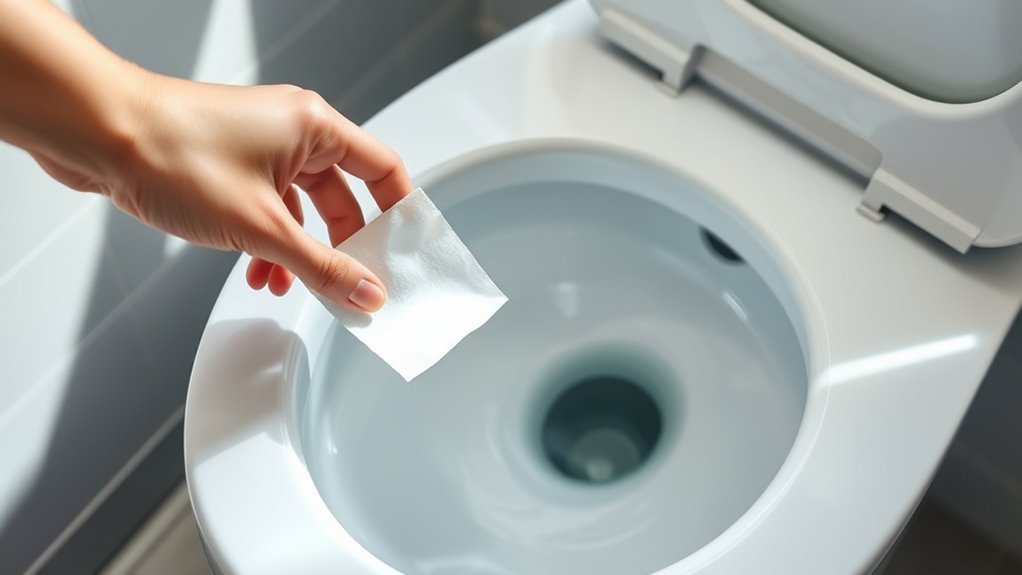
To flush toilet paper without clogging, start by choosing thin, septic-safe brands that dissolve quickly. Using toilet paper that breaks down easily is key to preventing blockages in your plumbing system.
Only use a few sheets per flush. Don’t overload the bowl with too much paper at once. If you need to use more, simply flush multiple times to keep things flowing smoothly.
Also, make sure your toilet’s flushing power matches the dissolving ability of the paper you’re using. And remember, never flush non-flushable items down the toilet—it’s a surefire way to cause clogs.
By controlling how much paper you flush and understanding your toilet’s limits, you’ll avoid blockages and plumbing headaches.
Want to keep your system clear and efficient? There are plenty of other tips worth exploring!
Choosing the Right Toilet Paper for Your Plumbing
Although it might seem like a small detail, choosing the right toilet paper plays an essential role in preventing clogs. You’ll want to pick toilet paper that dissolves quickly in water.
Look for brands labeled as “septic-safe” or “biodegradable,” as they break down faster and reduce the risk of blockages. Avoid thick, plush, or multi-ply varieties that tend to hold together longer and can accumulate in your pipes.
Additionally, consider the sheet size and texture; smoother, thinner sheets flush more easily. If you have older plumbing, opting for ultra-soft but thin toilet paper is even more important.
How Much Toilet Paper Is Safe to Flush at Once
Flushing too much toilet paper at once can easily lead to clogs, so it’s important to use just the right amount. Generally, you should limit yourself to a few sheets per flush—enough to clean effectively but not so much that it overwhelms the plumbing.
If you use thicker or less absorbent paper, reduce the amount because it takes longer to break down. Avoid balling up large clumps of paper, as they don’t dissolve well and can block pipes.
Instead, tear off moderate portions and flush when necessary. By controlling the volume of toilet paper per flush, you help maintain smooth drainage and prevent backups.
The Importance of Multiple Flushes in Preventing Clogs
You’ll want to flush multiple times when dealing with larger amounts of toilet paper to prevent clogs. Each flush helps break up the paper and moves waste through the pipes efficiently.
Using proper flushing techniques keeps your toilet running smoothly and avoids costly blockages. It’s a simple trick but can save you a lot of hassle in the long run!
Benefits of Multiple Flushes
When you flush multiple times during use, you reduce the risk of toilet paper buildup that can cause blockages. Each flush clears away a portion of waste and paper, preventing excessive accumulation in the pipes.
This keeps your plumbing flowing smoothly and minimizes the chance of costly clogs. Multiple flushes also help maintain better hygiene by removing waste promptly, reducing odors and bacteria growth.
You’ll find your toilet functions more efficiently, avoiding overflow or slow drainage issues. Plus, taking a moment to flush intermittently saves you from the hassle and expense of dealing with plumbing repairs.
Proper Flushing Techniques
Although it might seem tedious, using multiple flushes during your bathroom routine can substantially reduce the chance of clogs. When you flush after every few sheets of toilet paper, you prevent excessive buildup in the pipes.
This technique keeps waste moving smoothly and reduces pressure on your plumbing system. To do this properly, flush once after you’ve used a small amount of paper, then again after finishing.
Avoid cramming too much paper at once, as it can overwhelm the system. Also, make sure the water flows freely each time by not holding down the handle too long or too briefly.
Understanding Your Toilet’s Flushing Capacity
You need to know how your toilet’s flush mechanism works to avoid clogs. Different toilets handle water flow and pressure in unique ways, which affects how well they clear paper.
Understanding how quickly your toilet dissolves paper can help you decide how much to flush at once. It’s all about matching your flush to your toilet’s capabilities. This way, you keep things running smoothly without any backups.
Toilet Flush Mechanism
Because the toilet flush mechanism determines how effectively waste and toilet paper are cleared, understanding its operation can help you prevent clogs. Your toilet’s flushing system uses water pressure and gravity to move waste through the trap and into the sewer line.
If the mechanism doesn’t provide enough force, toilet paper can accumulate and cause blockages. To make the most of your flush, keep these points in mind:
- Check if your toilet uses a gravity-fed or pressure-assisted flush, as pressure-assisted models often clear more efficiently.
- Ensure the flush valve opens fully to release maximum water volume with each flush.
- Maintain the fill valve at the correct water level to guarantee ideal flushing power.
Knowing your flush mechanism helps you adjust your toilet paper use and flushing habits accordingly. It’s all about making sure everything flows smoothly!
Paper Dissolution Rates
When toilet paper dissolves quickly, your toilet can handle more waste without clogging. You want to choose toilet paper designed to break down rapidly in water. Brands labeled as “septic safe” or “rapid dissolving” work best.
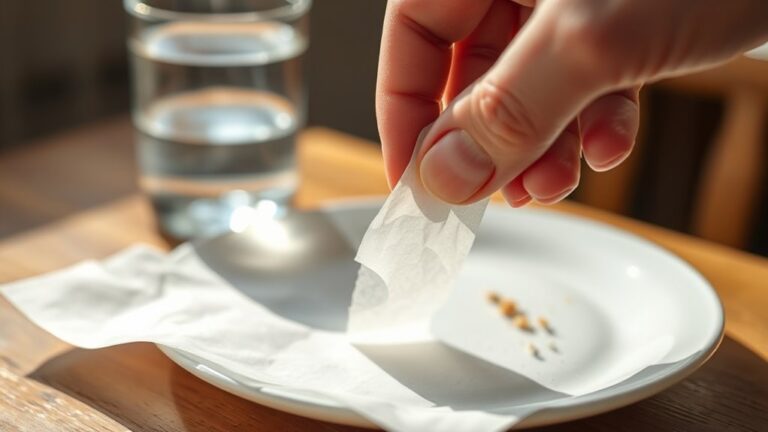
Thicker or multi-ply papers often take longer to dissolve, increasing clog risk. To test your paper’s dissolution rate, try wetting a small piece and stirring it in water. If it breaks apart easily, it’s less likely to cause blockages.
Keep in mind your toilet’s flushing power matters too—low-flow toilets may struggle with bulky paper, so opt for faster-dissolving types. By understanding paper dissolution rates, you’ll prevent plumbing problems and maintain smooth flushing every time.
Avoiding Common Mistakes That Cause Blockages
Although flushing toilet paper seems straightforward, many common mistakes can lead to blockages that disrupt your plumbing. You need to be mindful of how much paper you flush at once—too much can easily clog pipes.
Also, avoid flushing non-flushable items like wipes or feminine products. These don’t break down and cause serious blockages.
Finally, don’t ignore slow drains or gurgling sounds; these can signal an impending clog that’s easier to fix early.
- Flush only small amounts of toilet paper at a time to prevent buildup.
- Keep anything other than toilet paper out of the toilet to protect pipes.
- Address unusual drainage symptoms promptly to avoid major blockages.
When to Use Alternatives to Flushing Toilet Paper
Keeping your toilet paper use in check helps prevent clogs, but there are situations where flushing it isn’t the best option.
If your plumbing is old, you have a septic system, or the toilet is prone to blockage, consider alternatives like disposable bags or a waste bin.
Also, in places with weak water pressure, flushing toilet paper can cause issues.
Here’s a quick guide to help you decide:
| Situation | Reason | Alternative |
|---|---|---|
| Septic system | Slow breakdown | Compostable bags |
| Old plumbing | Narrow pipes | Waste bin |
| Low water pressure | Inefficient flushing | Biodegradable bags |
| Frequent clogs | Clogged drains | Separate disposal |
| Public/shared toilets | High traffic, blockages | Regular waste removal |
Use these alternatives to keep your plumbing flowing smoothly.
Conclusion
To avoid clogs, remember that about 27% of plumbing issues are caused by flushing too much toilet paper at once. By choosing the right paper and flushing in smaller amounts, you can keep your pipes clear. It’s all about understanding your toilet’s limits.
Don’t rush—multiple flushes help prevent blockages. When in doubt, consider alternatives like trash bins for excess paper. Taking these simple steps will save you from costly repairs and headaches down the line.
So, how you are supposed to flush toilet paper without clogging? It’s really about being mindful of the amount you use and flush at one time. Using softer, thinner toilet paper designed to break down easily helps a lot. Flushing smaller amounts in multiple flushes keeps everything moving smoothly. Remember, if you have extra paper, tossing it in a trash bin instead of the toilet can prevent those annoying clogs. Following these tips will keep your plumbing happy and save you money on repairs!