10 Best Alternatives to Use Instead of Baking Paper
If you don’t have baking paper on hand, don’t worry! There are plenty of great alternatives you can use instead of baking paper to keep your baking hassle-free.
Silicone baking mats are a fantastic option—they’re reusable, non-stick, and perfect for all kinds of baking.
Aluminum foil can work too, just make sure to grease it well. You can also use greased baking sheets or cooking spray to prevent sticking.
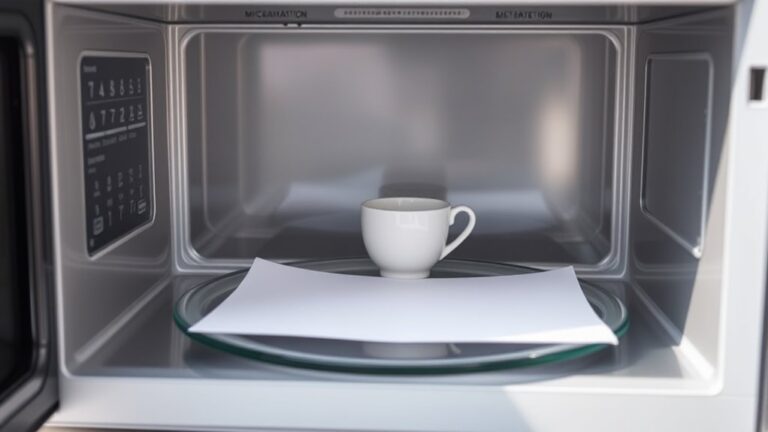
Wax paper is handy for food prep, but it’s not suitable for baking since it can melt or catch fire.
Looking for natural options? Banana leaves or corn husks not only prevent sticking but can also add a subtle flavor to your dishes.
These alternatives help you save money and reduce waste while still getting great results. Keep exploring, and you’ll find even more practical options to suit your baking needs!
Silicone Baking Mats
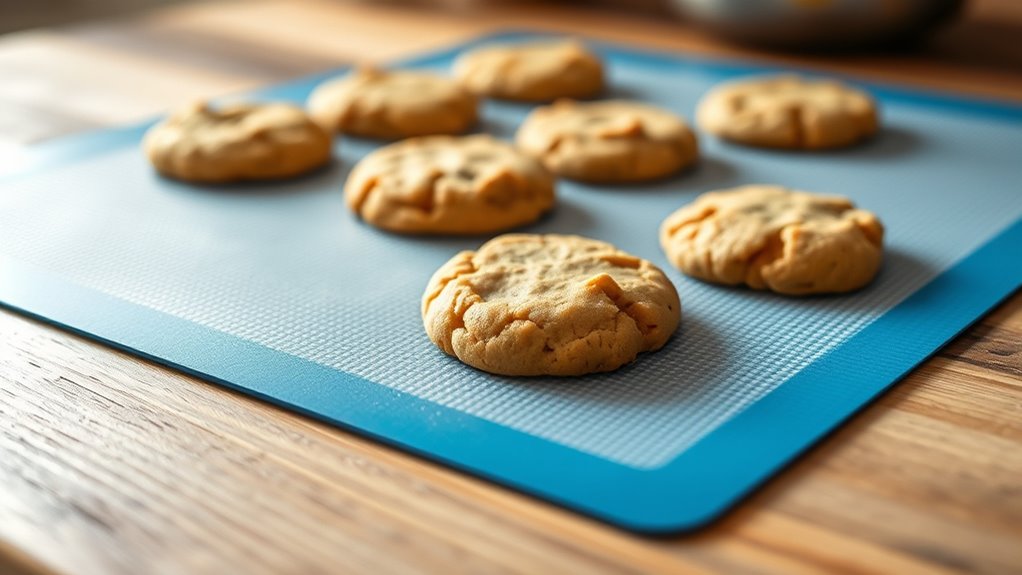
While you might be used to reaching for baking paper, silicone baking mats offer a reusable and non-stick alternative that can save you money and reduce waste. You simply place the mat on your baking tray, and it prevents sticking without the need for oil or sprays.
Because they’re heat-resistant and flexible, you can easily remove your baked goods without tearing or sticking. After use, just rinse the mat with warm soapy water or toss it in the dishwasher.
These mats are durable and can handle hundreds of uses, making them an eco-friendly choice. Plus, they distribute heat evenly, helping your food bake consistently.
If you want a hassle-free, long-lasting baking solution, silicone mats are a smart choice to have in your kitchen arsenal.
Aluminum Foil With Grease
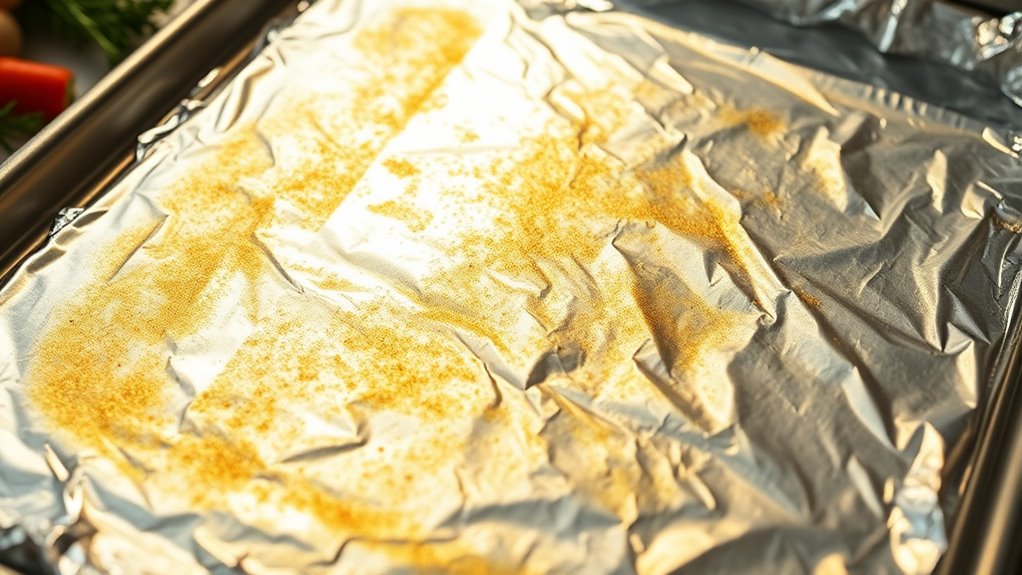
When using aluminum foil, greasing it well prevents your food from sticking and makes cleanup easier. You’ll find foil works best for roasting veggies or wrapping items for grilling.
Just remember to spread the grease evenly to get the best results every time. It really makes a difference!
Greasing Tips for Foil
If you want to prevent food from sticking to aluminum foil, greasing it properly is essential. Use a light coat of oil, butter, or non-stick spray to create a barrier.
Avoid heavy greasing, which can cause sogginess. Spread the grease evenly to cover the entire surface. Here are some quick greasing tips to keep in mind:
| Tip | Why It Helps |
|---|---|
| Use oil or butter | Creates a natural non-stick layer |
| Apply evenly | Prevents uneven cooking |
| Avoid excess grease | Stops sogginess and flare-ups |
| Use a brush or cloth | Ensures light, controlled spread |
| Grease before heat | Reduces sticking during cooking |
Greasing your foil right ensures easy cleanup and perfect results every time. So, next time you’re cooking, give your foil a little love before you start!
Best Foil Uses
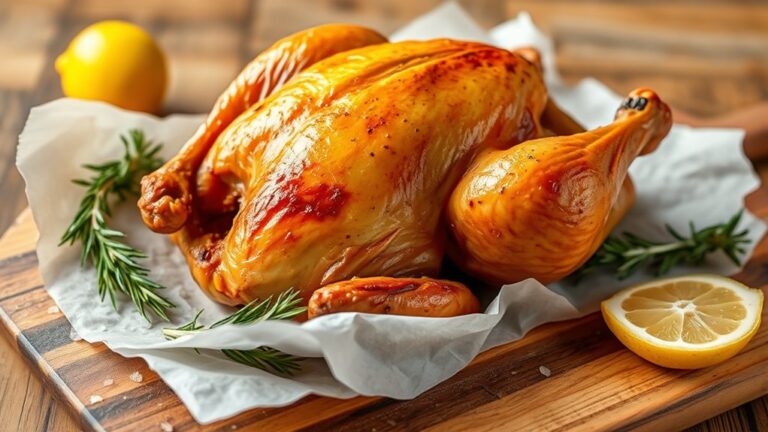
Where can you get the most out of aluminum foil with a light layer of grease? It’s perfect for roasting and grilling sticky or delicate foods like fish, chicken, or vegetables. The grease prevents sticking, making cleanup easier while keeping your food moist.
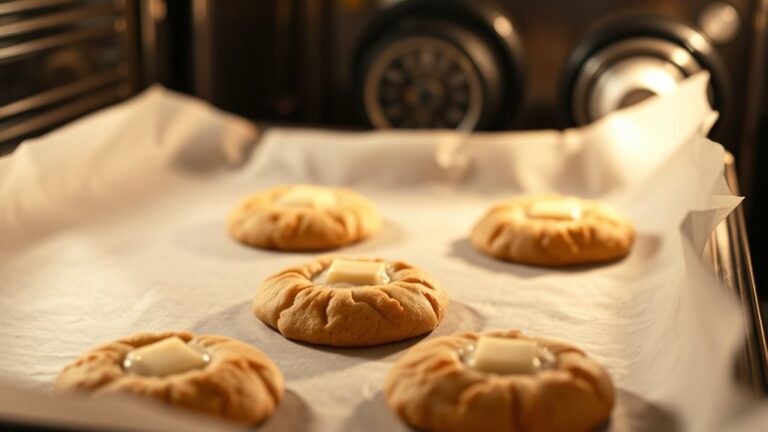
You can also use greased foil to line baking trays for cookies or pastries that might otherwise stick. When wrapping foods like potatoes or corn for the grill, a light grease layer helps seal in moisture and flavor.
Just remember not to over-grease; a thin coating is enough to create a non-stick surface. This simple trick turns aluminum foil into a versatile, reusable alternative that protects your food and your pans without relying on baking paper.
Greased Baking Sheets
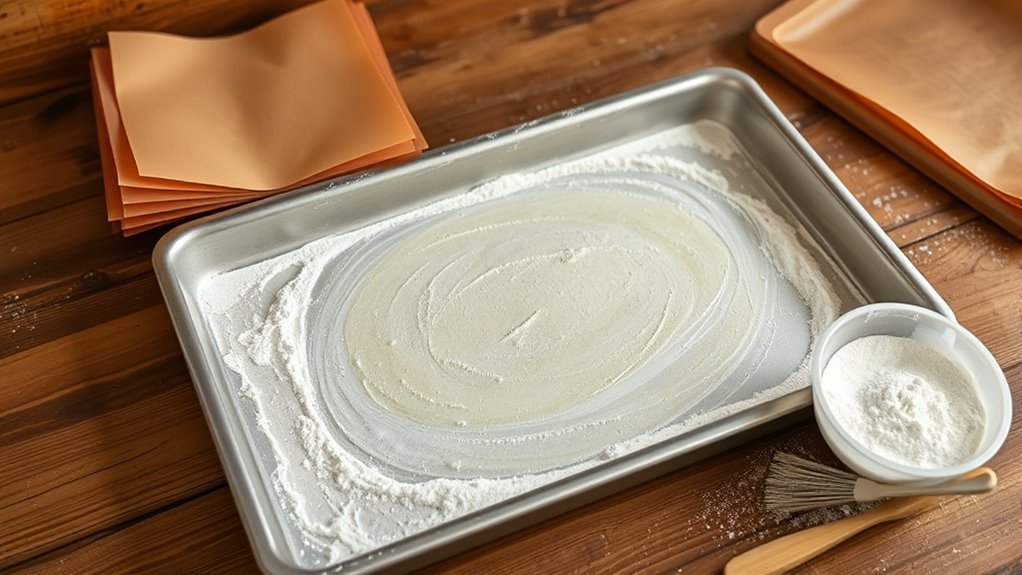
Although greasing a baking sheet might seem old-fashioned, it remains one of the simplest and most effective alternatives to baking paper. By applying a thin layer of butter, oil, or shortening, you create a non-stick surface that prevents food from sticking and helps with even cooking.
Greasing works especially well for cookies, roasted vegetables, and casseroles. Just make sure to spread the fat evenly to avoid uneven browning or sticking.
Unlike baking paper, greasing doesn’t require extra materials, making it a budget-friendly and eco-friendly choice. However, keep in mind that heavily sugared or sticky items might still cling, so adjust your method accordingly.
Cooking Spray
When you want a quick and even way to prevent sticking, cooking spray comes in handy. You simply spray a light, uniform coat over your baking pan or sheet, creating a non-stick surface that helps your food release easily.
It’s especially useful for muffins, cookies, and roasted vegetables. Cooking sprays are convenient and save you from the mess of greasing with oil or butter. Plus, they often contain lecithin, which further prevents sticking.
Just make sure to use an oil-based spray suited for baking to avoid any flavor interference. Keep in mind, some sprays can build up residue over time, so it’s smart to clean your pans thoroughly after each use.
Wax Paper
If cooking spray isn’t quite what you need, wax paper can be a handy alternative in your kitchen. It’s great for wrapping food, lining surfaces for rolling dough, and preventing sticking.
However, avoid using it for baking in the oven, as the wax can melt or even catch fire. So, it’s best to keep wax paper away from direct oven heat.
Here’s a quick comparison to help you decide when to use wax paper:
| Pros | Cons |
|---|---|
| Non-stick surface | Not heat-resistant |
| Great for food prep | Can’t replace parchment paper in baking |
| Inexpensive | Wax may melt in high heat |
| Easy to find | Not ideal for greasy foods |
With this in mind, wax paper suits cold applications best. It’s perfect for tasks like wrapping sandwiches or lining a counter while you prep. Just don’t try to bake with it!
Oil-Soaked Cloth
Since you want a reusable and eco-friendly option, an oil-soaked cloth can serve as a practical alternative to baking paper for greasing pans or lining surfaces. You simply soak a clean cotton cloth in a thin layer of cooking oil, then spread it evenly and let it absorb.
This prevents sticking and adds a natural non-stick barrier without waste. You can reuse the cloth multiple times, just wash and re-oil it as needed.
Keep in mind that this method works best for low to medium-heat cooking since cloth may char at very high temperatures. Also, avoid using synthetic fabrics that might melt or release chemicals.
Non-Stick Cooking Spray and Flour
Although it’s a simple technique, using non-stick cooking spray combined with a light dusting of flour can effectively prevent your baked goods from sticking to pans.
Here’s how you can make the most of this method:
- Spray your pan evenly with a thin layer of non-stick cooking spray to coat the surface.
- Sprinkle a small amount of flour over the sprayed area, then gently tap or shake the pan to spread the flour evenly.
- Tap out any excess flour to avoid clumps that could affect the texture of your baked goods.
This combo works especially well for cakes and muffins. Plus, it’s a handy alternative to baking paper that’s both practical and budget-friendly.
You’ll find cleanup a breeze too! It really makes baking less of a hassle.
Banana Leaves
When you wrap your food in banana leaves, you create a natural, non-stick barrier that locks in moisture and adds a subtle, earthy aroma to your dishes. These leaves are heat-resistant, making them perfect for steaming, grilling, or baking.
Plus, they’re biodegradable and chemical-free, offering an eco-friendly alternative to baking paper. To use, simply rinse and soften the leaves to prevent tearing.
| Benefit | Explanation |
|---|---|
| Non-stick surface | Prevents food from sticking naturally |
| Moisture retention | Keeps food juicy and tender |
| Flavor enhancement | Imparts a mild, pleasant aroma |
| Eco-friendly | Biodegradable and sustainable |
Banana leaves not only enhance your cooking but also reduce waste effectively. It’s a simple way to cook greener and tastier!
Corn Husks
You can use corn husks as a natural, non-stick surface for baking. They’re a great eco-friendly option that reduces waste and adds a subtle flavor to your dishes.
Plus, they’re easy to find and compost after use. Pretty handy, right?
Natural Non-Stick Surface
If you want a natural, eco-friendly way to prevent sticking, corn husks offer an excellent alternative to baking paper. They provide a unique, non-stick surface that works especially well for steaming and baking.
Here’s why you should consider using corn husks:
- Natural Barrier: Corn husks create a protective layer between food and the cooking surface, preventing direct contact and sticking.
- Flavor Enhancer: They add a subtle, earthy aroma to your dishes, enhancing the overall taste without overpowering it.
- Reusable and Compostable: You can rinse and reuse husks a few times, and when done, they break down naturally, minimizing waste.
Using corn husks as a natural non-stick surface is a smart, sustainable choice that benefits both your cooking and the environment. Give it a try—you might be surprised how well it works!
Eco-Friendly Baking Option
Although many people reach for conventional baking paper, choosing corn husks offers you a more eco-friendly baking option that reduces waste and adds a natural touch to your cooking. Corn husks are biodegradable and compostable, making them perfect for those wanting to minimize their environmental impact.
You can soak the husks in water to soften them, then wrap foods like tamales or fish before steaming or baking. This method prevents sticking and infuses a subtle, earthy flavor. Plus, corn husks are reusable if cleaned properly, saving you money and resources.
Reusable Baking Liners
When you want to cut down on waste without sacrificing convenience, reusable baking liners offer an excellent alternative to disposable baking paper. These liners, often made from silicone or Teflon, can handle high temperatures and provide a non-stick surface for your baked goods.
Here’s why you should consider them:
- Durability: You can use them hundreds of times, saving money and reducing trash.
- Easy Cleaning: A quick rinse or wipe is usually all it takes to get them ready for the next bake.
- Versatility: They work great for cookies, roasting veggies, and even candy-making.
Pretty handy, right? They make baking easier while being better for the environment. So, why not give them a try?
Conclusion
Next time you’re out of baking paper, don’t sweat it—you’ve got plenty of great options. Think of these alternatives like a Swiss Army knife in your kitchen: versatile and reliable.
Just like a banana leaf once saved a picnic when plates ran out, these substitutes step in seamlessly. Whether it’s silicone mats or greased sheets, you’ll keep your baking smooth and mess-free.
So go ahead, experiment and bake with confidence! Using alternatives to baking paper not only saves you a trip to the store but also opens up new ways to prepare your favorite dishes. From parchment paper substitutes to reusable mats, these options help maintain non-stick surfaces and easy cleanup. Next time you’re baking, remember these handy alternatives to use instead of baking paper—they’re just as effective and often more eco-friendly!