

Are Pap Smears Painful and How to Prepare for Comfort
You might wonder, are Pap smears painful? Well, most people feel only mild pressure or a quick pinch during the test. It usually isn’t painful at all.
To stay comfortable, try scheduling your appointment when you’re relaxed and not on your period. Also, avoid using any vaginal products beforehand—they can interfere with the results.
Deep breathing can really help calm your nerves during the procedure. And remember, if you feel any sharp pain or discomfort, speak up right away. Your provider can adjust what they’re doing to make you more comfortable.
Taking these simple steps can ease sensations and make the whole experience smoother. Keep reading to discover more tips and what to expect during your Pap smear visit!
Understanding the Purpose of a Pap Smear

Although you might feel nervous about the procedure, understanding the purpose of a Pap smear can ease your concerns. This test screens for abnormal cells in your cervix, helping detect early signs of cervical cancer or precancerous changes.
Catching these abnormalities early means you can get treatment before they develop into something serious. Your healthcare provider collects cells from your cervix using a small brush or spatula, which is quick and simple.
Regular Pap smears are essential because cervical cancer often shows no symptoms in its early stages. By staying on top of your screenings, you’re taking control of your health and reducing your risk.
What to Expect During the Pap Smear Procedure

When you arrive for your Pap smear, your healthcare provider will ask you to lie back on the exam table and place your feet in stirrups to help access your cervix easily. They’ll gently insert a speculum into your vagina to widen it, allowing a clear view of your cervix.
Using a small brush or spatula, they’ll collect cells from the cervix’s surface. This process usually takes just a few seconds. Once the sample is collected, the speculum is carefully removed.
The cells are then sent to a lab for analysis. Throughout the procedure, your provider will communicate with you, explaining each step. Knowing what to expect can help you feel more at ease and prepared for the experience.
Common Sensations and Discomfort Associated With Pap Smears
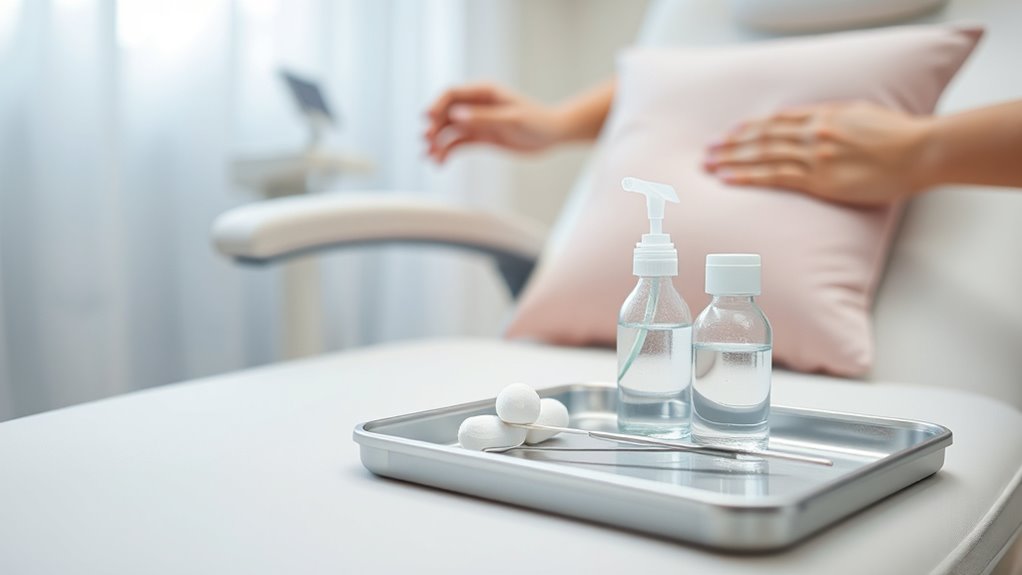
Even if the procedure is quick, you might feel a range of sensations during a Pap smear, from mild pressure to brief discomfort.
When the speculum is inserted, you may notice a cool or slightly uncomfortable feeling as it gently opens the vaginal walls. The scraping or brushing used to collect cells can cause a quick, mild pinch or tickling sensation.
Some women describe this as more startling than painful. You might also experience slight cramping similar to menstrual cramps, but it usually fades quickly once the sample is taken.
If you tense up, discomfort might increase, so try to breathe deeply and relax. Remember, these sensations are temporary and generally mild, making the procedure manageable for most women.
Factors That Can Influence Pain Levels
Several factors can affect how much discomfort you feel during a Pap smear. Understanding these can help you better anticipate the experience.
- Your Body’s Sensitivity: If you’re naturally sensitive or have a low pain threshold, the speculum insertion and scraping might feel more uncomfortable.
- Menstrual Cycle Timing: Scheduling your Pap smear right after your period or mid-cycle can result in less sensitivity. Exams during menstruation might cause more discomfort.
- Previous Experiences and Anxiety: If you’ve had painful exams before or feel anxious, your muscles may tense up, increasing discomfort. So, try to stay relaxed—it really helps!
Tips for Preparing Mentally and Physically for Your Pap Smear
Understanding what influences pain during a Pap smear can help you take steps to ease the experience. Start by scheduling your appointment when you’re relaxed and not during your period, as this can reduce discomfort.
Scheduling your Pap smear when relaxed and not during your period can help reduce discomfort.
Avoid intercourse, douching, or using vaginal products 24-48 hours before your test to prevent irritation. Mentally, practice deep breathing or mindfulness techniques to stay calm.
Knowing what to expect and trusting your healthcare provider also helps ease anxiety. Wear comfortable clothing and arrive a little early to avoid feeling rushed.
Staying hydrated and emptying your bladder beforehand can increase your comfort. By preparing both mentally and physically, you can make the Pap smear less stressful and more manageable, ensuring you’re taking care of your health with confidence.
When to Speak Up: Communicating Discomfort to Your Healthcare Provider
You should pay close attention to any pain or unusual discomfort during your Pap smear.
If something feels off, don’t hesitate to tell your healthcare provider right away. Clear communication helps them adjust the procedure to keep you as comfortable as possible.
Recognizing Signs of Discomfort
Although Pap smears are generally quick and straightforward, it’s important to recognize when you feel discomfort during the procedure.
Paying attention to your body’s signals helps guarantee your comfort and safety. Here are some key signs to watch for:
- Sharp or intense pain: A sudden, stabbing sensation is not normal and should be addressed immediately.
- Persistent cramping: Mild cramping is common, but if it intensifies or lingers, speak up.
- Unusual pressure or pinching: If you feel excessive pressure beyond mild discomfort, let your provider know.
Recognizing these signs empowers you to communicate effectively and helps your healthcare provider adjust the procedure to minimize pain.
Don’t hesitate to alert them—your comfort matters.
Expressing Concerns Clearly
When discomfort arises during a Pap smear, speaking up promptly can make all the difference in managing pain and ensuring your well-being. Don’t hesitate to tell your healthcare provider if something feels painful or unusual.
You might say, “I’m feeling a sharp pain” or “This is more uncomfortable than I expected.” Clear communication helps your provider adjust their technique or use additional measures to ease your discomfort.
Remember, you have the right to pause the procedure if needed. Being honest about your feelings allows your provider to support you better and can prevent unnecessary pain.
Your comfort matters, so trust yourself and speak up whenever something doesn’t feel right during the exam.
Conclusion
Now that you know what to expect, doesn’t it feel easier to face a Pap smear with confidence? Remember, while some discomfort is common, it shouldn’t be painful.
Preparing both mentally and physically can make a big difference. And if you ever feel too uncomfortable, don’t hesitate to speak up—your healthcare provider is there to help.
Taking these steps guarantees your Pap smear visit is as smooth and comfortable as possible. Being informed about the process and knowing how to prepare can ease anxiety and reduce discomfort. This way, you can focus on the importance of the test for your health without unnecessary worry.
So, next time you have a Pap smear appointment, remember these tips for comfort and confidence. A little preparation goes a long way in making your experience positive and stress-free.