
Why Is Toilet Paper So Expensive in 2027?
You’re paying more for toilet paper in 2027 because supply chain disruptions and raw material shortages have tightened availability. These problems mean there’s less product reaching the shelves, which drives prices up.
On top of that, rising energy costs and stricter environmental regulations add to production expenses.
Manufacturers have to cover those extra costs, so they pass them on to you. Trade barriers and global economic changes also play a big role, making materials and shipping pricier.
All these factors combine to push toilet paper prices up markedly.
If you want to understand exactly why these issues matter and how they connect, keep exploring the details behind the cost hike. It’s a complex situation, but breaking it down helps make sense of why your everyday essentials cost more these days.
Supply Chain Challenges Affecting Production
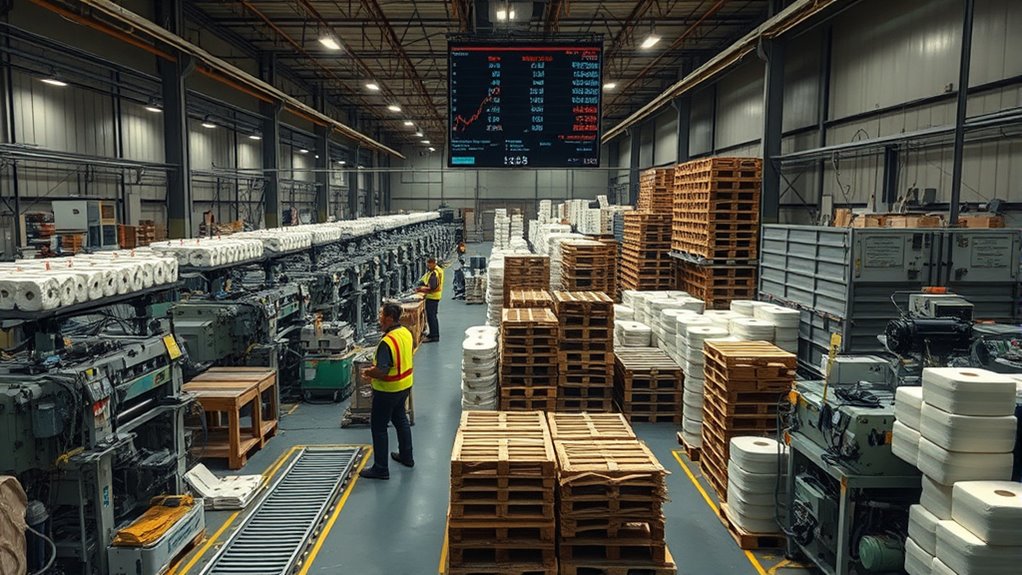
Although the demand for toilet paper remains steady, supply chain challenges have made production more difficult. You’ve probably noticed delays or shortages at stores, and that’s largely because manufacturers struggle to get essential components on time.
Transportation bottlenecks, limited warehouse space, and increased shipping costs all slow down how quickly products reach shelves. You can’t expect smooth operations when trucks face driver shortages and ports experience congestion regularly.
Plus, fluctuating fuel prices add unpredictability to delivery expenses, which manufacturers pass on to you. Even if factories run efficiently, these external hurdles disrupt the flow from raw materials to finished rolls.
Impact of Raw Material Shortages
You’ll notice that pulp supply constraints are tightening the market, pushing production costs higher. When raw materials get scarce, manufacturers pay more, and those costs often trickle down to you.
Plus, global trade disruptions make it harder to source what’s needed on time. That just adds more pressure and drives prices up even further.
Pulp Supply Constraints
When pulp suppliers face shortages, you can expect toilet paper prices to climb. Pulp is the main raw material for toilet paper, so any disruption in its supply directly impacts availability and cost.
You’ll notice that factors like reduced logging due to environmental regulations or natural disasters can tighten pulp supply. When mills can’t source enough pulp, they produce less, creating scarcity.
This scarcity forces manufacturers to pay more for the limited pulp they can get, and those extra costs eventually reach you at the store. Plus, global demand for pulp in other industries competes with toilet paper production, squeezing supply even further.
Increased Production Costs
Pulp shortages don’t just raise raw material costs—they also drive up overall production expenses for toilet paper manufacturers. When the supply of pulp tightens, you’ll notice that mills have to work harder, often running less efficient machinery or sourcing more expensive alternative fibers.
This inefficiency pushes energy and labor costs higher. Plus, when raw materials become scarce, you can expect manufacturers to spend more on quality control and waste reduction to make every scrap count.
These added steps aren’t cheap, and they trickle down to you as a consumer. So, when you see toilet paper prices climbing, understand that it’s not just the cost of wood pulp itself—it’s the entire production chain feeling the squeeze from these shortages, making it pricier to produce the rolls you rely on daily.
Global Trade Disruptions
Although raw material shortages mainly affect production costs, they also disrupt global trade networks crucial for toilet paper supply. When essential materials like pulp become scarce, suppliers struggle to meet demand, causing delays and increased shipping costs.
You might notice longer wait times or higher prices at your local store because manufacturers can’t source materials as easily from overseas. Trade routes get congested or rerouted, and tariffs or restrictions worsen the situation.
As a result, the entire supply chain slows down, pushing prices up. You rely on a smooth global trade system for affordable toilet paper, and when that system falters, you feel the impact directly.
Understanding these disruptions helps you see why prices keep climbing in 2027.
Rising Energy and Manufacturing Costs
As energy prices climb, manufacturers have to pay more to keep their machines running and facilities heated. You might not realize it, but producing toilet paper requires significant energy—from pulping wood fibers to drying and rolling the paper.
When electricity and fuel costs rise, these expenses directly impact production costs. You end up paying more because manufacturers pass these higher costs down the supply chain.
Additionally, raw materials like wood pulp have become pricier due to increased transportation and processing energy needs. You can see how these factors combine: higher energy bills lead to increased manufacturing costs, which then push toilet paper prices upward.
Changes in Consumer Buying Behavior
When prices rise, you tend to rethink how and what you buy, and toilet paper is no exception. You might switch from premium brands to more affordable options or buy in bulk to save money.
Many shoppers now balance cost and quality differently than before, often prioritizing deals over brand loyalty. Your buying patterns have shifted, and retailers have noticed.
| Consumer Behavior | Impact on Buying | Resulting Trend |
|---|---|---|
| Shift to budget brands | Lower spending per roll | Increased demand for economy packs |
| Bulk purchasing | Larger quantity buys | Reduced store visits |
| Brand switching | Less brand loyalty | More variety in carts |
| Deal hunting | Price sensitivity | Promotions drive sales |
You’re adapting, and the market reflects these changes.
Environmental Regulations and Sustainability Efforts
Because environmental concerns have grown, new regulations now shape how toilet paper is produced and sold. You’ll notice these rules push manufacturers to prioritize sustainability, which can increase costs.
Here’s how this impacts you:
- Producers must use certified sustainable wood or recycled fibers, limiting cheaper raw material options.
- Manufacturing processes require reduced water and energy usage, demanding costly technology upgrades.
- Packaging must be biodegradable or recyclable, often more expensive than traditional plastic.
These efforts aim to protect forests and reduce waste, but they also mean you pay more for eco-friendly products. While it might sting your wallet, supporting these regulations helps ensure a healthier environment for the future.
Global Economic Factors Influencing Prices
You’ll notice that rising raw material costs have a direct impact on toilet paper prices. Supply chain disruptions can make it harder and more expensive to get products where they need to go.
Plus, inflation and currency fluctuations add another layer of unpredictability to the market. It’s like everything’s connected, and one change ripples through the whole system.
Raw Material Cost Surge
Although raw material costs have fluctuated over the years, recent global economic shifts have driven prices sharply upward. When you buy toilet paper today, you’re paying more because the basic inputs have become pricier.
Here’s why:
- Pulp Prices Rise: Demand for wood pulp, essential for toilet paper, has surged, pushing costs higher.
- Energy Costs Increase: Manufacturing relies heavily on energy, and rising fuel prices make production more expensive.
- Environmental Regulations: Stricter policies to protect forests mean companies invest more in sustainable sourcing, adding to expenses.
You can see how these factors combine to raise the baseline cost before the paper even reaches the shelves. It’s a chain reaction, really. Understanding this helps explain why your everyday toilet paper now carries a heftier price tag.
Supply Chain Disruptions
When global supply chains face disruptions, the impact quickly trickles down to the cost of everyday items like toilet paper. You might notice delays and shortages because factories can’t get raw materials or transport goods efficiently.
Shipping bottlenecks, labor strikes, and natural disasters all contribute to these issues, driving prices higher. Here’s a quick look at common disruptions and their effects:
| Disruption Type | Cause | Impact on Toilet Paper Price |
|---|---|---|
| Shipping Delays | Port congestion | Higher storage & shipping fees |
| Labor Shortages | Strikes, pandemics | Reduced production output |
| Raw Material Delay | Forest fires, shortages | Limited supply, price hikes |
| Infrastructure | Road/rail damage | Increased transport costs |
You’ll find these factors often combine, making toilet paper pricier and harder to find. So yeah, when supply chains get messy, it hits us right where it counts—in the essentials.
Inflation and Currency Fluctuations
Since inflation steadily drives up the cost of goods, you can expect toilet paper prices to rise as well. Inflation reduces your purchasing power, meaning manufacturers pay more for raw materials and labor, and those costs get passed on to you.
Additionally, currency fluctuations impact import expenses, especially if your country relies on foreign pulp or machinery. Here’s how these factors affect you:
- Inflation increases production and transportation costs, directly raising retail prices.
- A weaker local currency makes imported materials pricier, squeezing profit margins.
- Volatile exchange rates create uncertainty, prompting suppliers to raise prices to hedge risks.
Understanding these global economic pressures helps you see why your everyday essentials like toilet paper become more expensive over time. It’s all connected, and knowing this can make those price changes a bit easier to understand.
Conclusion
You might feel like finding affordable toilet paper in 2027 is as tricky as catching smoke with your hands. With supply chain hiccups, raw material shortages, and rising energy costs all squeezing production, prices aren’t dropping anytime soon.
Plus, your buying habits and new environmental rules are shaking things up even more. Understanding these factors helps you see why that simple roll costs more—it’s all connected in a complex, ever-changing web.
So, why is toilet paper so expensive in 2027? It boils down to a mix of challenges: disrupted supply chains make it harder to get materials, while shortages in raw materials push prices higher. Add in the cost of energy to produce and transport these goods, and you get a price hike. On top of that, changing consumer demand and stricter environmental regulations mean manufacturers have to adjust, which can add to the cost. All these factors combined explain why that everyday item isn’t as cheap as it used to be.