How to Get a Pap Smear During My Period Step by Step
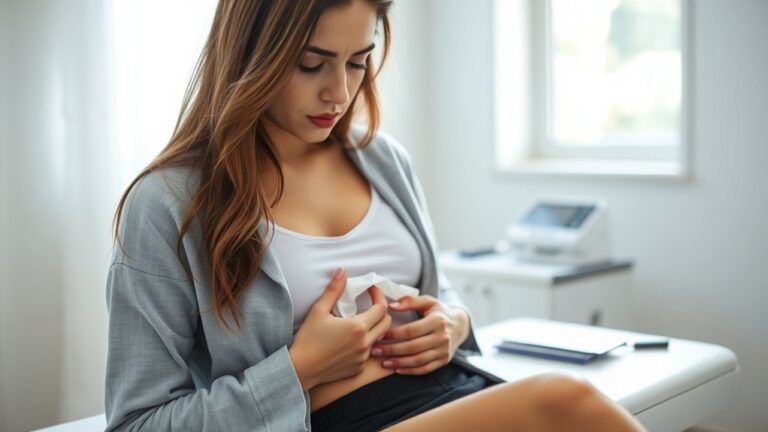
You can get a Pap smear during your period by scheduling it on lighter flow days, ideally between days 10-20 of your cycle. This is often the best time because the flow is lighter, which helps with clearer results.
Before your appointment, avoid douching and use gentle soap to keep things clean but not irritated.
Wear comfortable clothes to make the process easier and less stressful.
During the test, expect mild pressure and possibly some spotting, which is completely normal and nothing to worry about.
Afterward, make sure to rest and avoid tampons for 24-48 hours to prevent irritation or infection.
Knowing how to prepare, what to expect, and how to care for yourself can make the whole Pap smear process smoother and more comfortable for you.
Understanding Pap Smears and Menstrual Cycles
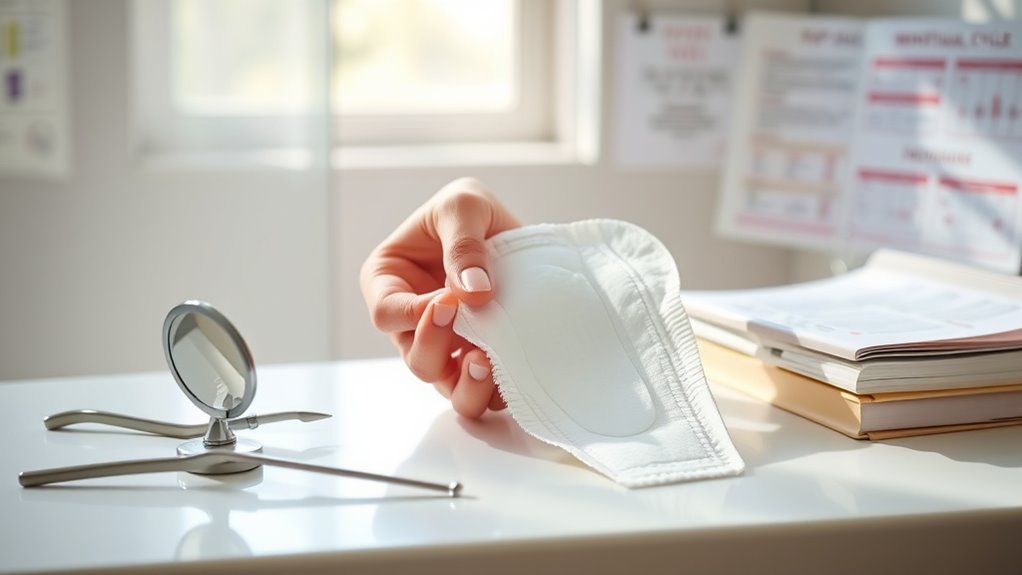
How does your menstrual cycle affect getting a Pap smear? Your menstrual cycle can influence the timing and accuracy of the test.
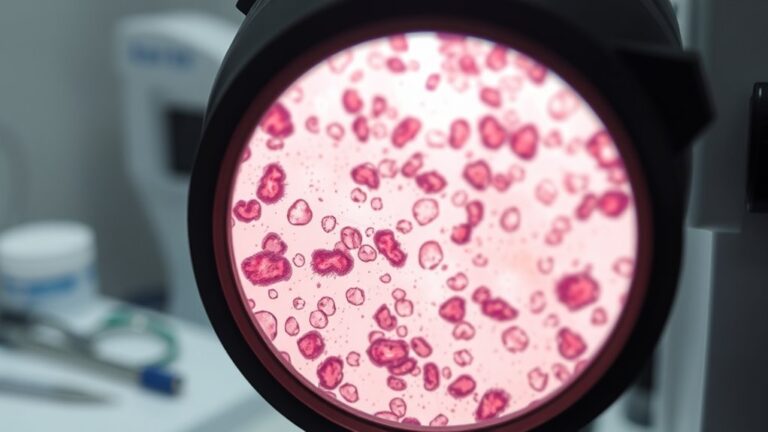
During your period, cervical cells may be mixed with blood, making it harder for your healthcare provider to get a clear sample. This can sometimes lead to inconclusive results or the need to repeat the test.
However, you can still get a Pap smear while menstruating if necessary. Understanding your cycle helps you decide when to schedule the appointment for the best results.
Typically, the ideal time is between days 10 and 20 of your cycle, when the cervix is more accessible and less likely to bleed. Knowing this helps you feel more prepared and confident during your visit.
Scheduling Your Appointment During Your Period
When scheduling your Pap smear, aim for the lighter days of your period to help guarantee a clearer sample.
Don’t forget to let your healthcare provider know that you’re on your period when you book the appointment. This way, they can prepare and advise you on the best approach for your visit.
Best Days to Schedule
Although many people worry about scheduling a pap smear during their period, you can still find days that work well for testing. The best time to schedule your appointment is usually during the lighter flow days or right before your period starts.
These days tend to cause less interference with the test and make the process more comfortable. If your period is heavy or irregular, aim for the days when your bleeding is minimal.
Avoid the first and last day of your period since flow can be unpredictable or heavier. Remember, some clinics might have specific guidelines, so check with them if you’re unsure.
Informing Your Healthcare Provider
Since scheduling a pap smear during your period can affect the test, you should always inform your healthcare provider ahead of time. When you call to make your appointment, mention that you expect to be menstruating.
This allows your provider to plan accordingly and advise if rescheduling is better. If your period starts unexpectedly on the appointment day, call the office to update them.
Some clinics are equipped to handle pap smears during menstruation, while others prefer rescheduling. Being upfront helps avoid wasted trips and ensures accurate results.
Your provider may also suggest alternatives or adjustments to the procedure to minimize discomfort and improve sample quality. Clear communication guarantees you receive the best care tailored to your situation.
Preparing Yourself Before the Pap Smear
Before your Pap smear, it helps to contemplate your cycle when scheduling to make the process smoother. Keeping up with personal hygiene can also make you feel more comfortable during the exam.
Don’t hesitate to communicate openly with your provider about your period and any concerns you have. It’s totally okay to ask questions and share how you’re feeling!
Scheduling Around Your Cycle
When planning your Pap smear, consider timing it around your menstrual cycle to guarantee the most accurate results. Ideally, schedule your appointment when you’re not on your period, as blood can interfere with the test.
However, if you must go during menstruation, communicate this to your healthcare provider. To help you schedule effectively:
- Track your cycle for a few months to identify the best days, typically 10-20 days after your period starts.
- Avoid scheduling right before or during your period if possible; this reduces discomfort and improves sample quality.
- Call your clinic ahead to confirm if they can accommodate a Pap smear during your period and discuss any necessary preparations.
Being proactive about timing helps both you and your provider get the most reliable results. It just makes the whole process smoother for everyone involved.
Personal Hygiene Tips
Although getting a Pap smear during your period can feel a bit uncomfortable, maintaining good personal hygiene beforehand can make the experience smoother and more pleasant. Start by taking a gentle shower before your appointment, using mild, unscented soap to clean your genital area.
Avoid douching, as it can disrupt your natural vaginal balance. Wear clean, breathable cotton underwear to keep the area fresh. If possible, change your tampon or pad right before you head to the clinic to minimize any discomfort or mess.
Staying hydrated and emptying your bladder beforehand can also help you feel more comfortable during the exam. These simple steps ensure you’re prepared and help your healthcare provider get accurate results without unnecessary hassle.
Communicating With Your Provider
Since a Pap smear during your period might raise questions or concerns, it’s important to communicate openly with your healthcare provider. Being upfront helps you both prepare for the appointment and guarantees accurate results.
Here’s how to get ready:
- Inform Your Provider: Let them know you’re on your period when scheduling or at the start of your visit. This helps them decide if they can proceed or reschedule.
- Ask Questions: Don’t hesitate to ask about the procedure’s effectiveness during menstruation and any special preparations you should follow.
- Share Medical History: Mention any symptoms, contraceptive use, or recent infections to provide context for your provider.
Clear communication makes your Pap smear smoother and more comfortable—even on your period.
What to Expect During the Pap Smear on Your Period
Even if you’re on your period, your healthcare provider can still perform a pap smear with careful technique. They’ll use a speculum gently to minimize discomfort and collect cells from your cervix, even with menstrual blood present.
You might notice a bit more spotting than usual, but that’s normal and nothing to worry about. The procedure usually takes just a few minutes. Here’s what you can expect:
| Step | What Happens |
|---|---|
| Arrival & Preparation | You’ll change into a gown |
| Speculum Insertion | Provider inserts speculum carefully |
| Sample Collection | Cells gently scraped from cervix |
| Possible Spotting | Light bleeding or spotting possible |
| Completion & Cleanup | Speculum removed; you get dressed |
Managing Discomfort and Staying Relaxed
You might feel a bit more sensitive during a pap smear while on your period, but managing discomfort can make the experience smoother. Staying relaxed helps your muscles ease, reducing pain and tension.
Feeling sensitive during a pap smear on your period is common; staying relaxed can reduce pain and tension.
Here’s how you can manage discomfort and stay calm:
- Breathe deeply: Focus on slow, steady breaths to calm your nervous system and distract from discomfort.
- Communicate with your provider: Let them know if you feel pain or need a break. They can adjust their technique to make you comfortable.
- Use a warm compress beforehand: Applying heat to your lower abdomen can relax your pelvic muscles and ease cramping.
Aftercare Tips Following a Pap Smear During Your Period
Although having a pap smear during your period might feel a bit different, taking proper care afterward helps guarantee comfort and supports healing. After your appointment, try to avoid inserting anything like tampons or douches for at least 24 to 48 hours to prevent irritation or infection.
Use a sanitary pad instead of a tampon to manage your flow comfortably. If you experience mild spotting or cramping, don’t worry—that’s normal and should subside quickly.
To ease discomfort, apply a warm compress or take over-the-counter pain relievers as needed. Stay hydrated and avoid strenuous activities for the rest of the day.
If you notice heavy bleeding, severe pain, or unusual discharge, contact your healthcare provider promptly. Following these tips ensures a smooth recovery after your pap smear during your period.
Conclusion
Getting a Pap smear during your period is totally doable and often more common than you think—about 30% of women get tested while menstruating. By scheduling wisely, preparing well, and knowing what to expect, you can stay comfortable and confident throughout the process.
Remember, taking care of your cervical health doesn’t have to wait for the perfect timing. You’ve got this, even on your period!
So, if you’re wondering how to get a Pap smear during your period, just know it’s okay to go ahead and book that appointment. With the right preparation, a Pap smear during menstruation can be straightforward and stress-free. Prioritize your health and don’t let your period hold you back from getting this important screening done.