

How Often to Have a Pap Smear Test
You should start getting Pap smears at age 21 and have them every three years if your results are normal. These tests are essential for cervical health, helping detect changes that might lead to cervical cancer early on. Staying on top of your Pap smear schedule is a key step in taking control of your health.
Once you’re in your 30s, you can keep getting tested every three years. Or, for more accuracy, you might choose to combine Pap and HPV tests every five years. This combination helps catch any potential issues early by checking for the human papillomavirus, a common cause of cervical cancer.
After 40, regular screening continues until 65. However, how often you get tested may change based on your health history and HPV status.
Knowing these guidelines well lets you adjust your testing schedule confidently and keep your cervical health in check.
Recommended Pap Smear Frequency by Age Group

Although guidelines can vary, health experts generally recommend specific Pap smear frequencies based on your age to maximize effectiveness and minimize unnecessary procedures.
For women aged 30 to 65, the typical recommendation is a Pap smear every three years. Alternatively, you might opt for a Pap smear combined with an HPV test every five years, which can offer more thorough screening.
If you’re over 65 and have had regular, normal screenings, your doctor may suggest stopping Pap smears altogether. However, if you have certain risk factors or medical history, your healthcare provider might advise a different schedule.
Pap Smear Guidelines for Women in Their 20s
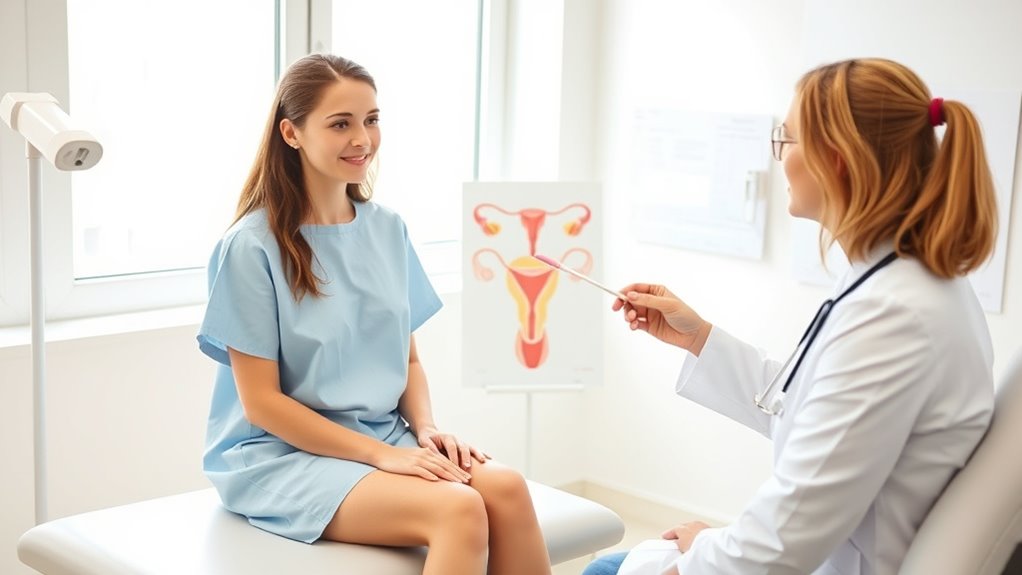
While women aged 30 to 65 have specific guidelines for Pap smears, the recommendations for those in their 20s are a bit different. If you’re in this age group, here’s what you should know:
Start getting Pap smears at age 21, even if you’re not sexually active. After your first Pap test, you only need to have one every three years if results are normal.
You don’t need HPV testing alongside your Pap smear until age 30. That’s because HPV infections are common and often clear up on their own in younger women.
Following these guidelines helps catch any abnormal cell changes early while avoiding unnecessary tests and procedures. Always consult with your healthcare provider if you have questions or specific health concerns.
How Often Should Women in Their 30s Get Tested?
If you’re in your 30s, you should get a Pap smear every three years if your previous results were normal.
However, factors like HPV testing and your health history might change how often you need screening.
It’s important to discuss your specific situation with your healthcare provider to determine the best schedule.
Recommended Screening Frequency
Since your 30s mark a pivotal period for cervical health, it’s important to follow recommended Pap smear schedules to catch any abnormalities early.
Generally, you should get a Pap smear every three years if your results have been normal and you’re between 21 and 65 years old.
You can also combine your Pap smear with an HPV test every five years if you’re aged 30 to 65. This combo can improve screening accuracy.
It’s a good idea to continue regular screenings until age 65, unless your healthcare provider advises otherwise based on your medical history.
Sticking to this schedule helps detect cervical changes early, which really boosts the chances of successful treatment.
Always chat with your doctor about your personal risk factors to make sure you’re on the right testing plan for your health.
Factors Affecting Test Timing
Because your individual health and lifestyle play key roles, how often you should get a Pap smear in your 30s can vary. If you have a history of abnormal Pap results, HPV infections, or a weakened immune system, your doctor might recommend more frequent testing.
On the other hand, if you’ve consistently had normal results and no risk factors, screening every three years may be sufficient. Your sexual activity, smoking habits, and whether you’ve been vaccinated against HPV also influence timing.
It’s important to discuss these factors with your healthcare provider, who can tailor a screening schedule that fits your unique needs. Staying proactive and informed guarantees you get tested as often as necessary to maintain your cervical health.
Pap Smear Testing Recommendations for Women Over 40
As you enter your 40s, maintaining regular Pap smear tests becomes essential to monitor cervical health effectively. At this stage, your risk for cervical changes may increase, so staying on top of screening is vital.
Here’s what you should know:
- Get a Pap smear every three years if your results have been normal and you’re between 40-65 years old.
- Consider combining the Pap smear with an HPV test every five years for more thorough screening.
- Continue screening until age 65, unless your doctor advises otherwise based on your health history.
Following these guidelines helps catch any abnormalities early, keeping your cervical health in check as you age.
Stay proactive and schedule your screenings regularly. It’s a simple step that can make a big difference!
When to Adjust Pap Smear Frequency Based on Health History
While general guidelines suggest regular Pap smears for women over 40, your personal health history might mean you need a different screening schedule. If you’ve had abnormal Pap results in the past, your doctor may recommend more frequent testing to monitor changes closely.
Similarly, if you’re immunocompromised due to conditions like HIV or medications, your risk of cervical abnormalities increases. So, you’ll likely need earlier and more frequent screenings.
A history of cervical cancer or precancerous lesions also calls for tighter surveillance. On the other hand, if you’ve had a total hysterectomy for non-cancer reasons, your doctor might advise you to stop Pap smears altogether.
Always discuss your unique medical background with your healthcare provider to tailor the screening intervals appropriately. It’s important to get the schedule that fits your needs best.
The Role of HPV Testing in Determining Pap Smear Intervals
You can use HPV testing to help decide how often you need a Pap smear. Since HPV tests detect high-risk virus types linked to cervical cancer, they often allow for longer intervals between screenings if results are negative.
This approach lets you follow a personalized schedule that suits your risk level. It’s a smart way to keep track of your health without unnecessary tests.
HPV Testing Benefits
How does HPV testing influence how often you need a Pap smear? HPV testing helps identify the presence of high-risk human papillomavirus strains that can lead to cervical cancer.
Knowing your HPV status offers several benefits:
- Early Detection: It catches risky infections before abnormal cells develop, allowing timely follow-up.
- Personalized Screening: If you test negative for high-risk HPV, your doctor may recommend longer intervals between Pap smears.
- Reduced Anxiety: Understanding your HPV status helps you and your healthcare provider make informed decisions about your screening schedule.
Impact on Screening Frequency
Since HPV testing identifies your risk level more accurately, it directly affects how often you need a Pap smear.
If your HPV test is negative, you can safely extend the interval between Pap smears, which means fewer unnecessary procedures.
Conversely, a positive HPV result may require more frequent screenings to monitor any changes closely.
This tailored approach helps you avoid overtesting while staying vigilant against cervical cancer.
| HPV Test Result | Risk Level | Recommended Pap Smear Interval |
|---|---|---|
| Negative | Low | Every 5 years |
| Positive (high-risk HPV) | High | Every 1-3 years |
| Positive (low-risk HPV) | Moderate | Every 3 years |
| Unknown | Undefined | Follow standard guidelines |
Understanding this helps you manage your health more effectively.
Personalized Pap Smear Schedules
When HPV testing is part of your cervical health routine, it helps guide how often you should get a Pap smear. This personalized approach tailors screening intervals based on your specific risk.
Here’s how it works:
- If your HPV test is negative, you can usually extend the time between Pap smears to every five years. That’s because your risk of cervical cancer is low.
- If the HPV test detects high-risk strains, your doctor will recommend more frequent Pap smears or additional follow-up. This helps monitor any changes closely.
- For certain age groups or health histories, combining HPV testing with your Pap smear gives a clearer picture. This allows for a customized schedule that balances safety and convenience.
Conclusion
You might think getting a Pap smear often feels like a chore, but skipping it risks your health. In your 20s, frequent testing keeps you safe; in your 30s and beyond, spacing it out makes sense.
Your history and HPV status might speed things up or slow them down. Balancing vigilance with convenience, you take control—staying proactive without overdoing it.
It’s about timing, care, and knowing what’s right for you. Regular Pap smear tests are essential for early detection of cervical changes, especially when combined with HPV testing. Following recommended guidelines helps you avoid unnecessary stress while maintaining your health. Remember, how often to have a Pap smear test depends on your age, medical background, and risk factors. Stay informed and work with your healthcare provider to create a schedule that fits your unique needs, ensuring you stay protected without feeling overwhelmed.