Should I Cancel My Pap Smear While on My Period?
You should avoid having your Pap smear while on your period because menstrual blood can interfere with the test results and make it harder for the doctor to collect a clear sample.
Scheduling your test between days 10 and 20 of your cycle helps get the most accurate results.
If your period starts unexpectedly, it’s usually best to reschedule.
Managing discomfort and understanding timing can make the process smoother—keep going to find out how.
How Menstruation Can Affect Pap Smear Results
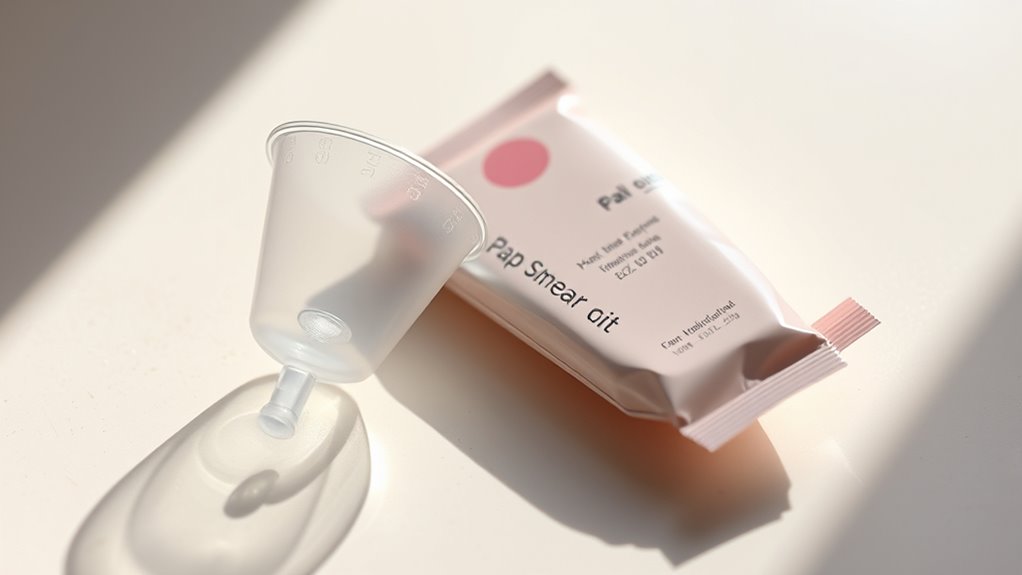
Although you can technically get a Pap smear during your period, menstruation can affect the accuracy of the results. Blood and tissue from your period may interfere with the lab’s ability to clearly analyze cervical cells.
This can lead to inconclusive or false results, meaning you might need another test sooner than expected. Also, the presence of blood can make it harder for your healthcare provider to collect an adequate sample, which might reduce the test’s effectiveness.
You might feel more uncomfortable or notice increased spotting since the cervix is more sensitive during menstruation. Knowing how your period impacts the test helps you make informed decisions about timing. That way, you can ensure you get the most reliable results from your Pap smear.
Medical Recommendations on Scheduling Pap Smears During Your Period
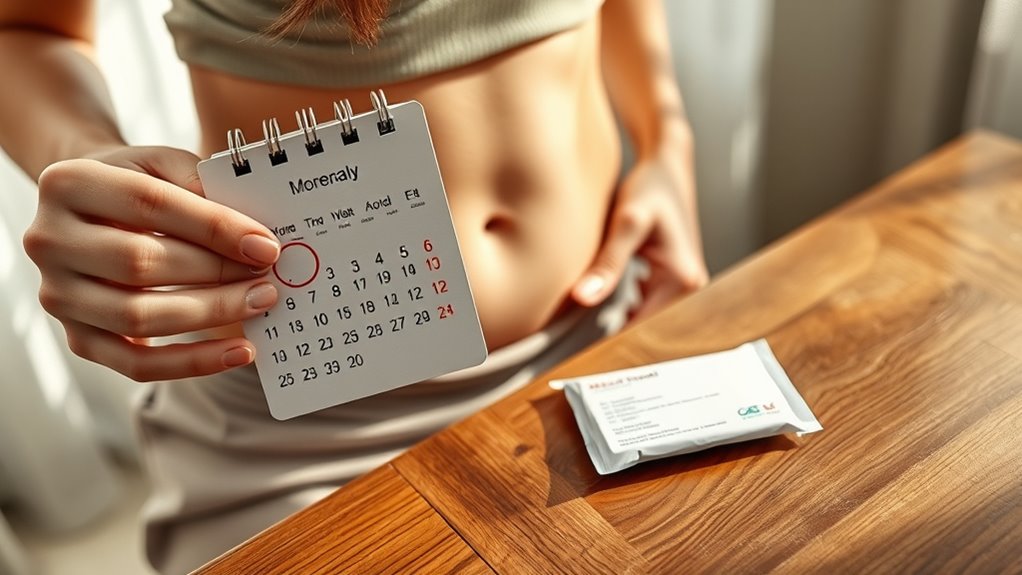
When scheduling your Pap smear, it’s best to avoid your period because menstrual blood can hinder with test accuracy. Doctors usually recommend timing the test between days 10 and 20 of your cycle for the clearest results.
Sticking to this window helps ensure your Pap smear provides reliable information. So, try to plan your appointment accordingly to get the most accurate results possible.
Optimal Timing Guidelines
Since menstrual blood can interfere with test accuracy, doctors usually recommend scheduling your Pap smear when you’re not on your period.
To get the most reliable results and make the process comfortable, follow these ideal timing guidelines:
- Aim for days 10 to 20 of your menstrual cycle, after your period ends but before ovulation.
- Avoid scheduling during heavy flow days to reduce sample contamination.
- If your cycle is irregular, choose a day when you’re least likely to be bleeding.
- Reschedule if you unexpectedly start your period on the appointment day to ensure clear cell collection.
Impact of Menstrual Blood
Menstrual blood can interfere with the accuracy of your Pap smear results, which is why doctors advise against scheduling the test during your period. When menstrual blood mixes with cervical cells collected during the smear, it can obscure abnormal cells or cause contamination.
This makes it harder for the lab to interpret the results correctly, potentially leading to false negatives or the need for repeat testing. To get the most reliable results, you should plan your Pap smear at least five days after your period ends, when your cervix is free from blood and mucus.
If you accidentally schedule the test during your period, just let your healthcare provider know. They might suggest rescheduling to guarantee you get clear and accurate findings.
Potential Discomfort and How to Manage It
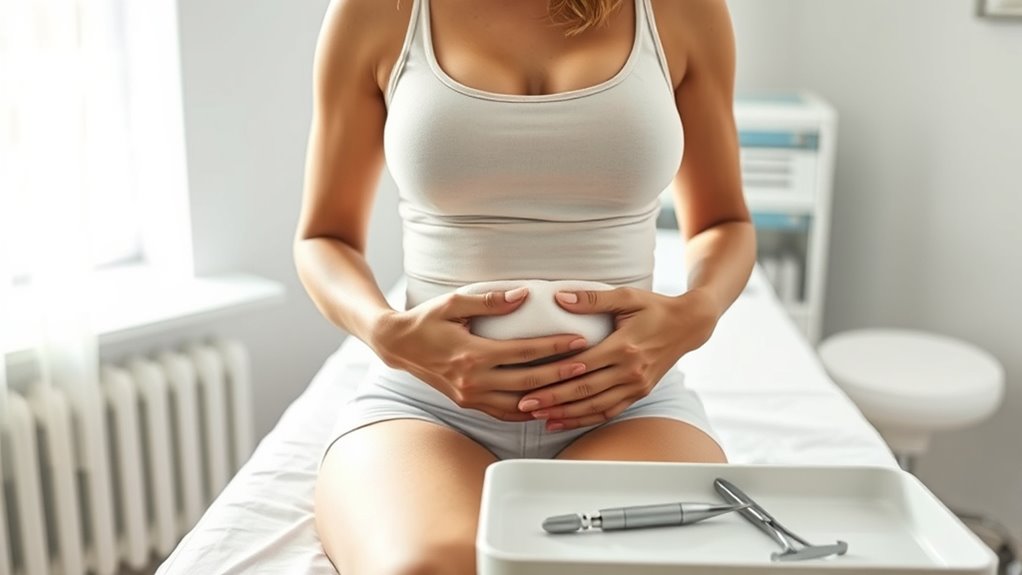
Although undergoing a Pap smear during your period can sometimes cause discomfort, there are simple ways you can ease the experience. You might feel more sensitive or cramping, but managing these symptoms can make the procedure smoother.
Here are four tips to help you handle potential discomfort:
- Take pain relievers: Use over-the-counter meds like ibuprofen about 30 minutes before your appointment. This can help reduce cramps and make you feel more comfortable.
- Practice deep breathing: Relaxation techniques can ease tension. Taking slow, deep breaths might make the exam less uncomfortable.
- Communicate with your provider: Don’t hesitate to let them know if you’re feeling pain or discomfort. They can adjust their approach to help you feel better.
- Wear comfortable clothing: Loose clothes help you feel more at ease before and after the test. It’s all about making yourself as comfortable as possible.
These steps can help you get through your Pap smear with minimal discomfort. Just remember, it’s totally okay to speak up and take care of yourself during the process.
Alternatives and Rescheduling Options
If you find the idea of a Pap smear during your period uncomfortable or inconvenient, you have options. You can reschedule your appointment for a time when you’re not menstruating, ideally between days 10 and 20 of your cycle. That’s when cervical cells are easier to collect.
Many clinics understand this concern and will gladly accommodate a change if you call ahead. Alternatively, if delaying the test isn’t ideal due to health reasons, some providers may suggest using menstrual cups or tampons before the appointment to minimize bleeding.
You can also discuss the possibility of other screening methods, although Pap smears remain the gold standard. Ultimately, choosing the timing that feels right for you helps ensure the most accurate results without added stress.
Preparing for Your Pap Smear Appointment on Your Period
When scheduling your Pap smear, consider timing it around your menstrual cycle to reduce discomfort. If your appointment falls during your period, you can take steps to manage hygiene and feel more comfortable.
Knowing how to prepare can help make certain the visit goes smoothly. It’s all about making the experience as easy as possible for you.
Scheduling Around Menstrual Cycle
Since menstrual flow can interfere with the accuracy of a Pap smear, you might want to schedule your appointment for a time when you’re not on your period. Planning ahead can help guarantee the test results are reliable and the procedure is more comfortable.
Here’s how you can schedule around your menstrual cycle:
- Track your cycle to identify the best days, ideally between days 10 and 20.
- Avoid booking during heavy flow days to prevent interference with the sample.
- If your cycle is irregular, communicate this with your healthcare provider for guidance.
- Reschedule if you unexpectedly start your period on the appointment day to ensure clear results.
Managing Discomfort and Hygiene
Although having a Pap smear during your period might cause some discomfort, you can take simple steps to manage hygiene and ease the experience. Before your appointment, shower and use a fresh tampon or pad to stay clean.
Bring extra pads or tampons to change immediately after the test. Wearing comfortable, loose clothing helps you feel more relaxed.
During the procedure, communicate any discomfort to your healthcare provider—they can adjust their technique to minimize pain. Using a panty liner can protect your clothes afterward.
Understanding the Importance of Regular Pap Smears
Because you may feel hesitant about scheduling a Pap smear, it’s important to understand how these screenings protect your health. Regular Pap smears help detect cervical changes early, preventing serious issues down the line.
Here’s why you shouldn’t skip them:
- They catch abnormal cells before they turn into cancer.
- Early detection allows for simpler, more effective treatment.
- Regular screening keeps track of your cervical health over time.
- They provide peace of mind by monitoring risks related to HPV and other infections.
Taking the time for these tests really pays off. It’s all about staying ahead and keeping yourself safe.
Conclusion
Think of your Pap smear like a snapshot of your cervical health—getting it during your period might blur the picture a bit. But honestly, it’s still better than missing the shot entirely.
Studies show that while menstruation can slightly affect results, many labs still process these tests accurately. So if rescheduling is tough, don’t stress about it.
Just prep well, communicate openly with your provider, and remember: keeping up with regular screenings is your best defense. Your Pap smear is key to monitoring cervical health and preventing issues down the line.
In short, you don’t necessarily have to cancel your Pap smear because you’re on your period. It’s about maintaining your routine cervical health checks and making sure you stay on top of your wellness. Regular Pap smears, even during menstruation, help catch problems early—so keep those appointments, no matter what!