
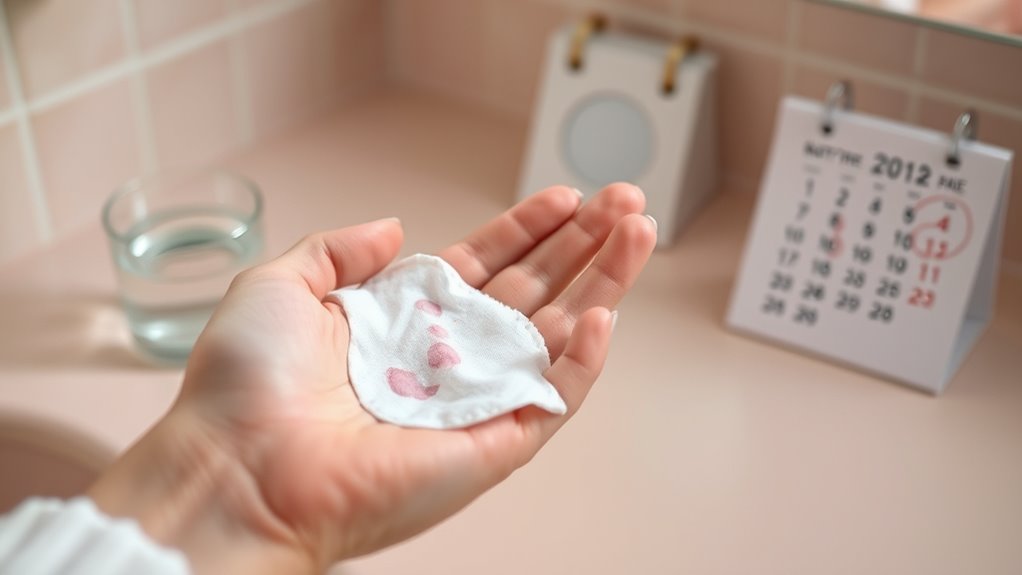
How to Manage Normal Spotting After a Pap Smear
If you notice light spotting after a Pap smear, don’t worry—it’s usually from minor irritation and should stop within a day or two. Spotting after a Pap test is quite common and generally nothing to be concerned about.
Keep the area clean with lukewarm water, avoid harsh soaps, wear breathable cotton underwear, and use light protection like panty liners. These simple steps can help you stay comfortable while your body heals.
Track the spotting, and if it lasts more than a few days or you see heavy bleeding or pain, contact your doctor. Understanding why this happens and how to care for yourself will help you feel more at ease moving forward.
Remember, a little spotting after a Pap smear is normal, so try not to stress about it too much. Just take it easy and follow these tips for managing any discomfort.
What Causes Spotting After a Pap Smear
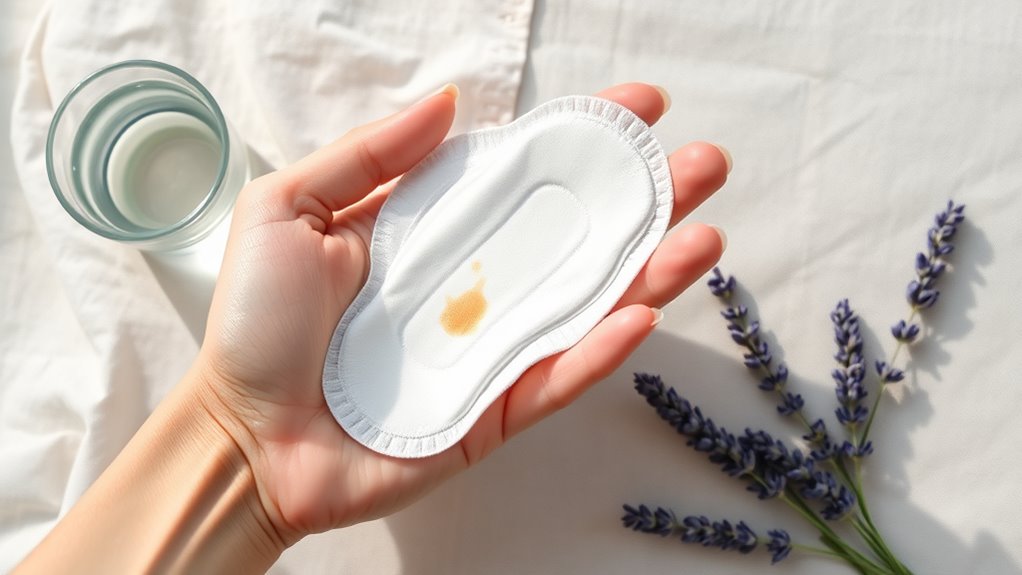
Although it might catch you off guard, spotting after a Pap smear is quite common and usually harmless. When your healthcare provider collects cells from your cervix, the process can slightly irritate or nick the sensitive tissue.
This minor trauma causes small amounts of blood to appear, resulting in spotting. Your cervix is rich in blood vessels, so even gentle scraping or brushing can lead to light bleeding.
Additionally, if you have a condition like cervical ectropion, where delicate glandular cells line the cervix, you might be more prone to spotting. Hormonal fluctuations can also affect the cervix’s sensitivity, making spotting more likely after the test.
Rest assured, this bleeding is typically minimal and resolves quickly without the need for treatment. So, if you notice a little spotting, it’s usually nothing to worry about!
Typical Duration and Appearance of Post-Pap Smear Spotting
While spotting after a Pap smear is usually brief, you can expect it to last anywhere from a few hours up to two days. The bleeding tends to be light and intermittent, often appearing as small spots rather than a steady flow.
You might notice different colors, ranging from bright red to brown, depending on how old the blood is.
| Duration | Appearance |
|---|---|
| A few hours | Bright red spots |
| Up to 2 days | Light, intermittent |
| Variable | Brown or pinkish |
This table shows the typical duration and types of spotting you might see. If your spotting fits within these patterns, it’s usually normal following a Pap smear.
Home Care Tips for Managing Spotting
After your Pap smear, you’ll want to keep your hygiene gentle to avoid irritation. Wearing comfortable, breathable protection can help you stay fresh without discomfort.
Be sure to monitor how long the spotting lasts. If it continues beyond the typical timeframe, don’t hesitate to contact your doctor.
Use Gentle Hygiene
When you experience spotting after a Pap smear, maintaining gentle hygiene can help prevent irritation and discomfort. Use lukewarm water to clean your genital area daily, avoiding harsh soaps or scented products that might cause dryness or itching.
Pat the area dry with a soft towel instead of rubbing. Avoid using douches, vaginal sprays, or wipes with fragrances, as they can disrupt your natural balance and worsen spotting.
Wearing breathable cotton underwear supports ventilation, reducing moisture buildup that could lead to irritation. Also, try to limit time spent in tight clothing or synthetic fabrics that trap heat and sweat.
Wear Comfortable Protection
Since spotting can be light and unpredictable, choosing comfortable protection is key to staying fresh and confident throughout the day. Opt for breathable, soft pads rather than tampons, which might irritate your sensitive area after a pap smear.
Pads allow you to monitor the spotting easily and reduce the risk of infection. Change your pad regularly to maintain hygiene and prevent discomfort.
If you prefer, panty liners can also work well for very light spotting, but make sure to switch them often to avoid moisture build-up. Wearing cotton underwear helps keep the area dry and allows air circulation, promoting healing.
Prioritize comfort and cleanliness to support your body’s recovery and help you feel at ease while spotting gradually subsides.
Monitor Spotting Duration
Choosing comfortable protection helps you manage spotting more effectively, but keeping an eye on how long the spotting lasts is just as important.
Typically, spotting after a Pap smear should stop within a day or two. If you notice it’s lasting longer than 2-3 days, make a note of the duration.
Prolonged spotting could signal something that needs medical attention, so don’t ignore it. Track any changes in color, amount, or accompanying symptoms like pain or fever.
This information will be useful if you need to consult your healthcare provider. By monitoring the spotting duration carefully, you can ensure your recovery stays on track and address any concerns promptly.
Always prioritize your health and don’t hesitate to seek advice if something feels off. It’s better to be safe and get it checked out!
When to Seek Medical Advice
If your spotting lasts more than a week, you should reach out to your healthcare provider. Also, watch for symptoms like heavy bleeding, severe pain, or fever, as these could signal a problem.
Don’t hesitate to get medical advice if anything feels off after your Pap smear. It’s always better to be safe and get checked out!
Persistent Bleeding Duration
Although light spotting after a Pap smear is common, you should pay close attention if bleeding lasts longer than a week. Persistent bleeding beyond this timeframe isn’t typical and may indicate an underlying issue needing medical evaluation.
Don’t overlook ongoing bleeding, even if it’s light or intermittent. It’s best to schedule an appointment with your healthcare provider to discuss your symptoms and get a thorough examination.
Early assessment helps rule out infections, cervical irritation, or other complications that might require treatment. Keep track of how many days the bleeding continues and note any changes in flow or color to share with your doctor.
Taking prompt action ensures your health stays on track and gives you peace of mind.
Accompanying Symptoms Warning
When you notice spotting after a Pap smear, pay close attention to any additional symptoms like severe pain, heavy bleeding, fever, or unusual discharge. These signs might indicate an infection or other complications that require prompt medical evaluation.
Don’t hesitate to seek advice if you experience:
- Severe pelvic or abdominal pain
- Bleeding soaking more than one pad per hour
- Fever higher than 100.4°F (38°C)
- Foul-smelling or greenish vaginal discharge
- Dizziness or fainting spells
If any of these symptoms occur, contact your healthcare provider immediately. Early intervention can prevent complications and keep your recovery on track.
Preventive Measures for Future Pap Smears
To minimize the chances of experiencing spotting after your future Pap smears, you should take some simple yet effective preventive measures. These steps can help reduce irritation and promote comfort during and after the procedure.
Staying relaxed and communicating with your healthcare provider is key. It really makes a difference when you feel comfortable and informed.
| Preventive Measure | Description |
|---|---|
| Schedule Timing | Avoid Pap smears during menstruation |
| Inform Provider | Mention any sensitive conditions or concerns |
| Gentle Hygiene | Use mild soap and avoid douching before test |
| Relaxation Techniques | Practice deep breathing to reduce tension |
Following these tips can help your body respond better to the Pap smear, minimizing spotting and discomfort. And remember, always discuss any concerns with your provider before the appointment. It’s better to ask than to worry later!
Understanding Your Pap Smear Results
Understanding your Pap smear results can feel overwhelming, but knowing what the terms and numbers mean helps you stay informed about your health.
Your report may include various terms that indicate how your cells look and whether further action is needed. Here’s what to watch for:
- Normal/Negative: No abnormal cells found; routine screening continues.
- ASC-US (Atypical Squamous Cells of Undetermined Significance): Slight abnormalities, often monitored or retested.
- LSIL (Low-grade Squamous Intraepithelial Lesion): Mild changes, sometimes caused by HPV infection.
- HSIL (High-grade Squamous Intraepithelial Lesion): More serious abnormalities requiring prompt follow-up.
- Unsatisfactory: Sample inadequate, and you may need a repeat test.
Knowing these terms helps you communicate effectively with your healthcare provider and manage your care confidently. So, don’t hesitate to ask questions if anything is unclear!
Conclusion
Don’t let a little spotting after your Pap smear send you into a panic—it’s usually as harmless as a tiny paper cut! With simple home care, you’ll be back to normal in no time.
Just remember, if the spotting turns into a flood or sticks around forever, it’s time to call your doctor. Stay informed, take care, and you’ll breeze through future Pap smears like a pro!
Managing normal spotting after a Pap smear is all about staying calm and following some easy steps. Keep an eye on the bleeding, avoid heavy lifting, and don’t use tampons for a few days. Most importantly, understand that light spotting is a common side effect and nothing to worry about.
If you want to feel confident about your health, knowing how to manage normal spotting after a Pap smear helps reduce anxiety. So, take care, listen to your body, and reach out to your healthcare provider if anything feels off. You’ve got this!