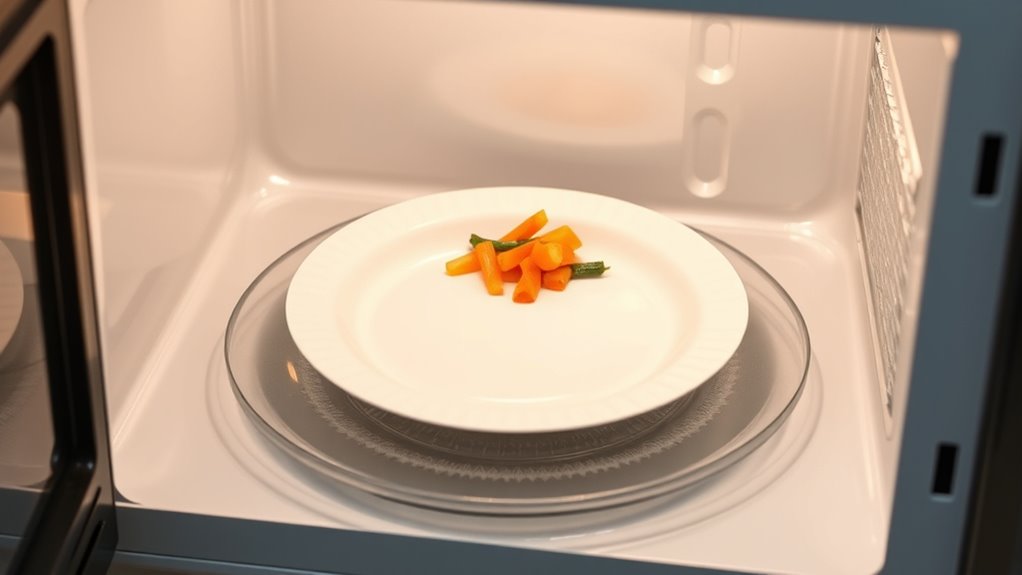
How You Can Safely Put Paper Plates in the Microwave
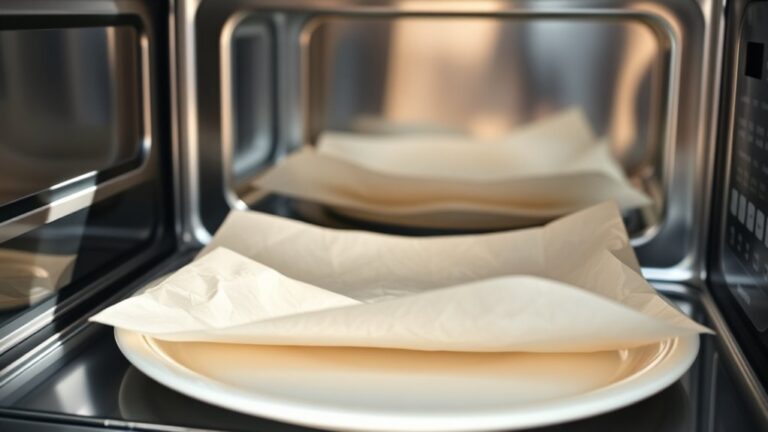
You can safely put paper plates in the microwave by using only those labeled microwave-safe and free of plastic coatings or metallic decorations. These labels ensure the plate can handle the heat without melting or causing sparks. Always check the packaging before microwaving to avoid any surprises.
Make sure to microwave plates with food or moisture present. This helps prevent the plate from drying out and potentially catching fire. Also, avoid using high power settings or heating for too long. Keep an eye on the plate while it’s in the microwave.
If the plate feels hot or shows any damage after a brief test, don’t use it again in the microwave. Staying cautious helps prevent accidents.
Follow these steps to keep things safe, and you’ll find there’s more to know about using paper plates wisely.
Identifying Microwave-Safe Paper Plates
When you’re choosing paper plates for microwave use, it’s important to check for labels indicating they’re microwave-safe. Look for symbols or wording on the packaging that confirm the plates can handle microwave heat without melting or releasing harmful chemicals.
If the label isn’t clear, avoid guessing; instead, pick plates specifically marketed as microwave-safe. Also, consider the plate’s material — some paper plates have plastic coatings or decorative elements that aren’t microwave-friendly.
Plain, uncoated paper plates usually fare better. You can test a plate by microwaving it empty for 20 seconds; if it stays cool and doesn’t warp, it’s likely safe.
Always prioritize plates designed for microwave use to ensure your food heats properly and avoid damage to your microwave or risk to your health.
Risks of Using Non-Microwave-Safe Paper Plates
If you use paper plates that aren’t microwave-safe, you risk harmful chemicals leaching into your food. These plates can also catch fire or scorch under high heat.
It’s really important to know these dangers before heating your meals. Better safe than sorry, right?
Chemical Leaching Concerns
Using non-microwave-safe paper plates can cause harmful chemicals to leach into your food during heating. These plates often contain coatings or additives that break down under microwave heat.
When that happens, toxic substances might migrate into your meal, posing health risks. To avoid this, check labels before microwaving.
| Plate Type | Coating Material | Chemical Risk Level |
|---|---|---|
| Microwave-safe | None or safe wax | Low |
| Regular paper plate | Plastic or chemical | Medium |
| Recycled paper | Unknown additives | High |
Fire Hazard Potential
Beyond chemical risks, non-microwave-safe paper plates can also pose serious fire hazards. When you microwave plates not designed for this use, they might overheat or catch fire.
These plates often contain materials or coatings that aren’t heat-resistant, leading to sparks or flames. You should never leave the microwave unattended while heating food on paper plates.
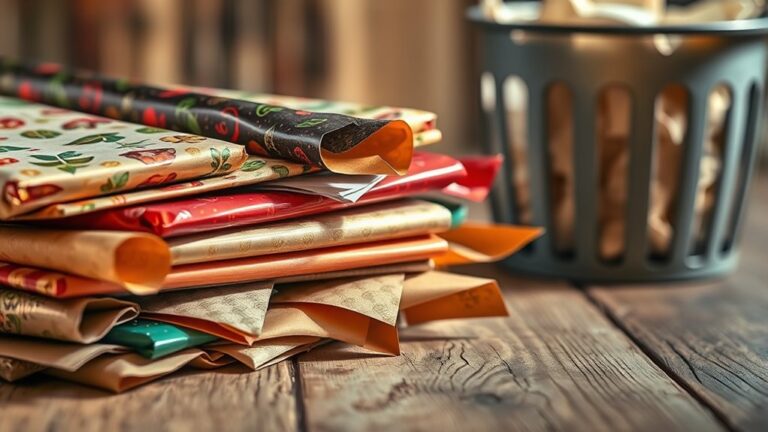
Also, avoid using plates with metallic decorations or plastic linings, as these can ignite or melt. Always check the packaging for microwave-safe labels before use.
If you notice any burning smell, smoke, or discoloration, stop the microwave immediately. By taking these precautions, you’ll reduce the risk of fire and keep your kitchen safe while enjoying the convenience of paper plates.
How to Check for Microwave Safety Labels
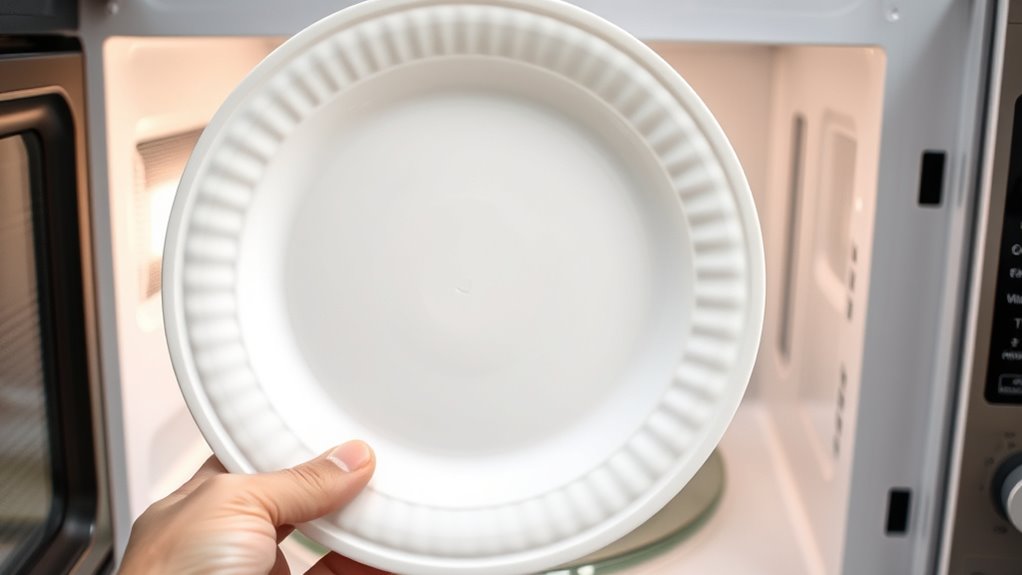
Before heating your meal, you’ll want to look for microwave safety labels on the paper plate packaging or the plate itself. These labels confirm that the plate won’t release harmful chemicals or catch fire.
Common symbols include a microwave icon or words like “microwave safe.” If you don’t see these marks, avoid microwaving the plate.
Here’s a quick guide to help you identify microwave safety labels:
| Label Type | Meaning | Action Required |
|---|---|---|
| Microwave Safe Icon | Safe for microwave use | Use as intended |
| No Symbol | Unknown safety status | Avoid microwaving |
| Heat Resistant Text | Can withstand high heat | Use with caution |
Checking these labels helps keep your food and microwave safe every time. It’s a simple step that makes a big difference!
Tips for Heating Food on Paper Plates
When you heat food on paper plates, it’s important to avoid overheating to prevent warping or burning. Start by choosing plain white or labeled microwave-safe plates without metallic or decorative coatings.
Place food evenly on the plate to promote uniform heating and avoid hot spots. Cover your food loosely with a microwave-safe lid or microwave-safe wrap to retain moisture and prevent splatters.
Distribute food evenly and cover loosely to ensure even heating and keep moisture in while microwaving.
Use medium or low power settings to heat food gradually, giving you better control and reducing the risk of damage to the plate. Pause and check the food’s temperature periodically to ensure it’s heating evenly.
Finally, let the plate sit for a moment after microwaving—this allows residual heat to finish warming your meal safely. It’s a simple step that makes a difference!
Avoiding Overheating and Fire Hazards
Although paper plates are convenient for microwaving, you need to be cautious to avoid overheating and fire hazards. Don’t microwave paper plates for too long or at too high a power setting, as they can dry out and ignite.
Always follow the recommended heating times and power levels on the packaging or your microwave’s guidelines. Avoid using plates with metallic paint or decorations, as they can cause sparks and fires.
Keep an eye on your food while it heats, and stop the microwave immediately if you see smoke or smell burning. Also, avoid microwaving empty paper plates since there’s no moisture to prevent overheating.
Alternatives to Paper Plates for Microwaving
If you want to skip the risks that come with microwaving paper plates, you have several safe alternatives to contemplate. These options let you heat your food without worrying about sparks or chemicals.
- Microwave-safe glass or ceramic plates – They’re sturdy, reusable, and won’t leach chemicals. Plus, they’re easy to clean and perfect for everyday use.
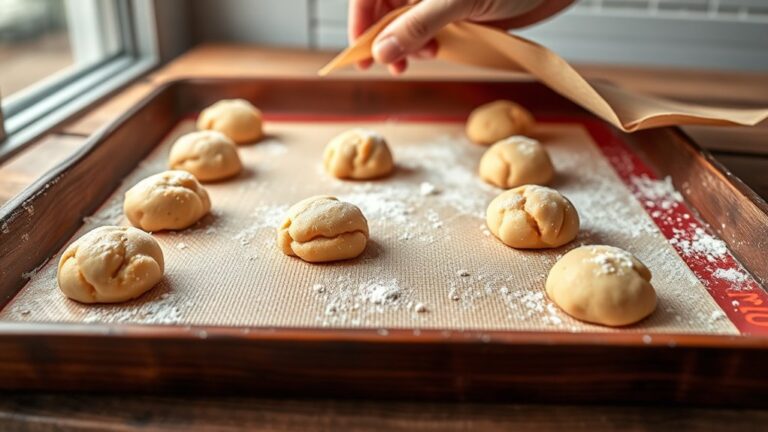
- Silicone mats or covers – Heat-resistant and flexible, they prevent splatters and are easy to clean. They can be a real lifesaver when you want to keep your microwave tidy.
- Microwave-safe plastic containers – Look for labels indicating microwave safety to avoid melting or warping. Just make sure the container is meant for microwaving, and you’re good to go.
- Microwave-safe paper towels – Use them to cover food, preventing splatters without the risk of fire. They’re a simple and disposable option when you need a quick cover.
Choosing these alternatives helps you microwave safely while reducing waste and exposure to harmful substances. It’s a win-win!
Conclusion
When heating food on paper plates, remember that not all are microwave-safe—better safe than sorry. Always check for safety labels to avoid sparks or fires. Use low heat and avoid overheating to keep your meal and kitchen safe.
If you’re unsure, opt for glass or ceramic instead. By taking these simple precautions, you’ll keep your food warm without risking a microwave mishap. After all, a stitch in time saves nine!
In conclusion, safely putting paper plates in the microwave means knowing which plates are microwave-safe and using low heat settings. Always check for labels and avoid overheating to prevent fires or sparks. If you’re ever in doubt, choosing glass or ceramic dishes is a safer bet. By following these easy tips, you can enjoy the convenience of reheating your food without worrying about kitchen accidents. Stay cautious, and your microwave meals will be both safe and satisfying every time.