Does a Pap Smear Test Hurt and How Can You Prepare for It?
A Pap smear test might cause mild discomfort or pressure, but it usually only lasts a few minutes. Many people wonder, “Does a Pap smear test hurt?”
The answer is that while it can feel a bit uncomfortable, it’s generally quick and manageable.
To prepare, avoid intercourse, douching, or vaginal products for 48 hours before your appointment.
Also, try to schedule your test when you’re relaxed and not menstruating. This can make the experience smoother and less stressful.
Using deep breathing techniques and openly communicating any concerns to your healthcare provider can help ease anxiety and discomfort.
If you want to better understand what to expect and how to manage sensations, keep exploring this topic. It’s all about making you feel more comfortable and informed!
What Is a Pap Smear Test?
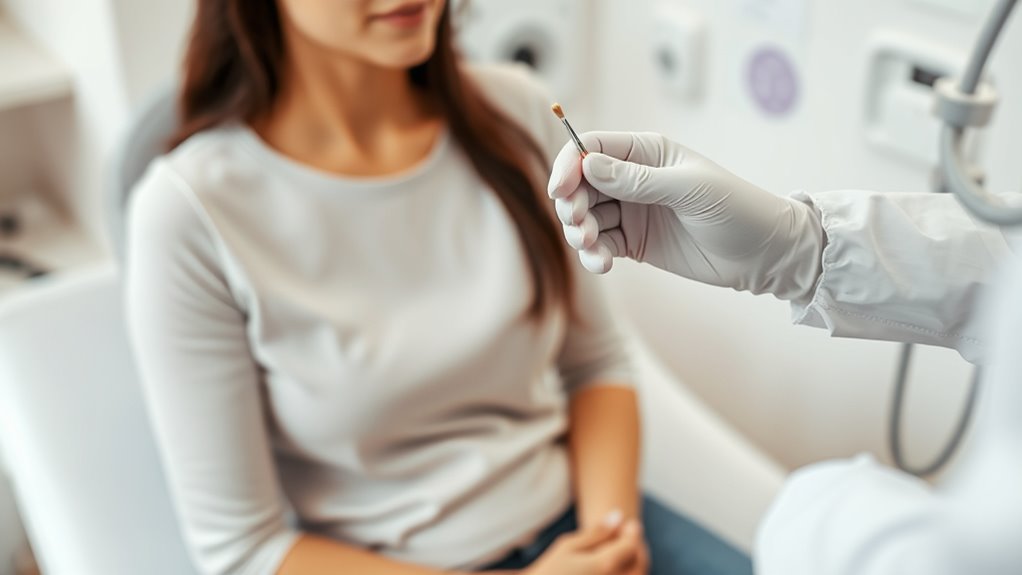
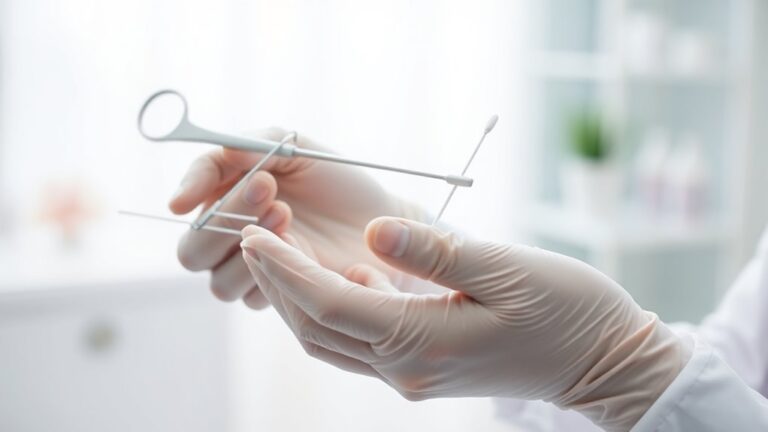
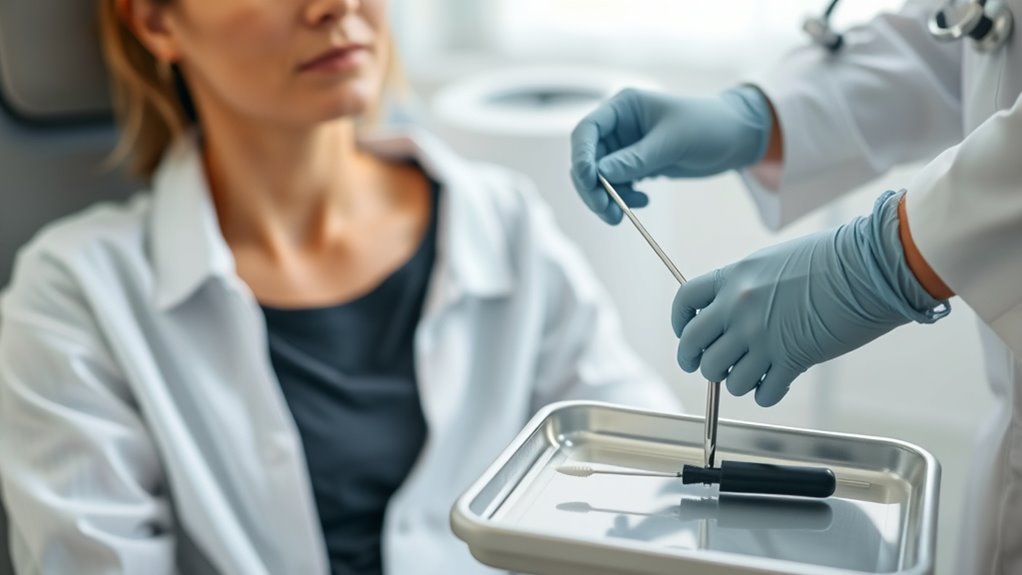
Although it might seem unfamiliar, a Pap smear test is a simple procedure that screens for abnormal cells in your cervix. During the test, your healthcare provider gently inserts a speculum into your vagina to access your cervix.
Then, they use a small brush or spatula to collect cells from the cervix’s surface. This sample is sent to a lab for examination, helping detect precancerous changes or infections early.
You don’t need any special preparation for the test, but avoiding intercourse, douching, or using vaginal medicines 48 hours before can improve accuracy.
Regular Pap smears are key in preventing cervical cancer and maintaining your reproductive health. Scheduling them as recommended keeps you proactive about your well-being.
Common Sensations During a Pap Smear
When you have a Pap smear, you might feel some pressure or mild discomfort as the speculum is inserted. The test usually takes just a few minutes, and any soreness afterward tends to fade quickly.
Understanding what sensations to expect can help you feel more at ease during the process. It’s totally normal to feel a bit uneasy, but knowing what’s coming can make it less stressful.
Typical Physical Sensations
What will you feel during a Pap smear? As the healthcare provider gently inserts the speculum into your vagina, you might notice a feeling of pressure or mild stretching. This sensation comes from the speculum opening to allow access to your cervix.
When the provider uses a small brush or spatula to collect cells, you may feel a brief scraping or tickling sensation, which usually lasts only a moment. Some women also report a slight coldness from the instruments.
Throughout the procedure, your body might react with minor discomfort, but it’s generally quick and over before you realize it. Staying relaxed and breathing steadily can help you manage these typical physical sensations during the test.
Possible Discomfort Levels
Because everyone’s pain tolerance varies, the level of discomfort during a Pap smear can range from barely noticeable to mildly uncomfortable. You might feel a slight pinch or pressure when the speculum is inserted, which can cause brief discomfort.
Some people experience a cold sensation as the metal or plastic speculum enters the vagina. When the healthcare provider collects cells from your cervix with a small brush or spatula, you may feel a scraping or scratching feeling, but it usually doesn’t last long.
If you’re tense or anxious, these sensations might feel more intense, so try to relax your muscles beforehand. Remember, any discomfort is generally short-lived and manageable, helping ensure the test accurately screens for cervical health issues.
Duration and Aftereffects
Although the Pap smear itself usually takes just a few minutes, you might notice some mild sensations afterward. It’s common to experience slight cramping or spotting, similar to light menstrual bleeding.
These sensations typically fade within a day or two. If you feel any discomfort, applying a warm compress or taking over-the-counter pain relievers can help ease it.
Avoid using tampons, douching, or having sexual intercourse for at least 24 hours after the test to prevent irritation or infection. If you notice heavy bleeding, severe pain, or unusual discharge lasting more than a couple of days, contact your healthcare provider.
Factors That May Influence Discomfort
Several factors can influence how much discomfort you might feel during a Pap smear test. Your pain tolerance plays a big role—if you’re sensitive to pain, you may notice more discomfort.
The skill and technique of the healthcare provider also matter; a gentle, experienced provider can make the process smoother. Additionally, your body’s condition affects how you feel.
If you’re menstruating, have vaginal infections, or are experiencing dryness, the test might be more uncomfortable. Anxiety and stress can heighten your sensitivity to pain, making the procedure feel worse than it actually is.
Finally, your body’s anatomy and previous experiences with pelvic exams can influence how you perceive the test. Understanding these factors can help you manage your expectations and communicate your concerns with your provider.
How to Prepare Mentally and Physically for the Test
If you want the Pap smear to go as smoothly as possible, preparing both mentally and physically can make a big difference. First, try to stay calm and remind yourself that the test is quick and important for your health.
Second, schedule your appointment when you’re least likely to be stressed or rushed—maybe avoid busy workdays or major events. This way, you’ll feel more relaxed going in.
Third, follow simple physical preparations: avoid intercourse, douching, or using vaginal products for 48 hours before the test. Also, try to schedule it when you’re not on your period.
These steps help guarantee accurate results and minimize discomfort. By taking these actions, you’ll feel more in control and ready for the test, making the experience less intimidating and more manageable overall.
Tips to Minimize Pain and Anxiety
You can ease pain and anxiety by practicing simple relaxation techniques like deep breathing before and during the test. Don’t hesitate to communicate openly with your doctor about any discomfort or concerns you have.
This helps them adjust the procedure to make you as comfortable as possible. Just remember, speaking up really makes a difference.
Relaxation Techniques
While the idea of a Pap smear might make you uneasy, practicing relaxation techniques can help ease both pain and anxiety during the procedure. You can take control by calming your body and mind beforehand.
Here are three simple techniques to try:
- Deep Breathing: Inhale slowly through your nose for a count of four, hold for four, then exhale through your mouth for four. Repeat to steady your heart rate and relax muscles.
- Progressive Muscle Relaxation: Tense and release different muscle groups, starting from your toes and moving upward, to reduce physical tension.
- Visualization: Picture a peaceful place, like a quiet beach or forest, focusing on sensory details to distract from discomfort.
Using these methods can make the experience smoother and less stressful. Give them a try — it might just make a big difference!
Communication With Doctor
Practicing relaxation techniques can set a calm tone, but clear communication with your doctor plays a big role in reducing pain and anxiety during a Pap smear.
Don’t hesitate to express your concerns or ask questions before and during the procedure. Letting your doctor know if you feel discomfort helps them adjust their technique to make you more comfortable.
| What to Say | Why It Helps |
|---|---|
| “Please explain each step.” | Reduces fear of the unknown |
| “I’m feeling tense right now.” | Allows time to pause or relax |
| “Could you be gentler?” | Minimizes physical discomfort |
| “When will the procedure end?” | Provides a clear timeline, easing anxiety |
Talking openly empowers you and can make the experience less stressful. So, don’t be shy about speaking up—it really makes a difference!
When to Speak to Your Healthcare Provider About Discomfort
Although mild discomfort during a Pap smear is common, you should speak to your healthcare provider if you experience sharp pain, prolonged soreness, or unusual symptoms afterward.
It’s important to listen to your body and not dismiss persistent or intense discomfort. Here are three signs telling you it’s time to reach out:
- Severe pain that doesn’t ease within a few hours after the test.
- Spotting or heavy bleeding beyond light spotting expected post-test.
- Symptoms like fever, chills, or unusual discharge, which could signal infection.
Don’t hesitate to communicate your concerns. Your healthcare provider can assess your symptoms, offer reassurance, or provide treatment if necessary.
Prompt discussion ensures your health and comfort are prioritized.
Conclusion
A Pap smear test might cause some discomfort, but remember, “an ounce of prevention is worth a pound of cure.” By preparing yourself mentally and physically, you can ease anxiety and minimize pain.
Listening to your body and communicating openly with your healthcare provider guarantees a smoother experience. Taking these simple steps helps you stay proactive about your health.
Making the test quicker and less stressful than you might expect is possible with the right mindset and preparation. So, don’t worry too much—preparing well can make your Pap smear test more comfortable and easier to handle.