How You Do a Pap Smear During Your Period Step by Step
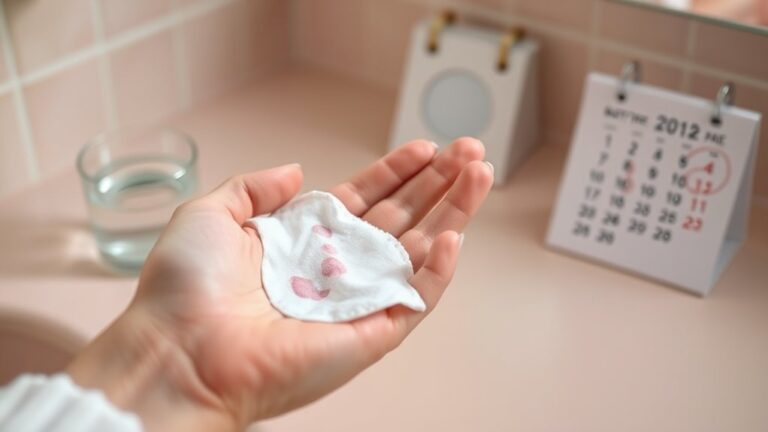
If you’re having a Pap smear during your period, it’s important to pick a day when your flow is light. This helps make the process easier and more comfortable.
Avoid using tampons or creams for at least 48 hours before your appointment to ensure accurate results.
Wear comfortable clothing and bring a sanitary pad with you.
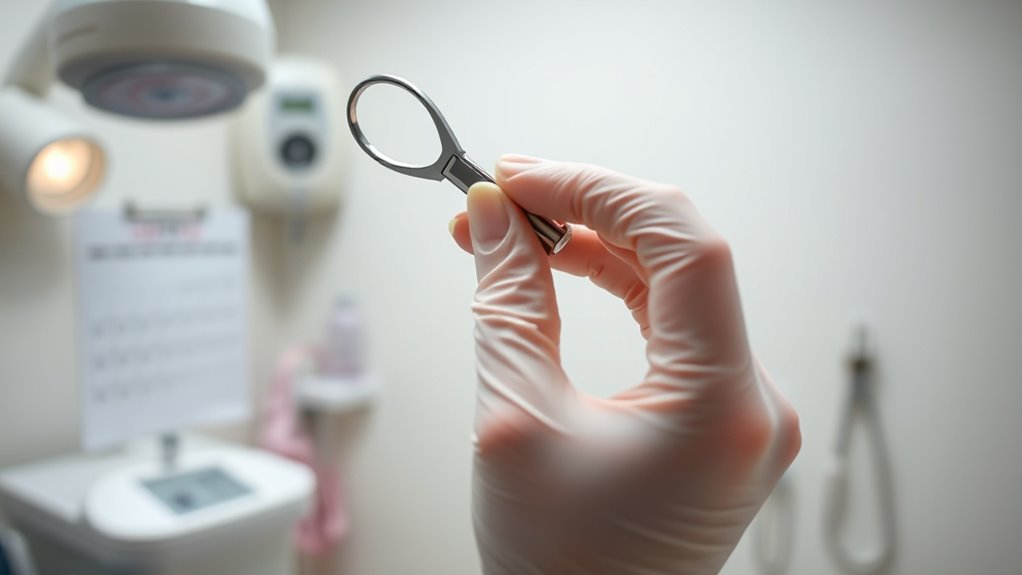
When you get to your appointment, you’ll lie back while the healthcare provider gently inserts a speculum.
They’ll quickly collect cervical cells, even if you have some bleeding. Don’t worry—light spotting afterward is totally normal.
Your provider will adjust their technique to make sure the sample is accurate despite your period.
Keep these tips in mind, and you’ll find the whole experience smoother and less stressful.
Preparing for a Pap Smear While on Your Period
Although some people prefer to avoid scheduling a Pap smear during their period, you can still prepare effectively if you need to go. First, choose a day when your flow is light to minimize discomfort and ensure clearer results.
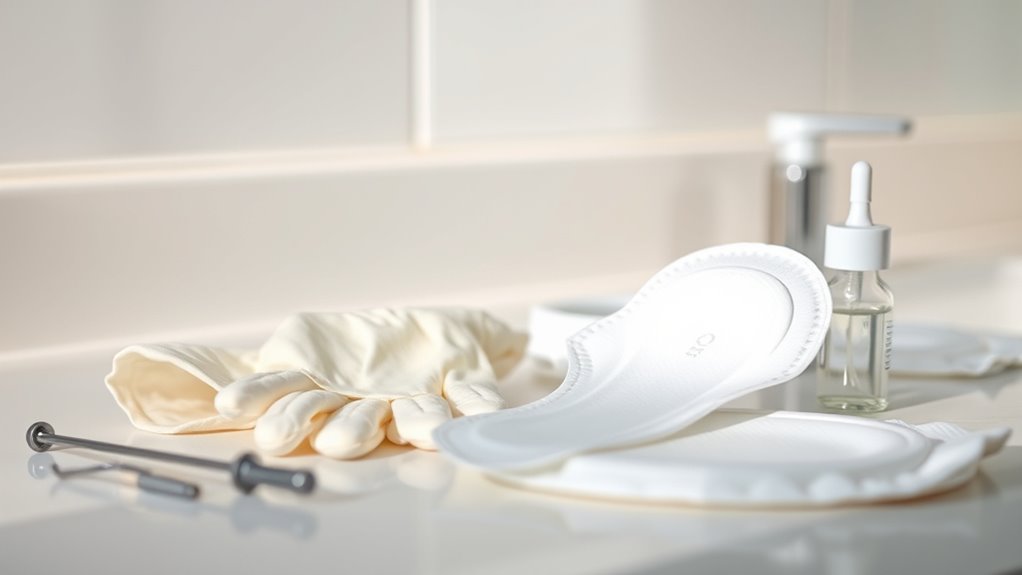
Avoid using tampons, vaginal creams, or douches 48 hours before your appointment, as these can interfere with the test. Wear comfortable, easily removable clothing to make the process smoother.
Bring a sanitary pad or panty liner for after the exam to manage any spotting. It’s also helpful to inform your healthcare provider you’re on your period so they can adjust the procedure accordingly.
Staying relaxed and hydrated will ease any tension. With these steps, you’ll feel ready and confident for your Pap smear, even during your period.
What to Expect During the Procedure
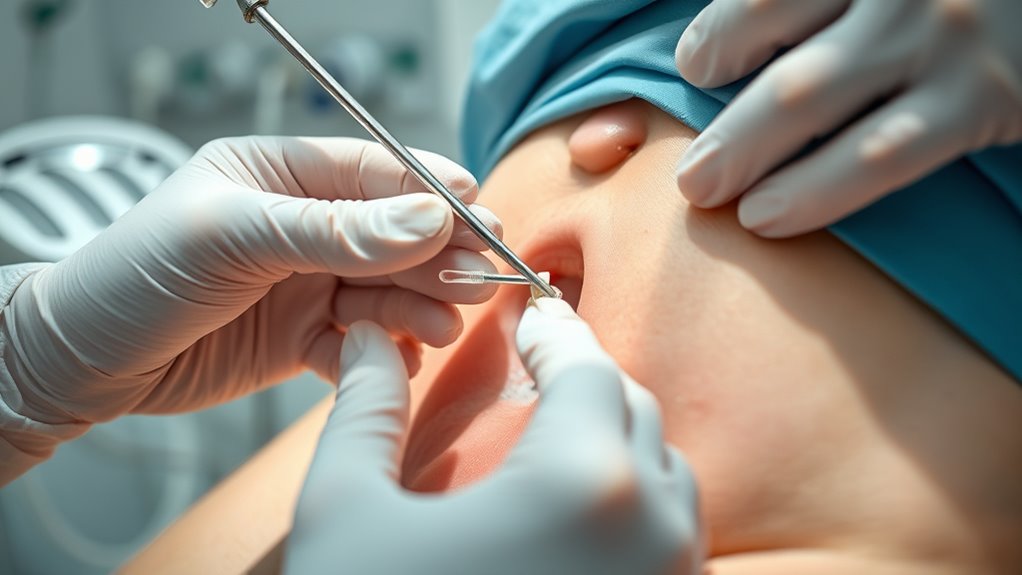
Before the exam starts, you’ll be asked to lie back and relax while the healthcare provider prepares the necessary tools.
Once you’re ready, they’ll gently insert a speculum to get a clear view of your cervix.
Then, they’ll collect a small sample of cells for testing, which only takes a few seconds.
Preparing for the Exam
When you arrive for your Pap smear during your period, the healthcare provider will explain the steps to help you feel comfortable and prepared. You’ll change into a gown and lie on the exam table with your feet in stirrups.
The provider will gently insert a speculum to view your cervix and take cell samples. Knowing what happens eases anxiety and helps you stay relaxed.
| Step | What to Expect | Tips |
|---|---|---|
| Arrival | Explanation of procedure | Ask questions if unsure |
| Changing | Gown provided | Wear comfortable clothes |
| Positioning | Lying on table, feet raised | Take deep breaths |
| Speculum Insertion | Mild pressure or discomfort | Relax pelvic muscles |
| Sample Collection | Quick swabbing of cervix | Stay as still as possible |
What Happens Next
Once the speculum is in place and your cervix is visible, the provider will gently collect cells using a small brush or spatula. You might feel a slight pressure or mild discomfort, but it shouldn’t be painful. The collection only takes a few seconds.
After gathering the sample, the provider will carefully remove the speculum. If you’re on your period, a small amount of blood might mix with the sample, but this usually doesn’t affect the test results.
The collected cells are then sent to a lab for analysis to screen for any abnormal changes or infections. You can expect some light spotting afterward, which is normal.
If you feel any unusual pain or heavy bleeding later, contact your healthcare provider. It’s always better to check if something feels off.
How Your Healthcare Provider Manages the Process
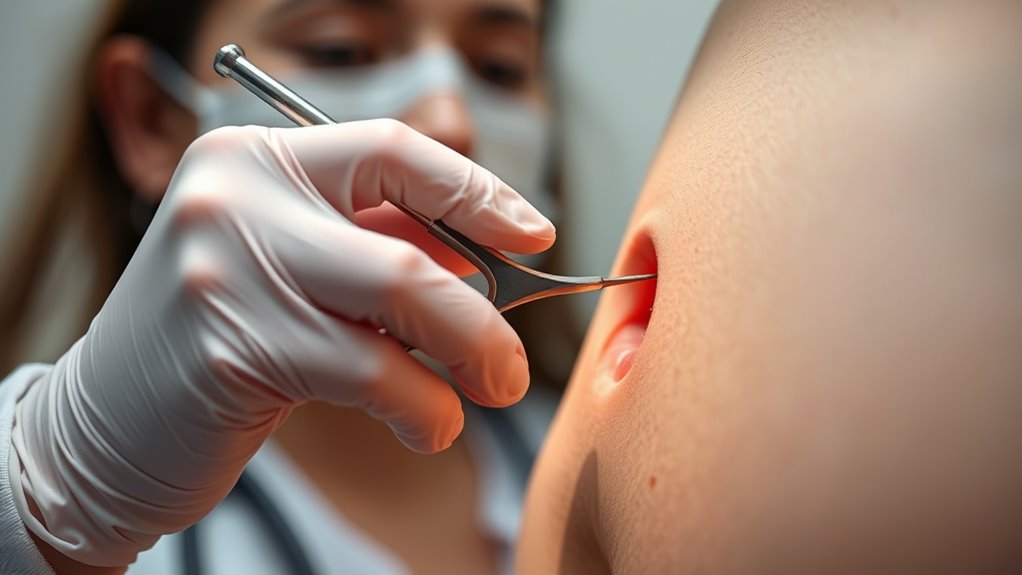
Although having your period during a Pap smear might feel uncomfortable, your healthcare provider knows how to handle the process smoothly to guarantee accurate results. They take extra care to minimize contamination from blood while collecting cervical cells.
Here’s how they manage the process:
| Step | Action Taken | Purpose |
|---|---|---|
| Preparation | Use a speculum with care | Avoid blood interference |
| Sample Collection | Gently scrape cervical cells | Ensure clear, uncontaminated sample |
| Post-Collection | Label and send to lab | Accurate analysis and diagnosis |
Your provider’s expertise helps ensure the test remains reliable despite your period. They adjust techniques to avoid discomfort and maintain sample quality.
Tips to Stay Comfortable Throughout the Exam
Even if your period adds a layer of discomfort, you can take simple steps to feel more at ease during the exam. First, communicate openly with your healthcare provider about your period and any concerns you have.
Wearing comfortable clothing and using a sanitary pad before and after the exam helps you feel clean and secure. Deep, steady breathing can reduce tension and relax your pelvic muscles.
Bringing a stress-relief item, like a small stress ball, might also help. If you feel pain or discomfort at any point, let your provider know immediately—they can adjust their technique or pause.
Understanding the Accuracy of Results During Menstruation
Feeling comfortable during your pap smear helps you stay relaxed, which can improve the overall experience. When it comes to accuracy, having your period usually won’t substantially affect the test results.
However, menstrual blood can sometimes make it a bit harder for the healthcare provider to collect a clear sample, which might slightly reduce accuracy. That said, modern labs are skilled at handling samples with some blood contamination.
If you’re concerned about results, remember that your provider will evaluate the sample’s quality. In most cases, they can still provide reliable information even if you’re on your period.
Understanding this can help you feel more confident and less anxious about getting tested during menstruation. So, don’t worry too much if you have your period when it’s time for your pap smear!
When to Reschedule Your Pap Smear if Needed
If your period is heavy or your flow is unpredictable, it might be best to reschedule your Pap smear for a lighter day or after your cycle.
Also, if you’re experiencing symptoms like unusual pain, spotting, or infections, postponing the test can help guarantee accurate results.
Listen to your body and talk to your healthcare provider about the best timing for your Pap smear.
Timing and Cycle Considerations
Although you can have a Pap smear during your period, certain timing and cycle factors might make rescheduling a better choice. Your menstrual cycle can affect the accuracy of the test and your comfort during the procedure.
Consider these points when planning: heavy bleeding may interfere with sample collection. Mid-cycle (around day 14) is often ideal for clearer results.
Also, avoid scheduling during ovulation if you experience spotting. If your cycle is irregular, track it carefully to find a stable time.
And if your period just started or is unusually heavy, it’s best to reschedule.
Symptoms Warranting Reschedule
When you experience unusual symptoms like heavy bleeding, severe cramps, or pelvic pain, it’s best to reschedule your Pap smear. These signs could indicate an infection, hormonal imbalance, or other health issues that might affect test accuracy or your comfort.
If you notice abnormal discharge, fever, or dizziness, postpone the appointment and consult your healthcare provider. Also, if you have recently had sexual intercourse, used vaginal medications, or undergone any cervical procedures, inform your doctor, as these can interfere with results.
Rescheduling guarantees your safety and helps get accurate results. Don’t hesitate to speak up if you feel unwell before your test—your health comes first, and your provider will guide you on the best time to reschedule your Pap smear.
Conclusion
Even if you’re on your period, you can still get a Pap smear done with a few simple steps to stay comfortable. For example, imagine Sarah, who worried her flow might affect results but followed her provider’s advice and had a smooth, accurate test.
Just communicate openly with your healthcare provider, use tips like bringing a tampon for after, and know when rescheduling might be best.
You’ve got this! Remember, doing a Pap smear during your period is possible and safe when done carefully. Staying comfortable and informed helps ensure accurate results, so don’t hesitate to ask questions or share concerns with your provider. Whether it’s your first time or a routine check, these simple tips can make the process easier. Taking control of your health means knowing how to handle a Pap smear during your period with confidence.