How to Recycle Recyclable Aluminum Paper Correctly
To recycle recyclable aluminum paper correctly, start by making sure it’s clean and free from any food residue or grease. This step is super important because dirty aluminum paper can contaminate the whole batch and make recycling less efficient. Give it a gentle rinse and then dry it thoroughly to avoid any moisture.
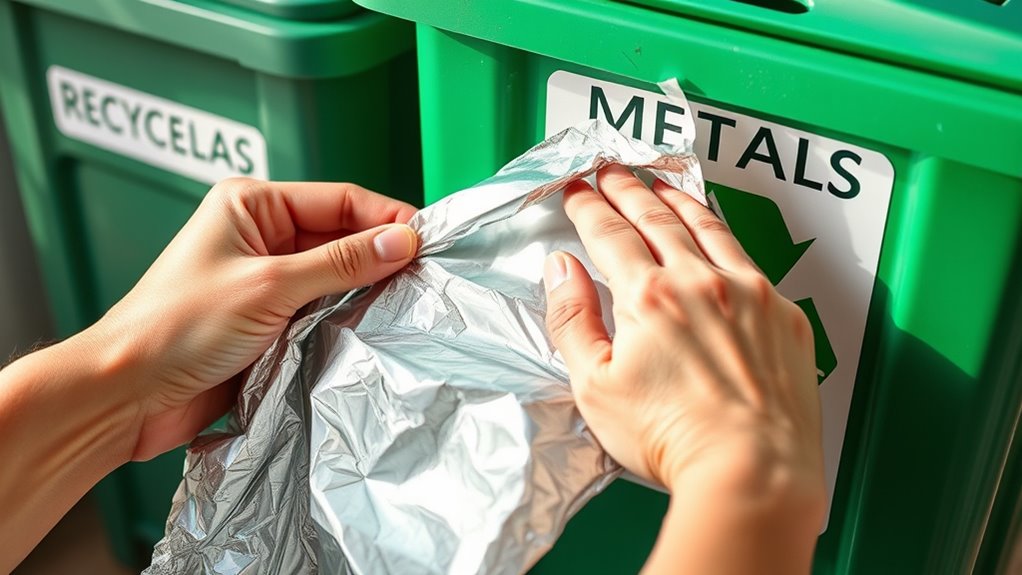
Next, try to flatten the sheets instead of crumpling them. Flattening saves space and makes the recycling process easier and more effective.
Also, be sure to separate aluminum paper from other trash. Remove any non-aluminum labels or tape stuck to it, as these can interfere with recycling machines.
Don’t forget to check your local recycling guidelines to see which types of aluminum items they accept. Different areas might have specific rules, so it’s always good to double-check. Following these simple steps will help you recycle aluminum paper properly and do your part for the environment.
Plus, you’ll find even more tips to boost your recycling impact along the way!
Identifying Recyclable Aluminum Paper
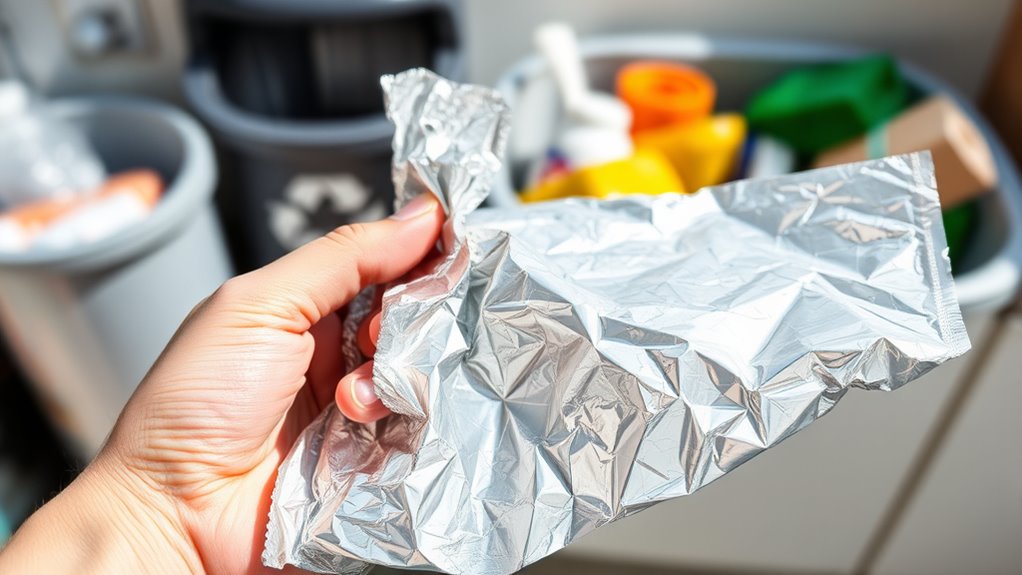
Although aluminum paper often looks similar to regular foil, you need to check its condition before recycling it. You’ll want to make sure it’s clean and free from food residue or grease because contaminated aluminum paper can’t be recycled properly.
If it’s crumpled but clean, you can still recycle it, but anything stuck with food or liquids should be thrown away. Also, not all shiny or metallic-looking papers are aluminum—some are coated with plastic or other materials, making them non-recyclable.
To identify recyclable aluminum paper, look for thin, flexible sheets that don’t tear easily and feel metallic. Avoid recycling wrappers or papers that combine aluminum with other materials, like those used in candy wrappers or laminated papers.
Sticking to these guidelines helps you recycle aluminum paper correctly. Just take a moment to check, and you’ll be doing your part to keep recycling effective!
Preparing Aluminum Paper for Recycling
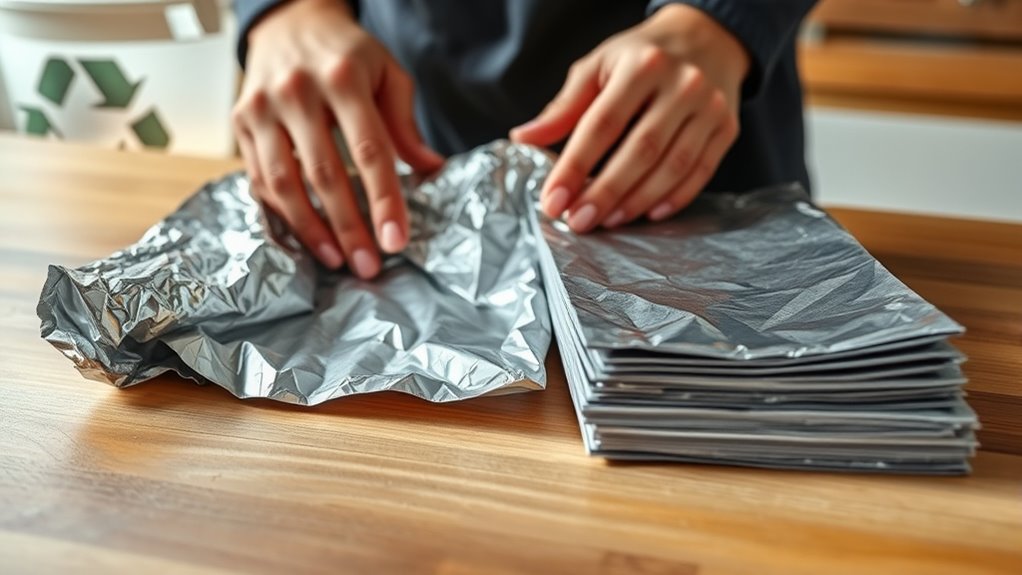
Before you recycle aluminum paper, you should make sure it’s properly prepared to avoid contamination and maximize its recyclability. Start by separating aluminum paper from other materials.
Flatten or fold it neatly to save space in your recycling bin. Avoid mixing it with non-recyclable waste to keep the sorting process efficient.
| Step | Action | Tip |
|---|---|---|
| 1 | Identify aluminum paper | Check for shiny, metallic surface |
| 2 | Separate from other waste | Use a dedicated recycling bag |
| 3 | Flatten or fold | Makes storage easier |
| 4 | Avoid mixing contaminants | Keep food wrappers separate |
| 5 | Store in dry place | Prevents moisture damage |
Following these steps helps ensure your aluminum paper is ready for recycling. It’s really pretty simple when you break it down like this!
Cleaning and Removing Contaminants
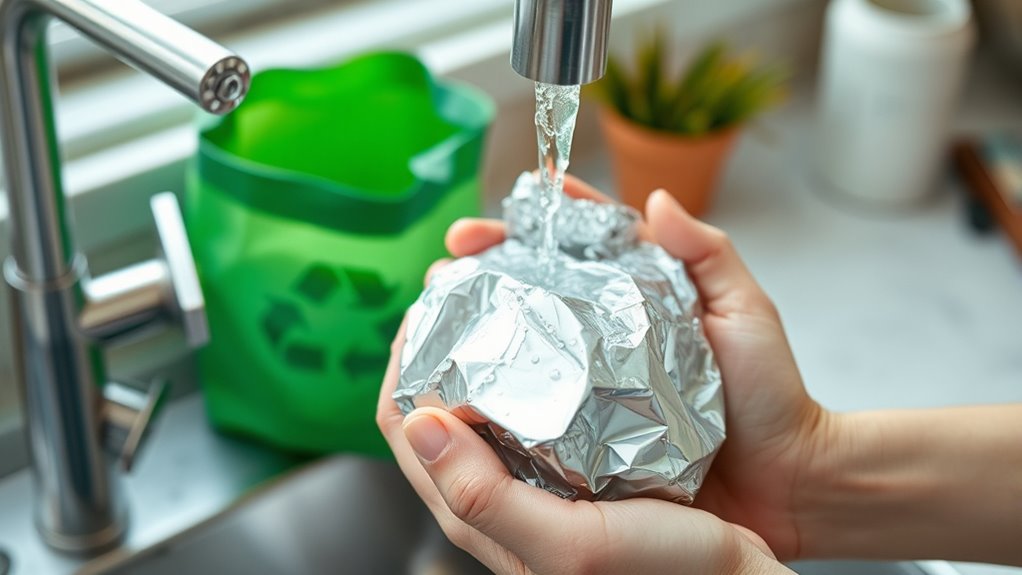
Before recycling, you should rinse aluminum sheets thoroughly to remove any food or grease. Make sure no residue accumulates, as it can contaminate the recycling process.
Keeping your aluminum paper clean helps ensure it gets properly recycled. It’s a simple step that makes a big difference!
Rinsing Aluminum Sheets
When you rinse aluminum sheets, you remove oils, food residue, and dirt that can contaminate the recycling process. Proper rinsing guarantees the aluminum is clean and ready for recycling facilities.
To do this effectively, follow these tips: Use warm water to break down grease and stuck-on food. Gently scrub with a soft sponge or cloth to avoid tearing the sheets.
Avoid harsh detergents; a mild soap is enough to clean without leaving harmful chemicals. Rinse thoroughly to ensure no soap or debris remains on the aluminum.
Avoiding Residue Build-up
Although rinsing removes most dirt and oils, you still need to watch out for residue build-up. This stuff can clog recycling machines or lower the quality of recycled aluminum.
To avoid this, make sure you clean the aluminum paper thoroughly. Remove sticky food traces or adhesives. Use warm water and a mild detergent if necessary, then dry it completely before recycling.
Here’s a quick guide to residue types and cleaning tips:
| Residue Type | Recommended Cleaning Method | Impact if Not Cleaned |
|---|---|---|
| Food residues | Warm water and mild soap | Contaminates recycling batch |
| Sticky adhesives | Scrape gently, then rinse | Clogs machinery |
| Grease/oil | Degreasing agent or soap | Lowers aluminum quality |
Taking these simple steps helps make sure your aluminum paper is recycled efficiently and correctly. It’s worth the extra effort!
Sorting Aluminum Paper From Other Materials
Since aluminum paper often gets mixed with other recyclables, you’ll need to carefully separate it to guarantee proper recycling. Start by identifying shiny or crinkly sheets, which usually indicate aluminum content.
Carefully separate aluminum paper from other recyclables by spotting shiny, crinkly sheets to ensure proper recycling.
Avoid tossing in items like plastic wrap or wax-coated paper, as they contaminate batches. To make sorting easier, follow these steps:
- Check for labels or symbols indicating aluminum content.
- Peel off any food residue or tape stuck to the paper.
- Separate aluminum paper from cardboard, plastics, and regular paper.
- Flatten or fold the aluminum paper to save space and simplify handling.
Understanding Local Recycling Guidelines
Before recycling aluminum paper, check your local recycling rules to see what’s accepted. Make certain you know which types of aluminum your municipality handles and how they want it prepared.
Following these guidelines helps ensure your aluminum gets recycled properly. It’s a small step that makes a big difference!
Checking Municipal Rules
When you want to recycle aluminum paper, you’ll need to check your local recycling guidelines to know exactly what’s accepted. Municipal rules can vary widely, so don’t assume your area processes aluminum paper the same way as others.
Start by visiting your city or county’s official waste management website or contacting their office. Look for specific instructions about aluminum products to avoid contamination.
Here are key points to verify:
- Accepted types of aluminum paper or foil
- Preparation requirements (cleaning, flattening)
- Collection methods (curbside pickup, drop-off centers)
- Restrictions on mixed materials or coatings
Accepted Aluminum Types
How do you know which types of aluminum paper your local recycling program accepts? Start by checking your city or county’s official recycling website or contacting their customer service.
Some programs accept only clean, food-grade aluminum foil, while others may allow aluminum trays and certain packaging materials. Avoid guessing—if you’re unsure whether a specific aluminum paper product is accepted, it’s best to confirm first.
Keep in mind that crumpled aluminum foil might not be recyclable in all areas, especially if it’s contaminated with food residue. Understanding these distinctions helps you recycle correctly and prevents contamination in the recycling stream.
Preparing Aluminum Properly
Although recycling aluminum paper might seem straightforward, you need to prepare it properly to meet your local recycling guidelines. Each area has specific rules, so checking them ensures your aluminum gets recycled efficiently.
Start by rinsing off any food residue to avoid contamination. Next, flatten or fold the aluminum paper to save space and make handling easier.
Remove non-aluminum parts like plastic or paper labels, as these can interfere with recycling processes. Finally, verify if your local program requires you to bundle or bag the aluminum paper separately.
- Rinse off food or grease thoroughly
- Flatten or fold sheets for easy collection
- Remove any attached non-aluminum materials
- Follow specific local instructions for bundling or bagging
Proper preparation helps keep recycling streams clean and effective. It’s really worth the little extra effort!
Common Mistakes to Avoid When Recycling Aluminum Paper
Since recycling aluminum paper correctly guarantees its effective reuse, you’ll want to steer clear of common mistakes that can contaminate the process. First, avoid tossing aluminum paper with food residue still on it. Grease and leftovers can ruin the recycling batch.
Don’t mix aluminum paper with non-recyclable materials like plastic wrappers or waxed paper, as this complicates sorting. Also, resist the urge to crumple aluminum paper into tight balls; flatten it instead to make recycling easier.
Avoid putting heavily dyed or coated aluminum paper in recycling bins, since coatings may not be recyclable. Finally, don’t forget to check your local recycling guidelines—rules can vary, and following them ensures your aluminum paper is properly processed and reused.
Conclusion
Recycling aluminum paper correctly is easier than you think, and it can make a world of difference for the environment. By identifying, cleaning, and sorting your aluminum paper properly, you’re helping reduce waste and conserve resources like a recycling superhero.
Just remember to follow your local guidelines and avoid common mistakes. With a little care, you’ll turn what seems like a tiny step into a giant leap for a greener planet!
When you recycle recyclable aluminum paper the right way, you’re not only cutting down on landfill waste but also saving energy and raw materials. It’s all about making sure the aluminum is clean and free of food residue, so it can be processed efficiently. Plus, sorting it correctly ensures it gets recycled instead of tossed out.
So, next time you handle aluminum paper, take a moment to clean and sort it properly. Doing this simple step helps protect the environment and supports the recycling process. Recycling recyclable aluminum paper correctly truly makes a big impact on conserving resources and reducing pollution.