How You Can Put Paper in the Microwave Safely
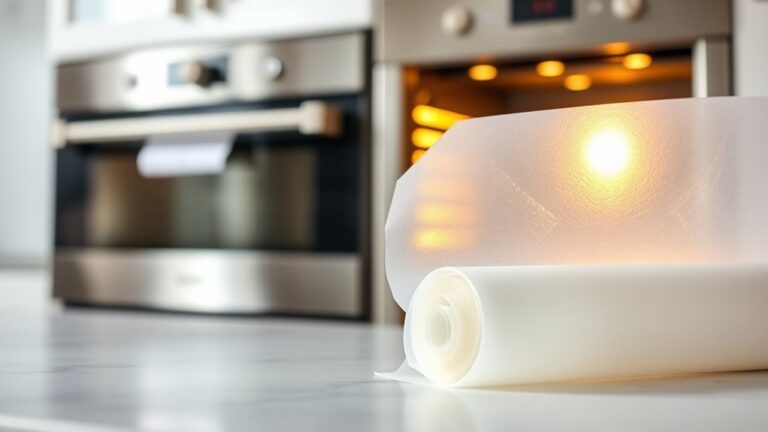
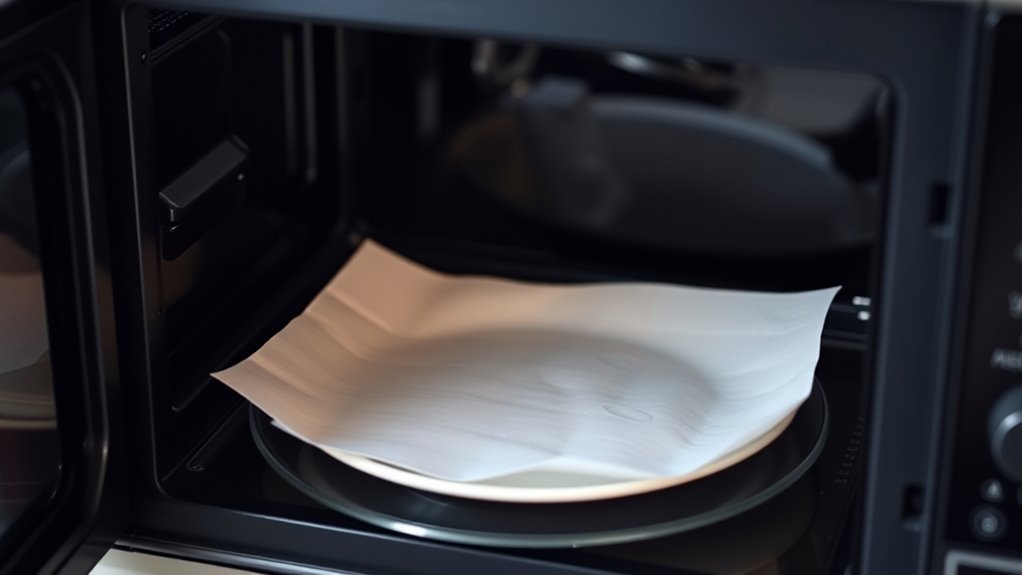
You can safely put paper in the microwave by using plain white paper towels, parchment, or wax paper without any metal. These types of paper are microwave-safe and won’t cause sparks or damage.
Just be sure the paper is lightly dampened to help prevent any chance of sparks or fire.
Avoid using printed, coated, or metallic papers since they can release fumes or catch fire.
Always keep an eye on your microwave while heating paper items. If you notice any burning smell or discoloration, stop microwaving immediately.
Microwaving paper safely is easy once you know what to use and what to avoid. So, if you want to make the most of your microwave use, there’s more helpful advice to explore ahead.
Stay safe and enjoy your quick heating!
Types of Paper Safe for Microwaving
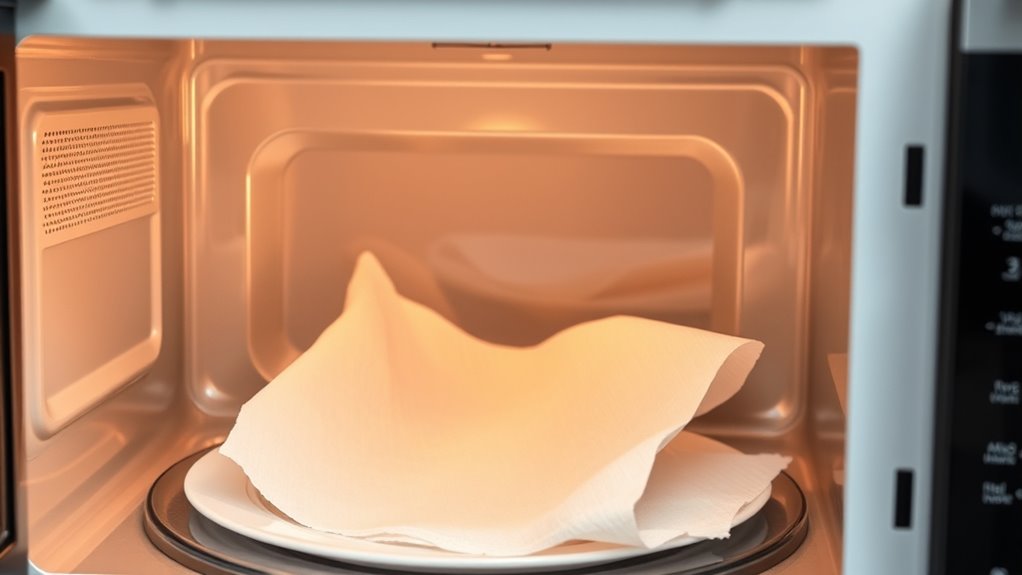
Wondering which types of paper you can safely use in the microwave? You’ll want to stick with plain white paper towels, parchment paper, and wax paper. These materials won’t catch fire or release harmful chemicals when heated.
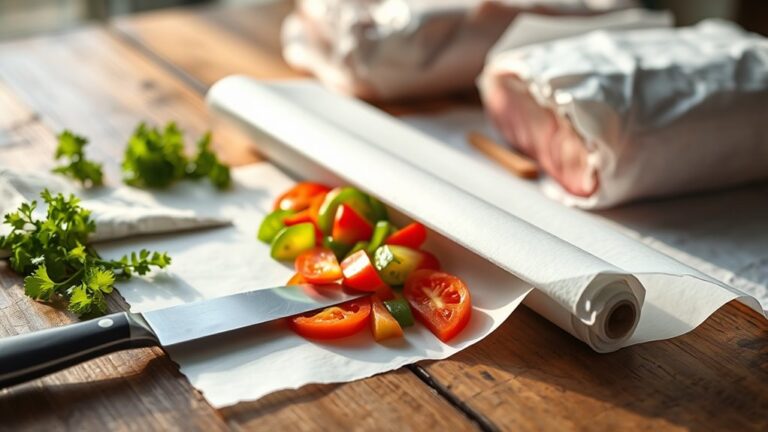
Paper towels work great for covering food to prevent splatters, and parchment paper can be used to wrap items or line dishes. Wax paper’s moisture-resistant coating also makes it microwave-safe, but avoid using it for long heating times.
You should always use plain, unprinted paper since inks or dyes might not be microwave-friendly. Also, avoid paper with metallic accents or heavy coatings.
Papers to Avoid in the Microwave
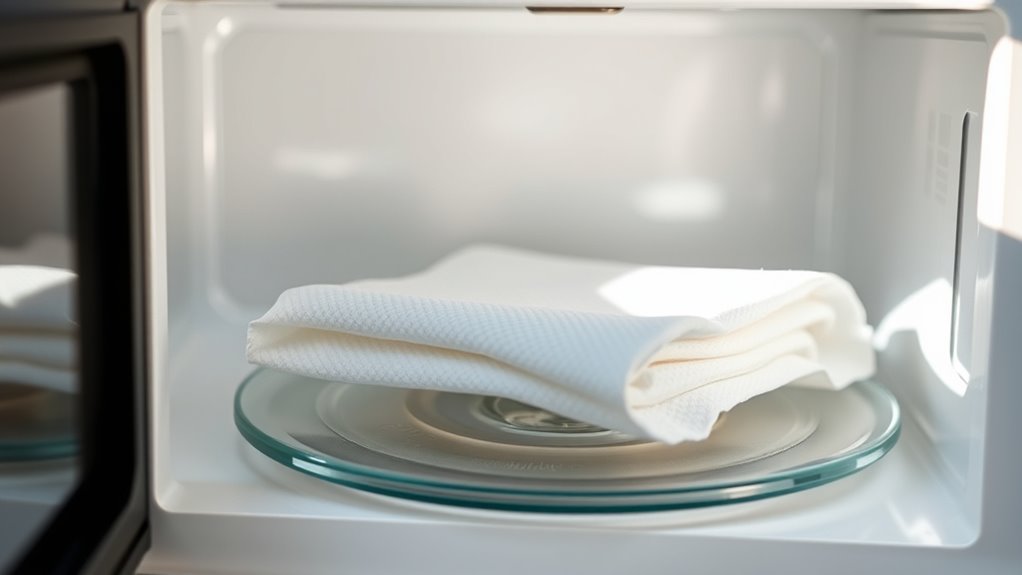
You should avoid putting papers with ink or heavy print in the microwave, as they can release harmful fumes or catch fire.
Coated and glossy papers are also risky because their finish may contain materials that don’t heat well.
Always check the paper type before microwaving to keep things safe.
Ink and Print Risks
Why should you steer clear of certain printed papers in the microwave? The ink used on some papers can contain chemicals that might release harmful fumes or even catch fire when heated.
You don’t want to risk toxic smoke filling your kitchen or damaging your microwave. Additionally, printed pages, especially those with heavy ink coverage, can heat unevenly, increasing the chance of sparks or burns.
Newspapers and flyers often use low-quality ink that’s more likely to react poorly under microwave heat. If you’re reheating food wrapped in printed paper, it’s safer to remove or replace it with plain, unprinted paper towels or parchment paper.
Being cautious about ink and print risks helps you avoid unnecessary hazards and keeps your microwave and home safe. So, better safe than sorry!
Coated and Glossy Papers
Beyond ink concerns, certain types of paper coatings pose their own dangers when microwaved. Coated and glossy papers often contain chemicals or plastic layers designed to give them a shiny finish. When heated in the microwave, these coatings can melt or release harmful fumes.
You might also notice sparks or smoke, which could damage your microwave or even start a fire. So, avoid putting magazines, glossy flyers, or photo paper in the microwave.
If you need to warm food or use paper, choose plain, uncoated paper towels or parchment paper instead. Always check the packaging or labels for microwave-safe indications.
Taking these precautions helps you use your microwave safely without risking damage or health hazards. It’s just a little extra care that goes a long way!
How to Prepare Paper for Microwaving
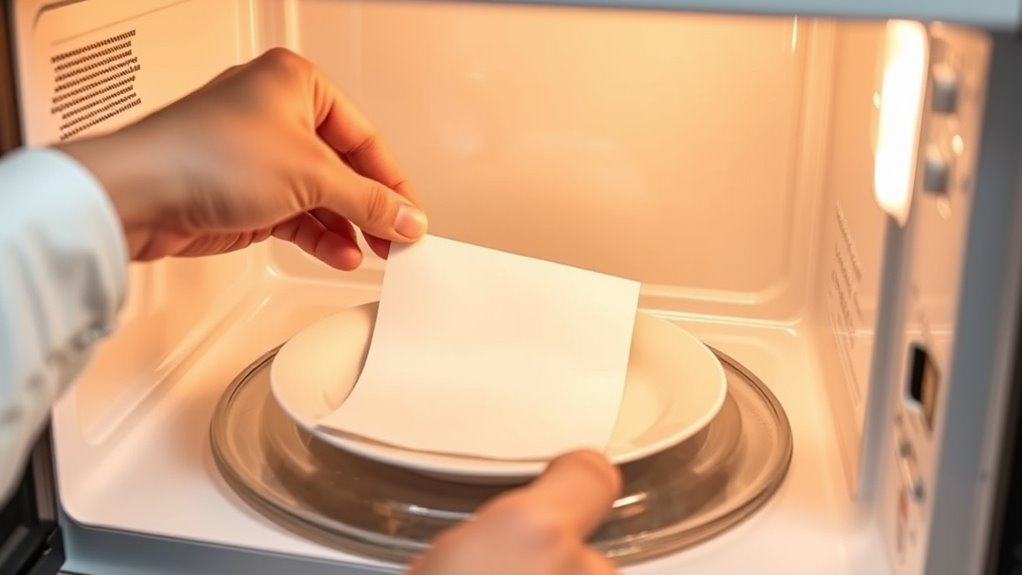
Before microwaving paper, make sure you choose types that are microwave-safe. You’ll want to avoid any paper with metallic elements, like foil or printed designs with metal ink.
Also, adding a bit of moisture can help prevent fires and keep things safe. It’s a simple step but really makes a difference when heating paper in the microwave.
Choose Microwave-Safe Paper
Although many types of paper seem harmless, you need to choose microwave-safe paper to avoid fires or harmful fumes. Look for papers labeled specifically as microwave-safe, like parchment paper or paper towels designed for kitchen use.
Avoid printed papers or those with glossy finishes, as their coatings can melt or release toxins. Plain white paper towels and unprinted parchment work well because they don’t contain inks or chemicals that might react in the microwave.
When in doubt, test a small piece first by microwaving it for 10 seconds to see if it heats up or smells unusual. Selecting the right paper ensures your food heats safely without unexpected hazards.
Always prioritize safety by using papers intended for microwave use. It’s better to be safe than sorry!
Avoid Metallic Elements
A key step in preparing paper for microwaving is making sure it has no metallic elements. Metals can cause sparks and fires, so you need to be vigilant before placing any paper inside.
Check your paper carefully to avoid any risk.
Here’s what to look out for: staples, paper clips, or any metal fasteners attached to the paper. Also, watch for foil accents, shiny inks, or metallic prints on packaging or wrapping.
Don’t forget metallic threads or ribbons if you’re microwaving decorative paper.
Removing these elements guarantees safe microwaving and prevents damage to both your microwave and the paper.
Always inspect your paper thoroughly. And if you’re unsure, just go for plain, uncoated paper to keep things safe and simple.
Use Moisture to Prevent Fires
When you microwave paper, adding moisture helps prevent it from catching fire. Dry paper heats unevenly and can ignite quickly, but a bit of moisture reduces this risk.
Before microwaving, lightly dampen the paper with water using a spray bottle or a damp cloth—just enough to moisten it, not soak it. This moisture absorbs microwaves, distributing heat more evenly and lowering the chance of sparks or flames.
For example, if you want to warm a paper towel or napkin, mist it lightly first. Also, avoid microwaving paper that’s too dry or brittle, as it’s more flammable.
Common Microwave Paper Uses and Tips
Since paper can be a helpful tool in the microwave, you should know which types are safe to use and how to handle them properly. Using the right paper can prevent fires and improve your cooking experience.
Knowing which paper is microwave-safe helps prevent fires and enhances your cooking experience.
You’ll often find paper towels, parchment paper, and microwave-safe paper plates useful in everyday tasks. Here are some tips to keep in mind:
- Use paper towels to cover food and avoid splatters, but avoid thick or printed varieties.
- Wrap food in parchment paper to retain moisture and prevent drying out.
- Choose microwave-safe paper plates specifically designed to withstand heat without burning.
Always avoid glossy, printed, or recycled papers, as they may contain materials that aren’t microwave-safe. Following these tips helps you use paper safely and effectively in your microwave.
Signs of Paper Overheating or Damage
If paper starts to overheat in your microwave, you’ll notice clear signs that indicate potential danger. Pay close attention to any unusual smells, discoloration, or smoke. These signs mean you should stop the microwave immediately to prevent fire hazards.
Also, check if the paper feels unusually hot or brittle after microwaving. Recognizing these symptoms early helps keep you and your kitchen safe.
| Sign | What It Indicates |
|---|---|
| Burning smell | Paper is overheating, risk of fire |
| Discoloration | Heat damage, weakening fibers |
| Smoke | Immediate danger, stop cooking |
| Brittle texture | Paper is too dry or burnt |
If you observe any of these signs, avoid using that paper again in the microwave. Better safe than sorry!
Alternatives to Paper for Microwave Use
Although paper is commonly used in microwaves, you might want to explore safer alternatives that can handle heat without risking damage or fire. These options offer better durability and reduce the chance of accidents when heating food or drinks.
Here are some reliable choices:
- Microwave-safe glass containers: These withstand high temperatures and won’t leach chemicals into your food.
- Ceramic plates and bowls: Ideal for reheating, they distribute heat evenly without burning or melting.
- Silicone microwave covers: Flexible and heat-resistant, they prevent splatters while allowing steam to escape.
Using these alternatives ensures safer microwave use, especially when you want to avoid the hazards that sometimes come with paper products. You’ll enjoy peace of mind and better results every time you heat your meals.
Conclusion
Now that you know which papers play well in the microwave and which ones don’t, you can heat your food safely without turning your paper into a fiery mess. Just treat your paper like a delicate dance partner—handle it gently, prep it right, and watch it perform flawlessly.
When in doubt, opt for safer alternatives to keep your kitchen drama-free. With these tips, you’ll be microwaving like a pro in no time! Remember, putting paper in the microwave requires care and attention to avoid any accidents.
By following these simple guidelines for how you can put paper in the microwave safely, you protect both your food and your appliance. So, next time you’re heating up leftovers or a quick snack, you’ll know exactly what paper is microwave-friendly and how to use it properly. Stay safe and enjoy hassle-free microwaving!