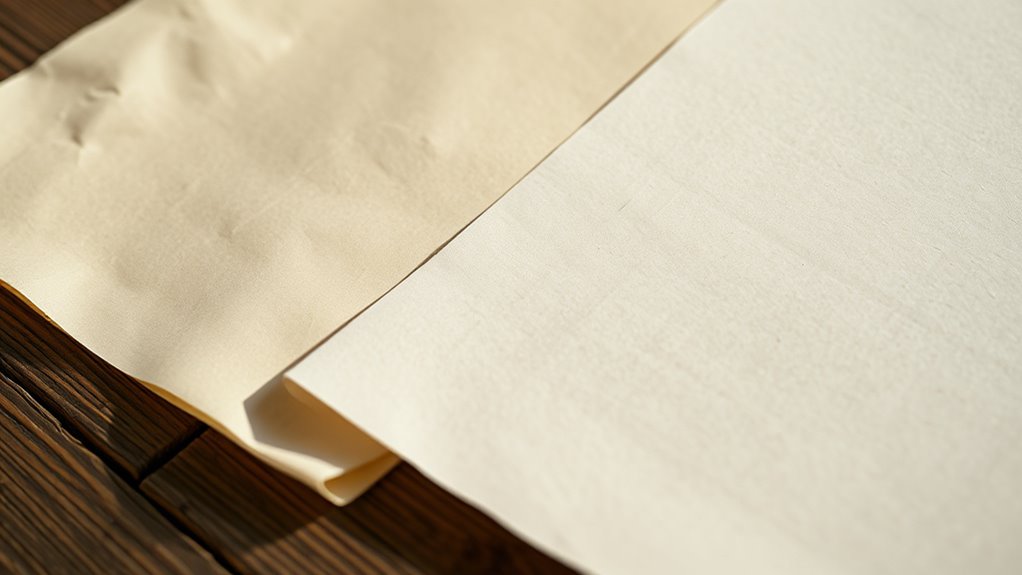
Are Butcher Paper and Parchment Paper the Same?
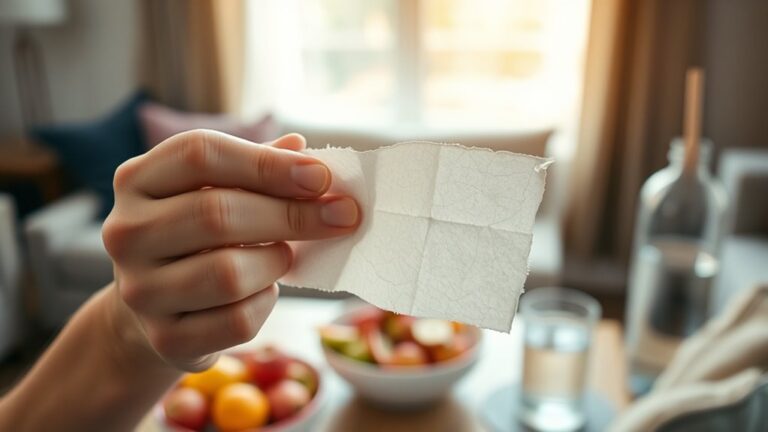
Butcher paper and parchment paper aren’t the same, and they each serve very different purposes in the kitchen. If you’re wondering about butcher paper vs parchment paper, it’s important to know that butcher paper is mainly used for wrapping meat and storage. It’s porous and breathable, which helps keep meat fresh, but it’s not heat-safe, so you wouldn’t want to use it in the oven.
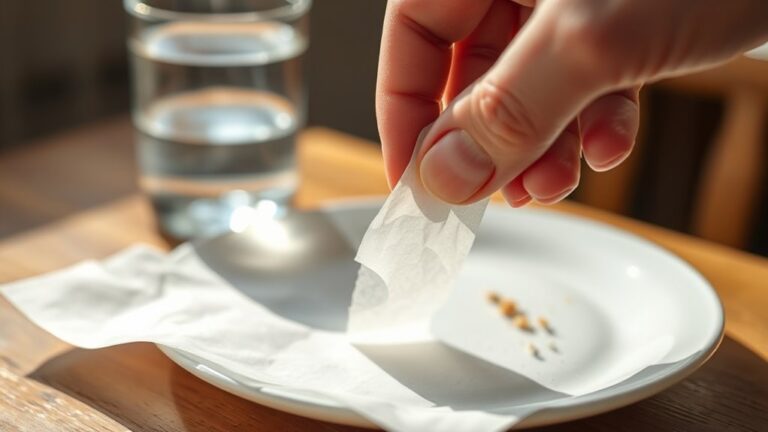
On the other hand, parchment paper is coated with silicone, making it heat-resistant and perfect for baking or roasting. It prevents sticking and can handle high oven temperatures without burning.
Using the right paper for your cooking needs is key for food safety and cooking success. Keep exploring to find out which paper is best for your kitchen tasks.
What Is Butcher Paper?
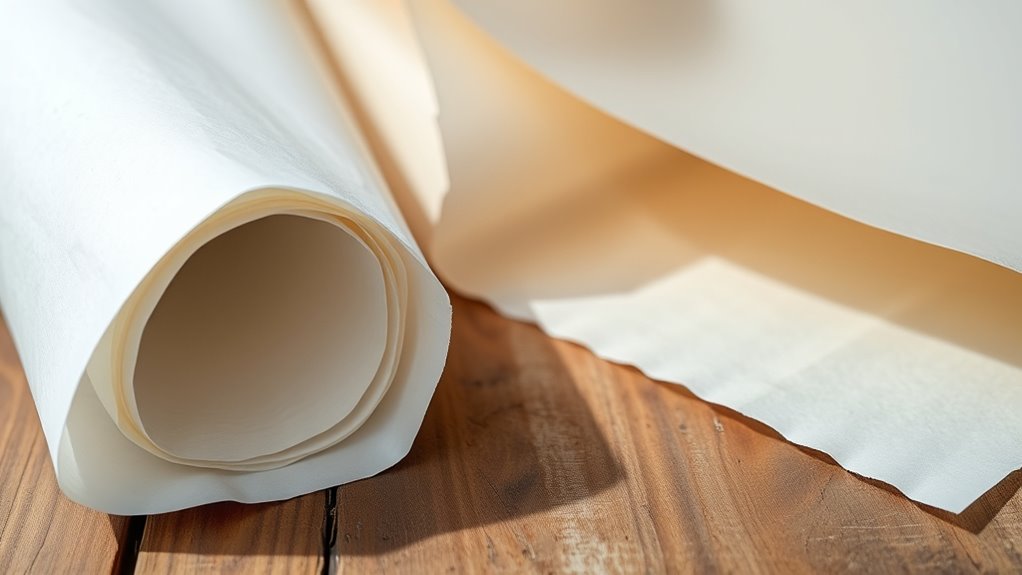
What exactly is butcher paper, and why might you choose it over other types? Butcher paper is a sturdy, uncoated kraft paper typically used for wrapping meat and fish. Its strength and breathability make it ideal for preserving freshness while allowing some airflow to prevent sogginess.
You’ll often find it in butcher shops, hence the name, but it’s also popular for grilling and smoking food because it can withstand heat and moisture without breaking down quickly. Unlike waxed or coated papers, butcher paper doesn’t have a slick surface, which means it won’t trap moisture inside.
If you’re wrapping items that need to breathe or require a durable, tear-resistant wrap, butcher paper’s your go-to. It’s available in various colors, but the traditional pink or brown hues are most common.
What Is Parchment Paper?
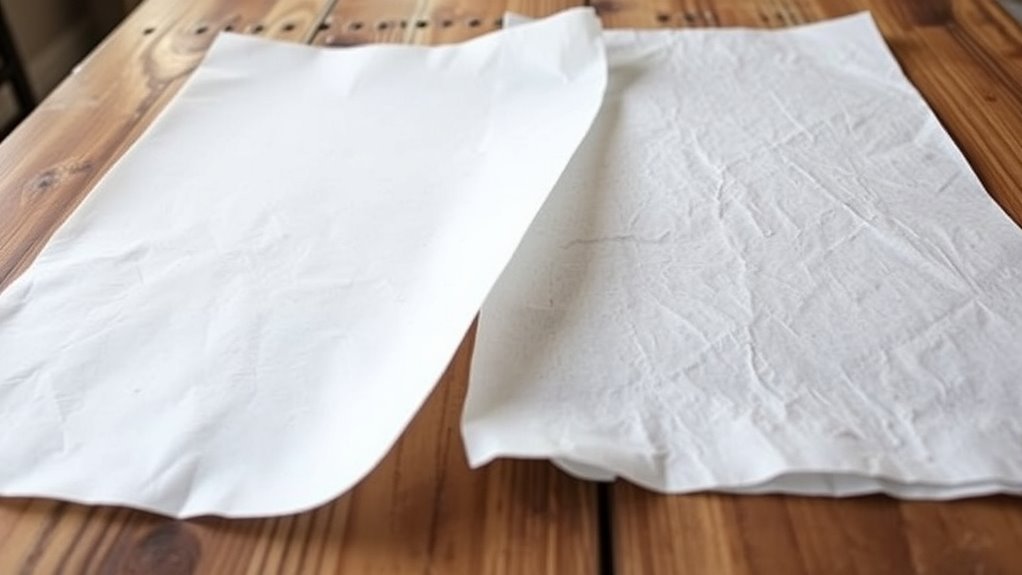
While butcher paper excels at wrapping and preserving freshness, parchment paper serves a different purpose in the kitchen. You’ll find parchment paper is a heat-resistant, non-stick material often used for baking and cooking.
It’s coated with silicone, which makes it moisture and grease-resistant. This allows your baked goods to release easily without sticking to the pan. You can line baking sheets or cake pans with parchment paper to simplify cleanup and prevent burning on the bottom.
It’s perfect for roasting vegetables or cooking fish en papillote since it can handle oven temperatures up to around 420°F (215°C). Just remember, parchment paper isn’t designed for wrapping or storing raw meats like butcher paper is.
It’s mainly a cooking aid to help you bake and roast more efficiently.
Key Differences Between Butcher Paper and Parchment Paper
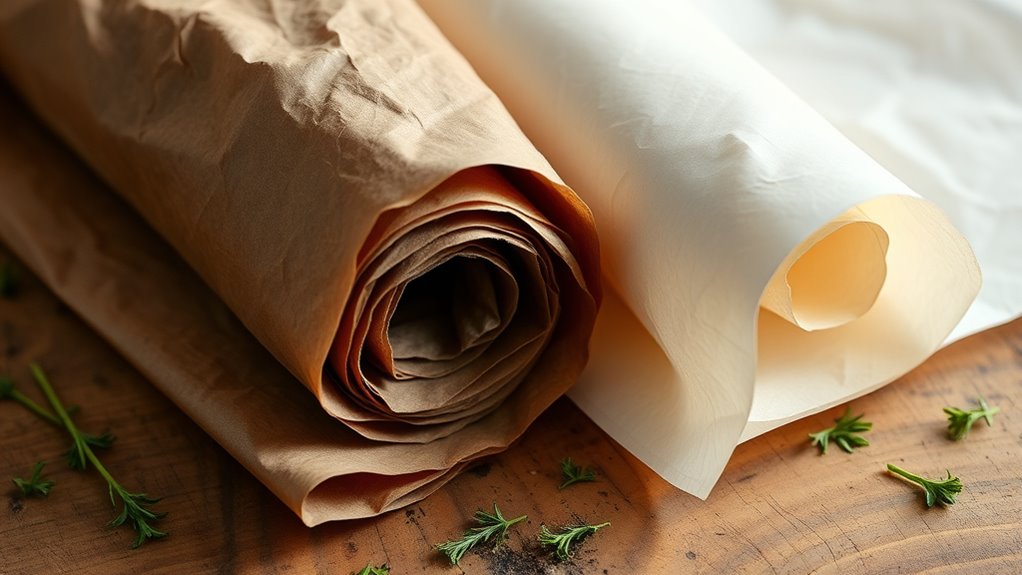
You’ll notice butcher paper and parchment paper differ in what they’re made of, how much heat they can handle, and what they’re best used for.
Understanding these differences helps you pick the right paper for your cooking or wrapping needs. Let’s break down each key point so you know exactly when to use each type.
Material Composition Differences
Because butcher paper and parchment paper serve different purposes, their material compositions vary considerably. Butcher paper is typically made from unbleached kraft pulp, giving it a sturdy, porous texture ideal for wrapping meats.
Parchment paper, on the other hand, is made from cellulose fibers treated with silicone. This treatment makes it non-stick and moisture-resistant. Understanding these material differences helps you choose the right paper for your culinary needs.
| Feature | Butcher Paper | Parchment Paper |
|---|---|---|
| Base Material | Unbleached kraft pulp | Cellulose fibers |
| Treatment | None (natural, porous) | Silicone-coated (non-stick) |
| Texture | Rough, absorbent | Smooth, moisture-resistant |
Heat Resistance Levels
The different materials and treatments of butcher paper and parchment paper directly affect how they handle heat. Butcher paper is typically untreated or minimally treated, so it can withstand moderate temperatures but isn’t designed for high-heat applications.
If you expose butcher paper to very high heat, it may scorch or even catch fire. On the other hand, parchment paper is coated with silicone, which makes it heat-resistant up to around 420°F (215°C).
This means you can safely use parchment paper in ovens for baking or roasting without worrying about burning. When you need a paper that can handle direct heat or high oven temperatures, parchment paper is the safer choice.
Butcher paper is better suited for wrapping and moderate heat scenarios, not intense heat exposure. So, if you’re cooking at high temperatures, stick with parchment paper to be safe.
Common Uses Compared
Although both butcher paper and parchment paper serve as useful kitchen tools, they shine in very different roles. When you’re wrapping fresh meat or fish, butcher paper is your go-to because it’s breathable and keeps your food fresh without trapping moisture.
It’s also great for lining trays during BBQ sessions or for craft projects. On the other hand, parchment paper is perfect when you’re baking cookies, roasting vegetables, or steaming fish.
Its non-stick, heat-resistant surface prevents sticking and makes cleanup easier. So, if you need something for direct heat or oven use, reach for parchment paper.
Butcher paper works best for storage and prep tasks where moisture control matters more. Knowing these distinctions helps you pick the right paper and get the best results every time.
Common Uses for Butcher Paper
You’ll find butcher paper is perfect for wrapping meat because it keeps it fresh while allowing it to breathe.
It also works great for food presentation, giving a rustic and appealing look to your dishes.
Let’s explore how these uses make butcher paper a handy tool in the kitchen.
Meat Wrapping Benefits
Why choose butcher paper for wrapping meat? It’s designed to keep your meat fresh while allowing it to breathe, which helps maintain quality.
When you wrap your cuts in butcher paper, you get several benefits:
- Moisture Control – It retains natural juices without making the meat soggy.
- Breathability – The paper’s porous nature prevents excess condensation.
- Durability – It’s strong enough to hold heavy cuts without tearing.
- Preservation – It slows down oxidation, extending the meat’s shelf life.
Using butcher paper lets you store or transport meat safely while preserving flavor and texture.
Food Presentation Uses
When you want to serve food with a rustic yet appealing touch, butcher paper offers a versatile solution. You can use it as a table runner or placemat to create a casual, inviting atmosphere.
It’s perfect for lining trays and baskets when serving sandwiches, burgers, or fries, adding a charming, informal vibe. If you’re hosting a picnic or barbecue, wrapping food in butcher paper keeps it warm while enhancing presentation.
You can even jot down menu items or doodle directly on the paper for a personalized touch. Because it’s sturdy and absorbent, butcher paper helps contain drips and grease, keeping your serving area clean.
Using butcher paper in food presentation combines practicality with aesthetic appeal, making your meals look effortlessly stylish. It’s a simple trick that really makes a difference!
Common Uses for Parchment Paper
How can parchment paper simplify your cooking and baking tasks? It serves as a versatile tool that keeps your kitchen mess-free and your recipes on track.
Parchment paper is your kitchen’s multitasking helper, keeping things clean and cooking smooth.
You’ll find it especially handy in these ways:
- Baking: Line your trays to prevent sticking and ensure even cooking.
- Roasting: Wrap veggies or fish for moist, flavorful results without extra cleanup.
- Rolling Dough: Use it as a non-stick surface for rolling out dough without flour excess.
- Steaming: Create pouches (en papillote) to lock in moisture and flavor while cooking.
Choosing the Right Paper for Your Cooking Needs
Although both butcher paper and parchment paper serve important roles in the kitchen, choosing the right one depends on what you’re cooking and how you plan to use it.
If you’re smoking or grilling meat, butcher paper is your best bet—it lets the meat breathe while retaining moisture, resulting in better texture and flavor.
On the other hand, if you’re baking cookies, roasting vegetables, or wrapping food for oven cooking, parchment paper is ideal because it’s non-stick and heat-resistant.
Avoid using butcher paper for high-heat baking since it lacks a silicone coating and may burn.
Knowing these distinctions helps you prevent cooking mishaps and ensures your dishes come out perfectly every time. So, match your paper choice to the task, and you’ll get the results you want.
Conclusion
Now that you know butcher paper and parchment paper aren’t the same, you can choose the right one for your cooking needs.
Did you know that over 60% of home cooks prefer parchment paper for baking because of its non-stick, heat-resistant qualities? It really makes a difference when you want your baked goods to come out perfectly every time.
Butcher paper, on the other hand, has breathability that’s perfect for smoking meats. This helps keep the meat juicy while allowing smoke to circulate.
So next time you’re prepping, pick the paper that suits your dish. Whether it’s parchment paper for baking or butcher paper for smoking, choosing the right paper will help you get the best results every time!