
How to Manage Bleeding After a Pap Smear and What Is Normal
You might notice light spotting or minor bleeding after a Pap smear, which is normal due to the gentle scraping of your cervix.
This kind of bleeding usually appears as a small amount of spotting and should not be cause for alarm.
To manage this, use a sanitary pad instead of tampons and keep the area clean with warm water.
Avoid harsh soaps or douches, as they can irritate your cervix further.
Rest is important, so try to avoid heavy activity to help your body heal.
However, if you experience heavy bleeding, bleeding that lasts more than a few days, or symptoms like pain and fever, it’s important to contact your doctor.
Keep reading to learn how to recognize normal bleeding after a Pap smear and understand when it’s time to seek medical help.
This way, you can manage any discomfort and stay informed about your health.
Understanding Pap Smear Procedure and Its Effects
Although a Pap smear is a routine procedure, you might be surprised by how it works and why it can sometimes cause bleeding.
During the test, your healthcare provider gently collects cells from your cervix using a small brush or spatula. This process can irritate the delicate cervical tissue, making light spotting possible afterward.
The cervix is sensitive, so even a careful sample can trigger minor bleeding. You might also notice slight discomfort or cramping during the procedure, which is normal.
The cervix’s sensitivity means minor bleeding and slight discomfort during a Pap smear are completely normal.
Understanding this helps you recognize that some bleeding is a typical response, not necessarily a sign of a problem. Knowing what to expect can ease your mind and prepare you for what comes next in managing any post-test bleeding.
Common Causes of Bleeding After a Pap Smear
You might notice some light bleeding right after your Pap smear, which is usually normal. This happens because the procedure can irritate or slightly injure the cervix.
Understanding when and why bleeding occurs will help you know what to expect and when to seek help. So, don’t be alarmed if you see a little spotting—it’s pretty common!
Typical Bleeding Reasons
Since a Pap smear involves collecting cells from the cervix, slight bleeding afterward is fairly common and usually harmless. The procedure can mildly irritate or scratch the delicate cervical tissue, causing light spotting or bleeding.
Another typical reason is the cervical mucus getting disrupted during the test, which sometimes leads to minor bleeding. If you have an infection or inflammation, your cervix might be more sensitive, increasing the chance of bleeding.
Additionally, if you recently had your period or are on blood-thinning medications, you might notice more bleeding than usual. Remember, this bleeding should be light and short-lived.
If you experience heavy bleeding or bleeding lasting more than a day, it’s best to consult your healthcare provider for further evaluation.
When Bleeding Occurs
Bleeding most commonly occurs immediately after a Pap smear, often due to the gentle scraping of cervical cells during the test. This mild irritation can cause slight spotting or light bleeding, which usually stops within a day or two.
But sometimes, bleeding might happen later or be heavier than expected. That could mean other factors are at play. You should watch for these common causes:
- Cervical sensitivity: Some cervixes are more delicate, leading to prolonged bleeding.
- Infection or inflammation: These can increase bleeding risk after the procedure.
- Underlying cervical abnormalities: Polyps or lesions may bleed more easily when disturbed.
If you notice heavy bleeding, prolonged spotting beyond a few days, or severe pain, don’t hesitate to contact your healthcare provider promptly for evaluation.
What Type of Bleeding Is Normal?
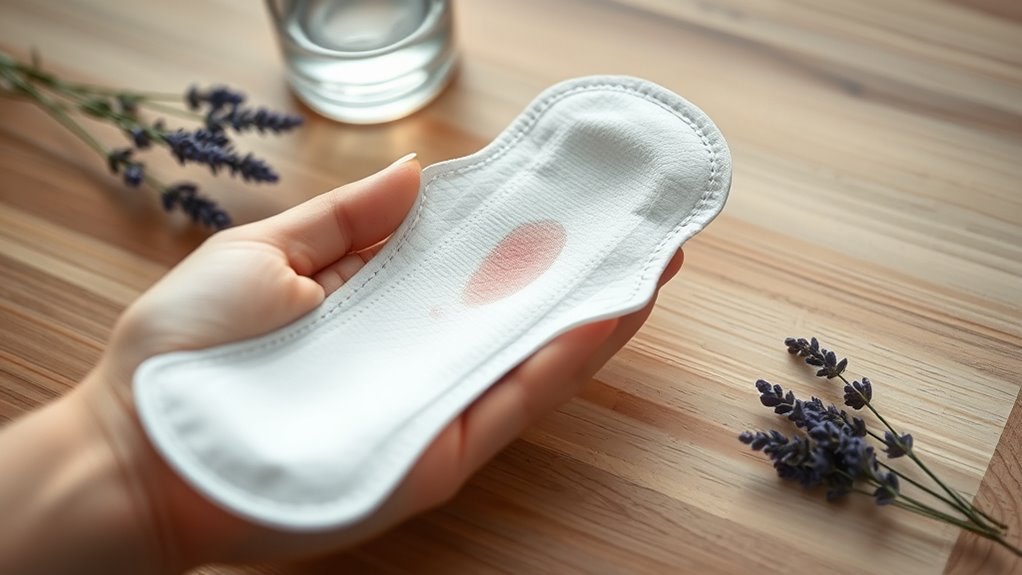
Although some spotting after a Pap smear can feel alarming, it’s often a normal response to the procedure. You may notice light pink or brown spotting that lasts a few hours to a day.
This happens because the Pap smear gently scrapes cells from your cervix, which can cause minor irritation and small blood vessel disruption. The bleeding should be minimal—usually just a few drops or light spotting—not heavy or continuous.
If you see bright red blood or clots, that’s less typical and might need attention. Normal bleeding won’t interfere with your daily activities or cause significant discomfort.
Understanding these signs helps you stay calm, knowing that a little bleeding after a Pap smear is usually nothing to worry about.
Steps to Manage Mild Bleeding at Home
If you notice mild bleeding after your Pap smear, you can usually manage it effectively at home with a few simple steps. First, use a sanitary pad to absorb the light bleeding and avoid tampons, which can irritate the area.
Then, rest for a bit and avoid strenuous activities to help your body heal naturally. It’s a good idea to take it easy for a little while.
Finally, keep the area clean by gently washing with warm water and avoiding harsh soaps or douches. This helps prevent infection and promotes healing.
- Use a sanitary pad instead of tampons to prevent irritation
- Rest and avoid heavy lifting or intense exercise
- Maintain gentle hygiene to prevent infection and promote healing
When to Contact Your Healthcare Provider
While mild bleeding after a Pap smear is common and usually manageable at home, certain signs mean you should contact your healthcare provider. Contact them if your bleeding is heavy, soaking through more than one pad an hour or lasting over a few days.
Also, if you experience severe pain, fever, chills, or foul-smelling discharge, these could signal infection or complications. If bleeding starts suddenly after days of no symptoms or worsens instead of improving, don’t hesitate to call.
Additionally, if you have any concerns about unusual symptoms or your overall health after the procedure, it’s best to get professional advice promptly. Prompt communication guarantees you receive timely care and peace of mind.
Tips for Preparing for Your Next Pap Smear Appointment
To get the most accurate results, schedule your Pap smear when you’re not on your period. Avoid using tampons, douches, or vaginal medications for at least 48 hours before your appointment.
These simple steps help guarantee your healthcare provider can perform the test smoothly and safely. It’s all about making the process easier for you and your doctor.
Appointment Timing Tips
Although scheduling your Pap smear might seem straightforward, choosing the right timing can reduce discomfort and improve test accuracy.
Ideally, you want to avoid times when your cervix is inflamed or during active bleeding, which can interfere with results. Plan your appointment when you’re not menstruating, typically between days 10 and 20 of your menstrual cycle, to ensure clearer samples.
Also, avoid scheduling right after sexual intercourse or vaginal infections, as these can affect the test.
Consider these timing tips:
- Schedule between periods to avoid spotting or bleeding.
- Avoid appointments during or just after vaginal infections.
- Plan around your menstrual cycle for ideal results.
Choosing the best time helps minimize bleeding after the test and guarantees your doctor gets the most precise information.
Pre-Appointment Care
Proper preparation can make your Pap smear more comfortable and accurate. Before your appointment, avoid using tampons, vaginal creams, or douches for at least 48 hours. These can interfere with test results.
Try to schedule your visit when you’re not on your period. This helps reduce bleeding and discomfort during the exam. On the day of, wear comfortable clothing and empty your bladder beforehand. It’ll help you feel more at ease during the procedure.
Be ready to share your medical history, including any symptoms or previous abnormal results. This info helps your healthcare provider tailor the examination to your needs.
And remember, try to relax and breathe deeply during the procedure. Tension can make it more uncomfortable and might increase the risk of bleeding.
Following these simple steps helps ensure the best outcome and minimal post-test bleeding.
Conclusion
Bleeding after a Pap smear is usually mild and normal, so don’t panic if you notice a little spotting. The theory that any bleeding means something serious isn’t true—most times, it’s just your cervix reacting to the gentle scraping.
Still, if the bleeding is heavy or doesn’t stop, you should contact your healthcare provider. Knowing what to expect helps you stay calm and prepared for your next appointment.
Managing bleeding after a Pap smear involves understanding what’s normal and when to seek help. Mild spotting is common and usually nothing to worry about. However, heavy bleeding or prolonged bleeding isn’t typical and should be evaluated. By recognizing these signs, you can manage bleeding after a Pap smear effectively and ensure your health and peace of mind. Remember, staying informed about normal post-Pap smear bleeding helps you feel confident and ready for any follow-up care.