Is Butcher Paper the Same as Parchment Paper?
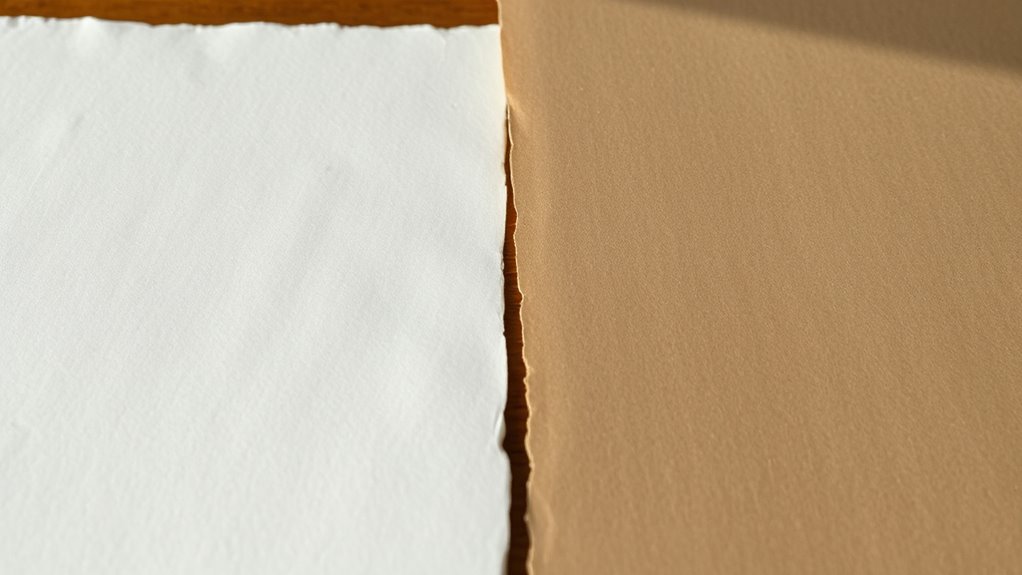
Butcher paper and parchment paper aren’t the same and serve different purposes in the kitchen. If you’re wondering about butcher paper vs parchment paper, it’s good to know they each have unique qualities.
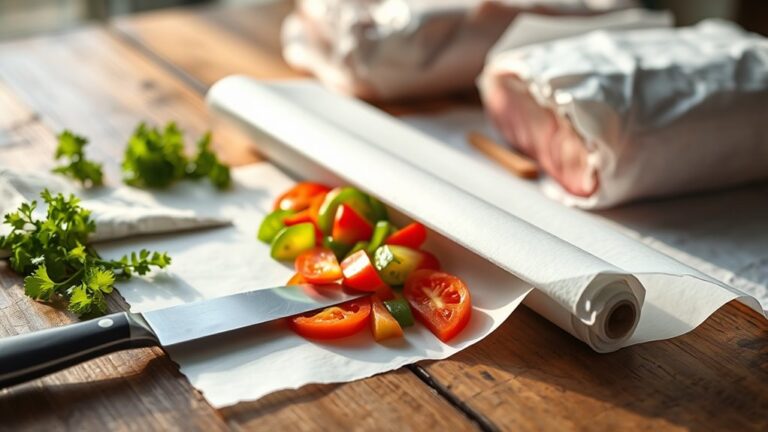
Butcher paper is uncoated and porous, making it perfect for wrapping and storing meat. It lets moisture escape, which helps keep meat fresh.
On the other hand, parchment paper is coated with silicone. This coating makes it heat-resistant and non-stick—ideal for baking and lining pans. Because of these differences, you shouldn’t swap one for the other, especially when cooking or roasting.
Want to understand their best uses? Keep reading to explore their differences and find out when to use each paper type.
What Is Butcher Paper?
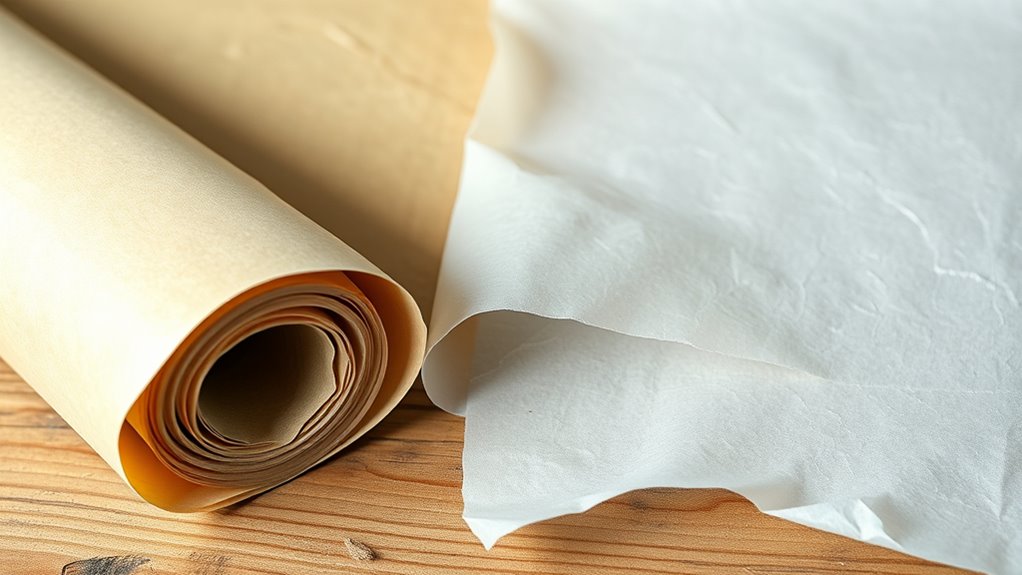
What makes butcher paper unique? You’ll notice it’s a strong, coarse paper designed specifically for wrapping meat. Unlike regular paper, butcher paper is thicker and more durable, which helps prevent tearing when handling heavy cuts.
Butcher paper stands out for its strength and durability, ideal for wrapping heavy cuts without tearing.
You’ll often find it in butcher shops, where it protects meat while allowing it to breathe, thanks to its porous nature. This breathability helps reduce moisture buildup, keeping the meat fresh without making it soggy.
Butcher paper usually comes in white or pink, with the pink variety often seen in professional meat markets. When you use butcher paper, you get a product that balances protection and ventilation, making it ideal for wrapping, storing, or even cooking certain foods like barbecue.
It’s tough, absorbent, and built for food handling tasks.
What Is Parchment Paper?
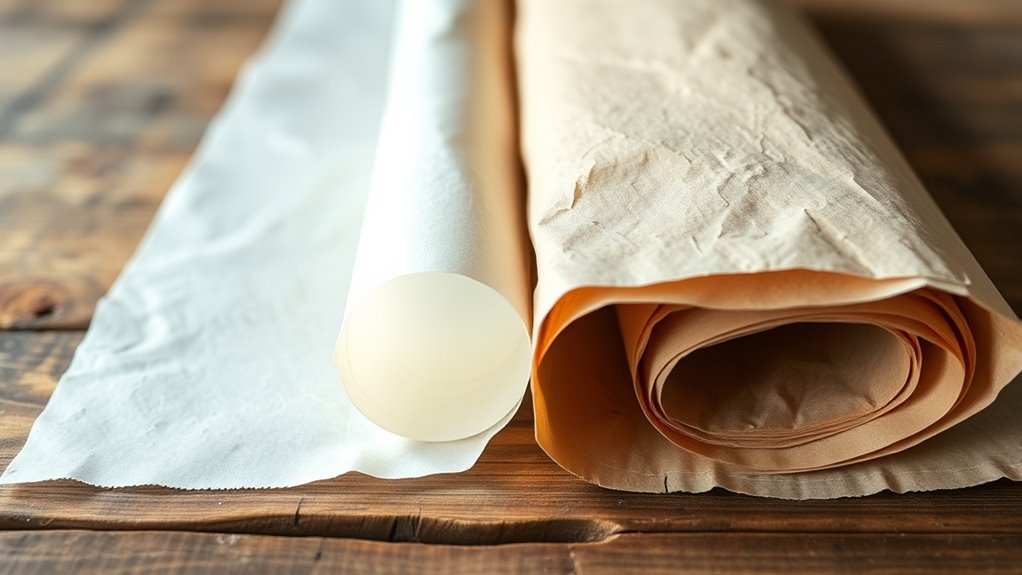
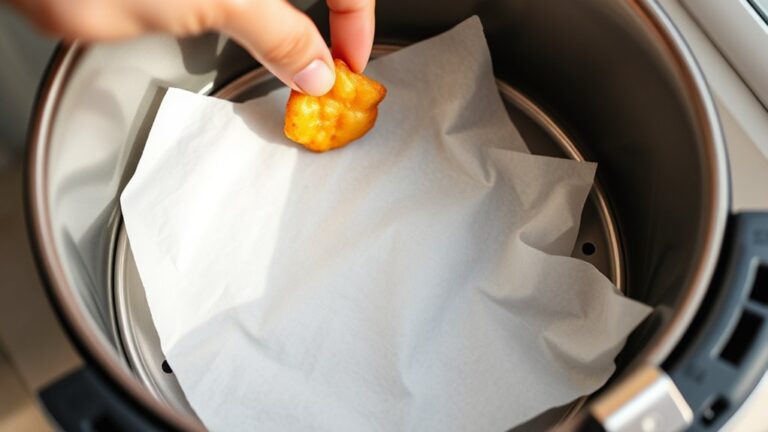
While butcher paper excels at wrapping and preserving meat due to its breathability, parchment paper serves a different purpose in the kitchen. Parchment paper is a heat-resistant, non-stick paper often used in baking and cooking. It’s coated with silicone, which prevents food from sticking and protects your pans.
When you use parchment paper, you’ll notice these key benefits: First, it allows you to bake cookies, cakes, or roast vegetables without greasing the pan, making cleanup easier. Plus, it can withstand high temperatures, typically up to 420°F (215°C), so you can safely use it in the oven.
Also, it’s moisture-resistant, which helps retain food texture and prevents sogginess during cooking. Understanding what parchment paper is helps you use it effectively in your kitchen tasks. It really makes cooking and baking simpler and less messy!
Key Differences Between Butcher Paper and Parchment Paper
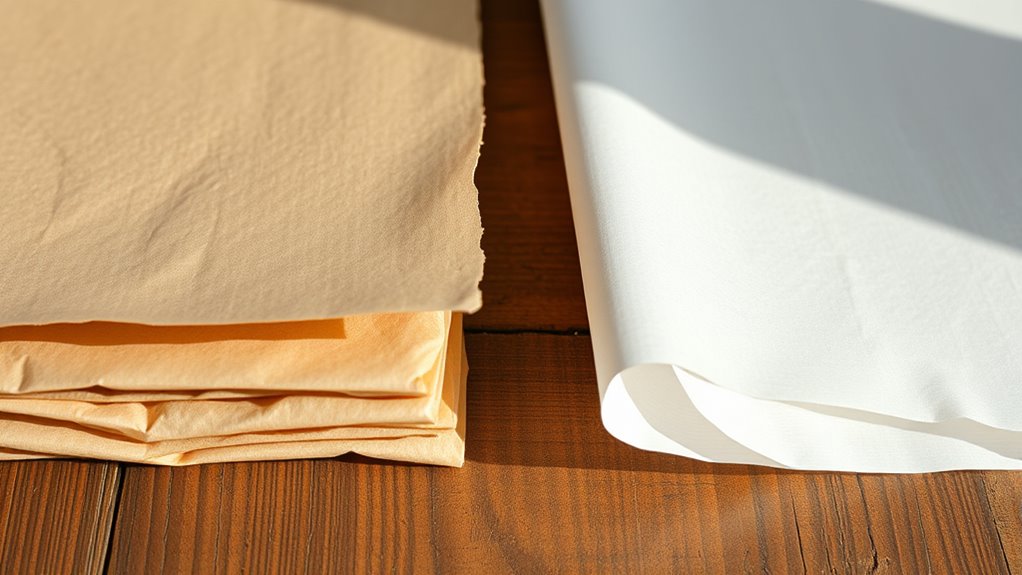
You’ll notice butcher paper and parchment paper differ mainly in their material makeup—one’s more porous, the other coated for heat resistance.
Knowing what each is made of helps you pick the right paper for your cooking or wrapping needs.
Let’s compare their common uses to see how each performs in the kitchen.
Material Composition Differences
Because butcher paper and parchment paper are made from different materials, their properties and uses vary considerably. You’ll notice these key composition differences:
- Butcher paper is typically made from unbleached kraft pulp, giving it a sturdy, porous texture that’s ideal for wrapping meat or absorbing moisture.
- Parchment paper is coated with silicone, which makes it non-stick, heat-resistant, and moisture-repellent—perfect for baking and cooking.
- The natural fibers in butcher paper remain untreated, so it’s more breathable, while parchment paper’s silicone coating creates a moisture barrier, preventing sticking and allowing easy food release.
Understanding these material differences helps you choose the right paper for your cooking or packaging needs. You won’t want to swap one for the other without considering how their composition affects performance.
Common Uses Comparison
Understanding the differences in material composition between butcher paper and parchment paper directly impacts how you use them in the kitchen. Butcher paper is ideal for wrapping meats, especially during smoking or barbecuing, because it’s breathable and allows moisture to escape, keeping the meat tender.
You’ll find it’s also great for wrapping sandwiches or lining trays. On the other hand, parchment paper is coated with silicone, making it non-stick and heat-resistant.
This means you can use it for baking cookies, roasting vegetables, or steaming fish without worrying about sticking or burning. While butcher paper isn’t suitable for direct heat, parchment paper withstands oven temperatures up to around 450°F, giving you versatility.
Knowing these uses helps you pick the right paper for your cooking needs. It really makes a difference once you start using them the right way!
When to Use Butcher Paper in Cooking and Food Preparation
You’ll find butcher paper perfect for wrapping and storing meat because it lets the meat breathe while keeping it fresh.
It’s also a great choice for smoking and grilling since it can handle heat without trapping moisture like plastic wrap.
When you want to keep your meat juicy but not soggy, butcher paper is the way to go.
Wrapping and Storing Meat
When wrapping and storing meat, choosing the right paper can make all the difference in preserving freshness and flavor. Butcher paper is ideal because it’s breathable yet moisture-resistant, preventing your meat from sweating and spoiling too quickly.
Here’s when to use butcher paper for storage:
- Wrap large cuts like brisket or ribs to allow smoke to escape while keeping the meat moist.
- Store fresh meat in the fridge wrapped tightly to reduce oxidation and maintain color.
- Use it for short-term freezer storage, as it protects against freezer burn better than regular plastic wrap.
Avoid parchment paper here—it’s coated and won’t breathe, which can trap moisture and degrade your meat’s quality. So, choose butcher paper to keep your meat fresh and flavorful longer.
Smoking and Grilling Use
Although both butcher paper and parchment paper have their uses in the kitchen, butcher paper shines during smoking and grilling because it lets your meat breathe while locking in moisture. When you wrap brisket or ribs in butcher paper, you prevent the bark from becoming soggy, unlike foil, which traps steam.
You’ll find that butcher paper’s porous nature allows smoke to penetrate while keeping juices inside, enhancing flavor and tenderness.
| Use Case | Butcher Paper | Parchment Paper |
|---|---|---|
| Smoking Meat | Ideal for moisture retention | Not suitable; lacks breathability |
| Grilling | Great for wrapping | Not heat resistant enough |
| Flavor Enhancement | Allows smoke infusion | Minimal to none |
Use butcher paper for smoking and grilling to get perfect texture and taste every time. It really makes a difference!
When to Use Parchment Paper in Baking and Cooking
Wondering how to decide between parchment paper and other kitchen liners? You’ll find parchment paper especially handy when you want to simplify baking and cooking tasks without fuss.
Not sure when to choose parchment paper? It’s perfect for hassle-free baking and cooking.
Here’s when to reach for it:
- Baking cookies or pastries: It prevents sticking and ensures even browning without adding extra grease.
- Roasting vegetables or fish: You can wrap food in parchment to lock in moisture and flavor, creating a gentle steaming effect.
- Lining cake pans and trays: It helps you lift baked goods cleanly out of pans, reducing mess and damage.
Parchment paper withstands oven temperatures up to about 420°F, so use it for tasks within that range.
It’s your go-to for non-stick, easy cleanup, and maintaining food texture during baking or gentle cooking.
Tips for Choosing the Right Paper for Your Kitchen Needs
Choosing the right paper for your kitchen tasks can make a big difference in your cooking results and cleanup. Start by considering what you’re cooking.
Use parchment paper when you need a non-stick, heat-resistant surface for baking cookies or roasting vegetables. Butcher paper works best for wrapping meats or smoking since it’s breathable and sturdy.
Avoid using parchment paper on a grill, where butcher paper excels by allowing smoke to circulate. Also, check the temperature limits: parchment paper can usually withstand up to 420°F, while butcher paper may not handle direct heat well.
Finally, think about cleanup—parchment paper prevents sticking, making dishes easier to clean. By matching the paper to your specific cooking method, you’ll get better results and save time washing up.
Conclusion
You might think butcher paper and parchment paper are interchangeable, but they’re actually quite different—kind of like grabbing a map when you really need a GPS.
While butcher paper wraps and protects your meat with durability, parchment paper shines in the oven, preventing sticking and making cleanup easy.
So next time you reach for a kitchen paper, remember: choosing the right one is like picking the perfect tool—it makes all the difference in your cooking adventure.
Understanding the difference between butcher paper and parchment paper is key to cooking success. Butcher paper is great for wrapping and preserving meats, especially when smoking or grilling, thanks to its sturdy, breathable nature. On the other hand, parchment paper is coated to resist heat and moisture, making it perfect for baking and roasting tasks where you want to prevent food from sticking and ensure easy cleanup.
In short, butcher paper and parchment paper serve distinct purposes in the kitchen. Using the right paper enhances your cooking results and helps you avoid common pitfalls. So, next time you’re prepping a meal, pick butcher paper for meat handling and parchment paper for baking—your dishes (and cleanup) will thank you!