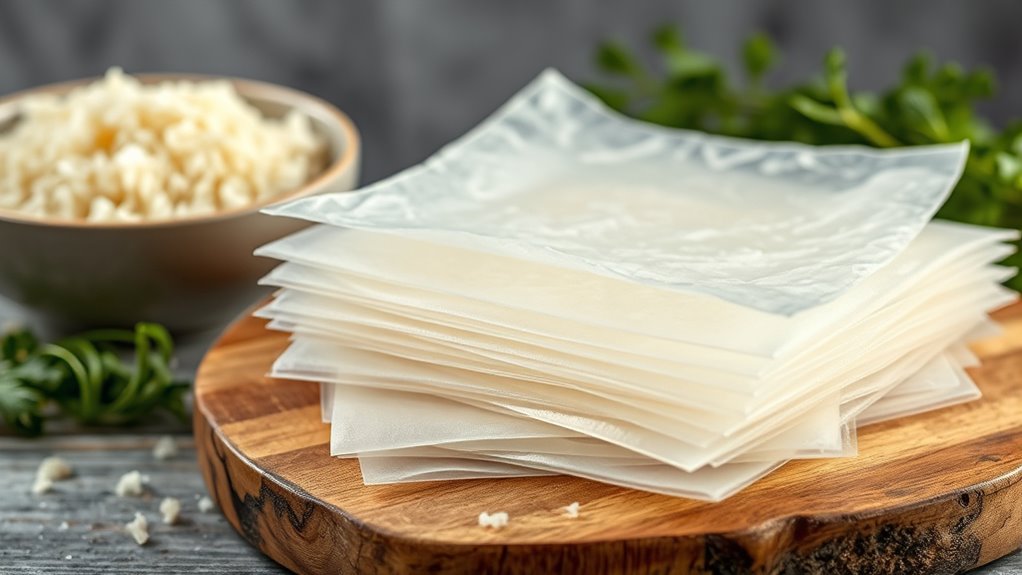
Is Rice Paper Gluten Free?
You can generally trust that rice paper is gluten-free since it’s mainly made from rice flour, water, and sometimes tapioca starch—all naturally free of gluten. This makes rice paper a popular choice for those with gluten sensitivities or celiac disease.
However, it’s important to be aware that cross-contamination can happen if it’s processed or stored near gluten-containing products.
To stay safe, look for rice paper labeled gluten-free and follow careful handling and storage practices. If you want to make sure your rice paper fits your gluten-free needs, there are some important details worth exploring further.
It’s always good to double-check and be cautious, especially if you have a strict gluten-free diet.
What Is Rice Paper Made From?
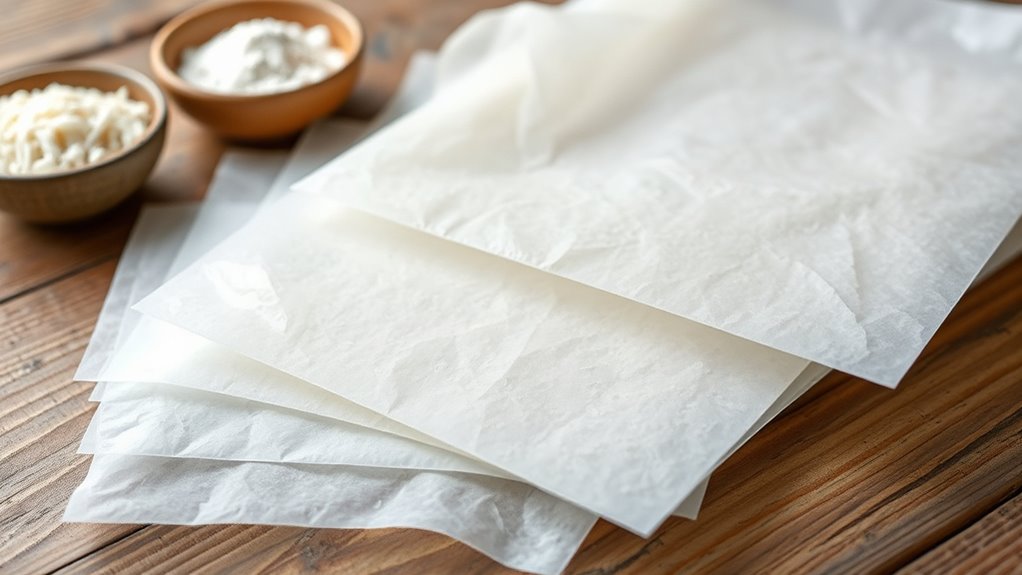
Wondering what rice paper is made from? It’s primarily crafted from rice flour, water, and sometimes tapioca starch. These simple ingredients combine to form a thin, translucent sheet that’s perfect for wrapping your favorite foods.
Rice flour provides the base, while water helps create a smooth batter. Tapioca starch, if included, adds a bit of flexibility and chewiness to the paper. You won’t find any wheat or gluten-containing grains in traditional rice paper recipes.
This means it’s generally safe for those avoiding gluten. However, keep in mind that manufacturing processes vary, so cross-contamination can occur. Understanding the basic components gives you a solid foundation before exploring the different types and their specific ingredients.
Types of Rice Paper and Their Ingredients
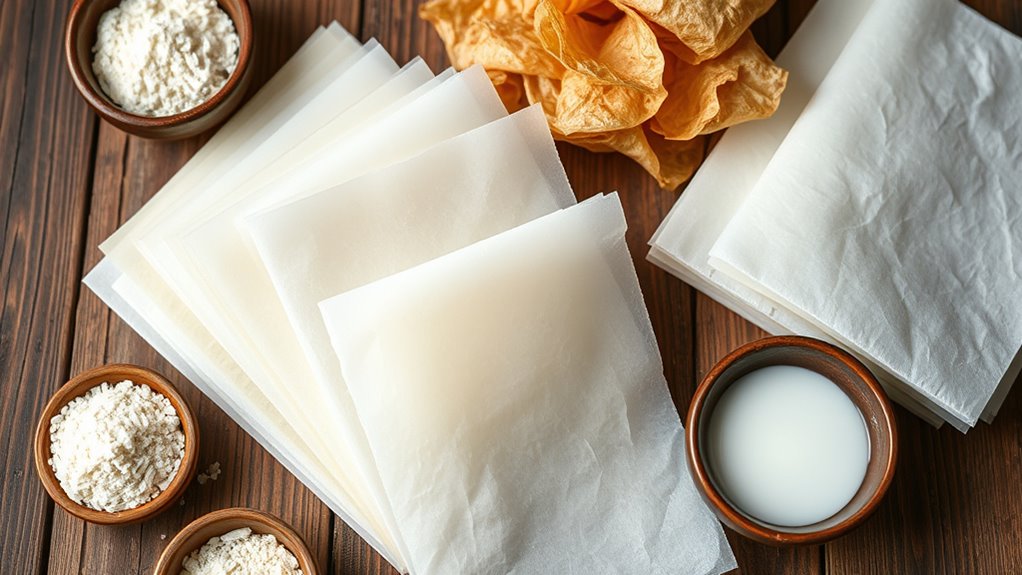
Although rice paper generally relies on rice flour and water, the specific ingredients can vary depending on the type you choose.
Traditional Vietnamese rice paper, often used for spring rolls, typically contains rice flour, tapioca starch, water, and salt. Tapioca starch adds flexibility and a slightly chewy texture.
In contrast, some varieties used for desserts or snacks might include additional starches like potato or corn starch. You might also find rice papers made purely from rice flour and water, offering a more delicate texture.
Keep in mind, some brands add preservatives or anti-sticking agents, so always check the label.
Knowing these differences helps you pick the right rice paper for your dish and ensures you understand exactly what’s in it.
Potential Sources of Gluten Contamination
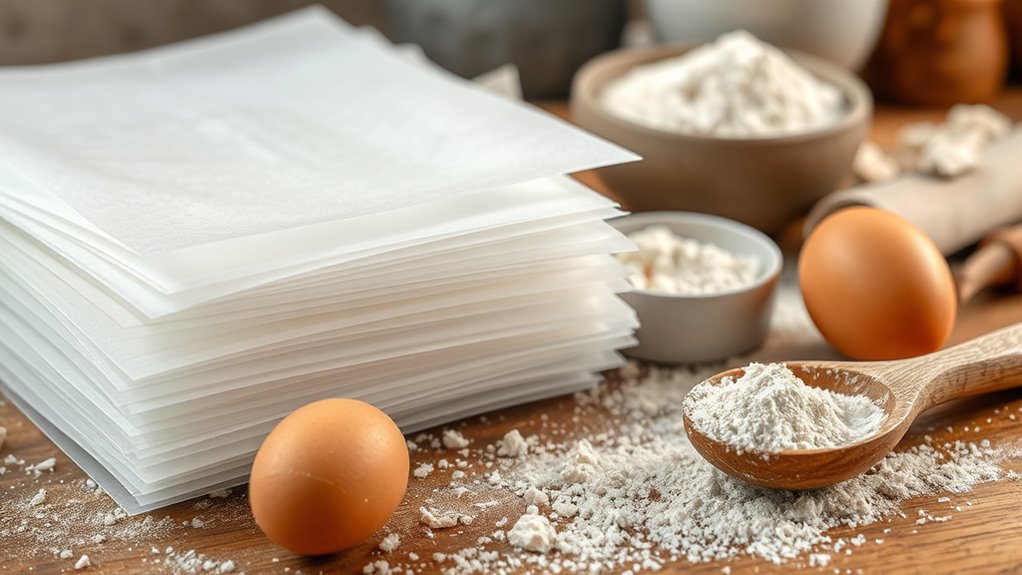
You need to watch out for cross-contamination when handling rice paper, especially if it’s processed in facilities that also handle gluten-containing grains.
The manufacturing process can sometimes introduce gluten through shared equipment or packaging. Being aware of these risks helps you make safer choices if you’re sensitive to gluten.
Cross-Contamination Risks
Where might gluten sneak into rice paper products? It can happen when rice paper shares equipment or storage areas with gluten-containing foods.
If the same cutting boards, utensils, or surfaces aren’t thoroughly cleaned, tiny gluten particles can transfer. Even airborne flour dust in a mixed kitchen environment can settle on rice paper sheets.
If you buy rice paper from bulk bins or open displays, cross-contact is more likely. Also, if workers handling rice paper have recently touched gluten products without washing hands, contamination can occur.
To minimize this risk, look for rice paper packaged separately, with clear gluten-free labeling. Buying from trusted brands or stores that prioritize allergen control helps, too.
Staying vigilant helps you avoid accidental gluten exposure. It’s all about keeping those sneaky gluten bits away!
Manufacturing Process Considerations
Since rice paper often passes through multiple stages in production, gluten contamination can occur if manufacturers don’t strictly control their processes. You need to be aware that shared equipment used for gluten-containing products like wheat flour or dough can leave traces on rice paper.
If cleaning protocols aren’t thorough, cross-contact becomes a real risk. Additionally, ingredients added during processing, such as flavorings or preservatives, might contain gluten if not carefully sourced.
You should look for manufacturers that follow strict gluten-free guidelines and conduct regular testing to ensure safety. Checking for certifications or clear labeling can help you avoid hidden gluten.
How to Identify Gluten-Free Rice Paper
How can you be sure that the rice paper you’re buying is truly gluten-free? First, check the packaging for a clear gluten-free label or certification. Manufacturers who test their products for gluten contamination will usually highlight this.
Next, scrutinize the ingredient list—pure rice paper typically contains only rice flour, water, and sometimes tapioca starch or salt, all naturally gluten-free. Avoid rice paper that lists wheat, barley, rye, or malt, as these contain gluten.
Also, consider the brand’s reputation; some specialize in gluten-free products and maintain strict cross-contamination controls. If you’re buying from a local market or an unknown brand, ask the seller about their sourcing and manufacturing process.
Taking these steps helps you confidently select rice paper that’s safe for a gluten-free diet.
Common Dishes Using Rice Paper
You’ll find rice paper at the heart of many popular Vietnamese recipes like fresh spring rolls. It’s also a favorite for a variety of Asian appetizers that are light and flavorful.
Plus, chefs often use it in fusion cuisine to add a unique twist to traditional dishes. It’s pretty versatile, don’t you think?
Popular Vietnamese Recipes
Where can you find rice paper most deliciously showcased? In popular Vietnamese recipes like fresh spring rolls, crispy fried rolls, and bánh tráng nướng. These dishes highlight rice paper’s versatility and its gluten-free nature, making it perfect for anyone avoiding gluten.
Here’s a quick look at some favorites:
| Dish Name | Description | Serving Suggestion |
|---|---|---|
| Fresh Spring Rolls | Rice paper wrapped with shrimp, herbs, and vermicelli | Served with peanut or hoisin sauce |
| Fried Spring Rolls | Crispy rolls filled with pork and vegetables | Perfect as an appetizer |
| Bánh Tráng Nướng | Grilled rice paper topped with egg, scallions, and meat | Enjoy as a snack or light meal |
You’ll love how rice paper brings authentic Vietnamese flavors right to your table. It’s simple, tasty, and a great way to enjoy a bit of Vietnam wherever you are.
Asian Appetizer Varieties
Rice paper shines in a variety of Asian appetizers beyond Vietnamese cuisine, showcasing its flexibility and gluten-free appeal. You’ll find it wrapped around fresh spring rolls filled with crisp vegetables and shrimp in Thailand or used to create delicate Thai-style fried spring rolls.
In Cambodia, rice paper often encases savory mixtures of minced meat and herbs, offering a delightful contrast of textures. You can also enjoy it as a crisp, light wrapper for Filipino lumpia, where it crisps beautifully when fried.
Whether fresh or fried, rice paper provides a gluten-free base that complements diverse fillings, making it a staple in many Asian appetizers you can easily prepare or savor at home. Its versatility lets you explore various flavors without worrying about gluten content.
Fusion Cuisine Applications
Although traditionally rooted in Asian cuisine, rice paper has found its way into fusion dishes worldwide, thanks to its versatility and gluten-free nature. When you’re experimenting with fusion cooking, rice paper serves as a perfect wrapper for combining flavors from different cultures.
You can fill it with Mediterranean ingredients like hummus, roasted vegetables, and feta cheese for a fresh twist. Alternatively, try a Mexican-inspired roll with avocado, black beans, and salsa for a vibrant bite.
Because rice paper is neutral and flexible, it adapts well to sweet fillings too—think tropical fruits paired with coconut cream for a dessert roll. Using rice paper lets you get creative while keeping your dishes gluten-free, making it a great choice for diverse, health-conscious menus.
Tips for Using Rice Paper Safely on a Gluten-Free Diet
Since cross-contamination can easily occur, you’ll want to check labels carefully and buy rice paper from trusted brands that guarantee gluten-free production. Always verify the packaging for a certified gluten-free label to guarantee safety.
When preparing your rice paper, clean your hands and work surfaces thoroughly to avoid any gluten residue. Use separate utensils and bowls if you’re handling both gluten-containing and gluten-free foods.
Store rice paper away from wheat products to prevent accidental exposure. If you’re dining out, don’t hesitate to ask the restaurant about their rice paper sourcing and preparation methods.
Conclusion
Now that you know rice paper is typically made from rice and often gluten-free, you might wonder if every brand is safe for you. Could hidden gluten be lurking in some varieties or cross-contamination happen more easily than you think?
Before you jump into your next spring roll or fresh wrap, take a moment to double-check ingredients and labels. It’s important to be cautious because not all rice paper is guaranteed gluten-free. Some manufacturers might add other ingredients or process their rice paper in facilities that handle gluten-containing products.
Your gluten-free journey depends on those small, careful choices. So, are you ready to make them? Always look for certified gluten-free rice paper to ensure there’s no hidden gluten. Being vigilant helps you enjoy delicious meals without worry, keeping your gluten-free lifestyle safe and tasty.