
Is the Pap Smear Painful and How Can You Prepare for Comfort?
A Pap smear is a common screening test that helps detect abnormal cells in the cervix early. Many wonder, “Is the Pap smear painful?” Generally, it causes only brief pressure and mild discomfort—not significant pain.
You might feel a quick pinching sensation when the cells are collected, but it’s over fast.
To prepare for comfort, try to avoid scheduling your appointment during your period. Also, skip using vaginal products like creams or douches for at least 48 hours before the test.
Taking slow, deep breaths during the procedure can help you relax more.
Wearing comfortable clothes can make the visit easier too.
Plus, your healthcare provider’s gentle technique plays a big role in minimizing discomfort.
If you want to learn more about reducing anxiety and managing any unease, keep exploring these helpful tips.
Understanding What a Pap Smear Involves

Although many people feel anxious about it, a Pap smear is a routine procedure that helps detect cervical cancer early.
A Pap smear is a routine, important test that helps detect cervical cancer early and protect your health.
When you go for a Pap smear, your healthcare provider gently inserts a speculum into your vagina to widen it, allowing access to your cervix. Then, they use a small brush or spatula to collect cells from the cervix’s surface.
This sample is sent to a lab to check for abnormalities or signs of infection. The entire process usually takes just a few minutes.
Knowing what happens can ease your mind and help you feel more in control. Remember, it’s a quick, simple test that plays a vital role in maintaining your reproductive health.
Common Sensations Experienced During a Pap Smear
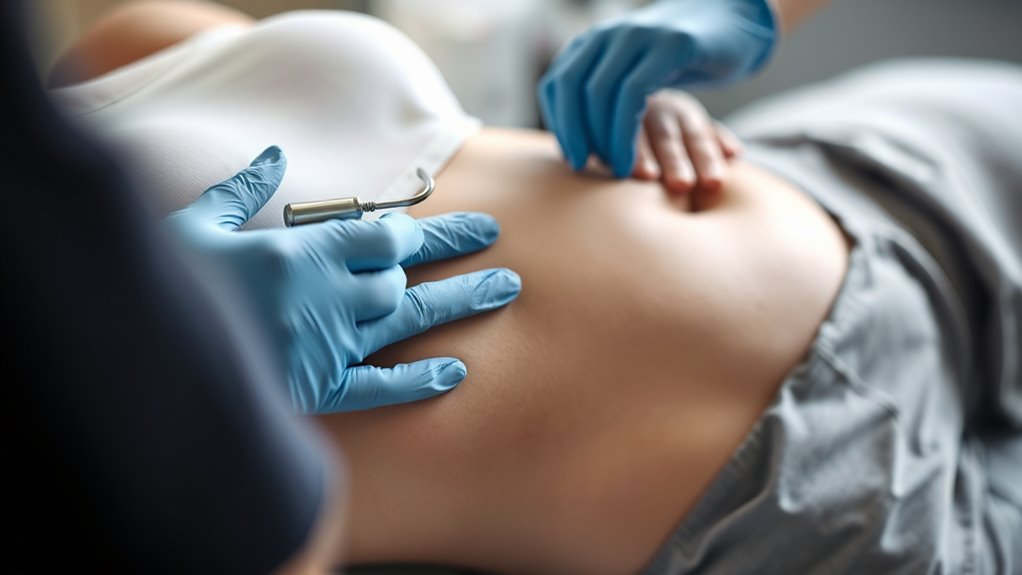
While the procedure is brief, you might notice a range of sensations during a Pap smear, from mild pressure to slight discomfort. These feelings are normal and usually pass quickly once the test is done.
Here are some common sensations you might experience:
- A feeling of pressure or fullness as the speculum is inserted.
- A slight pinch or mild cramping when the sample is collected.
- A cool or wet sensation from the swabs or liquid used during the procedure.
It’s nothing to worry about, just a few brief moments that help your healthcare provider keep you healthy.
Factors That Can Influence Discomfort Levels
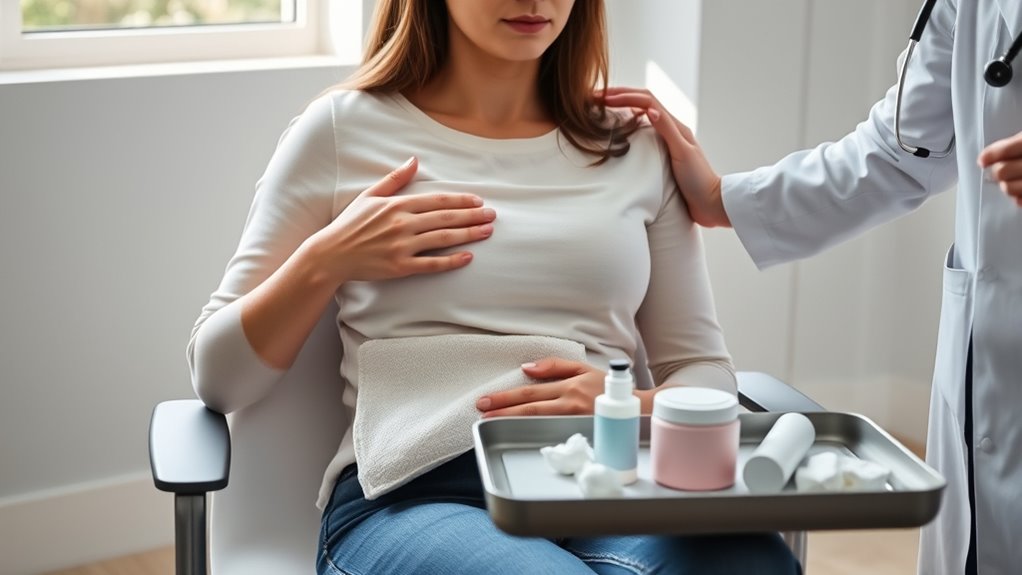
Because everyone’s body reacts differently, several factors can affect how much discomfort you feel during a Pap smear. Your pain level might depend on your menstrual cycle; having the test during your period can increase sensitivity.
If you’ve recently had vaginal infections or inflammation, the area may be more tender. Your anxiety or stress levels can also heighten discomfort because tension tightens muscles.
Additionally, your pelvic anatomy, such as a narrow vaginal canal, can make the insertion of the speculum feel more uncomfortable. Previous experiences with pelvic exams can influence your perception of pain, too.
Ultimately, the skill and technique of the healthcare provider performing the test play a role; a gentle, experienced examiner often causes less discomfort. Understanding these factors can help you anticipate what to expect.
How to Prepare Mentally and Physically for Your Appointment
To reduce discomfort and anxiety during your Pap smear, you should prepare both mentally and physically ahead of time. Knowing what to expect helps you feel more in control and less stressed.
Here are three simple ways to get ready:
- Schedule wisely: Avoid your appointment during your period. This can affect results and increase sensitivity.
- Avoid intercourse and vaginal products: Refrain from sex, douching, or using creams 48 hours before your test. This helps prevent irritation and ensures accuracy.
- Practice relaxation techniques: Deep breathing or mindfulness exercises before and during your appointment can ease tension in your pelvic muscles. Give these a try—they really can make a difference.
Tips to Reduce Anxiety and Enhance Comfort
Preparing mentally and physically can set the stage for a smoother Pap smear experience, but managing your anxiety and comfort during the appointment matters just as much. Start by practicing deep breathing techniques to calm your nerves—slow, steady breaths can reduce tension.
Bring a trusted friend for support if allowed, or listen to calming music beforehand. Wearing comfortable clothing can help you feel more relaxed.
Don’t hesitate to ask your healthcare provider questions before and during the procedure; understanding what’s happening can ease fear. Try to focus on relaxing your pelvic muscles, since tension can increase discomfort.
Finally, remind yourself that the Pap smear is quick and important for your health. Keeping that in mind can help you stay motivated and less anxious throughout the visit.
When to Speak Up and Seek Support During the Procedure
If you start feeling sharp pain or unusual pressure during your Pap smear, don’t hesitate to speak up right away. Your healthcare provider is there to help and can adjust the procedure or offer support.
Recognizing Discomfort Signals
Although Pap smears are generally quick, you should never ignore persistent pain or discomfort during the procedure. Recognizing your body’s signals is key to ensuring your comfort and safety.
Pay attention to sensations that feel unusual or intense. If you notice any of the following, it’s important to speak up:
- Sharp or stabbing pain that doesn’t ease
- Continuous cramping or pressure that feels overwhelming
- Dizziness or nausea that may indicate distress
Your healthcare provider expects honest feedback and can adjust the procedure to help minimize discomfort. Remember, your comfort matters, and addressing these signals promptly can make the experience more manageable and less stressful.
Don’t hesitate to communicate how you feel at any point during the Pap smear. It’s really okay to speak up!
Asking for Assistance
When you notice discomfort during your Pap smear, don’t hesitate to ask for help or adjustments. Your healthcare provider wants to make the experience as comfortable as possible, so speak up if the speculum feels too tight or if you’re experiencing sharp pain.
It’s okay to request a break or to have the procedure paused if you need a moment. Communicating your feelings helps your provider adjust their technique, potentially reducing discomfort.
Remember, you’re in control, and your comfort matters. If you’re anxious, ask for explanations during the procedure to ease your mind.
Don’t wait until the pain becomes unbearable—early communication prevents unnecessary distress and ensures a smoother exam. Asking for assistance is a sign of self-advocacy, not weakness.
Conclusion
A Pap smear might feel like a quick ripple rather than a wave of pain, especially when you’re prepared. By understanding the process and taking steps to relax both your mind and body, you can turn discomfort into manageable moments.
Remember, it’s okay to speak up if something feels off—your comfort matters. Don’t hesitate to let your healthcare provider know how you’re feeling during the exam. With the right mindset and a few simple tips, you’ll navigate your appointment smoothly and confidently.
Preparing for a Pap smear can truly make a difference in how comfortable you feel. From scheduling at a convenient time to practicing deep breathing, small actions help ease any anxiety or tension. So, if you’re wondering, “Is the Pap smear painful?”—it often isn’t, especially when you’re ready. Keep these ideas in mind to ensure your Pap smear experience is as comfortable and stress-free as possible.