
What Causes Abnormal Pap Smears?
You’re most likely to get an abnormal Pap smear due to a persistent high-risk HPV infection, which causes changes in your cervical cells. This is one of the main causes of abnormal Pap smear results.
Other infections like chlamydia or bacterial vaginosis can also play a role in affecting your test outcomes.
Inflammation, hormonal shifts, smoking, and environmental factors might influence your Pap smear results too.
Sometimes, temporary changes linked to your menstrual cycle or pregnancy show up on the test, which can be confusing.
Understanding these causes helps you act early and protect your health.
If you know what might influence your results, you’ll be better prepared to seek care when needed.
Keep exploring these factors to stay informed and proactive about your cervical health.
Understanding Cervical Cell Changes
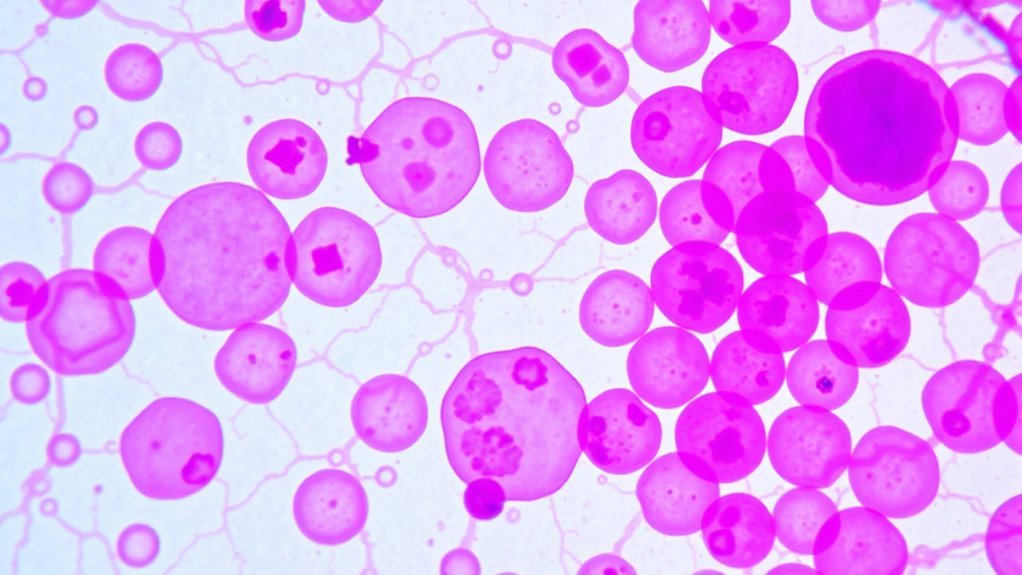
Understanding cervical cell changes is key to grasping why abnormal Pap smears occur. When you get a Pap smear, your doctor collects cells from your cervix to check for any abnormalities.
These cells can sometimes look different from healthy ones because they’re undergoing changes. This might happen due to irritation, infection, or other factors affecting your cervical tissue.
Your cells can become inflamed, damaged, or start to grow unevenly, which shows up as abnormal on the test. It doesn’t always mean cancer—it often signals something that needs monitoring or treatment.
Knowing how your cervical cells change helps you understand why your doctor might recommend follow-up tests or procedures after an abnormal result.
The Role of Human Papillomavirus (HPV)
You should know that certain types of HPV carry higher risks for abnormal Pap smears and cervical changes. Understanding how HPV spreads can help you take steps to protect yourself.
Let’s explore which HPV strains are most concerning and how prevention works. It’s important to get familiar with this stuff so you can stay ahead of any potential issues.
HPV Types and Risks
How does the human papillomavirus (HPV) influence the risk of abnormal Pap smears? Different HPV types carry varying risks. Low-risk types, like HPV 6 and 11, usually cause benign warts and rarely lead to abnormal Pap results.
However, high-risk types—especially HPV 16 and 18—are strongly linked to cervical cell changes that show up as abnormal Pap smears. When you’re infected with these high-risk strains, your cells may start to mutate, increasing the chance of precancerous lesions.
Not all HPV infections cause problems, though; many clear on their own without causing abnormalities. Still, if high-risk HPV persists, it considerably raises your risk for developing cervical dysplasia and, ultimately, cervical cancer.
Understanding which HPV type you have helps you and your doctor assess your risk and guide follow-up care. It’s a key step in keeping your health on track.
HPV Transmission and Prevention
Where does HPV come from, and how can you protect yourself? HPV spreads primarily through skin-to-skin contact during sexual activity, including vaginal, anal, and oral sex. You don’t need to have intercourse to contract it; even intimate genital contact can transmit the virus.
Using condoms consistently reduces your risk but doesn’t eliminate it entirely since HPV can infect areas condoms don’t cover. The most effective prevention is getting the HPV vaccine, which protects against the most dangerous strains linked to abnormal Pap smears and cervical cancer.
Regular Pap tests help detect changes early. Limiting your number of sexual partners and choosing partners who have been vaccinated also lowers your risk. Taking these steps empowers you to protect yourself from HPV and its potential complications.
Impact of Cervical Infections and Inflammation
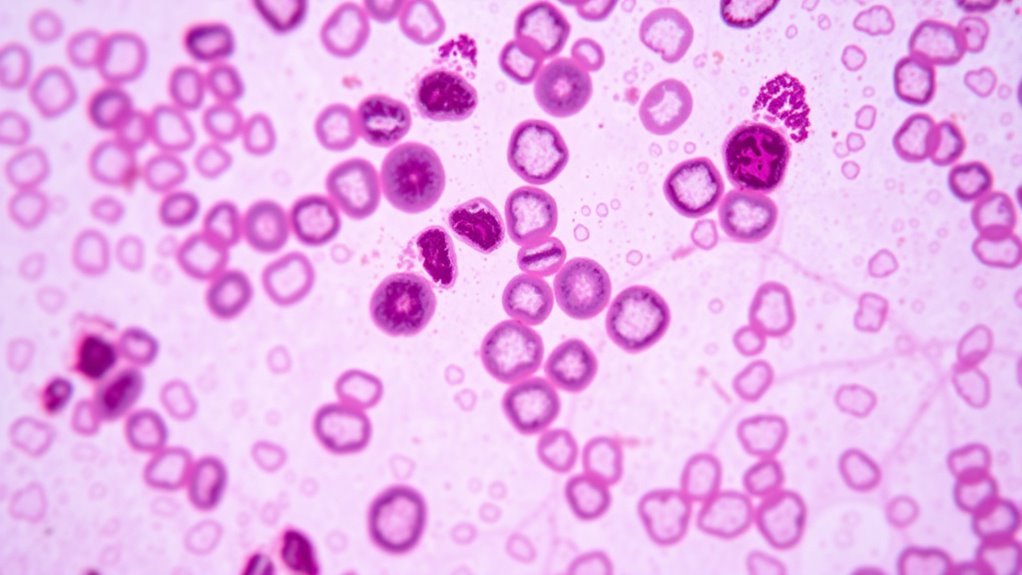
Although cervical infections and inflammation might seem unrelated to abnormal pap smears, they play a significant role in altering cervical cell health. When you have infections like bacterial vaginosis or trichomoniasis, inflammation can cause cellular changes that mimic or mask abnormalities.
This makes interpreting pap smear results more challenging. Persistent inflammation may also damage cells, increasing the risk of dysplasia.
| Infection Type | Effect on Cervical Cells |
|---|---|
| Bacterial Vaginosis | Causes inflammation, cell irritation |
| Trichomoniasis | Leads to cellular disruption |
| Herpes Simplex Virus | Induces inflammation, ulcers |
| Chlamydia | Promotes chronic inflammation |
| Gonorrhea | Triggers cell damage and swelling |
Understanding these effects helps you and your doctor interpret pap smear results accurately. It’s good to keep these factors in mind when discussing your results or treatment options.
Influence of Lifestyle and Environmental Factors
Since your lifestyle and environment directly affect your overall health, they also impact the condition of your cervical cells. Smoking, for example, exposes your cervix to harmful chemicals that can damage DNA and increase the risk of abnormal Pap results.
Poor diet and lack of exercise weaken your immune system, making it harder for your body to fight off infections that may cause cell changes. Exposure to environmental toxins, like certain chemicals at work, can also contribute to abnormal cervical cell development.
Additionally, high stress levels can impair your immune response, further increasing risk. By making healthier choices—quitting smoking, eating well, staying active, and managing stress—you can reduce factors that negatively influence your cervical health and help maintain normal Pap smear results.
The Effect of Hormonal Changes on Pap Results
Your body’s hormonal fluctuations play a significant role in the health of your cervical cells and can influence Pap smear results. Changes in estrogen and progesterone levels during your menstrual cycle, pregnancy, or menopause can alter the appearance of cervical cells, sometimes making them look abnormal even when they’re healthy.
For example, higher estrogen levels can cause cells to become thicker or more inflamed, which may be misinterpreted as abnormalities. Similarly, hormonal contraceptives or hormone replacement therapy can affect cervical cell patterns.
Because these changes are natural and temporary, your healthcare provider may recommend repeating the Pap test after some time to confirm results. Understanding how hormones impact your Pap smear helps you avoid unnecessary worry and ensures you get accurate screening outcomes.
When to Seek Further Medical Evaluation
If your Pap smear results remain abnormal over multiple tests, it’s important to consult your healthcare provider promptly.
You should also seek further evaluation if you experience symptoms like unusual bleeding or pelvic pain. Acting quickly can help catch potential issues early and guarantee you get the right care.
Don’t hesitate to reach out to your doctor—early action makes a big difference!
Persistent Abnormal Results
When abnormal Pap smear results persist over multiple tests, it’s important to seek further medical evaluation without delay. Persistent abnormalities may indicate ongoing cellular changes that need closer monitoring or intervention.
You shouldn’t ignore repeated results suggesting high-grade lesions or potential precancerous conditions, as early detection is vital for effective treatment. Your healthcare provider will likely recommend additional diagnostic procedures, such as a colposcopy or biopsy, to better understand the nature of the abnormal cells.
Taking prompt action helps ensure any serious issues are addressed before they progress. Remember, staying proactive about persistent abnormal Pap smears increases your chances of maintaining cervical health and preventing complications.
Don’t hesitate to reach out to your doctor for guidance and follow-up care. It’s always better to be safe and informed when it comes to your health.
Symptoms Warranting Checkup
Noticing certain symptoms after an abnormal Pap smear should prompt you to seek medical evaluation promptly. These signs could indicate underlying issues needing timely attention.
Keep an eye out for unusual vaginal bleeding, especially between periods or after intercourse. Also, watch for persistent pelvic pain or discomfort.
Foul-smelling vaginal discharge or an increase in amount is another symptom to be aware of. Pain during urination or bowel movements also warrants a checkup.
If you experience any of these symptoms, don’t wait. Early consultation with your healthcare provider can help identify the cause and guide appropriate treatment.
Conclusion
Abnormal Pap smears might sound alarming, but they don’t always mean cancer — sometimes it’s just a harmless infection or temporary cell change.
Yet, ignoring them can lead to serious issues, especially when HPV or persistent inflammation is involved.
By understanding these causes and staying proactive with screenings, you take control of your health.
Don’t let fear keep you from seeking answers; early evaluation can make all the difference between worry and wellness.
Remember, abnormal Pap smears are often a signal to look closer, not a diagnosis of cancer. Regular Pap tests and timely follow-ups help catch problems early. Taking charge with routine screenings and understanding factors like HPV or inflammation empowers you to maintain your health and prevent complications. So, if you get an abnormal result, don’t panic — get evaluated promptly and stay on top of your cervical health for the best outcomes.