

How to Manage Normal Spotting After a Pap Smear
You might notice light spotting after a Pap smear, which is completely normal and usually lasts just a few days. This kind of spotting is common and nothing to worry about. It happens because the cervix is gently scraped during the test, which can cause minor bleeding.
To manage it, use gentle hygiene with lukewarm water and avoid harsh products. Wearing breathable cotton underwear and changing pads regularly can help keep you comfortable.
Also, make sure to get plenty of rest to support your body’s healing process.
If the bleeding stays heavy or lasts over a week, it’s important to contact your healthcare provider.
Taking simple precautions before and after your test can reduce spotting and make the experience easier for you. Keep exploring to find out how to care for yourself and when to seek help.
Why Spotting Occurs After a Pap Smear
Although a Pap smear is a quick and routine procedure, it can cause slight irritation to the cervix, which often leads to spotting. When your healthcare provider collects cells from your cervix, the gentle scraping or swabbing can disrupt tiny blood vessels.
This minor trauma causes a small amount of bleeding, resulting in spotting. Your cervix is quite sensitive, so even minimal disturbance can trigger this response.
Spotting usually appears within 24 to 48 hours after the test and is generally light and short-lived. It’s a normal reaction, especially if you’re on your period or have recently had vaginal intercourse.
Knowing why spotting happens can help you stay calm. It’s just a routine aftereffect and usually nothing to worry about.
What Normal Spotting Looks Like
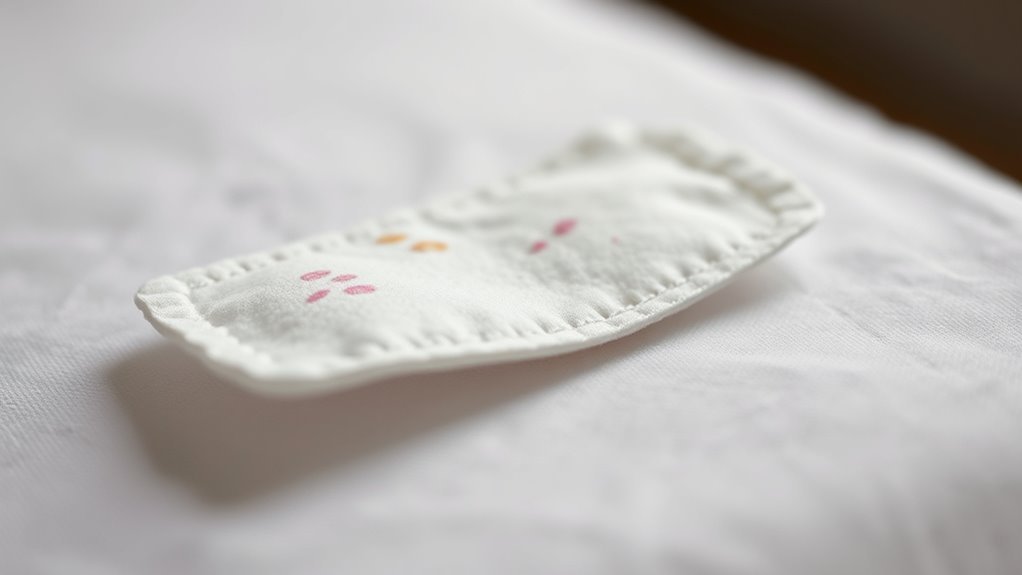
You might notice spotting that’s light pink or brown with a thin consistency after your Pap smear. This spotting usually lasts just a day or two and is often caused by minor irritation during the procedure.
Understanding these signs can help you recognize what’s normal and when to seek advice. It’s good to keep an eye on it, but usually, there’s nothing to worry about.
Color and Consistency
When you notice spotting after a Pap smear, paying attention to its color and consistency can help you determine if it’s normal. Normal spotting usually appears as light pink, brown, or rusty red. These colors result from small amounts of old blood mixing with vaginal secretions.
The consistency tends to be thin and watery or slightly mucous-like, not heavy or clotted. If the spotting is bright red and fresh, it might still be normal shortly after the procedure but should lessen quickly.
Avoid worrying if the spotting is minimal and doesn’t increase in volume. However, if you see thick clots, a foul odor, or a sudden change in color, that could signal an issue, and you should contact your healthcare provider.
Duration of Spotting
Since spotting after a Pap smear is common, knowing how long it lasts can ease your concerns. Typically, normal spotting lasts anywhere from a few hours up to three days. You might notice light bleeding or brownish discharge that gradually fades.
If your spotting continues beyond this timeframe or becomes heavier, it’s a good idea to consult your healthcare provider. Remember, the duration varies based on individual factors like your body’s response and menstrual cycle timing.
Keep track of how long the spotting lasts and any changes you observe. This way, you can distinguish normal post-test spotting from symptoms that might require medical attention. Staying informed helps you manage your health confidently after the procedure.
Common Causes Explained
Although spotting after a Pap smear can be unsettling, understanding the common causes helps you recognize what’s normal. During the test, the doctor collects cells from your cervix, which can cause minor irritation or slight bleeding.
This usually results in light pink or brown spotting that lasts a day or two. Your cervix is sensitive, so even gentle scraping might cause small blood vessels to break. Hormonal fluctuations around your menstrual cycle can also make spotting more noticeable after the procedure.
If you notice bright red blood, heavy bleeding, or spotting lasting more than a few days, you should contact your healthcare provider. Otherwise, light spotting is a normal, temporary response to the cell collection process and shouldn’t cause concern.
How Long Spotting Typically Lasts
If you notice spotting after a Pap smear, you’ll usually find it lasts just a few days. Typically, light spotting fades within one to three days as your cervix heals from the procedure.
Some women might experience spotting for up to a week, but this is less common. The amount of spotting varies, but it’s generally light and doesn’t require concern.
If your spotting continues beyond seven days or becomes heavy, it’s important to contact your healthcare provider.
Self-Care Tips to Manage Spotting
When you notice spotting after your Pap smear, it’s important to practice gentle hygiene to avoid irritation. Choose comfortable, breathable clothing to help you stay relaxed and prevent discomfort.
Also, keep an eye on your symptoms and give yourself plenty of rest to support healing. Taking it easy really helps your body bounce back quicker. Just listen to what your body needs!
Gentle Hygiene Practices
To ease spotting after a Pap smear, you should practice gentle hygiene that protects your sensitive skin. Use lukewarm water and mild, fragrance-free soap to clean your genital area daily.
Avoid harsh scrubbing or using douches, as these can irritate delicate tissues and worsen spotting. Pat the area dry with a soft towel instead of rubbing.
Change sanitary pads frequently to maintain cleanliness and prevent infection. Try to avoid scented wipes or feminine hygiene sprays, since they might cause irritation.
When showering, let water flow gently rather than using strong jets. By keeping your hygiene routine simple and gentle, you support healing and reduce discomfort.
Listen to your body and adjust your habits as needed. This way, you can manage spotting comfortably until it resolves.
Comfortable Clothing Choices
Although spotting after a Pap smear can be uncomfortable, choosing breathable, loose-fitting clothing helps reduce irritation and keeps you feeling comfortable throughout the day.
Opt for natural fabrics like cotton that allow air circulation and absorb moisture better than synthetic materials. Avoid tight pants or underwear, which can trap heat and increase discomfort.
You might also consider dark-colored underwear to discreetly manage any spotting. Here’s a quick guide to help you pick the best clothing:
| Clothing Type | Recommendation |
|---|---|
| Underwear | Cotton, breathable |
| Pants | Loose-fitting, breathable |
| Dresses/Skirts | Comfortable, non-restrictive |
| Fabrics | Natural (cotton, linen) |
| Colors | Dark shades to mask spotting |
These choices support comfort and hygiene while you recover. Just keep things light and easy, and you’ll feel much better in no time!
Monitoring and Resting
After choosing comfortable clothing, paying attention to how your body responds is key to managing spotting after a Pap smear. Keep track of the amount and color of the spotting; light pink or brown is normal. But heavy bleeding or bright red blood means you should get medical advice.
Rest is equally important—avoid strenuous activities and give your body time to heal. Try to stay hydrated and get plenty of sleep, as this supports your immune system.
If you notice any unusual symptoms like severe pain, fever, or foul-smelling discharge, contact your healthcare provider immediately. Monitoring your symptoms daily helps you catch any issues early.
And resting ensures your body recovers smoothly without added stress or strain.
When to Contact Your Healthcare Provider
If you notice heavy bleeding, severe pain, or spotting that lasts more than a week after your Pap smear, you should contact your healthcare provider promptly. These symptoms may indicate an infection or other complications that need medical attention.
Also, if you experience fever, chills, or unusual discharge, don’t hesitate to reach out. While light spotting is common and usually harmless, persistent or worsening symptoms should never be ignored.
Keep track of your symptoms, noting their duration and intensity, to provide your provider with accurate information. Prompt communication ensures you receive timely care, preventing potential issues from escalating.
Monitor your symptoms closely and share details with your provider for prompt, effective care.
Always trust your instincts—if something feels off after your Pap smear, your healthcare provider is there to help you.
Preventive Measures for Future Pap Smears
To reduce the chances of spotting and discomfort during future Pap smears, you can take several simple steps before and after the procedure. First, avoid scheduling your Pap smear during your menstrual period, as this can increase spotting. Try to time it when you’re not on your cycle.
Also, refrain from vaginal intercourse, douching, or using tampons for at least 24-48 hours before the test to keep the area clear and reduce irritation. After the Pap smear, give your body time to heal by avoiding strenuous activity and sexual intercourse for a day or two.
Staying hydrated and practicing good hygiene can also help. Following these preventive measures can minimize spotting and make future Pap smears more comfortable for you. It’s really about giving your body the best chance to heal quickly and avoid unnecessary irritation.
Conclusion
It’s normal to feel uneasy about spotting after a Pap smear, but don’t worry—it usually lasts only a day or two and isn’t a sign of anything serious. By following simple self-care tips, you can manage any discomfort easily.
If the spotting continues or worsens, just reach out to your healthcare provider. Remember, staying informed and prepared helps you feel more confident and comfortable during and after your Pap smear.
Managing normal spotting after a Pap smear is all about understanding what to expect and taking care of yourself. Keep track of any bleeding, avoid using tampons for a few days, and wear a panty liner if needed. These small steps can make a big difference in your comfort. If you notice anything unusual or if the spotting lasts longer than a couple of days, don’t hesitate to contact your healthcare provider. Staying proactive about your health ensures a smooth recovery and peace of mind after your Pap smear.