How to Use Freezer Paper and Baking Paper: Are They the Same?
You use freezer paper mainly for wrapping and freezing food because its plastic coating blocks moisture and prevents freezer burn.
Baking paper, coated with silicone, is designed to withstand oven heat and stop food from sticking while baking.
They’re not the same and shouldn’t be swapped—freezer paper can melt in the oven, and baking paper won’t protect frozen food well.
Keep these differences in mind, and you’ll get the best results and safety.
There’s more to discover about their distinct uses and tips.
Understanding how to use freezer paper and baking paper correctly can really make a difference in your cooking and food storage.
So, let’s dive into why they’re unique and why you shouldn’t mix them up!
What Is Freezer Paper?
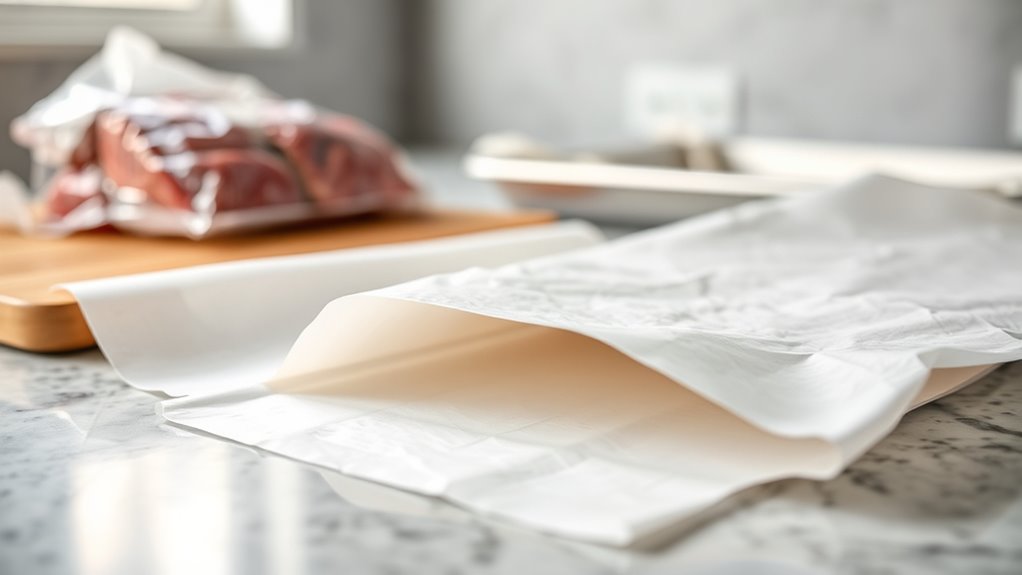
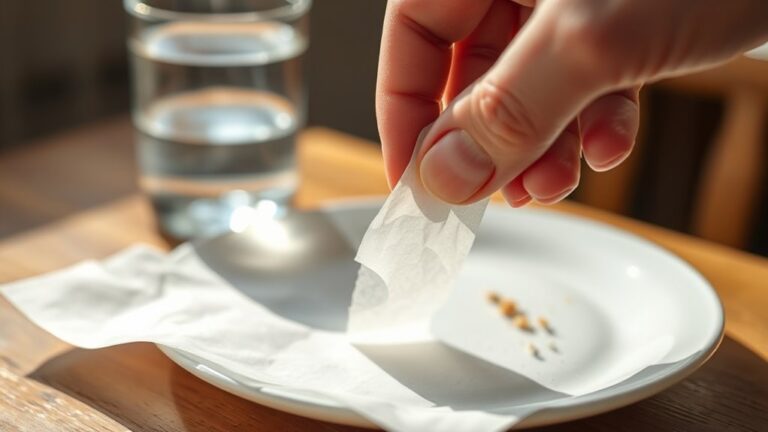
What makes freezer paper different from regular paper? You’ll notice that freezer paper has a smooth, plastic-coated side designed to create a moisture barrier. This coating prevents air and moisture from reaching your food, keeping it fresh longer in the freezer.
When you wrap meat, fish, or vegetables in freezer paper, you protect them from freezer burn and preserve their quality. Regular paper lacks this coating, so it won’t offer the same protection. Plus, freezer paper is sturdier and less likely to tear during wrapping.
You can also use freezer paper for crafts or as a stencil material because the coated side releases easily from surfaces. Understanding these features helps you use freezer paper effectively for food storage and creative projects.
What Is Baking Paper?
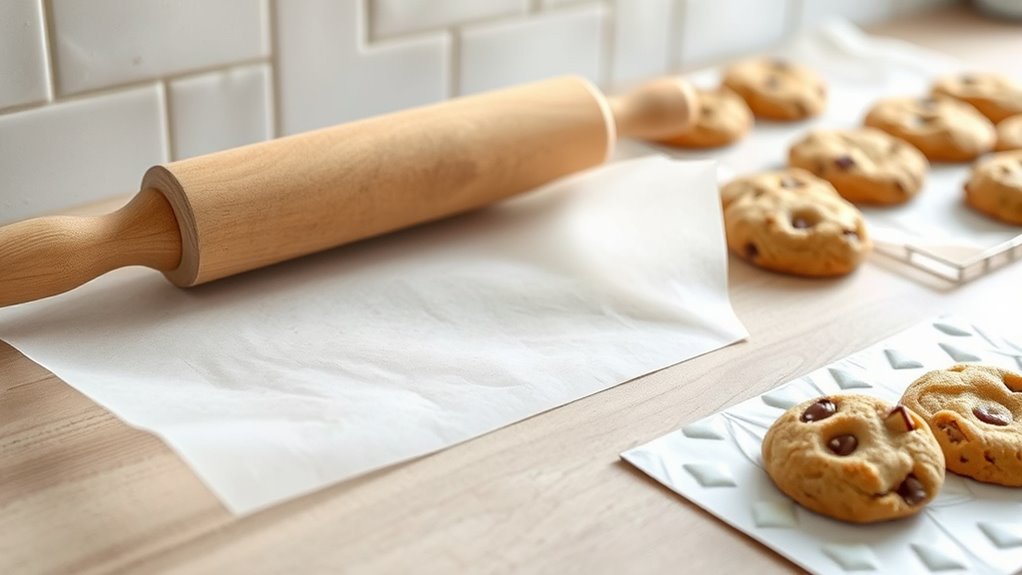
Have you ever wondered why baking paper is a kitchen essential? Baking paper, also called parchment paper, is a heat-resistant, non-stick sheet designed to line baking trays and cake pans. It prevents food from sticking and makes cleanup easier.
You can use it for baking cookies, roasting vegetables, or even steaming fish. Unlike regular paper, it’s coated with silicone, which gives it that non-stick and heatproof quality.
Baking paper can usually withstand temperatures up to 420°F (215°C), making it safe for most oven tasks. It’s also grease-resistant, so it keeps your baked goods from becoming soggy.
Having baking paper on hand means you don’t have to grease pans or worry about food sticking, making your cooking process smoother and more efficient. It’s a small kitchen helper that really makes a big difference!
Key Differences Between Freezer Paper and Baking Paper
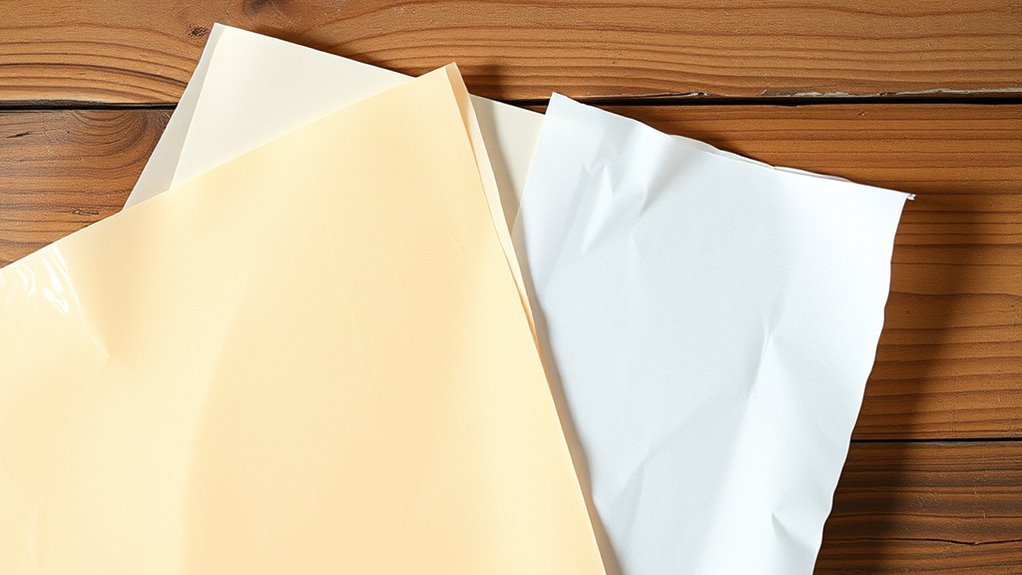
Although freezer paper and baking paper might look similar, they serve very different purposes in the kitchen. When you grab one, it’s important to know what makes them unique so you don’t mix them up.
Here are the key differences you should keep in mind:
Here are the key differences to remember when choosing between freezer paper and baking paper.
- Coating: Freezer paper has a plastic-coated side to prevent moisture and air from reaching food, while baking paper is coated with silicone to resist heat and prevent sticking.
- Heat Resistance: Baking paper withstands high oven temperatures, but freezer paper isn’t designed for heat and can melt or catch fire.
- Purpose: Freezer paper is mainly for wrapping and freezing food to lock in freshness, whereas baking paper is made for lining trays and pans during cooking or baking.
Knowing these differences helps you pick the right paper for your kitchen tasks. So, next time you’re cooking or storing, you’ll know exactly which one to use!
How to Use Freezer Paper Effectively
To use freezer paper effectively, make sure you wrap your food tightly and seal the edges well to prevent air from getting in.
Label your packages with the date so you can keep track of how long they’ve been stored.
Following these simple steps helps maintain freshness and extends your food’s storage life.
Wrapping and Sealing Tips
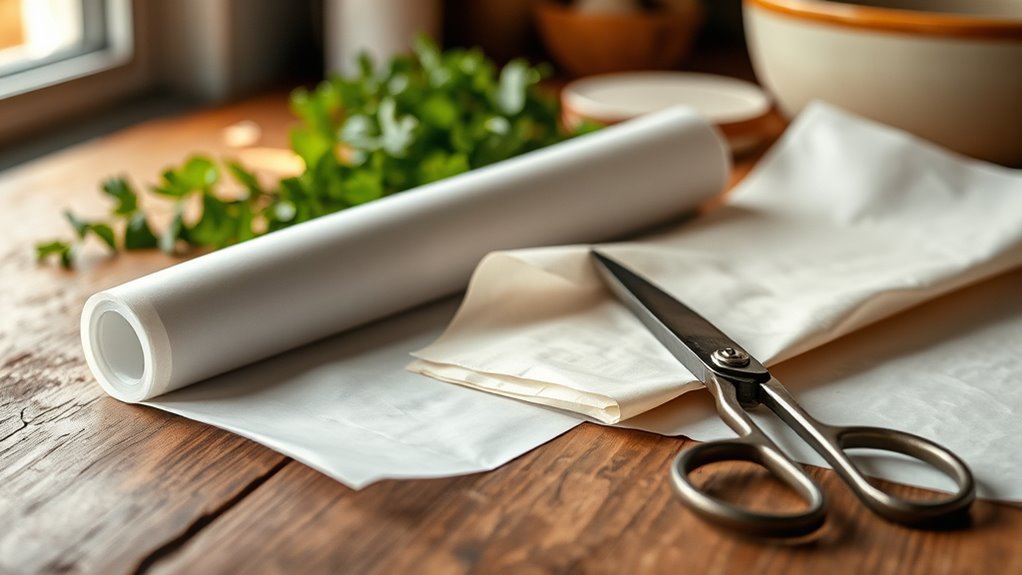
When you wrap items with freezer paper, making sure the paper seals tightly is key to preventing freezer burn and preserving freshness. To do this effectively, start by cutting the paper so it fully covers the food with some overlap.
Wrap the item snugly, folding the edges neatly to avoid air pockets. Finally, use freezer tape to secure the paper firmly—regular tape won’t hold in cold conditions.
Here are some quick tips to help you seal better:
- Smooth out wrinkles as you wrap to reduce trapped air
- Double-wrap delicate or oddly shaped items for extra protection
- Label the package on the paper side with date and contents before sealing
Following these steps keeps your food fresh longer and freezer burn-free. It’s really all about making sure no air gets in and that your food stays well protected.
Storage Duration Guidelines
Properly sealing your food with freezer paper is just the first step; knowing how long each item can stay frozen helps you use it before quality declines. Generally, meats like beef and pork last up to 12 months, while poultry stays fresh for about 9 months.
Fish and seafood, being more delicate, should be used within 3 to 6 months. Vegetables and fruits usually maintain quality for 8 to 12 months if properly wrapped.
Remember to label your packages with dates to keep track easily. Avoid keeping food frozen indefinitely, as texture and flavor deteriorate over time, even if it remains safe.
How to Use Baking Paper Correctly
When you use baking paper, it’s important to know its heat resistance limits to avoid burning or melting. You’ll also want to place it correctly to prevent your food from sticking.
Plus, with a little care, you can often reuse baking paper for multiple batches. It’s pretty handy once you get the hang of it!
Heat Resistance Limits
Although baking paper can withstand moderate oven temperatures, you should never expose it to direct heat above 220°C (428°F) to prevent burning or smoke. Baking paper is coated with a thin layer of silicone, which provides heat resistance and non-stick properties, but it isn’t fireproof.
When using it in the oven, always place it on a baking tray rather than directly on an oven rack or open flame. Keep these tips in mind:
- Avoid broiling or grilling with baking paper, as the intense heat can ignite it.
- Don’t let the paper hang over the edges of pans; it might touch heating elements.
- Check your oven’s temperature settings and stay within recommended limits for baking paper.
Preventing Food Sticking
To keep your food from sticking, always place baking paper flat and smooth on your baking tray before adding ingredients. Wrinkles or folds create uneven surfaces, which can cause sticking or uneven cooking.
Make sure the paper fully covers the tray’s bottom and up the sides if needed. This prevents food from sliding off or sticking to the pan edges.
For extra non-stick assurance, lightly grease the baking paper with oil or butter, especially when baking sticky or sugary foods. Avoid overlapping pieces of baking paper, as this can lead to uneven heat distribution and sticking.
When removing baked goods, let them cool slightly; this helps them release more easily from the paper. Following these steps ensures your food lifts off cleanly and your cleanup stays simple.
Reusing Baking Paper
Wondering if you can reuse baking paper to save time and resources? The answer depends on what you baked and how the paper holds up afterward.
Generally, if the paper isn’t burnt or soaked with grease, you can reuse it once or twice. Here’s how to make the most of your baking paper reuse:
- Gently wipe off crumbs and oil to prevent burning and smoke.
- Avoid reusing paper for recipes with sticky or sugary ingredients, as residue can cause sticking or burning.
- Store the used paper flat or rolled to maintain its shape for the next use.
Just keep in mind that reused baking paper might not be as non-stick as fresh sheets. So, watch your baking closely to avoid food sticking.
Can You Substitute One for the Other?
How well can you swap freezer paper for baking paper when cooking or wrapping food? While both are handy in the kitchen, they serve different purposes.
Freezer paper and baking paper are both useful but have distinct roles in cooking and food storage.
Freezer paper has a plastic-coated side that’s great for wrapping meats and preventing freezer burn, but it isn’t designed to withstand high oven temperatures.
Baking paper, also known as parchment paper, is heat-resistant and non-stick, making it ideal for lining baking trays or wrapping foods for cooking.
If you try to use freezer paper in the oven, the plastic coating can melt or even catch fire.
On the other hand, baking paper doesn’t provide the same moisture barrier for freezing.
Conclusion
Now that you know freezer paper seals in freshness while baking paper prevents sticking, you can choose the right tool for your kitchen tasks. Use freezer paper to wrap and protect, use baking paper to line and bake.
Don’t confuse their purposes, don’t risk your recipes, and don’t settle for less than perfect results. By understanding their unique roles, you’ll handle food prep and baking with confidence and ease every time.
Remember, freezer paper is ideal for wrapping foods to keep them fresh and prevent freezer burn. Baking paper, on the other hand, is perfect for lining baking trays to stop sticking and promote even cooking.
Using each correctly ensures your food prep and baking go smoothly, helping you achieve the best results in the kitchen every time. So, when deciding between freezer paper and baking paper, think about whether you need to protect or bake—and make your choice accordingly!