What Does a Pap Smear Detect About STDs?
A Pap smear primarily detects abnormal cervical cells caused by HPV, a common sexually transmitted infection linked to cervical cancer. This test is especially useful for spotting early cellular changes from high-risk HPV strains.
However, it doesn’t diagnose most other STDs like chlamydia or gonorrhea.
Since a Pap smear focuses on detecting cell abnormalities, you’ll need additional tests to identify other infections.
So, if you’re wondering how Pap smears fit into your overall sexual health routine, it’s important to know when further testing might be necessary.
Keep exploring to learn more about how this screening helps protect your health and when to seek additional STD tests.
Understanding the Purpose of a Pap Smear
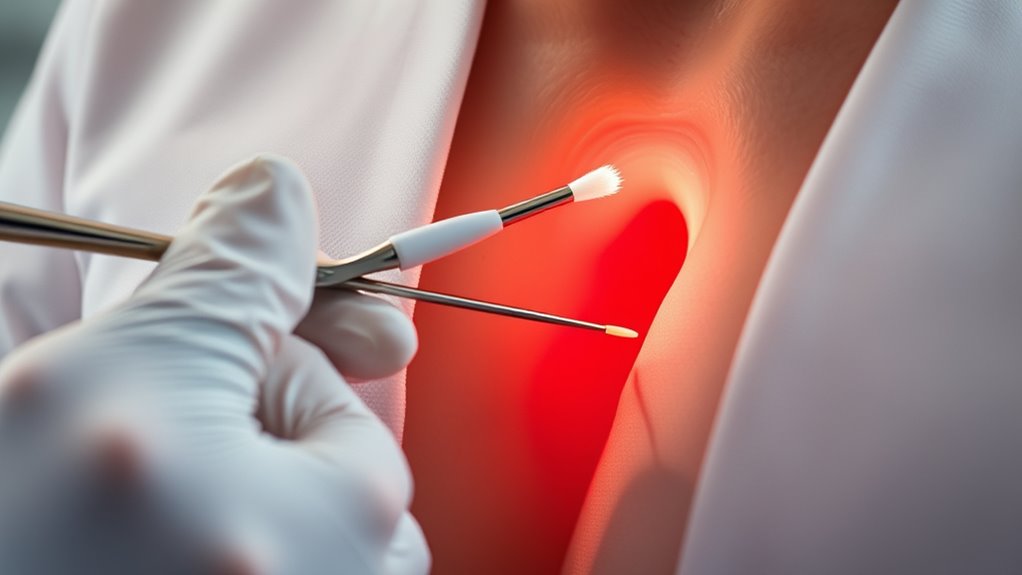
Although you might associate a Pap smear primarily with cancer screening, its main purpose is to detect abnormal cervical cells early. This early detection can prevent cervical cancer from developing.
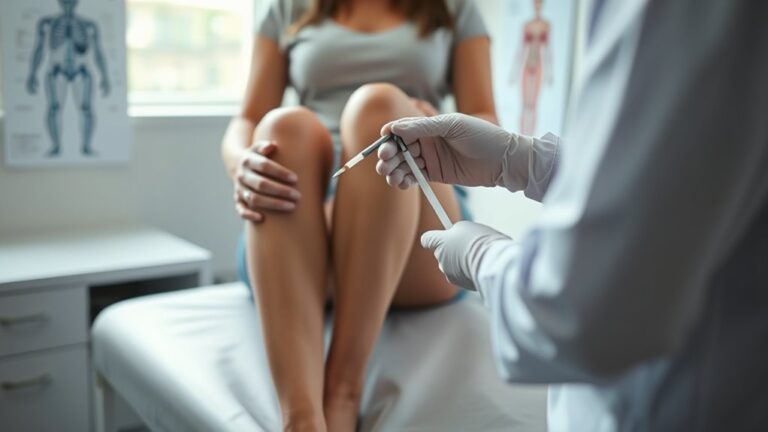
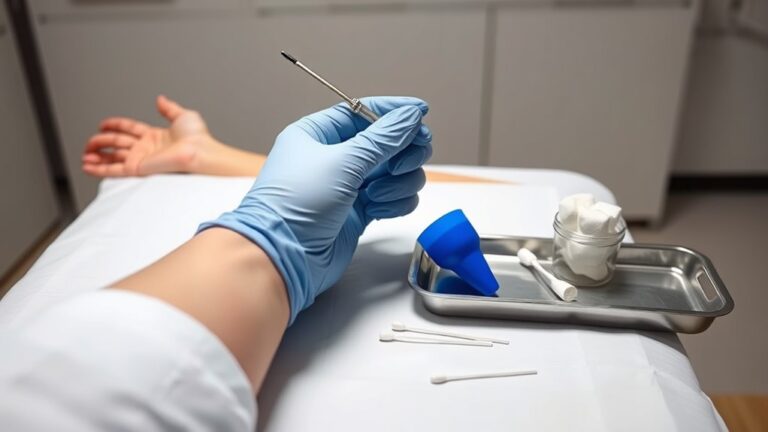
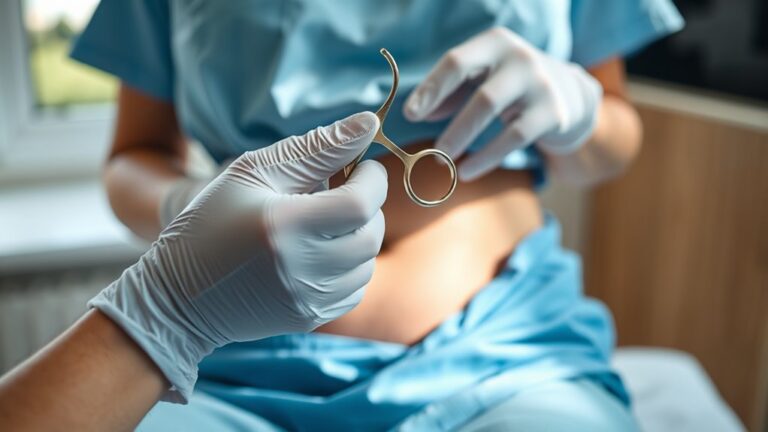
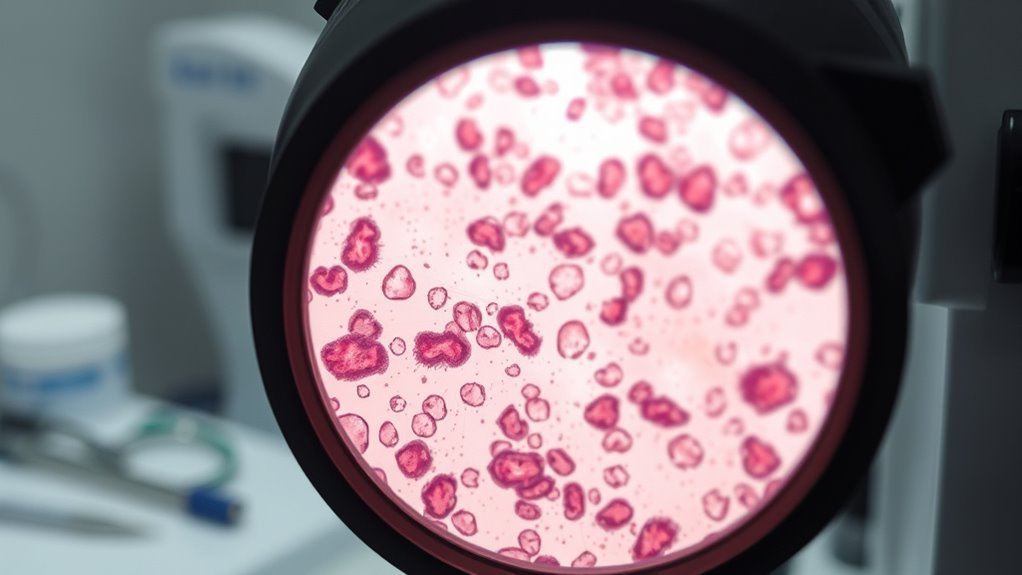
When you get a Pap smear, your healthcare provider collects cells from your cervix to examine under a microscope. They’re looking for changes that signal potential problems before they turn into cancer.
It’s a quick, simple test that plays a vital role in women’s health by catching issues early. While it doesn’t directly diagnose most STDs, the Pap smear helps identify cellular abnormalities that could be linked to infections.
Understanding this purpose helps you appreciate why regular screening is essential, even if you feel healthy. After all, early detection saves lives.
How a Pap Smear Can Detect HPV
When you get a Pap smear, your healthcare provider looks for abnormal cells caused by HPV infection. While HPV often shows no symptoms, the test can catch early changes before you notice anything.
This makes the Pap smear a reliable tool for detecting HPV-related issues early on. It’s like a heads-up, so you can take action before problems develop.
HPV Infection Signs
How can a Pap smear help detect signs of an HPV infection? When you get a Pap smear, your healthcare provider collects cells from your cervix. These cells can reveal early changes caused by HPV, even before you notice symptoms.
Here’s what the test can identify: abnormal cervical cells indicating HPV-related changes. It can also detect the presence of high-risk HPV strains linked to cervical cancer. Plus, the test looks for early signs of precancerous lesions caused by persistent HPV infection.
Sometimes, it can show inflammation or cellular damage suggesting an ongoing infection. So, a Pap smear is pretty useful for catching things early and helping your healthcare provider decide the next steps.
Pap Smear Accuracy
Understanding what a Pap smear can detect about HPV leads naturally to questions about its accuracy. A Pap smear identifies abnormal cervical cells caused by HPV, but it doesn’t directly detect the virus itself.
While it’s an effective screening tool for precancerous changes, it can sometimes miss early infections or low-grade abnormalities. False negatives can occur if abnormal cells aren’t collected properly or if changes are too subtle.
That’s why regular screening is essential—you can’t rely on just one test. For more precise HPV detection, your doctor might recommend an HPV DNA test, which identifies the virus directly.
Limitations of Pap Smears in Identifying Other STDs
You should know that Pap smears are designed mainly to detect abnormal cervical cells, not all STDs. Because of their specificity, many common infections like chlamydia or gonorrhea often go unnoticed during a Pap test.
To accurately identify these other STDs, you’ll need additional, targeted testing. So, don’t rely solely on a Pap smear if you’re concerned about infections beyond cervical cell changes. It’s always a good idea to talk to your healthcare provider about comprehensive STD screening options.
Pap Smear Specificity Limits
Why can’t Pap smears detect all types of STDs? Pap smears are designed primarily to identify abnormal cervical cells, particularly those caused by HPV. However, their specificity limits mean they can’t reliably detect many other STDs.
Here’s why: Pap smears focus on cellular changes, not the direct presence of pathogens. Many STDs, like chlamydia or gonorrhea, require specific tests targeting bacterial DNA or antigens.
Viral infections other than HPV often don’t cause the cellular abnormalities Pap smears look for. Plus, some infections affect areas not sampled during a Pap smear, so they go unnoticed.
Understanding these limits helps you realize why additional, targeted STD tests are essential for comprehensive sexual health screening.
Undetected Common STDs
While Pap smears effectively identify HPV-related cell changes, they often miss other common STDs that don’t cause noticeable cellular abnormalities. You should know that infections like chlamydia, gonorrhea, herpes, and trichomoniasis usually require specific tests beyond a Pap smear to be detected.
These STDs don’t alter cervical cells in a way that a Pap smear can recognize. Relying solely on Pap smears can leave these infections unnoticed, increasing the risk of complications and transmission.
To protect your sexual health, it’s important to request detailed STD screening, especially if you’re sexually active with new or multiple partners. Don’t hesitate to talk openly with your healthcare provider about which tests you need to stay fully informed and safe.
Differences Between Pap Smears and STD-Specific Tests
Although both Pap smears and STD-specific tests involve collecting samples from your reproductive system, they serve distinct purposes and detect different conditions. Pap smears primarily screen for cervical cell changes that could indicate precancerous or cancerous conditions.
In contrast, STD-specific tests target infections caused by bacteria, viruses, or parasites.
Here’s how they differ:
- Purpose: Pap smears check for abnormal cervical cells; STD tests identify the presence of specific pathogens.
- Detection: Pap smears detect HPV-related changes; STD tests detect infections like chlamydia, gonorrhea, or syphilis.
- Sample type: Pap smears collect cervical cells; STD tests may use urine, blood, or swabs.
- Follow-up: Abnormal Pap results may require biopsy; positive STD results lead to targeted treatment.
Understanding these differences helps you get the right test for your health needs. It’s always good to know what each test is for so you can talk with your healthcare provider about what’s best for you.
When Additional Testing Is Recommended
Knowing the differences between Pap smears and STD tests can help you understand when additional testing might be necessary. If your Pap smear shows abnormal cells or signs of infection, your healthcare provider may recommend more specific STD tests to identify infections like chlamydia, gonorrhea, or HPV.
Also, if you experience symptoms such as unusual discharge, pain, or sores, additional testing is vital, even if your Pap smear was normal.
Moreover, if you’re at higher risk due to multiple partners or unprotected sex, your provider might suggest routine STD screenings alongside your Pap smear. Remember, a Pap smear primarily checks for cervical changes, so don’t rely on it alone to diagnose STDs.
Timely extra testing ensures accurate diagnosis and effective treatment.
The Role of Pap Smears in Sexual Health Monitoring
Because Pap smears detect abnormal cervical cells early, they play a crucial role in monitoring your sexual health. They’re not just about cancer prevention; they also give insight into potential infections and changes caused by sexually transmitted diseases (STDs).
When you get a Pap smear, your healthcare provider can:
- Identify abnormal cell changes linked to HPV, a common STD.
- Detect signs of inflammation or infection that may warrant further testing.
- Monitor cervical health over time, especially if you have a history of STDs.
- Guide timely treatment to prevent complications from untreated infections.
Conclusion
While a Pap smear mainly detects abnormal cervical cells caused by HPV, it doesn’t identify most other STDs. You might think it covers all infections, but that’s not the case—think of it like a security camera focused on one entrance, not the whole building.
To fully protect your sexual health, you’ll need specific tests for other STDs. Regular Pap smears are still vital, but don’t skip additional screenings when recommended.
So, while Pap smears are great for detecting HPV-related changes, they aren’t a catch-all for STDs. Getting comprehensive STD testing along with your Pap smear is key to staying on top of your sexual health. Always talk to your healthcare provider about which tests you need to make sure nothing slips through the cracks.