
Is Bleeding After a Pap Smear Normal?
Yes, bleeding after a Pap smear is quite common and usually not a cause for concern. Since the procedure involves gently scraping cells from your cervix, mild spotting or light pink or brown discharge can happen shortly after.
This minor bleeding typically stops quickly and doesn’t last long.
However, if you experience heavy bleeding or severe pain, you should contact your healthcare provider. It’s important to know what to expect and how to care for yourself after the test to ease any worries.
Don’t hesitate to reach out if something feels off!
What Happens During a Pap Smear
Before the procedure begins, your healthcare provider will ask you to lie on an exam table and place your feet in stirrups. This position gives them clear access to your cervix.
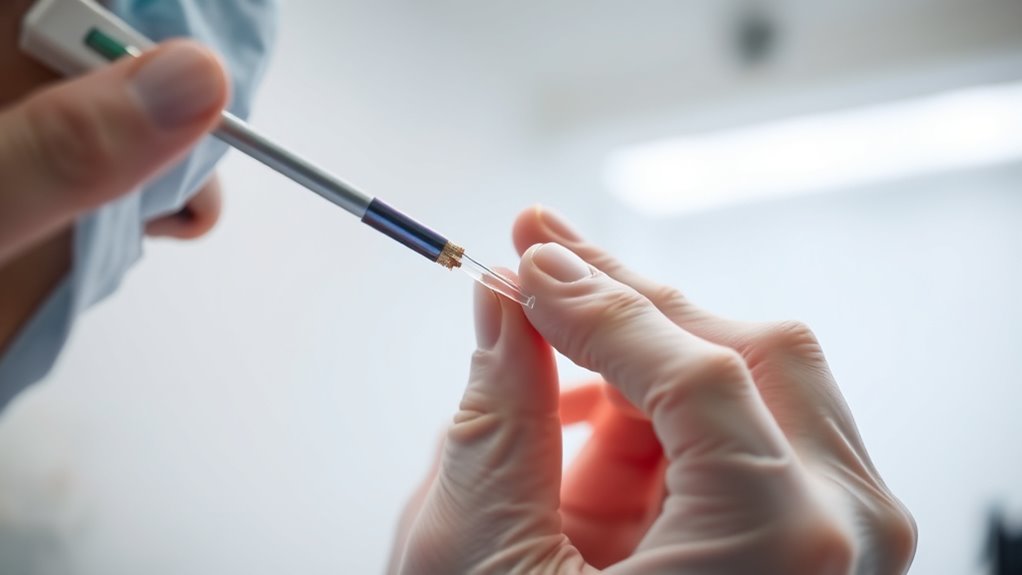
They’ll gently insert a speculum into your vagina to hold it open. You might feel some pressure, but it shouldn’t hurt. Then, your provider will use a small brush or spatula to collect cells from the surface of your cervix.
The process is quick, usually lasting just a few minutes. After collecting the sample, the speculum is carefully removed. You might notice slight discomfort or spotting afterward, which is normal.
The collected cells will be sent to a lab to check for any abnormalities or infections.
Common Causes of Bleeding After a Pap Smear
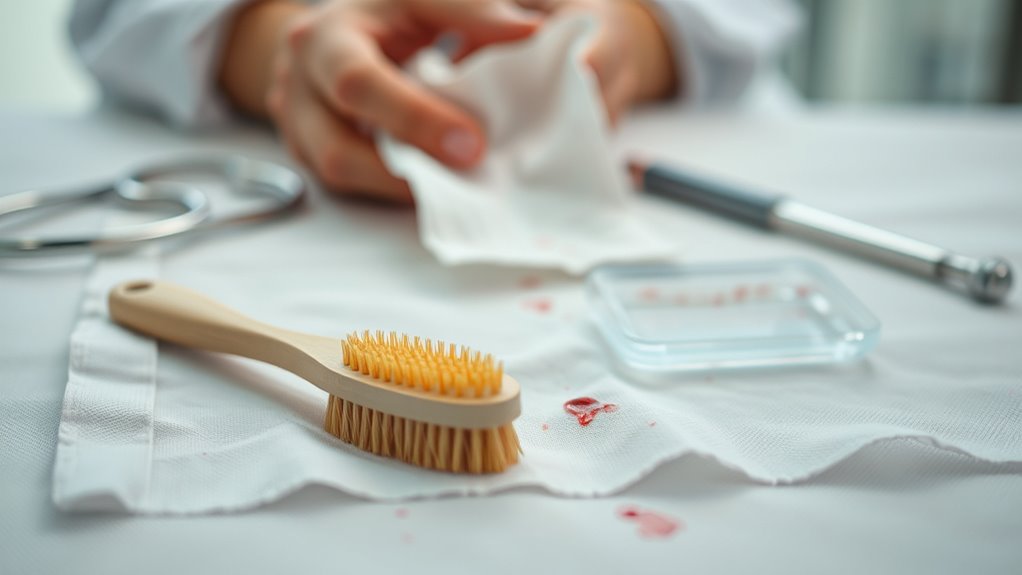
After your healthcare provider collects the cervical cells and removes the speculum, you might notice some bleeding or spotting. This usually happens because of the gentle scraping or brushing of the cervix, which can cause minor irritation or small tears in the delicate cervical tissue.
Mild bleeding or spotting after a cervical cell collection is common due to gentle scraping of the cervix.
The cervix is full of blood vessels, so even a little trauma can lead to light bleeding. Plus, if you have cervical inflammation, infections, or cervical polyps, these can make your cervix more sensitive and prone to bleeding after the procedure.
Hormonal changes also play a role, especially if you’re near your menstrual cycle—they can increase the chance of spotting. Just keep in mind, this bleeding is usually mild and short-lived.
But if the bleeding gets heavy or doesn’t go away, you should definitely reach out to your healthcare provider.
When to Expect Spotting or Light Bleeding
Although not everyone experiences it, spotting or light bleeding commonly occurs within the first 24 hours following your Pap smear. This happens because the cervix is gently scraped during the procedure, which can cause minor irritation.
Typically, you’ll notice a small amount of blood when you wipe, and it should stop quickly. So, no need to worry if you see a little bit of spotting right after.
Here’s when and what to expect:
| Time Frame | Type of Bleeding | What to Expect |
|---|---|---|
| Immediately | Light spotting | Brown or pink discharge |
| Within 24 hours | Mild bleeding | Small amount, stops quickly |
| 1-2 days later | Rare spotting | Usually fades, minimal discomfort |
| After 2 days | Uncommon bleeding | Should be minimal, notify doctor |
| Next period | Normal menstrual flow | Regular cycle resumes |
Knowing this helps you stay prepared and calm. Just keep an eye on things, and if anything feels off, don’t hesitate to reach out to your doctor.
Signs That Require Medical Attention
If you notice heavy bleeding, severe pain, or bleeding that lasts more than a couple of days after your Pap smear, you should contact your doctor promptly. These symptoms might indicate an infection, cervical injury, or other complications needing medical evaluation.
Also, if you experience fever, chills, or unusual vaginal discharge alongside bleeding, seek medical attention immediately. Don’t ignore bleeding that is bright red and heavy, as this could signal a more serious issue.
Additionally, if the bleeding occurs after sexual intercourse or is accompanied by dizziness or weakness, it’s important to get checked right away. Your healthcare provider can determine the cause and recommend appropriate treatment, ensuring your health and safety post-Pap smear.
How to Care for Yourself After a Pap Smear
After your Pap smear, you might notice mild spotting, which is usually nothing to worry about.
Take it easy and rest if you feel any discomfort, but keep an eye out for signs that need medical attention. Knowing how to care for yourself can help you recover smoothly and avoid complications.
Managing Mild Spotting
Mild spotting following a Pap smear is common and usually nothing to worry about. But knowing how to care for yourself can help you stay comfortable.
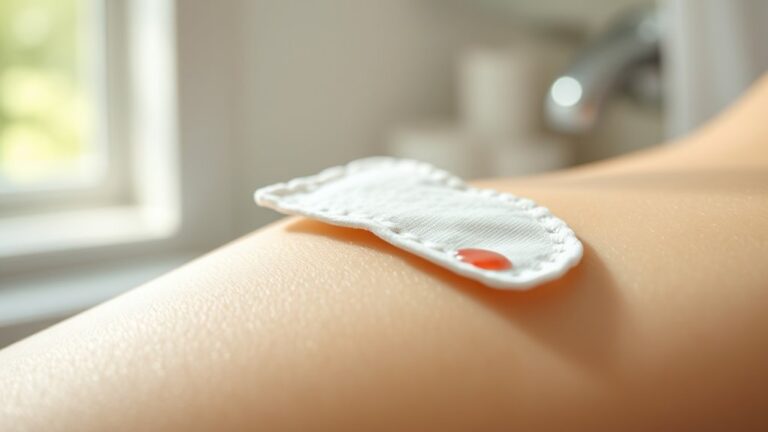
To manage mild spotting, use a panty liner or light pad to protect your clothing. Avoid tampons or douching, since these can irritate your cervix and increase the risk of infection.
Keep the area clean by gently washing with warm water. Try to avoid harsh soaps or scented products because they might cause irritation.
If you feel any discomfort, over-the-counter pain relievers like ibuprofen can help. Also, stay hydrated and wear breathable cotton underwear to reduce moisture buildup.
Keep an eye on the bleeding; if it worsens or lasts more than a few days, it’s a good idea to contact your healthcare provider for advice. Taking these steps supports your healing and peace of mind.
When to Rest
Although most people feel fine right away, resting for a short time after a Pap smear can help your body recover and reduce any discomfort. Take it easy for the rest of the day—avoid strenuous activities or heavy lifting that might irritate your cervix.
Sitting or lying down for a bit can ease mild cramping or spotting. You don’t need complete bed rest, but listen to your body and don’t push yourself too hard.
Drink plenty of water and wear comfortable clothing to stay relaxed. If you feel tired or slightly sore, give yourself permission to slow down.
Resting briefly supports healing and helps prevent unnecessary irritation, making your recovery smoother and more comfortable after the procedure.
Signs Needing Attention
If you notice heavy bleeding, severe pain, or a fever following your Pap smear, you should contact your healthcare provider promptly. While light spotting is often normal, certain signs need immediate attention to prevent complications.
Watch for these warning signs:
- Bleeding that soaks through more than one pad per hour
- Intense pelvic or abdominal pain
- Fever above 100.4°F (38°C) persisting for over 24 hours
- Foul-smelling vaginal discharge or unusual odor
If any of these occur, don’t wait to seek medical advice. Taking care of yourself means monitoring symptoms carefully and resting as needed.
Prompt action ensures your health remains a priority and helps address any issues early. So, keep an eye out and don’t hesitate to reach out if something feels off.
Preventing and Managing Discomfort During Future Pap Smears
You can make future Pap smears less uncomfortable by preparing ahead, like scheduling when you’re relaxed and avoiding caffeine.
Using deep breathing and communicating with your healthcare provider can also help ease any discomfort during the procedure.
Afterward, following simple care tips will support your recovery and reduce any lingering soreness.
Preparing for Your Appointment
When preparing for your Pap smear appointment, taking a few simple steps can help reduce discomfort and ease any anxiety. Being proactive guarantees the experience is as smooth as possible.
Here are four key tips to prepare:
- Schedule your appointment when you’re not on your period. This can affect results and cause extra bleeding.
- Avoid using vaginal creams, douches, or intercourse 24-48 hours before the test. This helps prevent irritation.
- Wear comfortable clothing to make undressing easier. It also helps reduce stress.
- Communicate openly with your healthcare provider about any concerns or previous discomfort. This way, they can tailor the exam to your needs.
Following these steps can make your visit more comfortable. Plus, it can help you feel confident going in.
Techniques to Reduce Discomfort
Although Pap smears can cause some discomfort, several techniques can help minimize pain and make future exams more manageable. First, try to relax your pelvic muscles before and during the procedure, as tension can increase pain.
Deep, slow breathing can help you stay calm. You might also want to schedule your Pap smear when you’re not on your period, as this can reduce sensitivity.
Communicate openly with your healthcare provider—let them know if you feel pain so they can adjust their technique or use a smaller speculum. Some find that distracting themselves by focusing on something else during the exam helps, too.
Post-Procedure Care Tips
Managing discomfort doesn’t end once the Pap smear is over. To help prevent bleeding and soreness next time, it’s essential to follow some simple post-procedure care tips.
First, avoid using tampons or douching for at least 24-48 hours to let your cervix heal. Second, skip heavy exercise or sexual activity for a day or two to reduce irritation.
Third, use a sanitary pad if you experience light spotting to keep clean without inserting anything internally. Finally, stay hydrated and rest if you feel cramping.
Conclusion
After your pap smear, a few drops of blood might feel like tiny raindrops on a calm morning—natural and brief. It’s quite common to experience light spotting or mild bleeding right after the test.
But if the bleeding turns heavy or is accompanied by pain, don’t ignore the storm brewing beneath. These could be signs that you need to check in with your healthcare provider.
Nurture yourself gently, like tending a delicate flower, and remember, your body’s signals guide you. Bleeding after a pap smear is usually normal, but paying attention to what your body tells you is key.
With care and attention, you’ll navigate each appointment with confidence. Embracing health means understanding that occasional light bleeding post-pap smear is expected, but persistent or heavy bleeding should be discussed with your doctor to ensure your well-being.