7 Alternatives to Use If You Don’t Have Parchment Paper
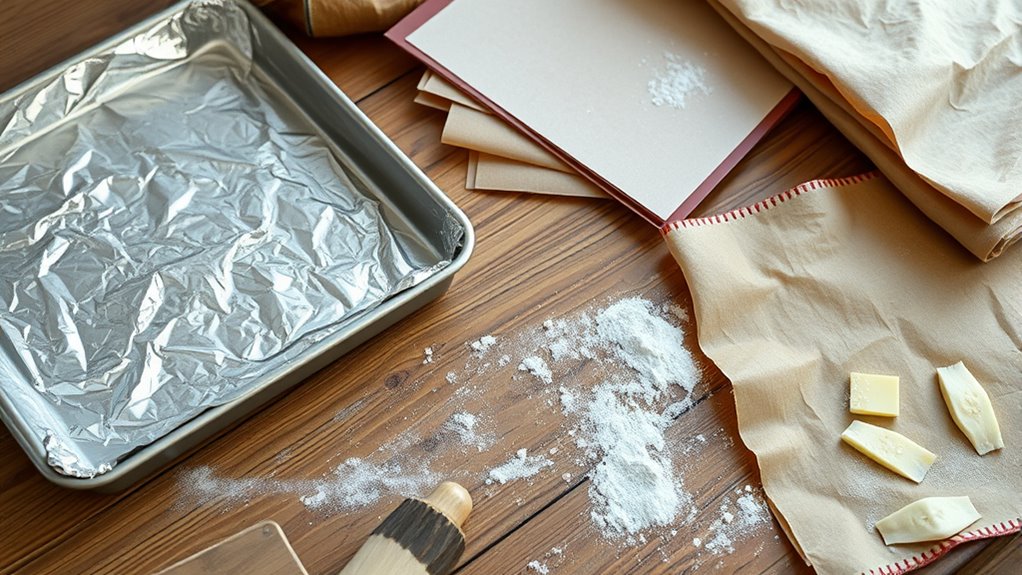
If you don’t have parchment paper, don’t worry—there are plenty of alternatives to try. Aluminum foil is a handy option for roasting or lining pans. Just make sure to lightly grease it so your food doesn’t stick.
Silicone baking mats are another great choice. They work well for non-stick baking and roasting, plus you can reuse them multiple times. If you’re out of those, spraying your pan with cooking spray or giving it a good grease can also do the trick.
Wax paper is fine for food prep, but avoid using it with heat since it’s not heat-resistant. You can also dust your pan with flour or cornmeal to prevent sticking.
For a natural, eco-friendly twist, banana leaves make a unique alternative. Keep experimenting to find what works best for your cooking style!
Aluminum Foil
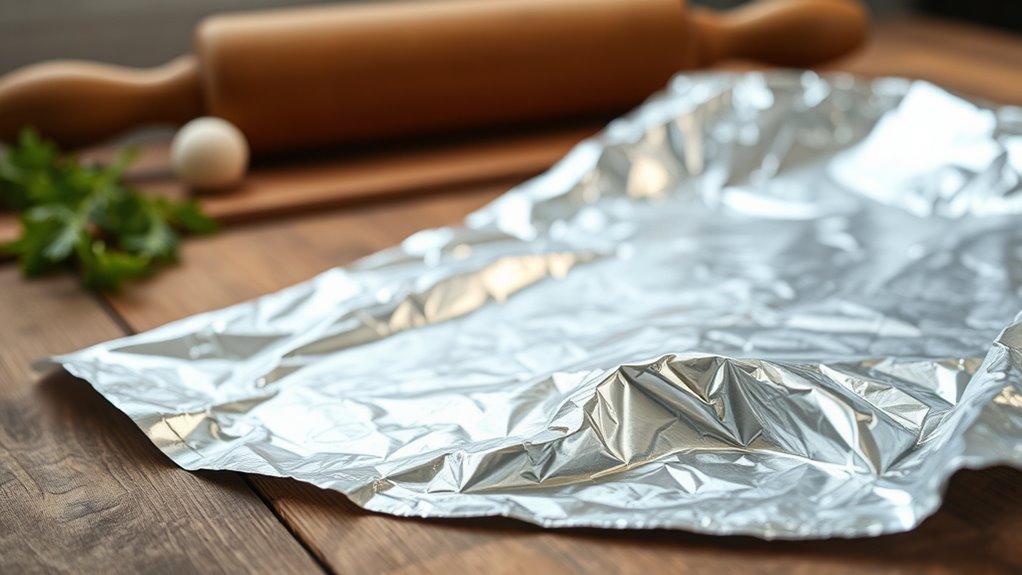
Wondering how aluminum foil stacks up as an alternative to parchment paper? You’ll find that foil is great for wrapping foods and lining baking sheets, especially when you want something sturdy and heat-resistant.
It’s perfect for roasting vegetables or cooking something that might drip since it’s non-porous and won’t soak up moisture. Just remember, aluminum foil isn’t non-stick by itself, so you’ll want to grease it lightly to prevent sticking.
Avoid using foil for acidic foods like tomatoes or citrus, as the foil can react and affect the taste. Also, foil isn’t breathable, so it won’t give you the same crisp results you’d get with parchment paper in some baked goods.
For many tasks, though, it’s a reliable, easy-to-find substitute.
Silicone Baking Mats
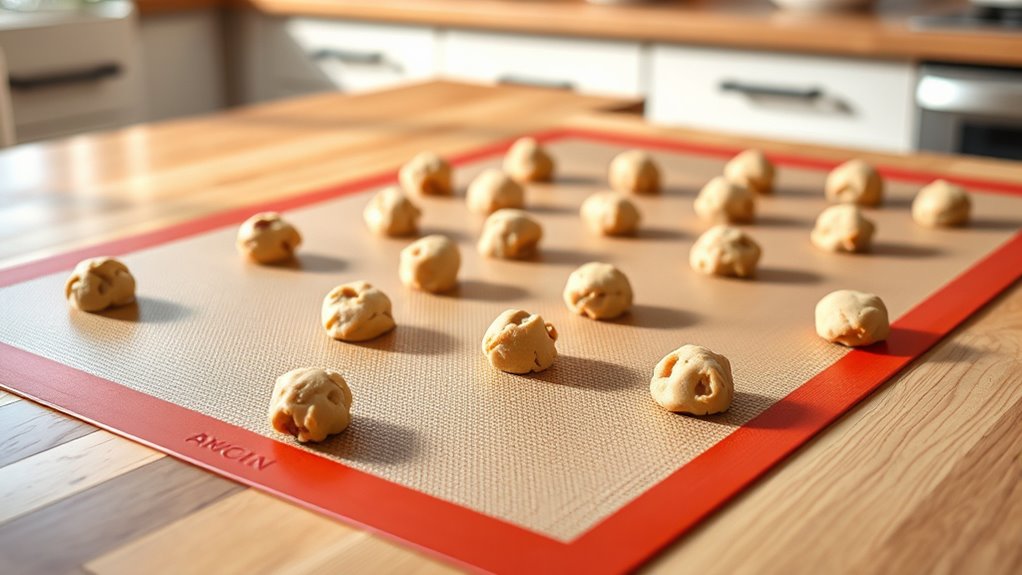
Although silicone baking mats may seem like a specialty item, they’re actually a versatile and reusable alternative to parchment paper that you can rely on for non-stick baking. You simply place the mat on your baking sheet, and it provides a smooth, non-stick surface perfect for cookies, pastries, and roasting vegetables.
Unlike parchment paper, silicone mats don’t need replacing after every use, saving you money and reducing waste. They’re heat-resistant and easy to clean—just wipe or wash them with warm, soapy water.
Plus, they distribute heat evenly, helping your baked goods cook more consistently. Keep in mind, though, they aren’t ideal for broiling or recipes requiring direct high heat.
Cooking Spray
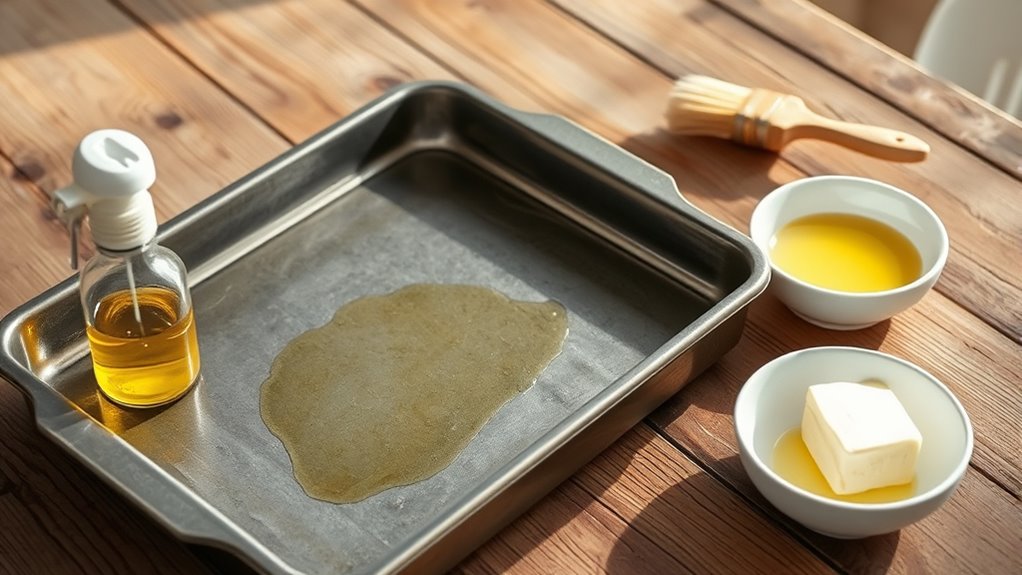
If you want a quick and easy way to prevent sticking without prepping your baking sheets, cooking spray offers an efficient solution. Just give your pan a light, even coat before placing your dough or batter, and you’ll minimize sticking and make cleanup easier.
Cooking sprays usually contain oil and a propellant, so they distribute evenly and help create a non-stick surface. Keep in mind, though, that repeated use can build up residue on your pans, so occasional thorough cleaning is important.
Also, cooking spray works best for baking cookies, muffins, or quick breads but might not be ideal for very sticky or delicate recipes. Overall, it’s a convenient, accessible alternative when parchment paper isn’t on hand.
Greased Baking Sheets
You can use various greases like butter, oil, or shortening to prepare your baking sheets. Make sure to spread the grease evenly to prevent sticking and promote uniform cooking.
Proper application helps your baked goods come out perfectly every time. It’s a simple step that really makes a difference!
Types of Grease Options
Greasing your baking sheet is one of the simplest alternatives to parchment paper that can prevent sticking and promote even cooking. You have several options depending on what you have on hand.
Butter adds a rich flavor and works well for baked goods like cookies and pastries. Vegetable oil offers a neutral taste and evenly coats the surface, making it great for roasting vegetables or meats.
Shortening creates a nonstick barrier and is especially handy for sticky doughs. You can also use nonstick cooking sprays for quick application, but watch for added chemicals or flavors.
Whichever grease you choose, apply it evenly to ensure your food releases easily and cooks properly without sticking to the pan.
Application Tips for Even Cooking
Although applying grease may seem straightforward, doing it unevenly can cause your food to stick or cook inconsistently. To guarantee even cooking, start by using a pastry brush or a paper towel to spread a thin, uniform layer of oil or butter over the entire baking surface.
Avoid pouring grease directly onto the pan, as it can pool and create hot spots. If you’re using a spray, hold it about six inches away for an even mist.
Make sure to cover corners and edges, where food tends to stick the most. Finally, wipe off any excess grease to prevent soggy bottoms and uneven browning.
These simple steps help your baked goods release easily and cook evenly without parchment paper.
Wax Paper
Wax paper might seem similar to parchment, but it’s not heat-resistant, so you’ll want to avoid using it in the oven. It’s perfect for wrapping food or lining surfaces when you’re prepping ingredients.
Just remember to keep it away from direct heat to stay safe.
Wax Paper vs. Parchment
When you’re deciding between wax paper and parchment, it’s important to know that wax paper is coated with a thin layer of wax, making it moisture-resistant but not heat-safe. This means you shouldn’t use wax paper in the oven because the wax can melt or even catch fire.
Parchment paper, on the other hand, is treated to withstand high temperatures, making it ideal for baking and roasting. While both help prevent sticking, only parchment can handle heat without issues.
So, if you need a liner for baking trays or a surface for hot cooking, parchment is your go-to. Wax paper works better for tasks that don’t involve heat, like wrapping food or covering surfaces during prep.
Understanding this difference helps you avoid mishaps in the kitchen. It’s one of those simple tips that can save you a lot of trouble!
Best Uses for Wax Paper
Since it’s moisture-resistant but not heat-safe, you’ll find wax paper perfect for tasks like wrapping sandwiches, covering bowls during prep, or lining countertops for messy projects. It keeps food fresh without sticking, making it ideal for storing leftovers or packing lunches.
When rolling out dough, placing wax paper on your surface prevents sticking, so cleanup is easier. You can also use it to separate layers of baked goods or frozen items, avoiding clumps.
Wax paper works well for wrapping candies or handmade chocolates, helping maintain shape and texture. Just remember to avoid using it in the oven or near heat sources, as the wax can melt or catch fire.
For non-heat tasks, wax paper offers a versatile, convenient solution. It’s super handy in the kitchen, just don’t put it where it can get too hot!
Handling and Safety Tips
Although wax paper is handy for many kitchen tasks, you shouldn’t expose it to heat or open flames because it can melt or catch fire. Always use wax paper only for cold or room-temperature applications, like wrapping food or lining surfaces for rolling dough.
Keep it away from ovens, stovetops, and microwaves. When cutting or handling wax paper, fold or tear it carefully to avoid creating jagged edges that can cause cuts.
Store it in a dry place to prevent moisture from compromising the wax coating. If you notice any signs of melting or burning, discard the paper immediately.
Flour or Cornmeal Dusting
If you want a simple and effective way to prevent sticking without parchment paper, dusting your baking surface with flour or cornmeal works great. Just sprinkle a light, even layer over your baking sheet, pizza stone, or cutting board before placing your dough or batter.
Flour is ideal for most baked goods, while cornmeal adds a bit of crunch and texture, especially for pizza or bread. This method creates a barrier that keeps your food from sticking and helps with easy removal after baking.
Be sure to shake off any excess flour or cornmeal to avoid a gritty texture on your finished product. This technique is quick, inexpensive, and requires no special equipment—perfect when you’re out of parchment paper but still want great results.
Banana Leaves
Dusting your baking surface with flour or cornmeal works well, but sometimes you want a more natural and eco-friendly option. Banana leaves make a fantastic alternative to parchment paper.
You can use them to line baking trays or wrap food before steaming or grilling. Their large, flexible size provides a non-stick surface and imparts a subtle, earthy aroma to your dishes.
Before using, rinse the leaves and gently warm them over a flame or in hot water to make them more pliable and less prone to tearing. Banana leaves are biodegradable and reusable, reducing waste in your kitchen.
If you have access to fresh or frozen banana leaves, they offer a sustainable, versatile choice that enhances presentation and flavor without the chemicals found in some baking papers.
Conclusion
You might think parchment paper is a kitchen must-have, but don’t let its absence stop you. From shiny aluminum foil to natural banana leaves, your baking options are far from limited.
While parchment offers convenience, alternatives like silicone mats or a simple dusting of flour can bring just as much magic to your oven. These substitutes not only prevent sticking but can add their own unique touch to your baked goods.
So next time you’re out of parchment paper, remember—creativity outshines any single tool in your baking arsenal. Using alternatives like foil, silicone mats, or even banana leaves can keep your baking on track without missing a beat. Embrace these parchment paper substitutes and keep your kitchen adventures delicious and hassle-free!