Are Butter Paper and Parchment Paper the Same?
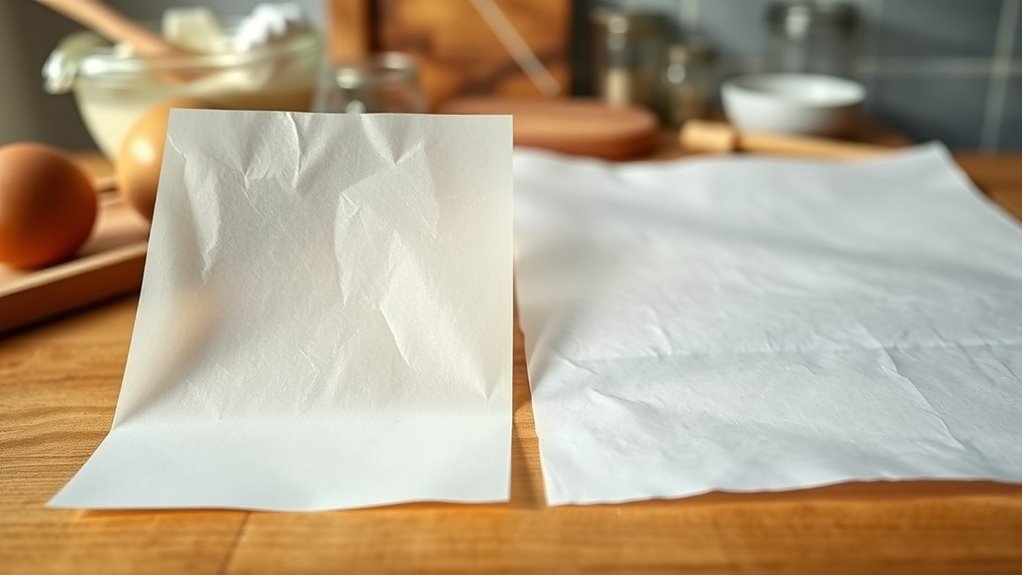
You might think butter paper and parchment paper are the same, but they aren’t. Both are popular in the kitchen, but they serve different purposes.
Butter paper is wax-coated and moisture-resistant, which makes it great for wrapping food or handling low-heat tasks. However, it can scorch easily if exposed to high temperatures.
On the other hand, parchment paper has a silicone coating that withstands high heat and prevents sticking. This makes it ideal for baking and roasting.
Using them interchangeably could ruin your recipe or even cause safety issues. So, it’s important to know which one to pick for your cooking needs.
Keep exploring to find out exactly when to use each for the best results.
What Is Butter Paper?
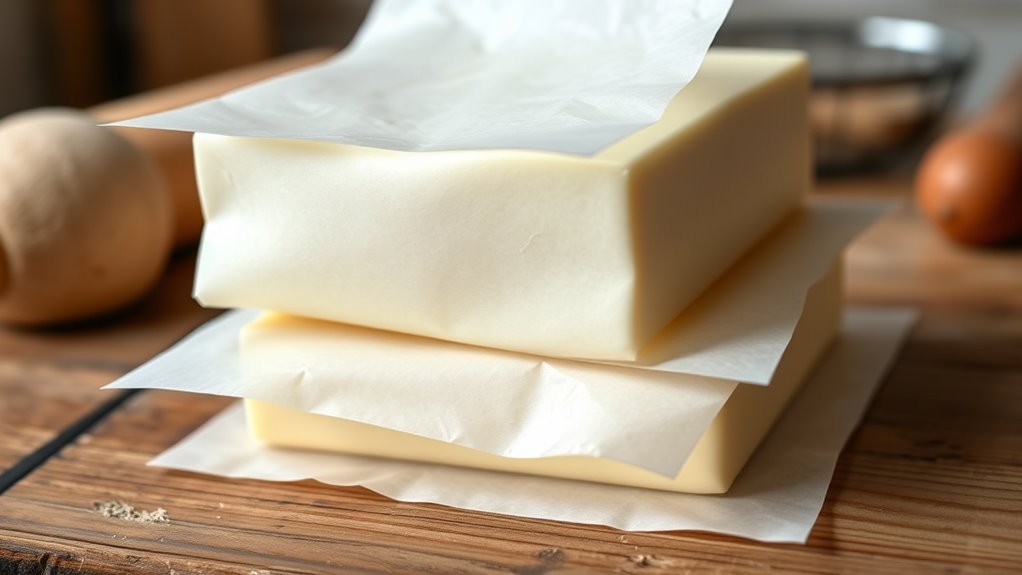
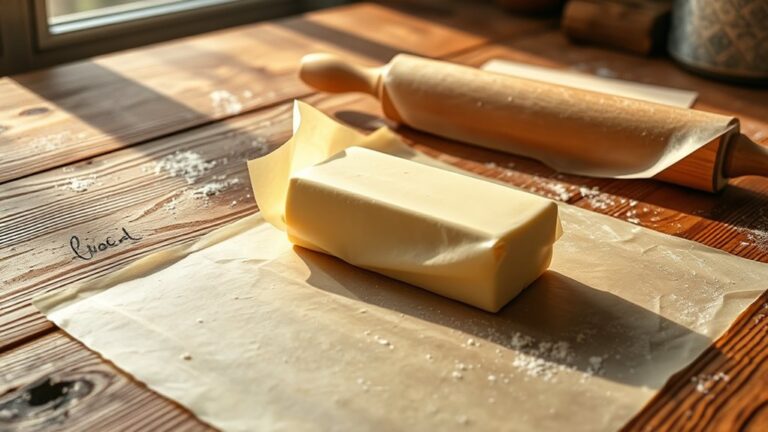
Although butter paper might sound like a baking ingredient, it’s actually a type of translucent paper coated with a thin layer of greaseproof material. You’ll often find it used to wrap food items like butter or cheese to keep them fresh without sticking.
Because of its grease-resistant quality, butter paper prevents oily or moist foods from leaking through, making it handy for packaging or storing. When you use butter paper, you’re getting a lightweight, flexible sheet that helps preserve texture and flavor.
It’s not designed for high-heat cooking but serves well in situations where you want to avoid grease stains or moisture transfer. Butter paper is practical for everyday food wrapping rather than oven use, so keep that in mind when choosing your kitchen supplies.
What Is Parchment Paper?
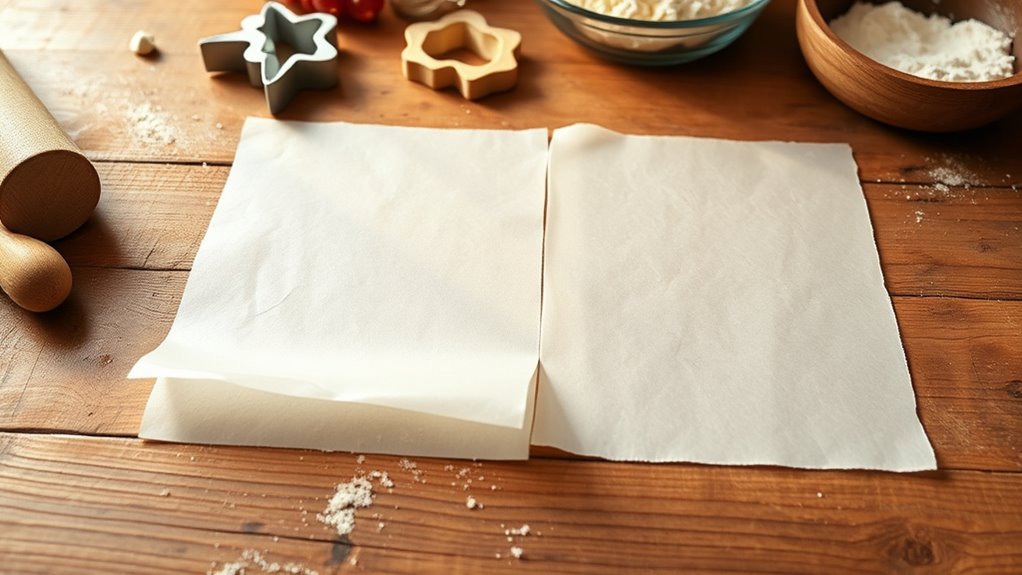
You’ll find parchment paper is a non-stick, heat-resistant sheet made by treating paper with silicone. It’s perfect for baking and cooking because it withstands high temperatures without burning or sticking.
Understanding its composition and uses helps you see why it’s different from butter paper. It’s pretty handy once you get the hang of what makes it special!
Definition and Composition
Parchment paper is a specially treated paper designed to withstand high oven temperatures without burning or sticking. You’ll find that it’s made by treating regular paper with an acid solution, which alters its fibers to create a durable, heat-resistant surface.
Then, it undergoes a silicone coating process that gives it a non-stick quality and makes it moisture-resistant. This combination ensures it performs well under heat and doesn’t absorb oils or liquids.
Here’s what defines parchment paper:
- Acid-treated cellulose fibers for heat resistance
- Silicone coating for non-stick and moisture protection
- Typically available in rolls or pre-cut sheets
- FDA-approved for food contact and oven use
Understanding its composition helps you see why parchment paper is reliable for baking and cooking tasks. It’s pretty handy once you know what’s behind it!
Common Uses in Cooking
When you want to bake cookies, roast vegetables, or steam fish, this paper proves invaluable by preventing food from sticking and ensuring even cooking. Parchment paper is your go-to for lining baking sheets and cake pans, making cleanup easier and keeping your baked goods intact.
You can also use it to wrap foods for cooking en papillote, locking in moisture and flavor. It’s perfect for rolling out dough without adding extra flour and for separating frozen items to avoid clumping.
Plus, it works well as a non-stick surface for candy making or tempering chocolate. Overall, parchment paper simplifies many tasks in the kitchen by providing a reliable, non-stick, and disposable surface that helps you cook smarter and cleaner every time.
Heat Resistance Properties
Although it may look similar to other kitchen papers, parchment paper is specially treated to withstand high temperatures without burning or sticking.
When you use parchment paper, you get the benefit of heat resistance that lets you bake, roast, and cook without worrying about it catching fire or melting.
This makes it ideal for lining baking sheets or wrapping food.
Here’s what you should know about parchment paper’s heat resistance:
- It typically resists heat up to 420°F (215°C) without burning.
- Its silicone coating prevents sticking, even at high temperatures.
- It doesn’t release harmful chemicals when heated.
- It’s safe for use in ovens and microwaves, but not on direct flame or broilers.
This heat resistance sets parchment paper apart from butter paper.
Key Differences Between Butter Paper and Parchment Paper
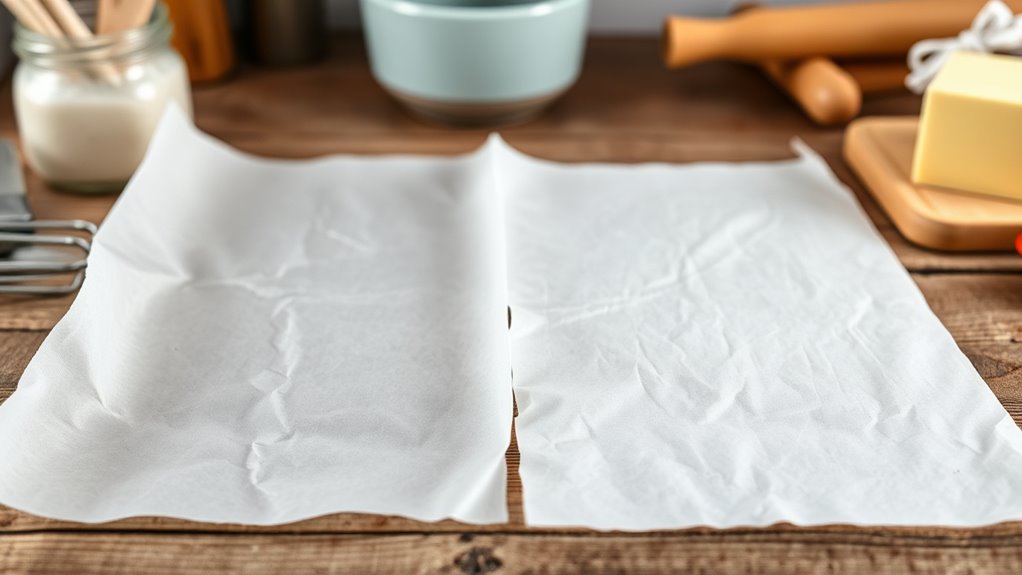
Since both butter paper and parchment paper serve as kitchen essentials, it’s easy to confuse them. However, you’ll notice key differences when you look closer.
Butter paper is typically wax-coated, making it moisture-resistant but not heat-resistant enough for baking. It’s great for wrapping food or separating items but can melt or smoke under high heat.
Parchment paper, on the other hand, is coated with silicone, giving it excellent heat resistance and non-stick properties. You can safely use parchment paper for baking or roasting without worrying about it burning or sticking.
How to Use Butter Paper in Cooking and Baking
When you use butter paper in cooking, remember it has a lower heat resistance than parchment paper, so avoid high-temperature baking. It works well for wrapping foods and lining trays to prevent sticking in low-heat applications.
You’ll find it handy for tasks like separating baked goods or covering dough during resting. It’s pretty versatile once you get the hang of it!
Butter Paper Heat Resistance
If you plan to use butter paper in your cooking or baking, you should know it has limited heat resistance compared to parchment paper. Butter paper is coated with a thin layer of butter or grease, making it less suitable for high temperatures.
When exposed to heat above 200°F (93°C), butter paper can easily scorch, smoke, or even catch fire. To avoid ruining your dishes or kitchen, keep these points in mind:
- Use butter paper mainly for wrapping or storing food, not direct baking.
- Avoid placing it in the oven or near open flames.
If you must use it in cooking, keep the temperature low and monitor it closely. It’s better to be safe than sorry!
Opt for parchment paper when baking or roasting at high temperatures for safety and best results. It handles heat way better and helps your food come out just right.
Non-stick Uses in Baking
Although butter paper isn’t ideal for high-heat baking, it still offers great non-stick benefits for various cooking tasks. You can line trays or pans with butter paper when working with sticky doughs or batters to prevent them from sticking.
It’s perfect for rolling out pastry or fondant, as it keeps your surface smooth without adding extra flour. When you’re wrapping foods like fish or vegetables for gentle steaming or baking at moderate temperatures, butter paper helps contain moisture and flavors while preventing sticking.
Just avoid using it in the oven at temperatures above 220°F (104°C), since it can burn or smoke. Overall, butter paper is a handy, non-stick tool that simplifies prep and cleanup in many cooking and baking situations.
When to Choose Parchment Paper Over Butter Paper
Because parchment paper offers superior heat resistance and non-stick properties, you’ll want to select it over butter paper for baking tasks that require high temperatures or prolonged cooking times.
Butter paper can burn or stick, making it less reliable in these situations. Parchment paper also prevents food from sticking without adding grease, which keeps your baked goods crisp and clean.
Consider using parchment paper when you:
- Bake cookies, cakes, or pastries at temperatures above 350°F (175°C)
- Roast vegetables or meats in the oven
- Need a non-stick surface for rolling out dough
- Line cake pans for easy removal of delicate baked items
Choosing parchment paper in these scenarios ensures better results and less cleanup. It’s definitely worth the switch when you’re aiming for perfect baking every time!
Tips for Selecting the Right Paper for Your Recipes
Choosing between butter paper and parchment paper depends on the specific needs of your recipe. If you’re baking cookies or roasting vegetables, parchment paper is your best bet because it’s heat-resistant and non-stick.
Butter paper works well for wrapping sandwiches or storing food but isn’t designed to handle high oven temperatures. Always check the maximum temperature rating on the package to avoid burning or melting.
For greasy or sticky foods, parchment paper prevents sticking without adding extra oil. If your recipe involves steaming or microwaving, butter paper might be suitable since it’s moisture-resistant but not heatproof.
Conclusion
When you step into the kitchen, choosing between butter paper and parchment paper is like picking the right dance partner—they might seem similar, but each moves differently with your recipe. Butter paper wraps your ingredients gently, while parchment paper stands up to heat like a seasoned pro.
Knowing when to use each lets you glide through cooking and baking with ease. Butter paper is great for wrapping and storing food because it’s moisture-resistant but not heat-resistant. Parchment paper, on the other hand, is perfect for baking since it can withstand oven temperatures and helps prevent sticking.
So trust your instincts, pick the perfect paper, and let your culinary creations shine! Remember, butter paper and parchment paper are not the same—they serve different purposes in the kitchen. Using the right paper for the right task helps you achieve the best results every time.