
Does Pap Smear Hurt and How to Prepare for It
You might feel brief pressure or mild cramping during a Pap smear, but it’s usually quick and tolerable. Many people wonder, “Does a Pap smear hurt?”
The good news is that discomfort is generally minimal and short-lived.
To prepare, schedule your test when you’re not menstruating. Also, avoid douching or using vaginal medications 48 hours before the test. These simple steps help ensure accurate results and a smoother experience.
Try practicing deep breathing to relax during the procedure. Don’t hesitate to communicate any discomfort to your healthcare provider—they’re there to help.
Understanding these tips can make the experience less stressful and more manageable. Keep reading to discover helpful advice and learn when to discuss concerns with your doctor.
What Happens During a Pap Smear Test
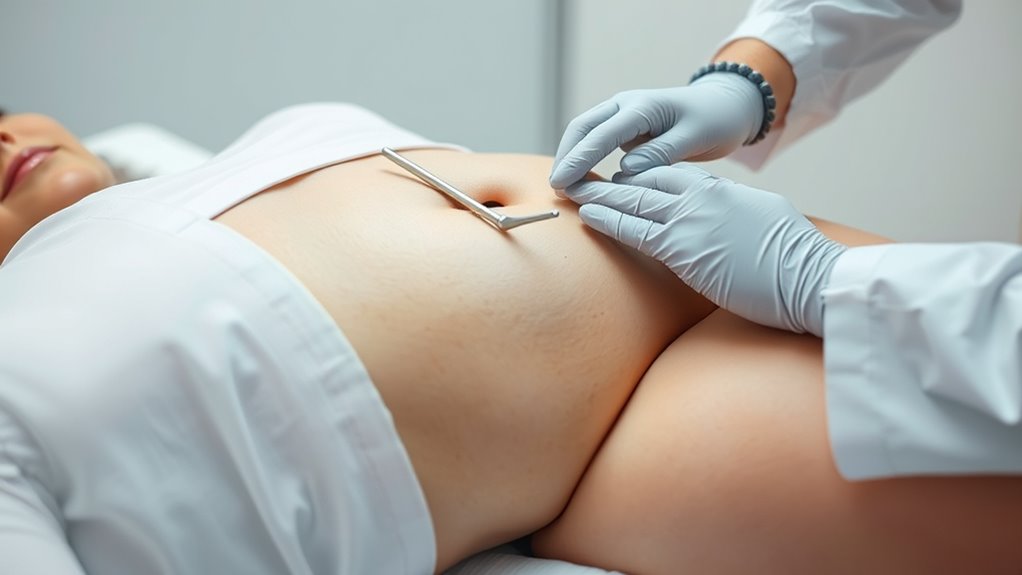
Although the idea of a Pap smear might make you nervous, the test itself is quick and straightforward.
Feeling nervous about a Pap smear? The test is actually quick, simple, and an important part of your health routine.
When you arrive, your healthcare provider will ask you to lie back on an exam table and place your feet in stirrups. They’ll gently insert a speculum into your vagina to hold it open, allowing clear access to your cervix.
Using a small brush or spatula, they’ll collect cells from the cervix’s surface. This sample helps detect any abnormal or precancerous cells.
The entire process usually takes just a few minutes. After the sample is taken, the speculum is removed, and you can get dressed.
Your provider will send the sample to a lab, where it’s analyzed. You can relax knowing the test is a crucial step in maintaining your health.
Common Sensations and Discomforts Experienced
While the Pap smear is usually quick, you may feel some pressure or mild discomfort during the procedure. This is normal as the speculum gently opens the vaginal walls.
You might experience a slight pinch or cramp when the sample is taken. Some women notice a cold sensation from the instruments used. Usually, any discomfort lasts only a few seconds.
Here’s a quick overview:
| Sensation | Description | Duration |
|---|---|---|
| Pressure | Speculum opening walls | Few seconds |
| Mild cramping | Sampling of cervical cells | Brief |
| Pinching | Swab contact | Momentary |
| Cold sensation | Instrument temperature | Very short |
| Slight spotting | Minor irritation | After test |
Knowing what to expect helps ease anxiety. So, if you’re feeling a bit nervous, that’s totally normal!
Factors That Influence Pain Levels
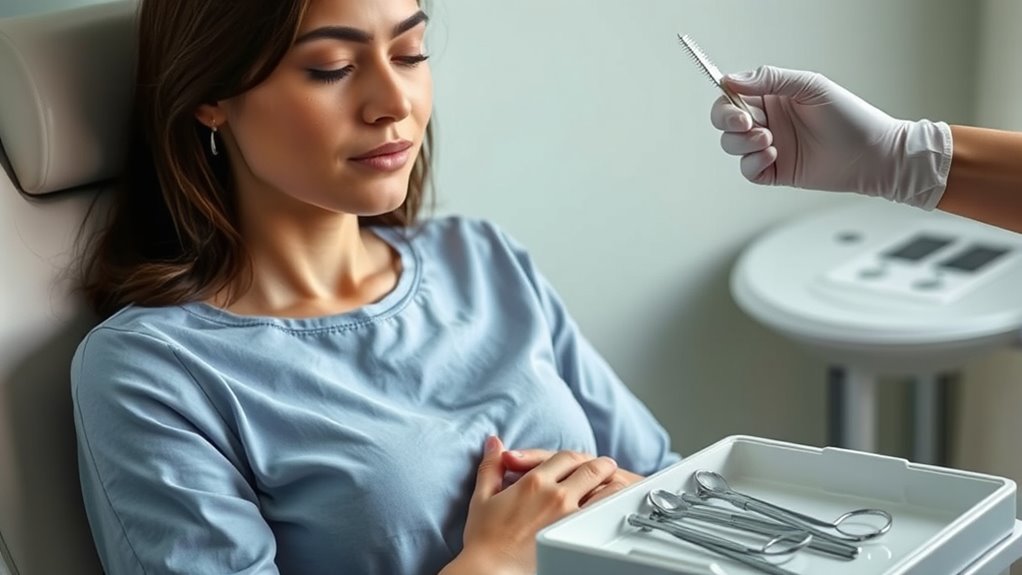
Your experience of discomfort during a Pap smear can vary depending on several factors. For instance, your pain level may be influenced by your anatomy; if you have a smaller or more sensitive cervix, the procedure might feel more uncomfortable.
Your emotional state also plays a role—feeling anxious or tense can heighten sensitivity to pain. The timing of the test matters too; if you schedule it during your menstrual cycle or when you have vaginal infections, you might feel more discomfort.
Additionally, your previous experiences with pelvic exams can shape your expectations and reactions. Finally, the technique and experience of the healthcare provider performing the Pap smear profoundly affect how much discomfort you feel during the procedure.
Tips to Reduce Discomfort During the Procedure
If you want to minimize discomfort during your Pap smear, there are several practical steps you can take beforehand. First, try to relax your pelvic muscles as tension can increase pain. Deep breathing techniques can help you stay calm throughout the procedure.
Second, schedule your Pap smear when you’re not menstruating, as this can reduce sensitivity and make the process smoother. Finally, communicate openly with your healthcare provider; letting them know if you feel any discomfort allows them to adjust their technique for your comfort.
- Practice deep, slow breaths to ease muscle tension
- Avoid scheduling during your period for less sensitivity
- Speak up about any pain so the provider can adapt
These simple tips can make your Pap smear experience much more comfortable.
Preparing Yourself Mentally and Physically
Before your Pap smear, take a moment to calm your mind and focus on positive thoughts to ease any anxiety. Physically, avoid scheduling the test during your period.
Try to relax your pelvic muscles. These simple mental and physical steps can make the experience smoother for you.
Mental Readiness Tips
Although the Pap smear is a routine procedure, feeling anxious or uneasy is completely normal. Preparing yourself mentally can help ease your worries and make the experience smoother.
Start by understanding what to expect during the test, so you won’t be caught off guard. Remind yourself that the discomfort is usually brief and manageable.
Try to stay calm and practice deep breathing to reduce tension.
Here are some mental readiness tips to keep in mind:
- Visualize a positive outcome and focus on your health benefits.
- Bring a trusted friend for support or talk to someone who’s been through it.
- Use relaxation techniques like meditation or mindfulness before your appointment.
Taking these steps helps you feel more in control and ready for your Pap smear.
Physical Preparation Steps
While preparing yourself mentally sets the foundation, taking practical physical steps can make your Pap smear more comfortable and efficient. Start by scheduling your test when you’re not menstruating, as this can interfere with results and increase discomfort.
Avoid sexual intercourse, douching, or using vaginal medications for 48 hours before the appointment to keep the area clear. Wear comfortable clothing for easy access and bring a sanitary pad, as light spotting afterward is common.
Arrive relaxed—take deep breaths to reduce tension. Drinking water beforehand can help you stay calm and hydrated. By following these steps, you’ll help the healthcare provider perform the test smoothly and minimize any potential discomfort, making the experience as straightforward as possible.
When to Talk to Your Doctor About Pain or Concerns
If you experience persistent pain or discomfort during or after a Pap smear, you should talk to your doctor promptly. While some mild cramping or pressure is normal, ongoing or severe pain isn’t something to overlook.
Discussing your concerns helps your doctor rule out infections, inflammation, or other issues that might require treatment.
You should also reach out if you notice unusual bleeding or heavy spotting after the test. Or if you have severe pain that lasts more than a day.
And don’t forget, if anxiety or fear makes the procedure difficult, it’s important to let your doctor know.
Being open about your symptoms and feelings ensures you get the care and support you need. Don’t hesitate to ask questions or request adjustments during future exams to make the experience as comfortable as possible.
Conclusion
Getting a Pap smear is like a quick pit stop for your health—brief but essential. While you might feel some discomfort, it usually doesn’t hurt much and only lasts moments.
By preparing yourself mentally and physically, you can ease any nerves and reduce pain. Remember, if anything feels off or painful, don’t hesitate to talk to your doctor.
Taking charge of your health means you’re always in the driver’s seat. So, if you’re wondering, “Does a Pap smear hurt?” the answer is usually no—or just a little discomfort for a short time. With proper preparation and a calm mindset, the process becomes easier. Staying informed and communicating with your healthcare provider helps ensure your Pap smear experience is as smooth and painless as possible. Regular screening is key to preventing cervical issues and keeping you healthy.