Can You Flush Paper Towels Safely?
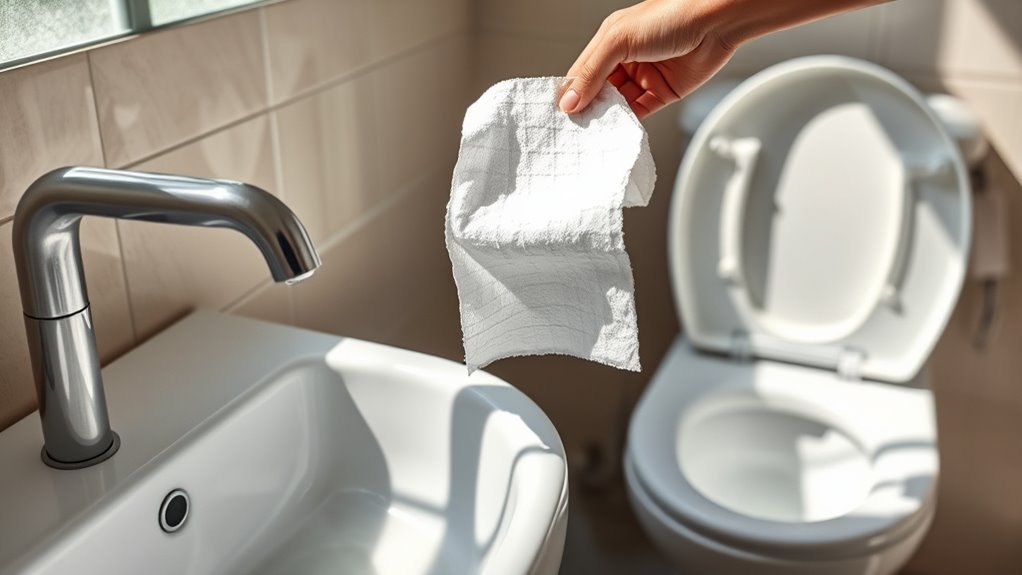
You shouldn’t flush paper towels because they don’t break down like toilet paper, which can cause serious clogs in your plumbing. Paper towels are thicker and more absorbent, so they tend to clump together and block pipes, leading to backups and costly repairs.
Flushing them can also harm the environment by disrupting water treatment systems. If you want to keep your plumbing safe and avoid these issues, it helps to understand proper disposal and alternatives for cleaning.
So, when you’re wondering, “Can you flush paper towels safely?” the answer is no. It’s best to toss them in the trash to prevent plumbing problems and protect the environment.
Differences Between Paper Towels and Toilet Paper
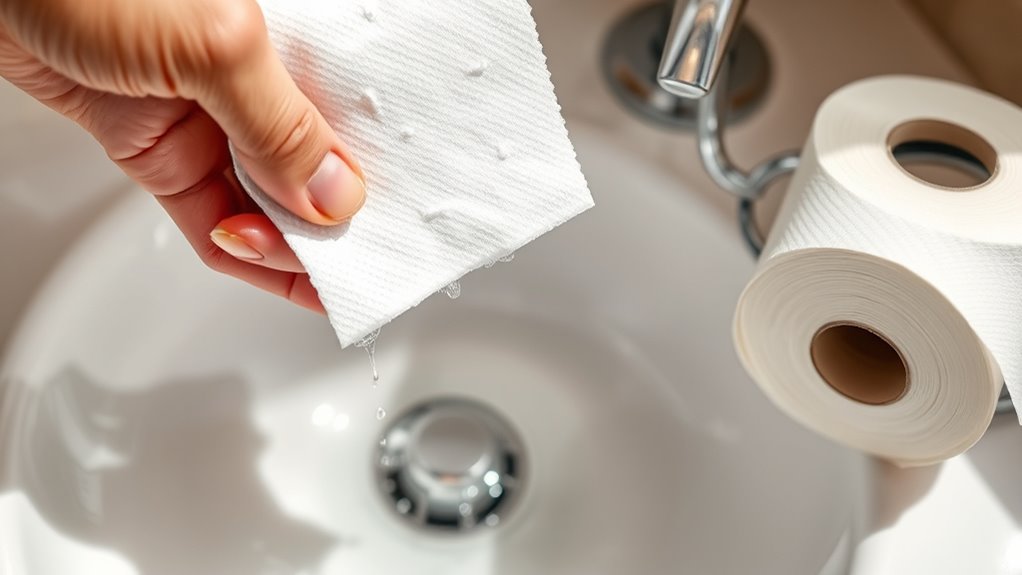
Although paper towels and toilet paper might seem similar, they serve very different purposes and have distinct compositions. You’ll notice toilet paper is designed to break down quickly in water, making it safe for plumbing systems.
Toilet paper breaks down quickly in water, ensuring it’s safe for plumbing systems unlike paper towels.
It’s soft, thin, and made to dissolve easily after use. On the other hand, paper towels are thicker, stronger, and more absorbent, meant for cleaning up spills and messes.
Because they’re sturdier, they don’t break apart easily in water. You rely on toilet paper for hygiene and expect it to flush without clogging pipes.
Paper towels, however, aren’t made to disintegrate in water, which is why they don’t flush safely. Understanding these differences helps you choose the right product for your needs and protect your plumbing.
Why Paper Towels Should Not Be Flushed
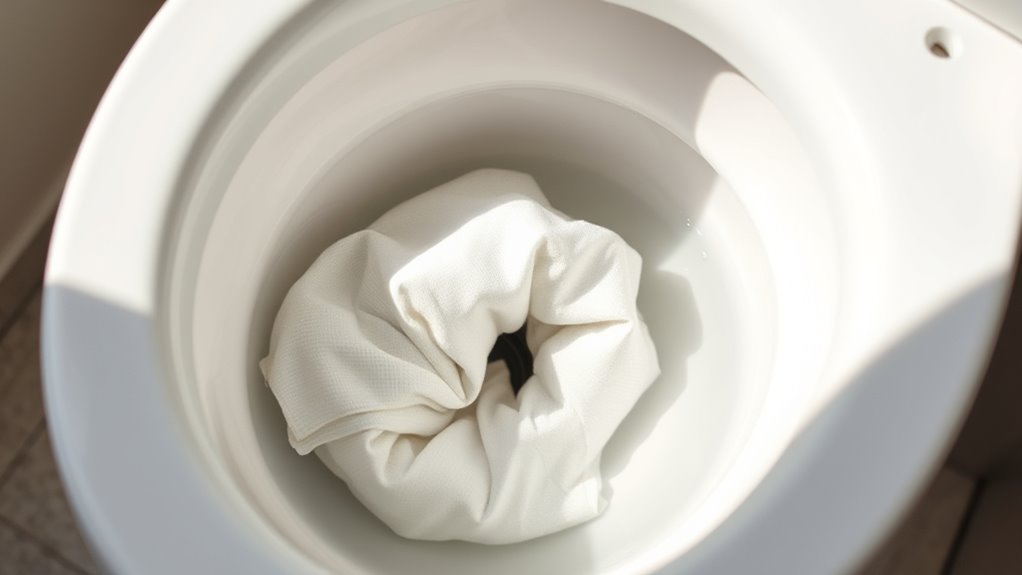
You might think that since paper towels and toilet paper are both made of paper, flushing them would be the same. However, paper towels are designed to be strong and absorbent. This means they don’t break down easily in water.
Flushing them can lead to blockages and other problems in your plumbing system.
| Aspect | Paper Towels |
|---|---|
| Strength | High, does not disintegrate easily |
| Absorbency | Very absorbent |
| Breakdown in water | Slow or negligible |
| Intended use | Cleaning surfaces, not flushing |
Because of these factors, paper towels should always go in the trash, not the toilet. This simple habit helps you avoid plumbing issues and protects the environment.
Potential Plumbing Issues Caused by Flushing Paper Towels
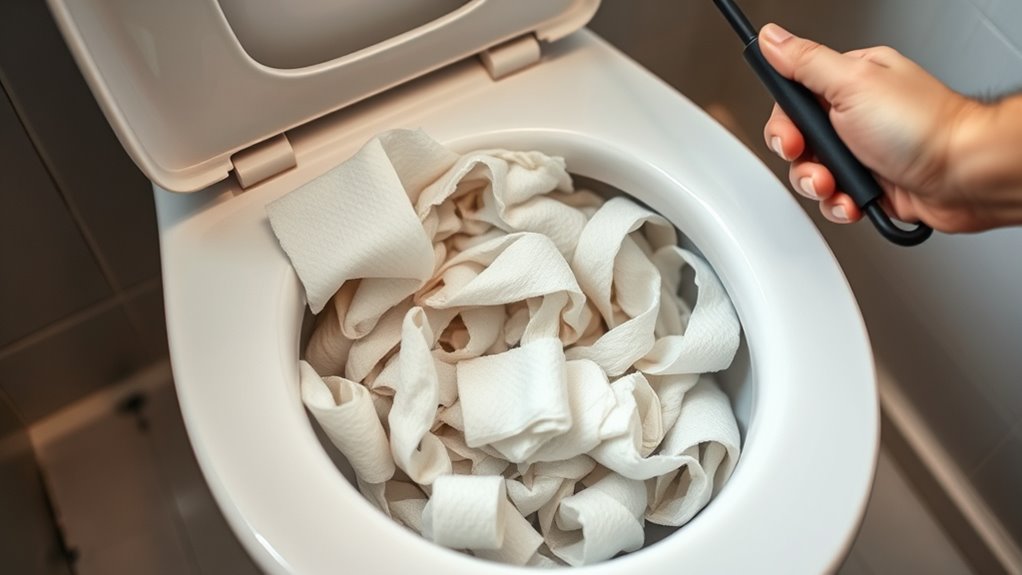
When paper towels enter your plumbing system, they tend to clump together instead of breaking apart like toilet paper does. This clumping can create stubborn blockages in your pipes, leading to slow drains or complete backups.
You might find yourself dealing with unpleasant odors or water backing up into sinks and toilets. Over time, these blockages can strain your plumbing, increasing the risk of pipe damage or leaks.
Unpleasant odors and backups in sinks or toilets signal blockages that can damage your plumbing over time.
If paper towels reach your sewer line, they can cause even bigger problems, potentially affecting the municipal wastewater system. Avoid flushing paper towels to keep your plumbing running smoothly and prevent costly repairs.
Instead, dispose of them in the trash, ensuring your pipes stay clear and your home’s plumbing remains trouble-free.
Environmental Impact of Flushing Paper Towels
When you flush paper towels, you create challenges for wastewater treatment plants that aren’t designed to break them down easily. This can lead to blockages and the release of pollutants into waterways.
You’ll also want to contemplate how these materials affect marine life by disrupting ecosystems and harming aquatic creatures. It’s not just a small issue; it can have a big impact on the environment.
Wastewater Treatment Challenges
Although it might seem harmless to flush paper towels, doing so poses significant challenges for wastewater treatment systems. Paper towels don’t break down easily like toilet paper, so they can clog pipes and damage pumps.
When you flush them, they often get stuck in screens and filters, causing blockages that slow down the entire treatment process. These blockages increase maintenance costs and can lead to untreated wastewater being released accidentally.
You might think a few paper towels won’t matter, but the cumulative effect overwhelms treatment plants. Plus, removing these materials requires extra labor and energy, making the system less efficient.
To keep wastewater treatment running smoothly and prevent costly repairs, it’s best to dispose of paper towels in the trash instead of flushing them down the toilet.
Effects on Marine Life
How does flushing paper towels affect marine life? When you flush paper towels, they often don’t break down completely and can enter waterways. This debris can harm aquatic animals by clogging their digestive systems or entangling them.
Also, chemicals and inks in some paper towels may leach into water, disrupting fragile ecosystems and affecting species’ health. Microfibers and particles from these towels accumulate, impacting water quality and food chains.
By flushing paper towels, you contribute to pollution that stresses marine life and reduces biodiversity. To protect oceans and rivers, it’s best to dispose of paper towels in the trash. This helps prevent harm to fish, birds, and other organisms that rely on clean water habitats.
Your choices directly influence marine ecosystem health. So, think twice before flushing those paper towels!
Proper Disposal Methods for Used Paper Towels
Since used paper towels can carry bacteria and other contaminants, you should dispose of them carefully to prevent clogging pipes or harming the environment. Flushing them isn’t safe; instead, follow these proper disposal methods to keep your home and planet clean:
Used paper towels carry bacteria and should be disposed of properly to protect pipes and the environment.
- Throw them in the trash bin to avoid plumbing issues.
- Use composting only if the towels are free of harsh chemicals.
- Seal moist towels in a plastic bag before disposal to reduce odor and bacteria spread.
- Avoid flushing wipes or paper towels even if labeled flushable—they still cause blockages.
Alternatives to Paper Towels for Cleaning Tasks
Disposing of paper towels properly is important, but choosing alternatives can reduce waste and protect your plumbing even more. Instead of relying on paper towels, try reusable cloths or microfiber towels for your cleaning tasks. These options are washable, durable, and absorbent, making them effective for spills and grime.
You can also use old t-shirts or rags, repurposing materials you already have at home. For quick cleanups, consider silicone scrubbers, which are easy to rinse and sanitize. Switching to these alternatives not only cuts down on disposable waste but also prevents plumbing issues caused by flushing or improper disposal of paper towels.
Conclusion
You might be surprised to learn that paper towels can take up to 80 times longer to break down than toilet paper. That’s why you shouldn’t flush them—it can cause serious plumbing problems and harm the environment.
Instead, toss used paper towels in the trash or compost if possible. By choosing the right disposal method and exploring alternatives like reusable cloths, you’ll protect your pipes and the planet with every cleanup.
Flushing paper towels is not safe because they don’t dissolve easily like toilet paper. This can lead to clogs and costly repairs. Plus, it’s better for the environment to avoid flushing items that break down slowly.
So, remember: always throw paper towels in the trash or compost instead of flushing. Using reusable cloths is another great option to reduce waste. Taking these steps helps keep your plumbing safe and supports a healthier planet!