Does a Pap Test Detect STDs?
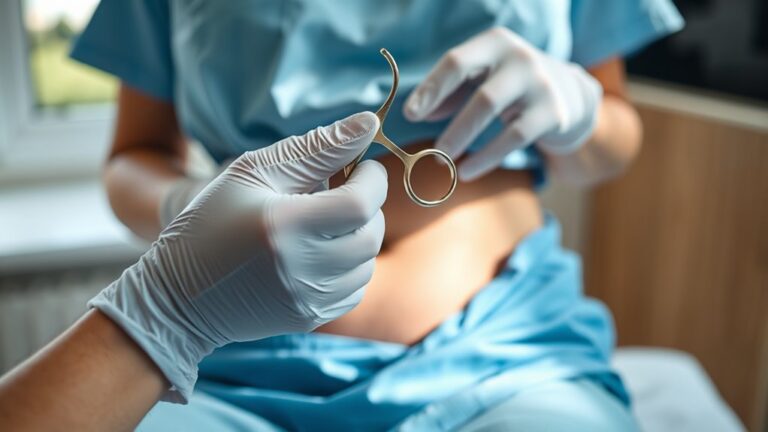
A Pap test checks your cervical cells for abnormal changes, mainly to screen for cervical cancer caused by HPV. It’s an important part of women’s health but doesn’t directly detect most STDs.
While it can hint at HPV-related issues, it can’t identify infections like chlamydia, gonorrhea, or herpes.
To fully protect your sexual health, you’ll need additional tests that target specific infections. Understanding how Pap tests fit into broader sexual health screening helps you take smarter care of yourself.
So, think of a Pap test as one piece of the puzzle—not a full STD check. Always talk to your healthcare provider about which tests you might need based on your sexual activity and health history.
What Is a Pap Test?
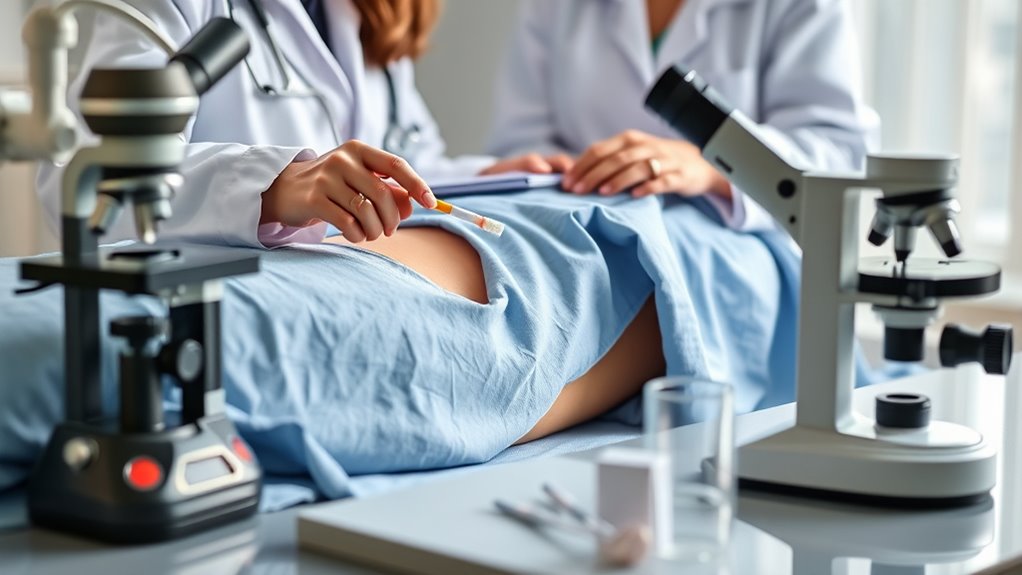
What exactly is a Pap test, and why should you care about it? A Pap test, also known as a Pap smear, is a simple screening procedure that checks for abnormal cells on your cervix, the lower part of your uterus.
You should care because it helps detect early changes that might lead to cervical cancer, allowing for timely treatment and prevention.
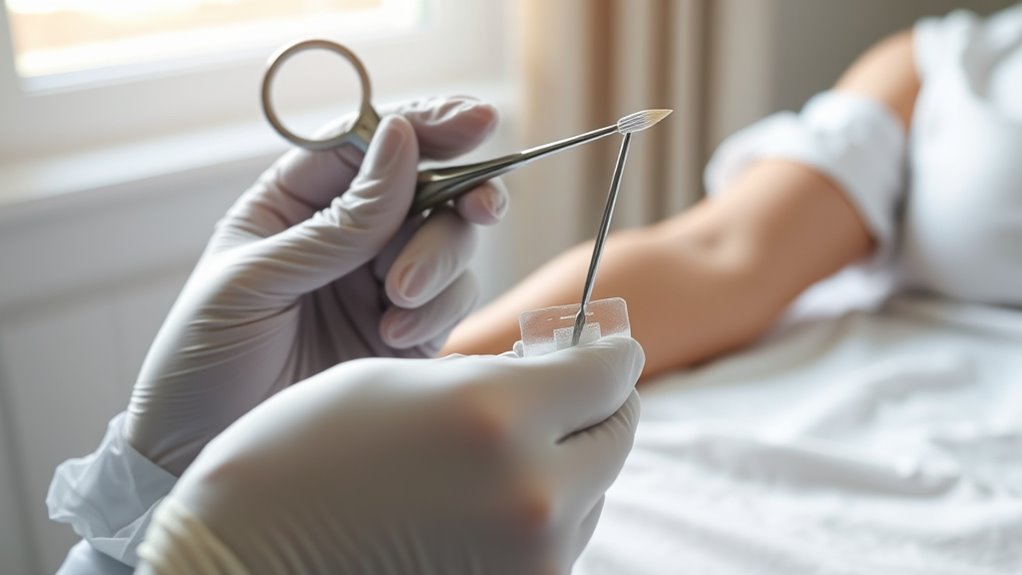
During the test, your healthcare provider collects cells from your cervix using a small brush or spatula. This quick and generally painless procedure is a vital part of your routine gynecological care.
Regular Pap tests can save your life by catching problems before they become serious. Staying on top of this test keeps you more in control of your reproductive health.
How Does a Pap Test Work?
Although the process might seem unfamiliar, a Pap test works by collecting cells from your cervix to examine them for abnormalities.
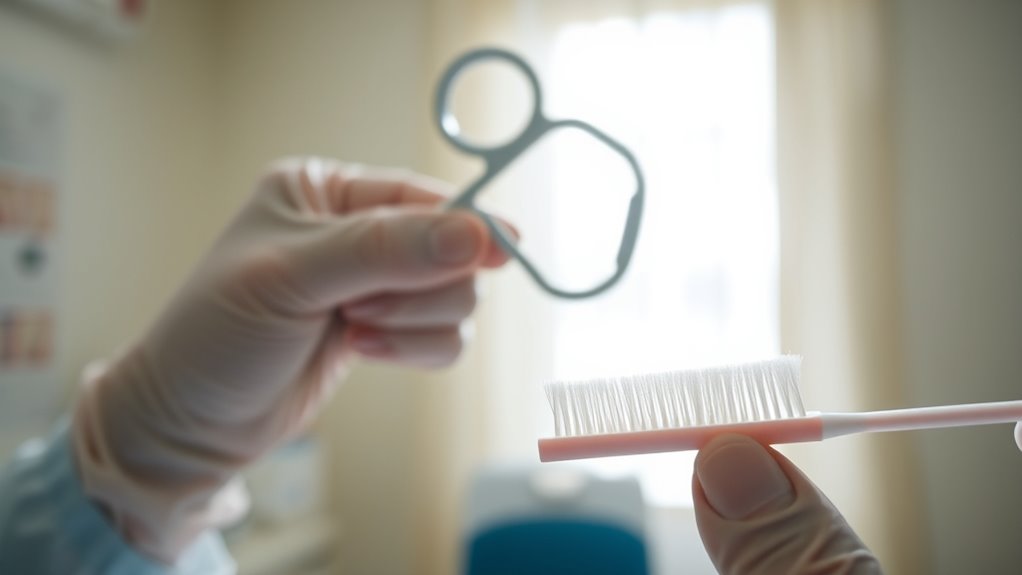
During the test, your healthcare provider gently inserts a speculum into your vagina to access the cervix. They then use a small brush or spatula to scrape a sample of cervical cells.
This sample is placed on a glass slide or in a liquid solution and sent to a lab for analysis. The lab technicians look for changes in the cells that might indicate precancerous conditions or infections.
While the primary goal is to detect cervical abnormalities, the test can reveal certain infections indirectly. The entire procedure is quick, usually causing minimal discomfort.
It plays a crucial role in maintaining your reproductive health through early detection. So, even if it sounds a bit uncomfortable, it’s definitely worth it!
STDs That Can Be Detected Through a Pap Test
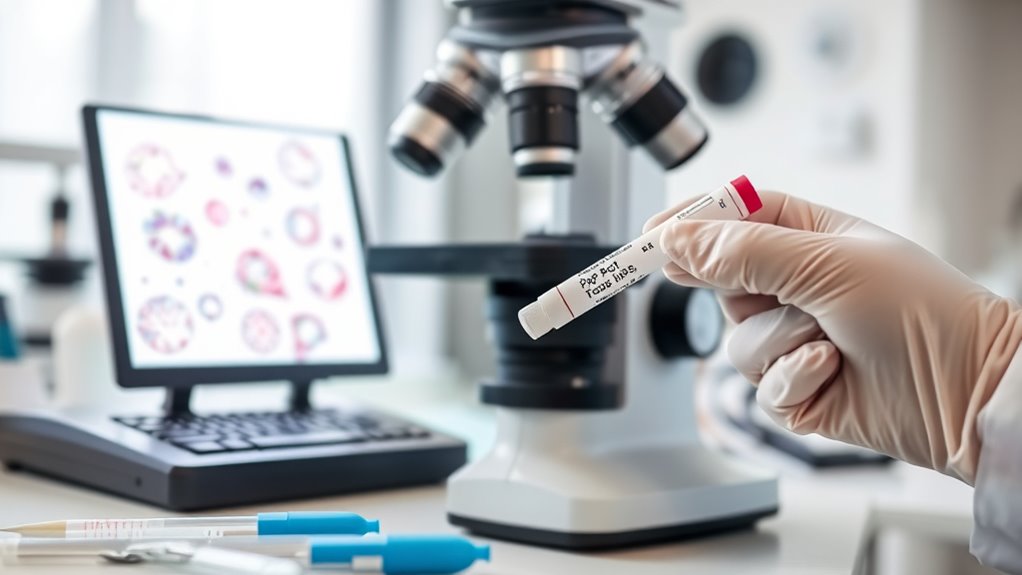
You can use a Pap test to detect certain strains of HPV, which is a common STD linked to cervical cancer.
However, it’s important to know that Pap tests have limitations and don’t reliably detect other STDs.
Understanding what a Pap test can and can’t find helps you stay informed about your sexual health.
HPV Detection
How can a routine Pap test play a crucial role in detecting HPV, one of the most common sexually transmitted infections? When you get a Pap test, cells from your cervix are collected and examined for abnormalities caused by HPV.
Although the test doesn’t directly diagnose HPV, it reveals precancerous changes that often result from persistent HPV infections. Detecting these changes early lets you and your healthcare provider take action to prevent cervical cancer.
| Pap Test Role | What It Detects |
|---|---|
| Cell abnormalities | Precancerous cervical cells |
| Infection indicators | Changes linked to HPV |
| Early warning | Risk of cervical cancer |
| Follow-up needed | Abnormal cell results |
| Preventive measure | Guides further HPV testing |
Limitations for Other STDs
While Pap tests primarily focus on detecting cervical cell abnormalities related to HPV, they can occasionally reveal signs of other sexually transmitted infections (STDs). However, these tests have significant limitations when it comes to detecting STDs beyond HPV.
You shouldn’t rely on a Pap test to diagnose infections like chlamydia, gonorrhea, herpes, or syphilis, as it’s not designed to identify these pathogens. Instead, specific laboratory tests, such as nucleic acid amplification tests (NAATs) or blood tests, are necessary for accurate diagnosis.
If you’re concerned about other STDs, it’s important to request targeted screenings during your healthcare visits. Remember, a Pap test is a valuable screening tool but doesn’t replace exhaustive STD testing that addresses a broader range of infections.
Limitations of Pap Tests in Detecting STDs
Although Pap tests play a crucial role in screening for cervical cancer, they don’t reliably detect most sexually transmitted infections (STIs). You should know their limitations to avoid false assumptions about your sexual health.
Pap tests are vital for cervical cancer screening but don’t reliably detect most STIs—know their limits.
Here’s why Pap tests fall short for STDs:
- Target Focus: Pap tests primarily examine cervical cells for abnormal changes, not the presence of specific pathogens causing STIs.
- Limited Detection: They might catch HPV-related changes but miss infections like chlamydia, gonorrhea, or herpes, which require specific tests.
- False Negatives: Even HPV infections can be missed if the virus isn’t causing visible cell changes during your screening.
Understanding these limits helps you seek appropriate testing and protects your overall sexual health. So, don’t rely on Pap tests alone — talk to your healthcare provider about the right tests for you.
Other Tests Recommended for STD Screening
Besides Pap tests, you should consider other common STD screenings like blood tests and urine samples to catch infections more accurately.
Knowing when to get tested depends on your sexual activity and risk factors, so stay informed about timing.
Regular screening is key to protecting your health and preventing the spread of STDs.
Common STD Screening Tests
Since Pap tests primarily screen for cervical cancer and certain HPV types, you’ll want to contemplate additional tests to detect other common STDs. These tests help identify infections that a Pap test might miss.
Here are three common screening methods you should know about:
- Nucleic Acid Amplification Tests (NAATs): These highly sensitive tests detect the genetic material of bacteria like chlamydia and gonorrhea from urine or swabs.
- Blood Tests: Used to screen for STDs such as HIV, syphilis, and herpes by identifying antibodies or antigens in your bloodstream.
- Visual and Physical Exams: Your healthcare provider may check for sores, warts, or other symptoms during a physical exam, which can guide further testing.
Combining these tests with Pap smears gives you a thorough approach to STD detection. It’s a smart way to stay on top of your sexual health!
When To Get Tested
Knowing when to get tested for STDs can protect your health and prevent the spread of infections. You should get tested if you have new or multiple partners, experience symptoms like unusual discharge or pain, or before starting a new sexual relationship.
Routine screening is also important, even without symptoms. Besides a Pap test, doctors recommend specific tests depending on risks and symptoms.
| When to Get Tested | Recommended Tests | Why It Matters |
|---|---|---|
| New or multiple partners | Chlamydia, Gonorrhea, HIV | Early detection |
| Symptoms present | Syphilis, Herpes, HPV | Accurate diagnosis |
| Before a new relationship | Extensive STD panel | Prevent transmission |
| Routine annual screening | Pap test, HIV, Hepatitis B/C | Maintain ongoing sexual health |
Importance of Regular Screening
Although routine Pap tests play a crucial role in detecting cervical abnormalities, you should also get regular screenings for other STDs to protect your overall sexual health. Pap tests don’t cover infections like chlamydia, gonorrhea, or HIV, so adding targeted tests is essential.
Here are key screenings to contemplate:
- Chlamydia and Gonorrhea Tests: These bacterial infections often show no symptoms but can cause serious complications.
- HIV Screening: Early detection helps manage the virus and reduces transmission risk.
- Syphilis Test: This infection can have severe long-term effects if left untreated.
Importance of Regular Sexual Health Checkups
Why should you prioritize regular sexual health checkups? These visits help you stay informed about your sexual well-being, catch infections early, and prevent complications.
While Pap tests screen for cervical abnormalities, they don’t detect all STDs. Regular checkups include specific tests for common infections like chlamydia, gonorrhea, and HIV, which you might not notice otherwise.
By getting tested regularly, you protect both yourself and your partners. Don’t wait for symptoms—many STDs show no signs but can cause serious health issues if untreated.
Your healthcare provider can also discuss risk factors and prevention methods tailored to you. Prioritizing these checkups empowers you to take control of your sexual health with confidence and care.
Conclusion
So, can a Pap test catch all STDs? Not exactly. While it can spot certain infections like HPV, it doesn’t detect many other common STDs.
If you want a clear picture of your sexual health, relying only on a Pap test isn’t enough. Regular checkups and specific STD screenings give you the full story.
Don’t leave your health to chance—aren’t you worth knowing the truth inside and out? To truly protect yourself, getting comprehensive STD testing beyond just a Pap test is key. It’s the best way to stay informed and safe.