Can Shredded Paper Be Recycled?
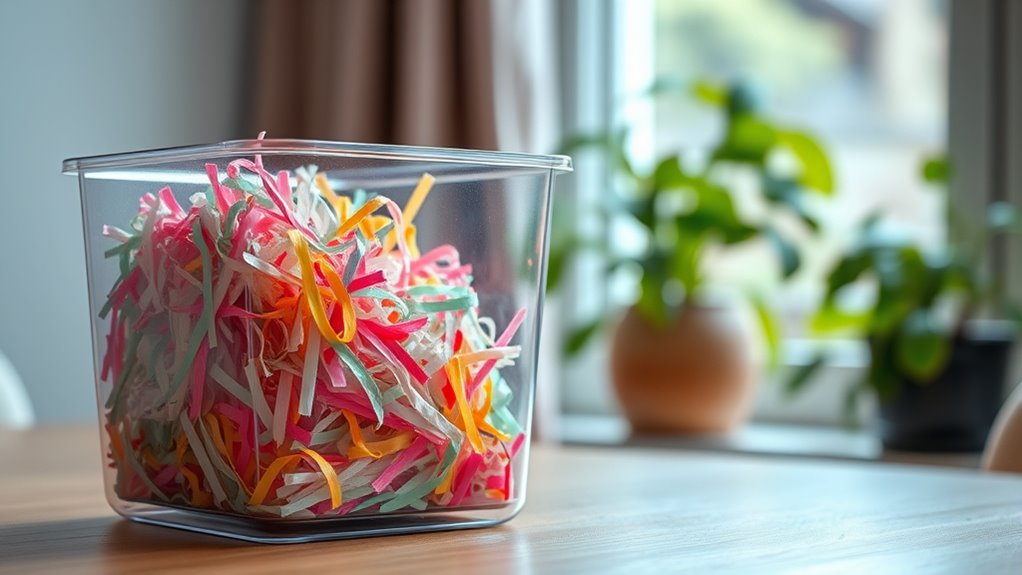
You can recycle shredded paper, but you need to check if your local program accepts it since many don’t. Recycling shredded paper can be a bit tricky because of its small size, but when done right, it helps save trees and reduces waste.
If your local recycling accepts shredded paper, make sure it’s dry and free of staples and plastics. Also, store it in paper bags or boxes—not plastic ones. This helps keep the shredded paper contained and easier to process.
Handling shredded paper properly is important for the environment. Keep reading to discover the best ways to recycle shredded paper and why it really matters.
Understanding the Recycling Process for Paper
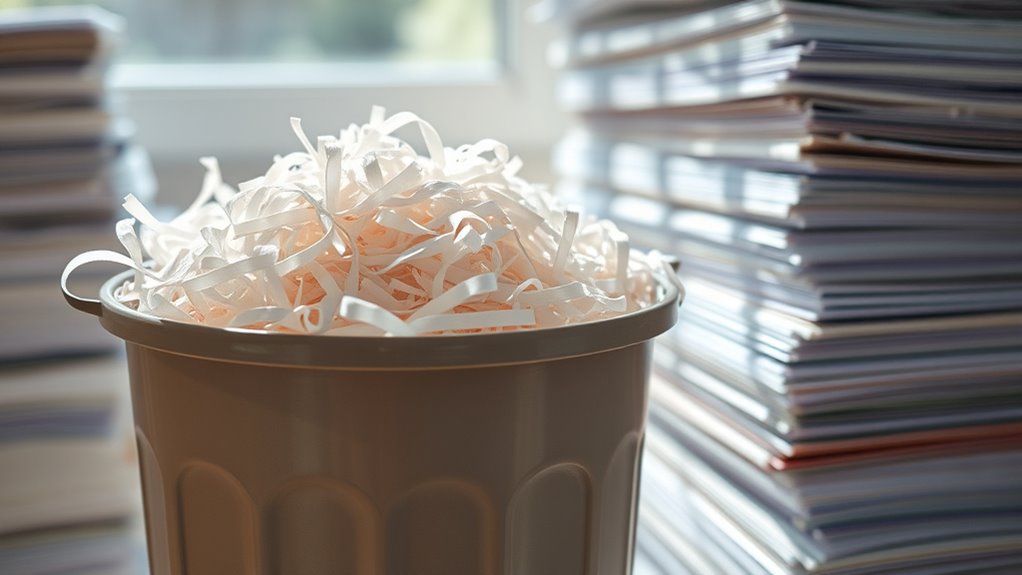
Although recycling shredded paper can seem tricky, understanding the overall paper recycling process will help you see why it’s important and how it works. When you recycle paper, it first goes through collection and sorting, where different types of paper get separated.
Then, the paper is cleaned to remove inks, adhesives, and contaminants. Next, it’s mixed with water and broken down into pulp. This pulp gets filtered and de-inked before being pressed into sheets and dried to create new paper products.
Knowing this process shows you that shredded paper, being smaller and sometimes mixed with other materials, can still enter the recycling stream but requires careful handling. By grasping these steps, you’ll appreciate how recycling helps conserve resources and reduce waste.
Challenges of Recycling Shredded Paper
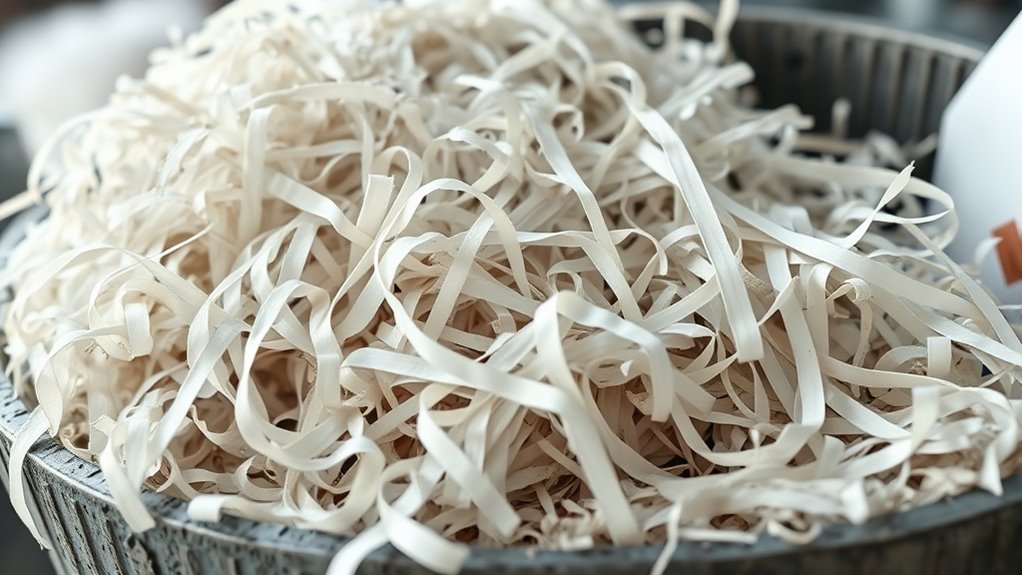
When you recycle shredded paper, you face unique challenges that don’t occur with whole sheets. Shredded paper’s small size makes it hard for recycling machines to handle efficiently, often causing jams or contamination in the process.
It’s also difficult to sort shredded paper because it can mix with other recyclables, reducing the quality of the recycled material. Plus, the tiny pieces tend to fall through sorting screens, leading to loss during collection.
Because shredded paper usually contains adhesives, inks, or staples, it can complicate pulping and decrease fiber quality. These challenges mean many recycling facilities won’t accept shredded paper or require it to be processed separately.
Understanding these issues helps you realize why shredded paper recycling isn’t as straightforward as standard paper recycling. It’s a bit more complicated than you might think!
How to Prepare Shredded Paper for Recycling
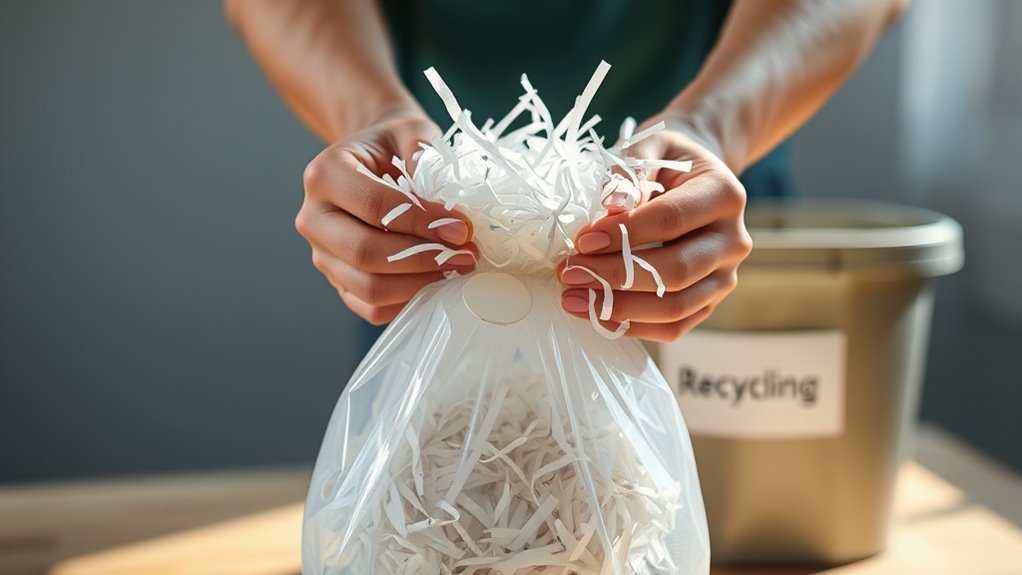
Since shredded paper poses special recycling challenges, you need to prepare it properly before disposal. First, keep the shredded paper dry—moisture can cause clumping and contamination.
Next, contain the shreds in a paper bag or a cardboard box; avoid plastic bags as they’re often rejected by recycling facilities. Finally, make sure the shredded paper is free from non-paper materials like staples, plastic, or tape.
Here’s a quick checklist for you:
- Store shredded paper in a dry paper bag or cardboard box
- Remove any non-paper contaminants before recycling
- Avoid using plastic bags to hold shredded paper
Following these steps helps guarantee your shredded paper can be efficiently processed in your local recycling program.
Alternatives When Your Local Program Doesn’t Accept Shredded Paper
If your local recycling program doesn’t accept shredded paper, don’t worry—you still have several eco-friendly options to manage it responsibly. You can add shredded paper to your compost bin, where it breaks down quickly and enriches the soil. Just make sure it’s free of inks, plastics, or other contaminants.
Another option is using shredded paper as packing material for shipping or storing fragile items. It’s a great way to reuse it instead of buying bubble wrap or foam peanuts. You might also consider donating shredded paper to local farms or animal shelters; many use it as bedding for animals.
These alternatives help you reduce waste and keep shredded paper out of the landfill, even if curbside recycling isn’t an option in your area. So, there’s no need to stress—just get creative with how you reuse shredded paper!
Environmental Benefits of Recycling Shredded Paper
When you recycle shredded paper, you help keep tons of waste out of landfills. This reduces pollution and space issues.
You also conserve natural resources by cutting down the need for fresh paper production. These simple actions make a big difference for the environment.
Reducing Landfill Waste
Though shredded paper seems small and insignificant, recycling it plays a big role in cutting down landfill waste. When you recycle shredded paper, you prevent it from piling up in landfills, where it would take years to decompose and release methane, a potent greenhouse gas.
By diverting shredded paper from trash bins, you help reduce the volume of waste that landfills must manage. This action not only extends landfill lifespan but also lessens the environmental strain caused by waste overflow.
Here’s what you achieve by recycling shredded paper:
- Decreased landfill overcrowding
- Reduced methane emissions from decomposing paper
- Lowered waste management costs and environmental impact
Taking this simple step makes a significant difference in waste reduction. It really adds up over time!
Conserving Natural Resources
Recycling shredded paper not only eases landfill pressures but also saves valuable natural resources. When you recycle, you reduce the need to harvest new raw materials like trees, water, and energy.
This helps preserve forests, protect wildlife habitats, and cut down water usage. By choosing to recycle shredded paper, you actively contribute to a healthier planet.
| Resource Saved | Impact of Recycling | Benefit to Environment |
|---|---|---|
| Trees | Less deforestation | Maintains biodiversity |
| Water | Reduced consumption | Conserves freshwater |
| Energy | Lower energy use | Decreases pollution |
Every little effort counts, and recycling shredded paper is a simple way you can conserve these precious resources daily.
It’s an easy habit that makes a big difference over time!
Common Myths About Shredded Paper Recycling
Although shredded paper looks like an easy item to recycle, you might be surprised by the common myths that surround it. Many people think shredded paper can’t be recycled because it’s too small or messy, but that’s not entirely true.
Some recycling programs accept shredded paper if it’s properly contained. Others reject it because it can clog sorting machines or be mistaken for trash.
Here are three common myths you should know:
- Shredded paper contaminates recycling bins — it only causes issues if loose.
- All recycling centers accept shredded paper — policies vary widely.
- Shredded paper has no value — it can be recycled into new paper products.
Conclusion
Now that you know shredded paper can be tricky to recycle due to its size and contamination risks, don’t just toss it in your bin without checking local guidelines. Preparing it properly or exploring alternatives like composting can make a big difference.
Don’t believe the myth that shredded paper is useless—recycling it right actually helps reduce waste and conserves resources. So, take a moment to handle shredded paper thoughtfully, and you’ll support a greener planet.
Recycling shredded paper may seem confusing, but with the right approach, it’s definitely possible. Checking your community’s recycling rules is key because some places accept shredded paper in special bags, while others prefer you compost it instead.
By recycling shredded paper correctly, you help keep recyclable materials out of landfills and promote sustainability. Remember, every little effort counts when it comes to reducing waste and protecting the environment. So, next time you have shredded paper, think twice before tossing it—recycling shredded paper properly benefits both you and the planet.