
How to Get My Pap Smear During My Period
You can get your pap smear during your period safely, although menstrual blood might make the sample less clear. It’s totally possible to do the test while on your period, but keep in mind the presence of blood could affect the results a bit.
To prepare, try to avoid using any vaginal products like creams or douches for at least 48 hours before your appointment. Also, you might want to wear a pad instead of a tampon for comfort during the visit.
Your healthcare provider will take extra care when inserting the speculum and collecting the sample. This helps reduce any discomfort and ensures the accuracy of the test.
If you’re wondering how to manage the procedure or what to expect, there’s plenty of helpful info available to guide you through the process.
Understanding the Pap Smear Procedure
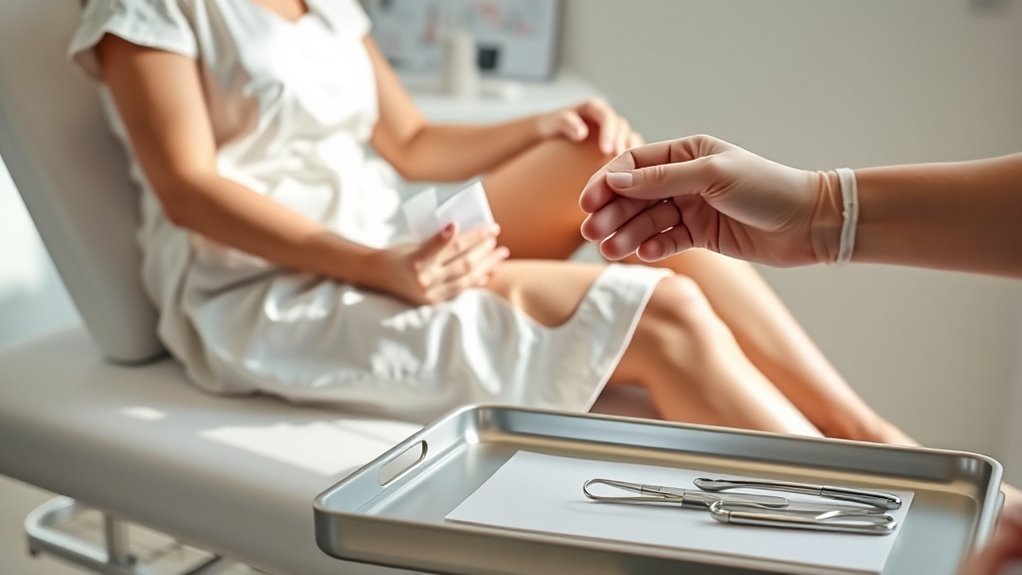
Although the idea of a Pap smear might make you uneasy, understanding the procedure can help ease your concerns. During the test, your healthcare provider gently inserts a speculum into your vagina to widen it, allowing access to your cervix.
Then, they use a small brush or spatula to collect cells from the cervix’s surface. This sample gets sent to a lab for examination to detect abnormalities or infections.
The entire process usually takes just a few minutes and might cause mild discomfort but shouldn’t be painful. Knowing what to expect lets you relax, making the experience smoother.
Is It Safe to Have a Pap Smear During Your Period?
While some people believe you should avoid getting a Pap smear during your period, it’s generally safe to have the test done at any time in your cycle. Your menstrual flow won’t harm the procedure or make it unsafe.
However, blood can sometimes make it harder for the healthcare provider to get a clear sample, which might affect the test results. If you’re comfortable, you can still go ahead with the appointment, but you might want to ask your provider if they prefer to reschedule to avoid any potential issues.
Ultimately, it’s your choice, and many providers perform Pap smears during periods without problems. If you feel uneasy, discuss your concerns with your doctor to decide what’s best for you.
Preparing for Your Pap Smear Appointment
If you decide to have your Pap smear during your period or at another time, preparing for the appointment can help the process go smoothly. First, avoid using vaginal creams, douches, or medications 48 hours before your test, as they can influence the results.
Don’t schedule the appointment during heavy flow days if you prefer, but light spotting usually isn’t an issue. Wear comfortable clothing for easy access, and consider bringing a pad for afterward since some spotting may occur.
Also, avoid intercourse, tampons, and vaginal products 24-48 hours before your appointment. Finally, communicate openly with your healthcare provider about your period and any concerns so they can adjust the procedure if needed.
Being prepared helps you feel more comfortable and ensures accurate results.
What to Expect During the Pap Smear on Your Period
What happens during a Pap smear when you’re on your period? Your healthcare provider will follow the usual steps but may take extra care because of the menstrual blood.
You might notice the provider using a speculum gently to minimize discomfort. Also, some blood may mix with the sample, which is normal and won’t affect the test’s accuracy.
The appointment could be a bit longer as the provider makes sure the sample is clear enough for testing.
Your provider knows that being on your period can feel awkward, but don’t worry—the test is still reliable and safe.
If you feel uneasy or have questions during the process, just speak up. They’re there to support you and make the experience as smooth as possible.
Tips for Managing Discomfort and Hygiene
Because having a Pap smear during your period can cause extra sensitivity, you should take steps to manage discomfort and maintain hygiene before and after the appointment. Wear breathable cotton underwear and change pads frequently to stay fresh.
If you feel cramps or soreness afterward, try using a warm compress. It really helps ease the discomfort.
Also, avoid douching or using scented products since they can irritate your skin. Staying hydrated and getting some rest if you need it will support your healing process.
| What to Do | Why It Helps | How You Feel |
|---|---|---|
| Wear cotton | Breathable comfort | Refreshed, clean |
| Change pads often | Prevent irritation | Comfortable, dry |
| Use warm compress | Eases cramps | Relaxed, soothed |
| Avoid douching | Protects natural flora | Calm, balanced |
| Stay hydrated | Supports healing | Energized, well |
How Menstrual Blood Can Affect Test Results
When menstrual blood mixes with the sample, it can make it harder for your doctor to see the cells clearly. This might lead to results that aren’t as accurate as they could be.
Knowing this can help you decide the best time to schedule your Pap smear. It’s a good idea to avoid having the test during your period if possible. That way, your results are more reliable and your doctor gets a clearer picture.
Impact on Sample Clarity
Although getting a Pap smear during your period is possible, menstrual blood can interfere with the clarity of the sample. When blood mixes with cervical cells, it can make it harder for the lab to examine the sample accurately.
This doesn’t mean the test can’t be done, but it might affect how well the cells are seen under the microscope. Here’s what you should know about how menstrual blood impacts sample clarity:
- Blood can obscure cervical cells, making it tricky for the lab to analyze them properly.
- Excess blood may require the technician to collect a second sample, causing slight discomfort.
- The presence of blood might increase the chance of needing a repeat test for clearer results.
Understanding this can help you decide when to schedule your Pap smear for the best clarity. It’s all about getting the most accurate results possible.
Potential for Inaccurate Results
If you get a Pap smear during your period, menstrual blood can increase the risk of inaccurate results by masking abnormal cells or causing contamination. The presence of blood can make it harder for your healthcare provider to clearly identify cellular changes, which might lead to false negatives or inconclusive findings.
This means abnormal cells might go unnoticed, delaying important follow-up care. Additionally, excess blood can interfere with laboratory analysis, increasing the chance of sample rejection or the need for repeat testing.
While some clinics are equipped to handle samples taken during menstruation, it’s generally recommended to schedule your Pap smear when you’re not bleeding to ensure the most reliable results. Ultimately, avoiding testing during your period reduces the risk of inaccurate outcomes and unnecessary repeat visits.
Conclusion
Getting your Pap smear during your period might seem tricky, but it’s totally doable and safe. Staying prepared and proactive helps prevent pesky problems with test results.
Remember, managing menstrual messiness with mindful hygiene makes the moment more manageable. Don’t let your cycle stop you from staying strong and screening regularly.
Taking timely tests truly takes charge of your health, helping you head off hazards before they happen. Staying confident and caring for yourself consistently is key when scheduling a Pap smear during your period.
In fact, getting your Pap smear during your period is possible with a bit of planning and communication with your healthcare provider. Keeping up with regular cervical screening is important for early detection of any issues, regardless of your cycle. So, don’t skip your appointment just because you’re on your period—your health comes first!