Is a Pap Smear Painful and How to Prepare Comfortably
You might wonder, is a Pap smear painful? Generally, you may feel mild cramping or pressure during the test, but it’s usually brief and quite tolerable.
The level of discomfort can vary depending on your sensitivity, where you are in your menstrual cycle, and how anxious you feel.
To prepare comfortably for a Pap smear, try relaxing with some deep breaths beforehand. Avoid using any vaginal products for 24 to 48 hours before your appointment to get the most accurate results.
Also, don’t hesitate to share any concerns or questions with your healthcare provider—they’re there to help you feel at ease.
Wearing comfortable clothes and scheduling your test when you feel calm can make a big difference too.
Remember, knowing what to expect can make the whole experience easier and less stressful.
So take a deep breath—you’ve got this!
What Happens During a Pap Smear Procedure
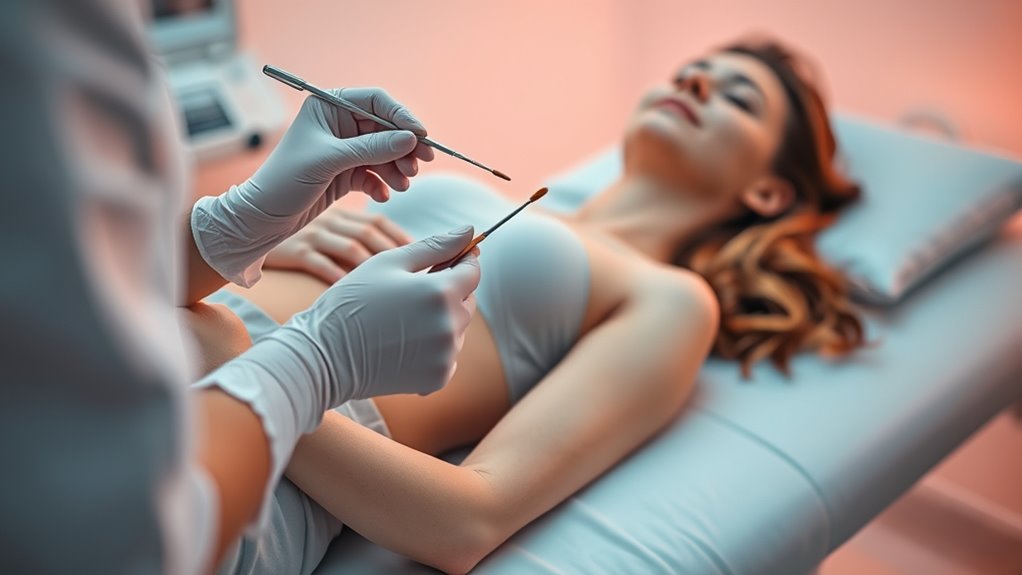
Although the Pap smear procedure might sound intimidating, it’s a quick and straightforward test designed to check for abnormal cells in your cervix.
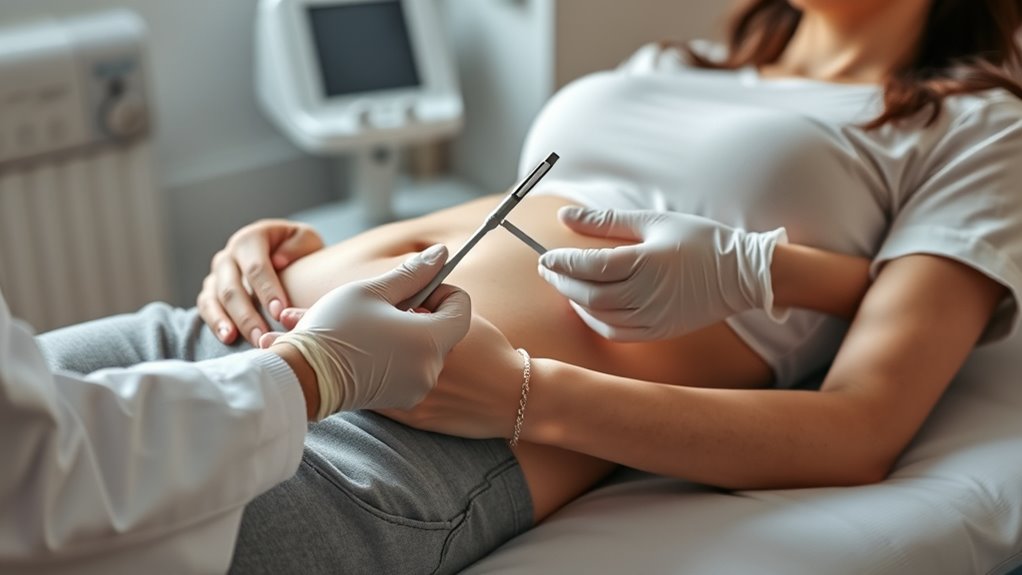
When you arrive, you’ll lie back on the exam table and place your feet in stirrups. Your healthcare provider will gently insert a speculum into your vagina to hold it open and get a clear view of your cervix.
Using a small brush or spatula, they’ll collect a few cells from the surface of your cervix. This sample is what will be sent to the lab for analysis.
The entire process usually takes just a few minutes, and your provider will guide you through each step to help you feel at ease throughout.
Common Sensations and Discomforts Experienced

You might feel mild cramping or pressure during the Pap smear, which is common and usually brief. This discomfort often comes from the speculum gently opening the vaginal walls and the scraping of cervical cells.
Most sensations fade quickly, leaving only slight tenderness if anything at all. It’s nothing to worry about and usually passes right away.
Typical Physical Sensations
While a Pap smear is generally quick, you might experience a range of physical sensations during the procedure. When the speculum is inserted, you may feel some pressure or a slight pinch as it opens your vaginal walls.
This can feel unfamiliar but usually isn’t sharp pain. As the healthcare provider collects cells from your cervix with a small brush or spatula, you might notice a brief scraping or mild discomfort. Some people describe this sensation as a tickle or light pinch.
Additionally, you could feel a sense of fullness or mild cramping similar to menstrual cramps, which typically lasts only a few moments. These sensations vary between individuals, but they generally pass quickly once the procedure is finished.
Causes of Discomfort
Because the Pap smear involves accessing sensitive areas, several factors can cause discomfort during the procedure. You might feel pressure as the speculum gently opens your vaginal walls to provide access to the cervix.
If you’re tense or anxious, the muscles in your pelvic area may tighten, increasing discomfort. The swabbing itself can cause a brief, sharp sensation or mild cramping as the cells are collected.
If you have a sensitive cervix, inflammation, or an infection, these sensations might be more intense. Additionally, the cold metal of the speculum can feel unpleasant at first.
Understanding these causes can help you mentally prepare and communicate with your healthcare provider to make the experience as comfortable as possible. It’s all about being informed and ready!
Duration of Sensations
Discomfort during a Pap smear usually doesn’t last long, easing quickly once the procedure ends. Most of the sensations you experience are brief and manageable.
You might feel some pressure or mild cramping during the sample collection, but these sensations typically fade within minutes. Occasionally, you may notice slight spotting or tenderness afterward, which resolves quickly.
Here’s what you can expect regarding the duration of common sensations:
- Pressure or pinching: lasts seconds to a minute
- Mild cramping: may linger for a few minutes after
- Spotting or light bleeding: usually stops within a day
- Tenderness or soreness: can last a few hours but rarely longer
Knowing this can help you prepare mentally and physically for the procedure. So, try not to worry too much—it’s usually pretty quick and manageable!
Factors That Can Influence Pain Levels
You might notice that pain levels vary because everyone’s cervical sensitivity is different. Also, the timing of your procedure in relation to your menstrual cycle can affect how much discomfort you feel.
Understanding these factors can help you prepare better for your Pap smear. It’s all about knowing your body and what works best for you.
Cervical Sensitivity Differences
Although Pap smears are routine, the level of pain you might feel can vary widely due to differences in cervical sensitivity. Your cervix’s responsiveness to touch and pressure can be influenced by several factors that affect how uncomfortable the procedure feels.
Understanding these can help you prepare mentally and physically.
Here are some key cervical sensitivity differences that might impact your experience:
- Hormonal changes: Fluctuations during your menstrual cycle or menopause can make your cervix more sensitive.
- Infections or inflammation: Conditions like cervicitis can increase tenderness.
- Previous procedures or trauma: Scarring or irritation from past exams or surgeries may heighten sensitivity.
- Individual pain thresholds: Everyone experiences pain differently, so your personal tolerance plays a role.
Procedure Timing Effects
Because your body’s state changes throughout the menstrual cycle, the timing of your Pap smear can considerably affect how much pain you feel. For instance, scheduling your test during or right after your period might increase sensitivity and discomfort due to inflammation or irritation.
On the other hand, the mid-cycle phase, when hormone levels stabilize, often results in less tenderness and easier speculum insertion. Also, avoid having the test during ovulation if you experience heightened cervical sensitivity then.
If you’re dealing with infections or recent vaginal procedures, waiting until you’ve fully healed can reduce pain. Communicate with your healthcare provider about your cycle and any discomfort you’ve had before so they can help pick the best time to minimize pain during your Pap smear.
Tips for Preparing Mentally and Physically
When preparing for a Pap smear, calming your mind and body can make the experience more comfortable. Taking simple steps helps reduce anxiety and physical tension, allowing the procedure to go smoothly.
Here are some tips to get you ready mentally and physically:
- Practice deep breathing or meditation beforehand to relax your nerves.
- Schedule your appointment when you’re least stressed and have enough time to avoid rushing.
- Wear comfortable clothing to feel at ease during the exam.
- Avoid using vaginal products like douches or creams 48 hours before, as they can interfere with results and cause discomfort.
How to Communicate With Your Healthcare Provider
How can you make your Pap smear experience less stressful? Start by openly communicating with your healthcare provider. Don’t hesitate to share any fears or past experiences that made you uncomfortable.
Ask questions about the procedure—knowing what to expect can ease your anxiety. If you feel pain or discomfort during the exam, immediately let your provider know so they can adjust their approach.
Request that they explain each step before doing it to help you feel more in control. Also, inform them if you have any medical conditions or concerns that could affect the procedure.
Aftercare and Managing Any Discomfort
Once your Pap smear is complete, taking care of yourself can help reduce any discomfort you might feel. Mild cramping or spotting is normal, but you can alleviate these symptoms with simple steps.
Listen to your body and give yourself time to rest if needed.
Pay attention to your body’s signals and allow yourself adequate rest for optimal recovery.
Here are some tips for aftercare and managing discomfort:
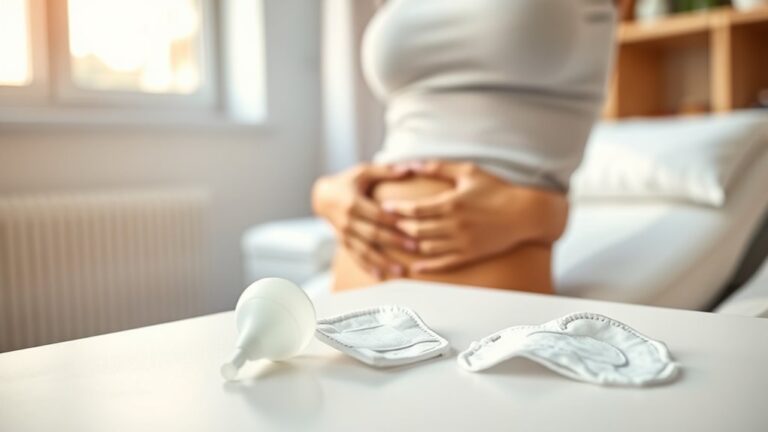
- Use a heating pad on your lower abdomen to soothe cramps.
- Avoid using tampons, douching, or swimming for at least 24 hours.
- Wear comfortable, breathable underwear to prevent irritation.
- Take over-the-counter pain relief like ibuprofen if necessary.
If you notice heavy bleeding, severe pain, or unusual discharge, contact your healthcare provider promptly. Taking these steps ensures your recovery is smooth and comfortable.
Conclusion
A Pap smear might feel a bit uncomfortable, but it’s rarely as painful as you imagine—definitely not like having a tiny tornado inside you! By preparing mentally and physically, you can ease any anxiety and make the experience smoother.
Don’t hesitate to talk openly with your healthcare provider about your concerns. Afterward, follow simple aftercare tips to manage any mild discomfort.
Remember, this quick procedure is a powerful step in protecting your health! Getting a Pap smear is essential for early detection of cervical changes and preventing cervical cancer. With a little preparation and open communication, you can have a comfortable experience. So, if you’re wondering, “Is a Pap smear painful?” the answer is usually no, and it’s worth it to stay on top of your health.