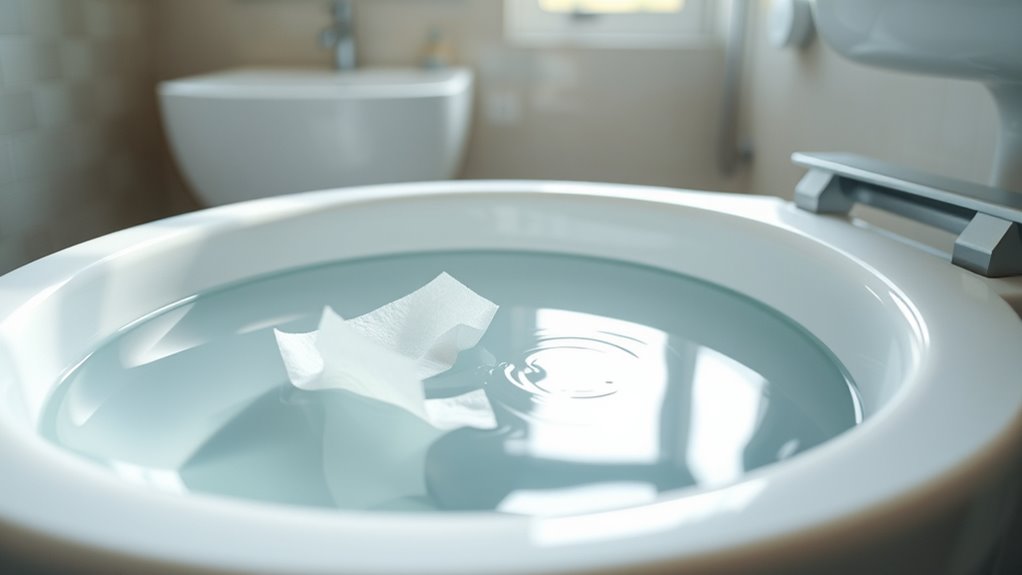
Can Paper Towels Be Flushed Safely?
You shouldn’t flush paper towels because they’re thicker and don’t break down like toilet paper. They’re made to be strong and absorbent, so they don’t dissolve in water. This means they can clog your pipes and cause costly plumbing problems.
Flushing paper towels can also harm wastewater systems and the environment. Instead, toss paper towels in the trash or compost if possible.
Keep going, and you’ll discover why proper disposal matters and some helpful alternatives.
Understanding the Composition of Paper Towels
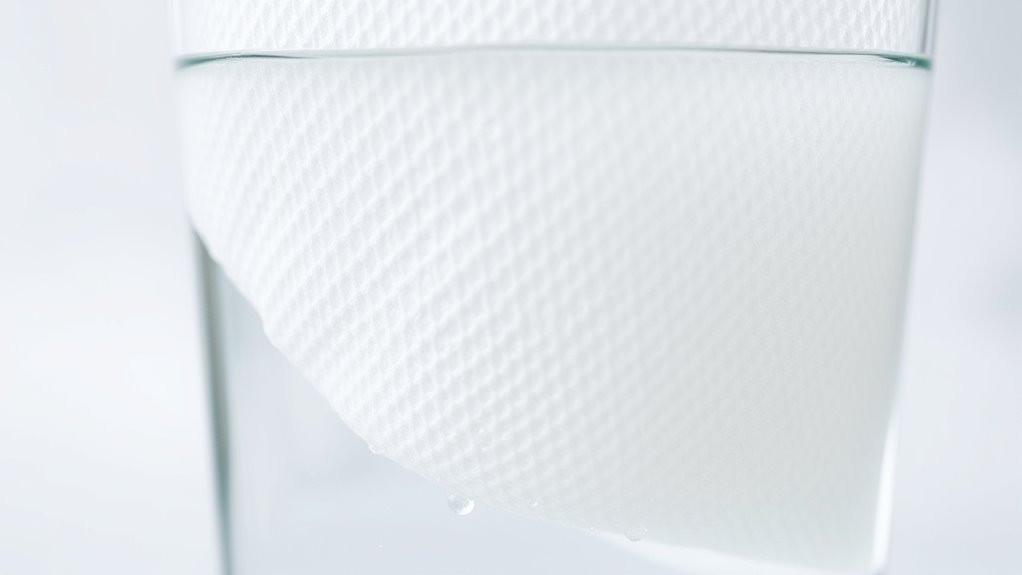
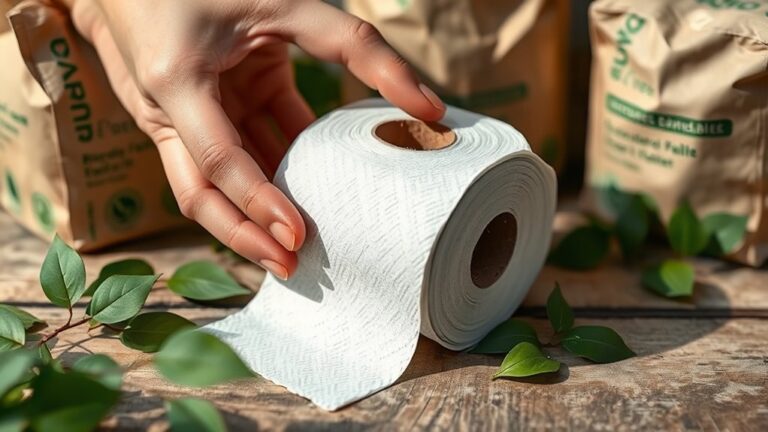
Although paper towels may look similar to toilet paper, they’re made from different materials designed for distinct purposes. When you use paper towels, you’re relying on a product crafted for strength and absorbency, usually from thicker fibers and sometimes treated with adhesives to hold them together.
This composition helps paper towels soak up liquids and handle tougher messes without tearing. You’ll notice they’re often rougher and denser than toilet paper, which is softer and breaks down easily.
Because of these design differences, paper towels don’t dissolve quickly in water. Understanding this helps you realize why flushing paper towels can cause plumbing problems. So, when you reach for a paper towel, remember it’s built for cleaning, not for flushing.
Differences Between Toilet Paper and Paper Towels
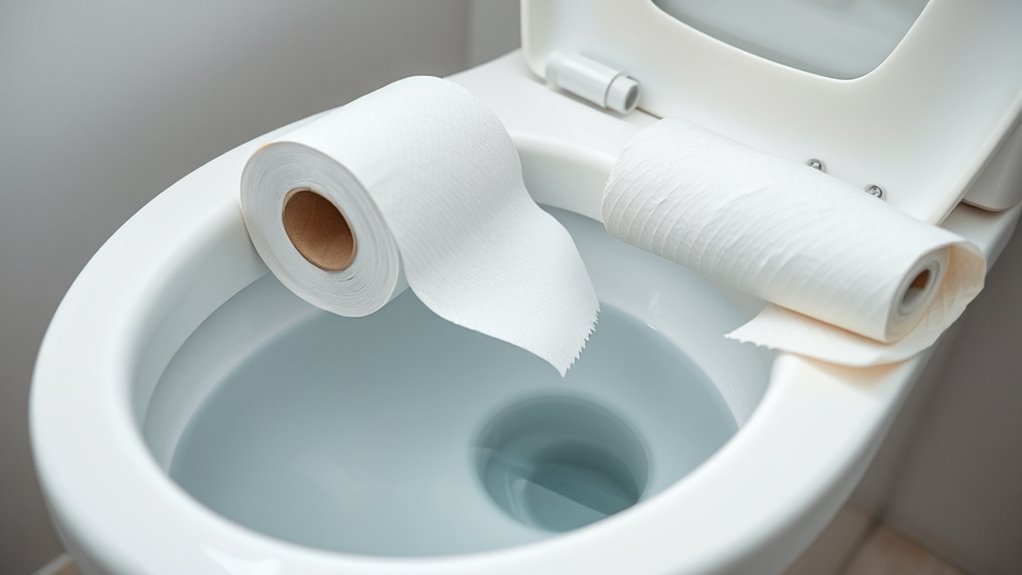
You might not realize that toilet paper and paper towels are made from very different materials, which affects how they break down.
Toilet paper is designed to disintegrate quickly in water, while paper towels are thicker and hold together longer.
Understanding these differences helps explain why flushing paper towels can cause problems.
Material Composition Comparison
When you compare toilet paper and paper towels, you’ll notice they’re made from different materials designed for distinct purposes. Toilet paper is generally softer and thinner, made to dissolve quickly in water, while paper towels are thicker and stronger, designed for absorption and durability.
| Feature | Toilet Paper | Paper Towels |
|---|---|---|
| Material | Recycled fibers or virgin pulp | Virgin pulp, often bleached |
| Thickness | Thin | Thick |
| Texture | Soft | Rough |
| Strength | Low | High |
| Water Resistance | Low (dissolves easily) | High (resists water) |
Disintegration Rates Differences
Because paper towels are designed to hold moisture and maintain strength, they take much longer to break down compared to toilet paper. When you flush toilet paper, it disintegrates quickly, often within seconds or minutes. This helps prevent clogs and makes wastewater treatment easier.
Paper towels, however, resist breaking apart due to their dense fibers and bonding agents. This means they can stay intact in plumbing systems, causing blockages or damage over time. If you flush paper towels, you risk backups and costly repairs.
Understanding these disintegration differences helps you make better choices about what you flush. Always opt for toilet paper, as it’s engineered to dissolve fast, protecting your plumbing and the environment. Avoid flushing paper towels to keep your waste system running smoothly.
What Happens When Paper Towels Are Flushed?
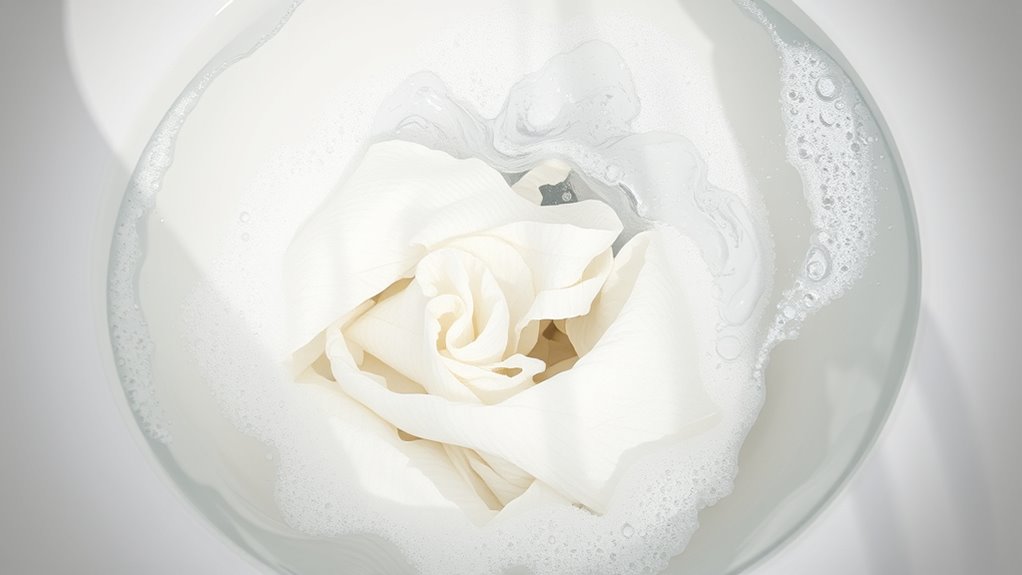
Although paper towels might seem like a convenient item to dispose of in the toilet, flushing them can cause serious problems. Unlike toilet paper, paper towels don’t break down quickly in water, so they tend to stay intact.
When you flush them, they can clog your pipes or cause blockages in the sewer system. Here’s what typically happens:
| Stage | Paper Towels Behavior | Toilet Paper Behavior |
|---|---|---|
| In Toilet Bowl | Remain mostly intact | Start dissolving immediately |
| In Pipes | Clump and cause blockages | Break down and flow freely |
| In Sewer System | Accumulate and cause jams | Disintegrate and decompose |
When you flush paper towels, they don’t vanish like toilet paper. Instead, they create trouble for your plumbing and the sewage system. So, it’s best to toss them in the trash, not the toilet.
Potential Plumbing and Environmental Risks
You might not realize that flushing paper towels can cause serious clogging and blockages in your plumbing. They don’t break down easily, which creates challenges for wastewater treatment plants.
Plus, the environmental impact of improperly disposed paper towels can add up quickly. It’s definitely something to keep in mind next time you’re thinking about what to flush!
Clogging and Blockages
When paper towels enter your plumbing system, they don’t break down like toilet paper and can quickly cause clogs. These thick, fibrous materials tend to stick together, creating blockages that disrupt water flow and increase the risk of backups.
If you flush paper towels, you might face slow drains that require costly repairs. Overflowing toilets can cause water damage, too.
Plus, there’s increased strain on your home’s pipes and sewer lines. You might even need professional plumbing services to clear stubborn obstructions.
Wastewater Treatment Challenges
Since paper towels don’t dissolve like toilet paper, they cause significant challenges at wastewater treatment plants. When you flush them, they don’t break down easily, which means they can clog pumps and screens designed to filter out solids.
This leads to costly repairs and unscheduled maintenance. You might not realize it, but these towels can also accumulate in large masses, disrupting the flow of wastewater and causing backups.
Treatment plants rely on materials that break down quickly to keep the system running smoothly. When paper towels enter the system, they slow down processing and can interfere with the biological treatment stages.
Environmental Impact Concerns
Beyond the operational headaches at treatment plants, flushing paper towels also poses significant risks to your plumbing and the environment. When you flush them, they don’t break down easily and can cause blockages in your pipes. This can lead to costly repairs and even sewage backups in your home.
Furthermore, paper towels contribute to environmental harm because they increase the load on wastewater systems, which can result in untreated waste reaching natural waterways. Here’s what you should consider:
- Paper towels can clog sewer lines and municipal systems.
- They often contain chemicals that harm aquatic ecosystems.
- Increased solid waste from paper towels raises treatment plant energy use.
- Improper disposal contributes to landfill overflow and pollution.
Proper Disposal Methods for Paper Towels
Although paper towels might seem disposable, you shouldn’t flush them down the toilet. They don’t break down like toilet paper and can clog your plumbing or harm wastewater systems.
Instead, toss used paper towels in the trash. For compostable towels, check if your local composting program accepts them.
Here’s a quick guide on proper disposal:
| Disposal Method | Suitable For | Notes |
|---|---|---|
| Trash Bin | All paper towels | Prevents plumbing issues |
| Composting | Compostable towels | Check local program guidelines |
| Recycling | Not recommended | Paper towels often contaminated |
| Flushing | Never | Causes clogs and damage |
Alternatives to Using Paper Towels in the Bathroom
If you want to reduce waste and avoid plumbing problems, consider alternatives to paper towels in your bathroom. Switching to more sustainable and practical options not only helps the environment but also keeps your plumbing safe from clogs caused by flushed paper towels.
Here are some effective alternatives you can try:
- Use washable cloth towels or microfiber cloths for drying hands and face.
- Install a hand dryer for a touch-free, eco-friendly solution.
- Opt for reusable bamboo or cotton towels that are gentle on skin and the planet.
- Keep a small bin for used paper towels to dispose of them properly without flushing.
Conclusion
You might wonder, why risk flushing paper towels when they’re designed differently from toilet paper? Since paper towels don’t break down easily, they can clog your plumbing and harm the environment.
Instead of causing costly damage, it’s smarter to throw them in the trash. By choosing proper disposal methods and alternatives, you’ll protect your pipes and the planet.
So, isn’t it worth a little extra effort to avoid unnecessary problems? Flushing paper towels safely isn’t really an option because they don’t dissolve like toilet paper. Keeping them out of your plumbing system helps prevent clogs and costly repairs.
Plus, disposing of paper towels properly supports environmental health. In the end, protecting your pipes and the environment makes choosing the trash over the toilet the best choice.